When people think about nutrients that support the brain, omega-3 fats, B vitamins, and vitamin D usually get most of the attention. However, magnesium for brain function, including focus and memory, is just as important and often overlooked.
Yet there is another nutrient that may deserve a place on that list.
Magnesium is involved in more than 300 biochemical reactions throughout the body. It helps regulate nerve signalling, supports energy production, influences sleep quality, helps control blood sugar, and plays a critical role in the brain’s ability to learn, adapt, and form memories.
Despite this, many people consume less magnesium than they need.
As rates of cognitive decline, anxiety, sleep problems, and metabolic disease continue to rise, researchers are increasingly investigating whether magnesium status could play a role in protecting brain health throughout life.
Why does magnesium matter for the brain?
Your brain is an energy-hungry organ.
Although it accounts for only around 2% of body weight, it uses approximately 20% of the body’s energy supply. To function well, brain cells require a constant supply of nutrients that support energy production, communication between neurons, and protection from oxidative stress.
Magnesium contributes to all three.
It helps regulate neurotransmitters, supports healthy nerve-cell communication, and is required for the production of ATP, the molecule that powers every cell in the body. Magnesium also influences NMDA receptors, which are involved in learning, memory formation, and neuroplasticity, the brain’s ability to adapt and create new connections.¹
Low magnesium levels have been linked to increased inflammation, greater oxidative stress, and impaired glucose regulation, all of which are recognised contributors to cognitive decline and dementia risk.²
Magnesium and cognitive decline
One of the most interesting areas of research concerns magnesium and long-term cognitive health.
Several large population studies have found that people with higher magnesium intake or higher blood magnesium levels tend to have a lower risk of cognitive impairment and dementia.³⁻⁵ In a study published in Neurology, individuals with optimal blood magnesium levels had a significantly lower risk of developing dementia compared with those with lower levels.⁴
A recent systematic review concluded that magnesium appears to play an important role in maintaining cognitive health throughout ageing, although researchers emphasise that more intervention studies are needed to establish cause and effect.²
This does not mean magnesium is a magic bullet for preventing dementia, but it does suggest that ensuring adequate magnesium intake may be one of several important factors that help support a healthy brain as we age.
Could magnesium help with brain fog?
Many people first become interested in magnesium because they feel mentally tired, forgetful, or unable to concentrate.
While brain fog is not a medical diagnosis, it is often associated with poor sleep, chronic stress, blood sugar instability, and low energy production, all areas in which magnesium plays an important role. It also helps regulate the body’s response to stress. Chronic stress can deplete magnesium stores, while low magnesium levels may make us more vulnerable to the effects of stress, creating a vicious cycle.⁶
For some people, improving magnesium status may help support mental clarity simply by improving sleep quality, reducing stress reactivity, and supporting stable energy production.
Magnesium, mood and sleep
The relationship between magnesium and mental wellbeing has been studied for decades.
Research suggests that magnesium may help support healthy mood regulation and stress resilience, particularly in individuals with inadequate magnesium intake.⁶
Magnesium is also commonly used to support sleep. It helps regulate the nervous system and appears to influence melatonin production and GABA activity, both of which are involved in sleep regulation.
While magnesium is not a sleeping tablet, some people report improvements in sleep quality, reduced nighttime waking, and a calmer mind when magnesium intake is optimised.
Since poor sleep is increasingly recognised as a risk factor for cognitive decline and Alzheimer’s disease, supporting healthy sleep may be one of the ways magnesium contributes to long-term brain health.
Food First: Magnesium-Rich Foods to Try Before Supplements
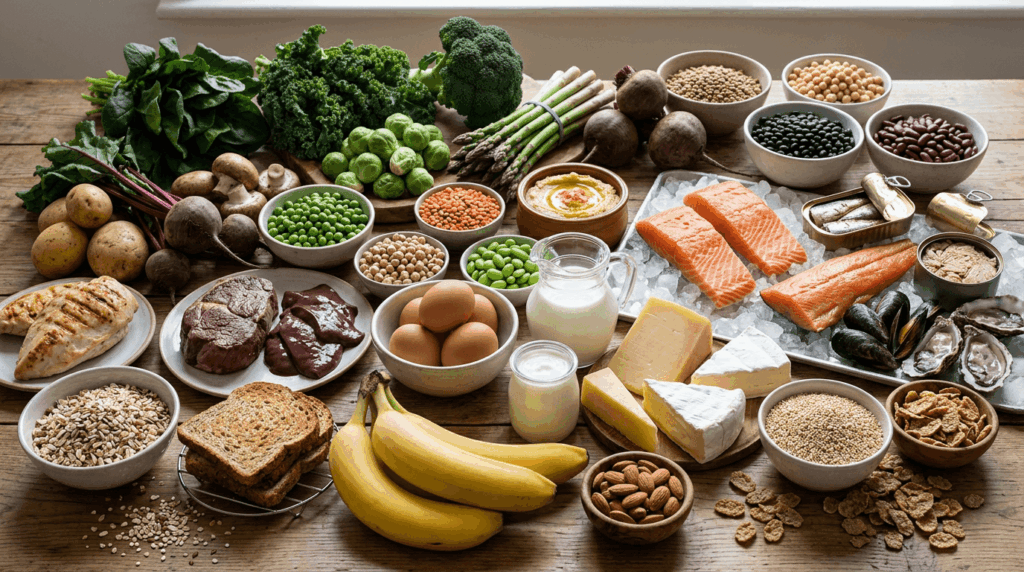
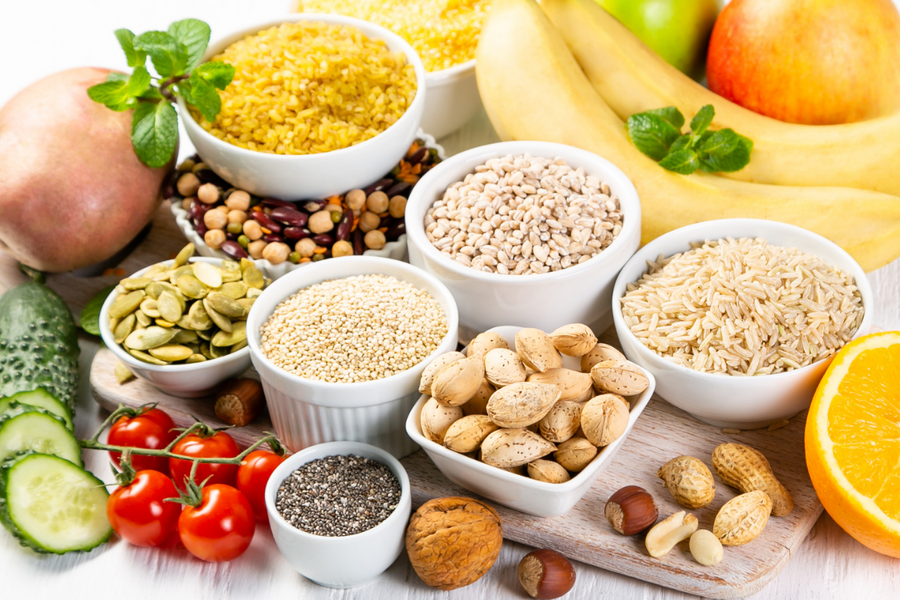
Before reaching for a supplement, it’s worth looking at your diet. The richest sources of magnesium include:
Pumpkin seeds
Chia seeds
Almonds and cashews
Beans and lentils
Spinach and leafy greens
Whole grains
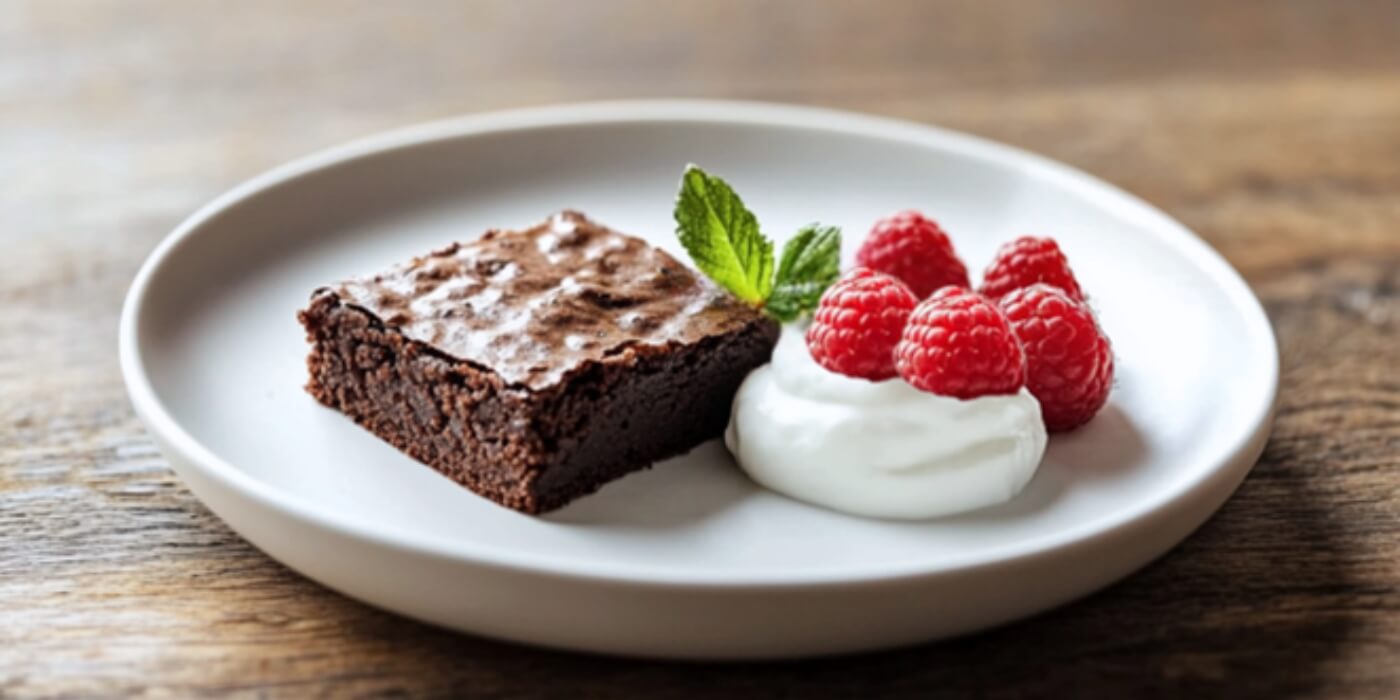
Dark chocolate
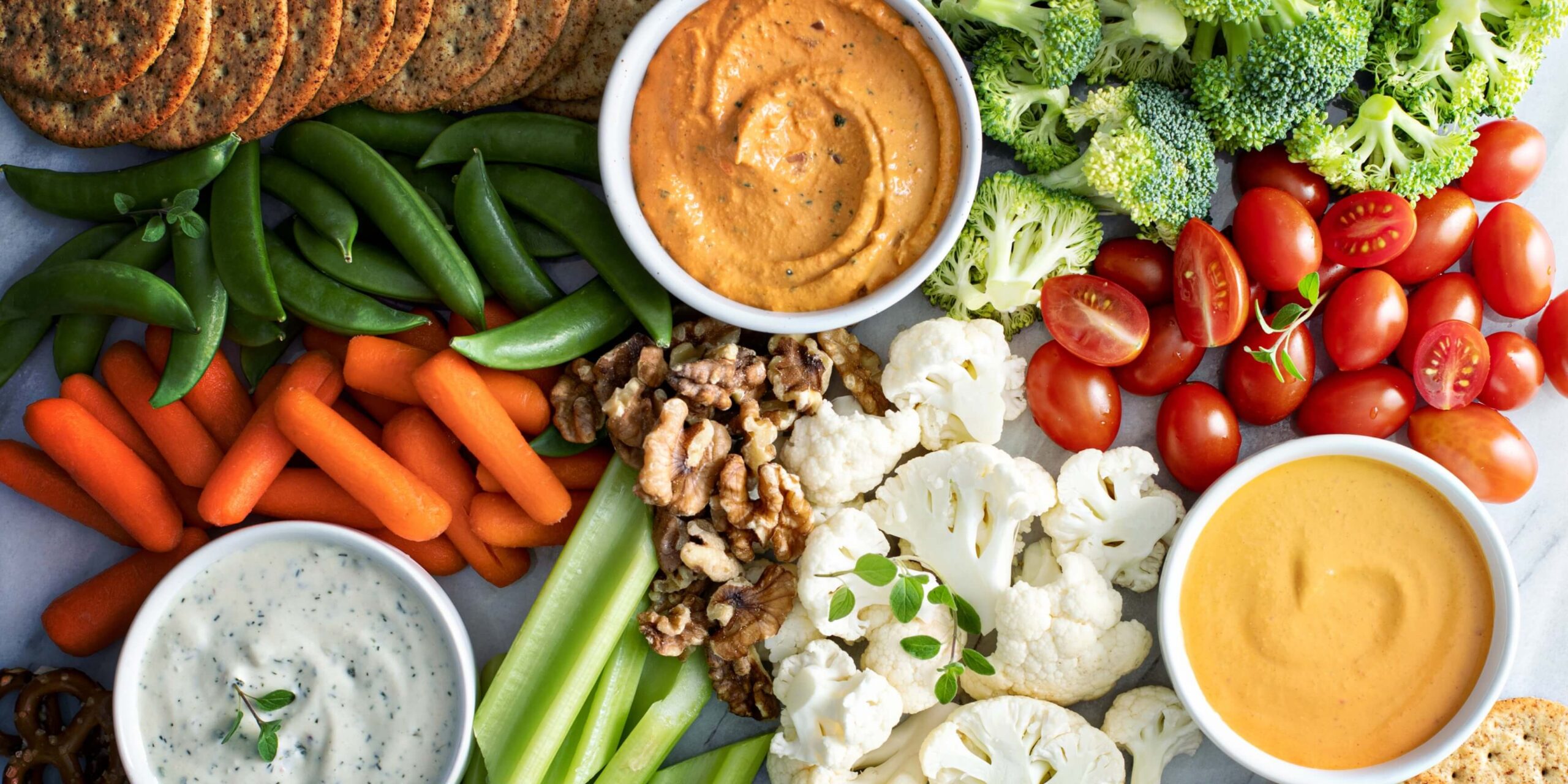
Many people can substantially improve their magnesium intake simply by eating more magnesium-rich foods, including leafy greens, beans, nuts and seeds. Although modern farming and soil quality may have reduced the magnesium content of some foods compared with the past, food should still be your first source wherever possible. Supplements are best considered a complement to diet, not a replacement for it.
Which type of magnesium is best?
One of the most confusing aspects of supplementation is the number of different forms available.
The truth is that there is no single “best” magnesium. Different forms may be more suitable, depending on your goals.
Magnesium glycinate: a gentle option often used for sleep and relaxation
Magnesium glycinate combines magnesium with the amino acid glycine. It is well absorbed and gentle on the stomach. Although it is widely recommended to support sleep and relaxation, there is currently little direct evidence that it is more effective than other well absorbed forms of magnesium. Its popularity is based largely on its favourable absorption, the calming properties of glycine, and positive clinical experience.
Magnesium l-threonate: the leading choice for magnesium for brain function
Magnesium L-threonate has attracted attention because it appears to increase magnesium levels within the brain more effectively than some other forms.
Animal studies have shown improvements in learning and memory, while early human studies suggest potential benefits for cognitive function.¹ ⁷
The evidence remains preliminary, but this is currently the form generating the most interest for memory and cognitive health.
Magnesium citrate: widely available and well absorbed
Magnesium citrate is widely available and generally well absorbed. It is often used when constipation is also an issue because it can have a mild laxative effect.
Magnesium malate: sometimes chosen for energy support
Magnesium malate combines magnesium with malic acid, a compound involved in cellular energy production.
Some practitioners favour this form for people experiencing fatigue, although the evidence supporting its superiority for energy is limited.
Magnesium oxide: common, but less efficiently absorbed
Magnesium oxide contains a high amount of elemental magnesium but is relatively poorly absorbed.
For brain health purposes, there are usually better options available.
Magnesium for Brain Function: Quick Comparison by Form
Form
Often chosen for
Absorption
Evidence strength
Glycinate
Sleep, relaxation
Well absorbed, gentle on the stomach
Limited evidence of superiority over other well-absorbed forms
L-Threonate
Cognitive/brain health
Not primarily valued for general absorption
Preliminary – animal studies plus early human research9,10
Citrate
General use, occasional constipation
Well absorbed
Well established for absorption and mild laxative effect
Malate
Energy, fatigue
Well absorbed
Limited direct evidence for energy specifically
Oxide
General, budget-friendly
Poorly absorbed
Not typically recommended where absorption matters most
The bottom line: what this means for you
Magnesium is not a miracle nutrient, nor is there one form that’s right for everyone. The best choice depends on your individual needs, goals, and overall health. For some people, simply eating more magnesium-rich foods may be enough, while others may benefit from supplementation.
What the evidence does tell us is that magnesium is fundamental to healthy brain function. It supports energy production in every cell, helps nerve cells communicate, contributes to healthy sleep and stress regulation, and plays an important role in learning and memory. Maintaining healthy magnesium levels may therefore be one of the many ways we can support our brains as we age. (2-8)
Brain health is rarely transformed by a single nutrient, supplement, or food. It’s the result of consistently supporting the systems your brain depends on through good nutrition, regular movement, restorative sleep, stable blood sugar, social connection, and other healthy lifestyle habits.
Magnesium isn’t the whole picture, but it is an important piece of it. Making sure you’re getting enough, whether through your diet or, where appropriate, a well-chosen supplement, is one simple step towards supporting your brain for years to come.
Disclaimer: This article is for general information only and is not medical advice. It is not a substitute for consultation with a qualified healthcare professional, and should not be used to diagnose or treat any condition. Always speak with a GP, pharmacist, or registered nutritionist before starting a new supplement, particularly if you are pregnant, breastfeeding, taking medication, or managing a health condition.
The Best Foods to Help Lower Homocysteine Naturally
Of all the blood markers linked to dementia risk, homocysteine may be one of the most important and one of the easiest to improve. There are certain foods that lower homocysteine, making it possible to have a positive impact through your diet.
If you have searched online for foods that lower homocysteine, you have probably found plenty of articles recommending spinach, broccoli, eggs and salmon. They are all excellent foods, but they are only part of the story.
The truth is that no food lowers homocysteine directly. Your body is the one that does that. Every second of every day, it is recycling homocysteine through a series of biochemical reactions that depend on a steady supply of essential nutrients. The foods you eat simply provide the vitamins and nutrients those reactions need to work efficiently.
Understanding that difference changes the conversation completely. Instead of searching for a miracle food, the goal becomes giving your body the nutrients it needs to keep homocysteine in a healthy range.
For a full explanation of what homocysteine is and why elevated levels matter, read our guide to homocysteine.
Combined with appropriate testing and, where needed, targeted supplementation, improving your diet is one of the most practical ways to support long-term brain health.
Can food lower homocysteine?
No food lowers homocysteine directly. Instead, foods provide the folate, vitamin B12, vitamin B6, riboflavin, choline and betaine your body needs to recycle homocysteine efficiently.
Improving your intake of these nutrients may help support healthier homocysteine levels, particularly if your diet has previously been low in leafy green vegetables, legumes, fish, eggs or other nutrient-rich whole foods.
However, the effect of diet depends on why homocysteine is elevated. Poor vitamin B12 absorption, medications, kidney disease, thyroid problems and genetic factors may mean that dietary changes alone are not enough.
The key nutrients involved in homocysteine metabolism
Nutrient
Role in homocysteine metabolism
Food sources
Folate
Supports conversion of homocysteine back into methionine
Spinach, kale, broccoli, asparagus, lentils and chickpeas
Vitamin B12
Works with folate in homocysteine recycling
Salmon, sardines, shellfish, eggs, dairy products and liver
Vitamin B6
Helps convert homocysteine into cysteine
Poultry, salmon, chickpeas, potatoes and bananas
Riboflavin
Supports folate metabolism and MTHFR activity
Eggs, milk, yoghurt, mushrooms and almonds
Choline
Supports an alternative methylation pathway
Eggs, liver, fish and soybeans
Betaine
Acts as a methyl donor in homocysteine recycling
Beetroot, spinach, quinoa and wholegrains
Why homocysteine matters?
Homocysteine is a naturally occurring amino acid produced whenever your body breaks down methionine, an amino acid found in protein-rich foods.
Under healthy conditions, homocysteine does not remain in the bloodstream for long. It is quickly recycled into other useful compounds that support normal cellular function.
Problems arise when that recycling process slows down. Homocysteine begins to accumulate, increasing oxidative stress, inflammation and damage to blood vessels.
Over the last three decades, elevated homocysteine has consistently been associated with a higher risk of cognitive decline, dementia, stroke and cardiovascular disease.¹
Unlike high blood pressure or raised cholesterol, however, homocysteine rarely causes obvious symptoms. People often discover it is elevated only after having a blood test, by which time it may have been quietly increasing for years.
That is why homocysteine can be such a valuable biomarker. It gives you an opportunity to identify a potential problem early and take appropriate action.
Your body has evolved an elegant system for dealing with homocysteine. Rather than allowing it to build up, it continually recycles it through two interconnected pathways.
One pathway converts homocysteine back into methionine so it can be reused. The other converts it into cysteine, an amino acid used to produce glutathione, often described as the body’s master antioxidant because of its role in protecting cells from oxidative damage.
Neither pathway works without the right nutrients. Folate, vitamin B12, vitamin B6, riboflavin, choline and betaine each have specific jobs within this recycling process.
If one or more of these nutrients becomes limiting, the whole system becomes less efficient and homocysteine starts to rise.
This explains why two people eating apparently similar diets can have very different homocysteine levels. One may absorb vitamin B12 less efficiently as they get older. Another may carry a common genetic variant that increases their riboflavin requirement. Someone else may consume large amounts of caffeine or alcohol, increasing their need for certain B vitamins.
It is rarely one factor in isolation. More often, several small influences combine over many years.
The good news is that these pathways can be responsive. Give your body the nutrients it needs, remove some of the obstacles that interfere with the process, and homocysteine may begin to fall.
Foods that lower homocysteine: folate-rich foods
When researchers study nutrition and homocysteine, one nutrient consistently stands out: folate.
Folate plays a central role in recycling homocysteine back into methionine. Without enough folate, this pathway slows, making it much harder for your body to keep homocysteine within a healthy range.
Numerous intervention studies have demonstrated that improving folate status lowers homocysteine, particularly in people whose intake has previously been low.¹
Fortunately, folate is abundant in many whole plant foods.
Leafy green vegetables
The richest dietary sources include:
Spinach
Kale
Broccoli
Brussels sprouts
Asparagus
These foods offer far more than folate alone. They also provide fibre, antioxidants and hundreds of naturally occurring plant compounds that support healthy blood vessels, reduce inflammation and contribute to overall brain health.
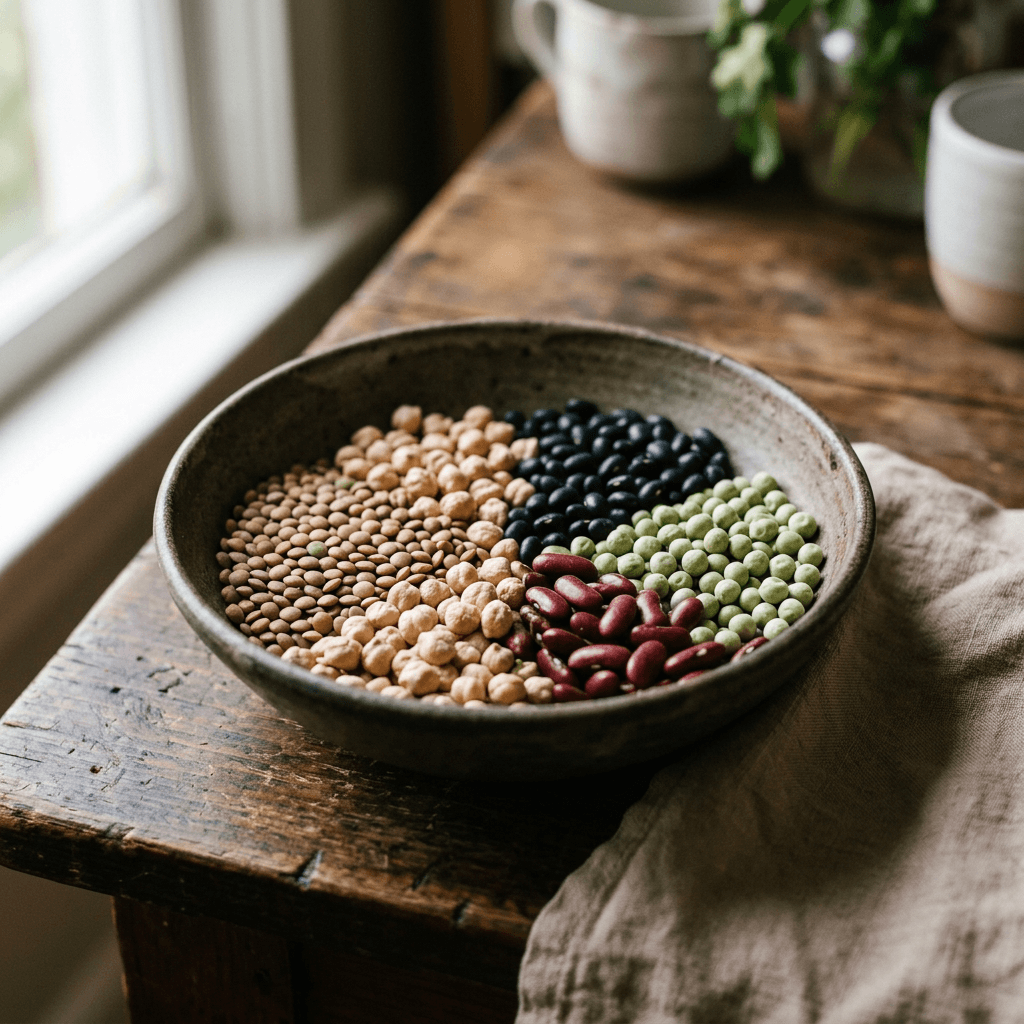
Beans and lentils
Legumes are another valuable source of folate. Good choices include:
Lentils
Chickpeas
Black beans
Kidney beans
Peas
Beans and lentils also provide fibre, plant protein and vitamin B6.
Rather than relying on one particular vegetable or legume, aim to include a wide variety throughout the week. Consistency is far more important than perfection.
Foods that lower homocysteine with vitamin B12
Folate rarely works alone. Vitamin B12 is equally important because it enables homocysteine to be converted back into methionine.
When vitamin B12 is lacking, this recycling process slows, regardless of how much folate is available.
One reason this matters is that vitamin B12 deficiency becomes increasingly common with age. Stomach acid, which helps release vitamin B12 from food, naturally declines over time. Some medications can further reduce absorption, while vegetarians and vegans may consume too little through their diet.
As a result, homocysteine may begin to rise years before the more familiar symptoms of vitamin B12 deficiency appear.
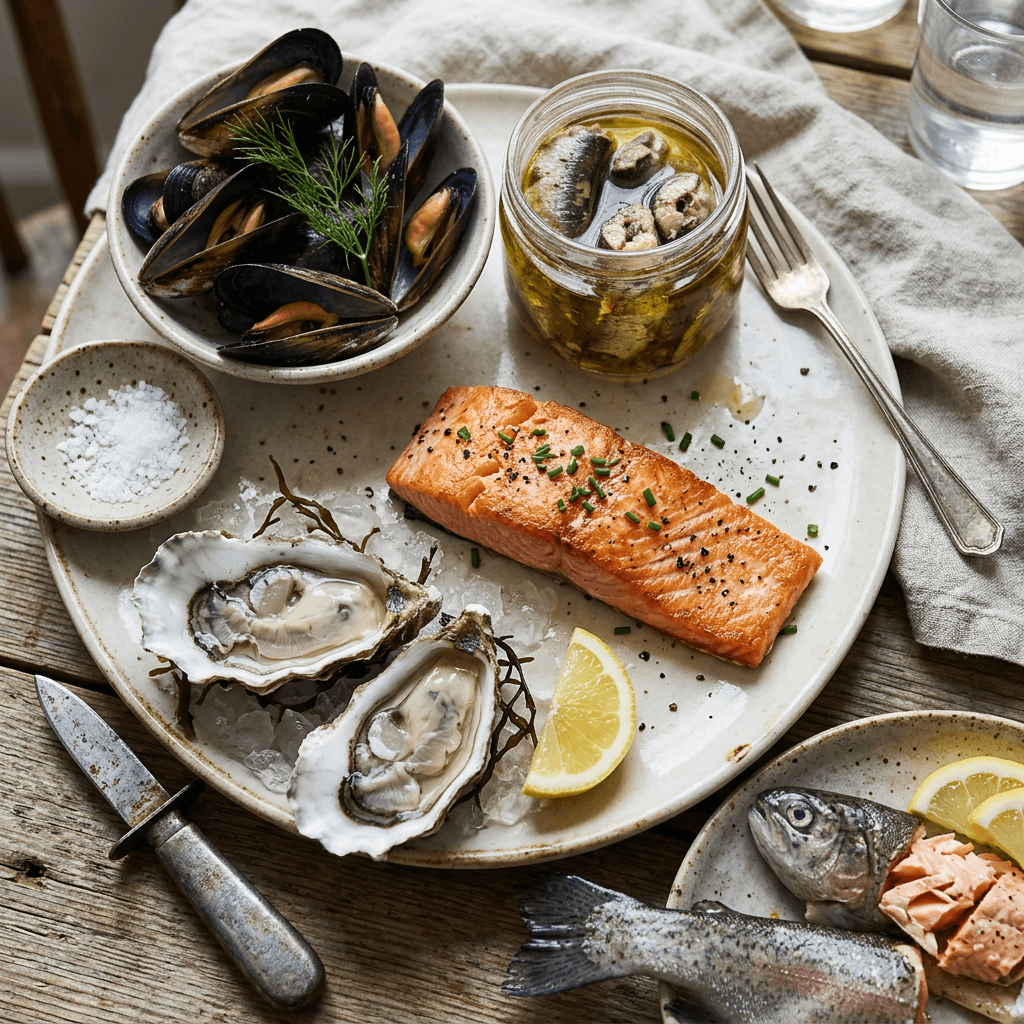
Fish and seafood
Among the richest natural sources of vitamin B12 are fish and seafood, particularly:
Salmon
Sardines
Trout
Mussels
Oysters
Fish also provides omega-3 fatty acids, which may work alongside B vitamins in supporting brain health.
Useful amounts of vitamin B12 are provided by eggs, milk, yoghurt, and cheese.
Eggs are particularly valuable because they also provide choline, another nutrient involved in homocysteine metabolism and healthy methylation.
Meat and liver
Beef, poultry and liver also provide vitamin B12.
For many people, improving dietary intake is an excellent place to start. For others, particularly if absorption has declined, supplementation may become necessary to restore adequate levels.
Foods that lower homocysteine with vitamin B6
Although folate and vitamin B12 receive most of the attention, they are only part of the story.
Vitamin B6 helps direct homocysteine down a different pathway, converting it into cysteine, which is then used to produce glutathione.
Good dietary sources include:
Poultry
Salmon
Tuna
Potatoes
Bananas
Chickpeas
Fortified cereals
Vitamin B6 is found in a wide range of foods, so a varied whole-food diet will usually provide more than relying heavily on one source.
Vitamin B2 foods that lower homocysteine
Riboflavin, better known as vitamin B2, is another nutrient that deserves greater recognition.
It is particularly important for people carrying the common MTHFR C677T genetic variant, where an adequate riboflavin intake may help the recycling process work more efficiently.
Foods containing riboflavin include:
Eggs
Yoghurt
Milk
Mushrooms
Almonds
Beef
Fortified cereals
Looking at nutrients individually is helpful for understanding the biology, but this is not how we eat. Meals contain dozens of vitamins, minerals and plant compounds working together, which is one reason whole-food dietary patterns consistently outperform approaches focused on isolated foods alone.
Choline and betaine foods that lower homocysteine naturally
Your body has a second way of recycling homocysteine that receives far less attention.
This alternative pathway depends on choline and betaine.
Choline supports normal methylation, helps build healthy brain cell membranes and is used to produce acetylcholine, a neurotransmitter involved in learning and memory.
Betaine acts as a methyl donor, allowing homocysteine to be converted back into methionine through a different biochemical route.
Eggs are one of the richest dietary sources of choline, while liver, fish and soybeans also provide significant amounts.
Beetroot, spinach, quinoa and wholegrains contribute valuable sources of betaine.
Thinking about these nutrients together helps explain why no single food can claim to lower homocysteine. Instead, the most effective dietary approach is built around a wide variety of nutrient-dense whole foods, each contributing different pieces of the puzzle.
Foods and habits that may make high homocysteine harder to manage
Supporting healthy homocysteine is not only about what you add to your plate. Certain everyday habits can also make it harder for your body to keep levels under control.
A diet low in vegetables naturally reduces your intake of folate and other B vitamins.
Diets dominated by ultra-processed foods often provide fewer of the vitamins needed for efficient methylation.
Excess alcohol can interfere with the absorption and metabolism of several nutrients involved in homocysteine recycling.
Smoking increases oxidative stress and is associated with higher homocysteine levels.
Coffee deserves a brief mention because the evidence is more nuanced. Moderate coffee consumption has been associated with several health benefits, yet some studies have also shown that high coffee consumption can increase homocysteine.
This does not mean everyone needs to give up coffee, but it strengthens the case for maintaining a good nutritional status if you drink several cups each day.
The aim is not dietary perfection. It is creating the best possible environment for your body’s own recycling system to work efficiently.
Diet is only one part of the picture. Regular exercise, stopping smoking, managing alcohol intake and correcting nutritional deficiencies can all help support healthy homocysteine levels. Learn about these and other evidence-based strategies in our guide to Eight Ways to Lower Your Homocysteine.
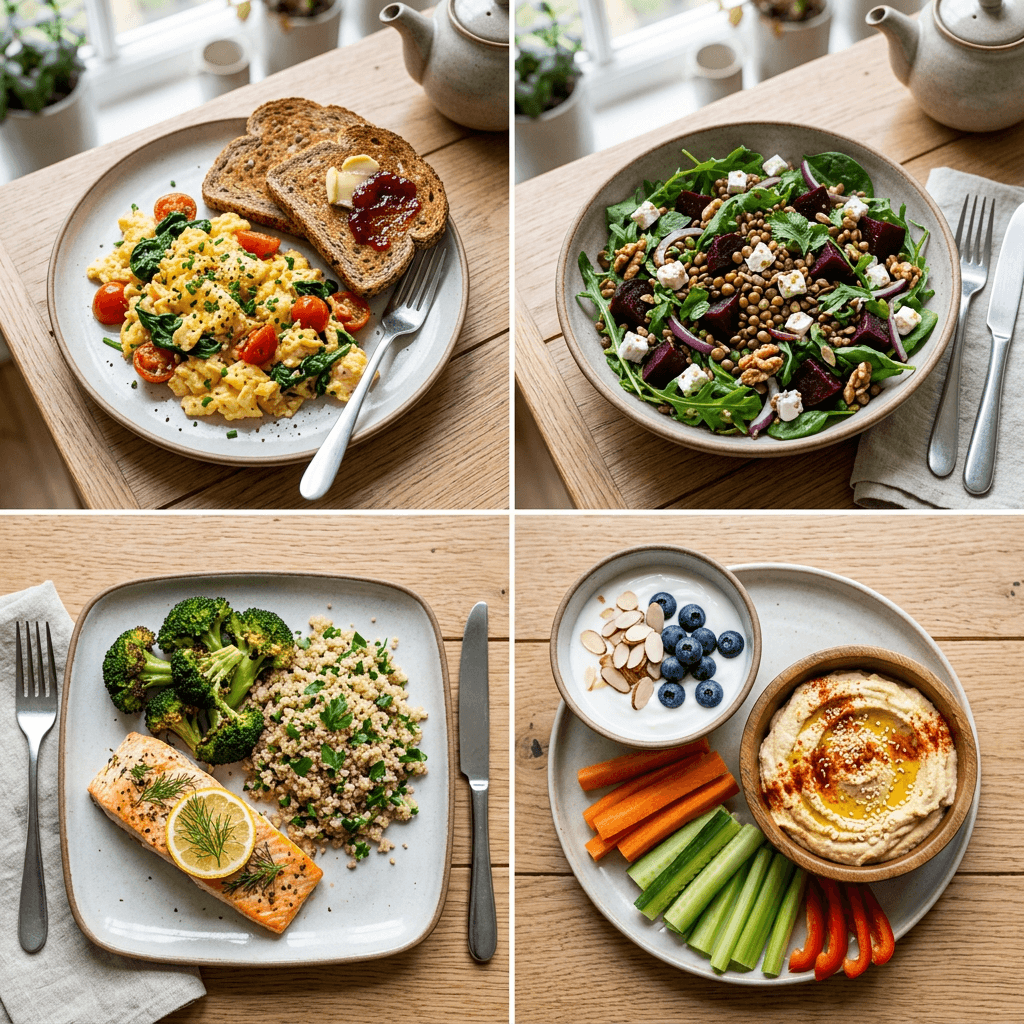
A Sample Day of Eating with Foods That Lower Homocysteine
A meal pattern that supports homocysteine metabolism might include:
Breakfast:Eggs with spinach and wholegrain toast.
Lunch:A lentil, beetroot and leafy green salad.
Dinner:Salmon with broccoli and quinoa.
Snack:Yoghurt with almonds or hummus with vegetables.
This is only an example. The goal is not to follow a rigid meal plan, but to combine foods that provide folate, vitamin B12, vitamin B6, riboflavin, choline and betaine throughout the day.
The best foods to support healthy homocysteine
There is not a single food that lowers homocysteine. Eating a variety of whole foods provides the nutrients your body needs to recycle it efficiently.
Leafy green vegetables such as spinach, kale and broccoli are among the richest sources of folate, while fish, seafood and eggs provide vitamin B12.
Eggs also supply choline, an important nutrient for healthy methylation, and beans and lentils contribute folate and vitamin B6.
Beetroot, spinach and wholegrains provide betaine, which supports an alternative pathway for recycling homocysteine.
Rather than searching for a superfood, build meals around these foods consistently. Together they provide the nutrients your brain and body need to maintain healthy homocysteine metabolism.
Is diet enough to lower high homocysteine?
Improving your diet should always be the foundation. Every meal and snack is an opportunity to provide your body with the nutrients it needs to recycle homocysteine efficiently.
Many people may see meaningful improvements simply by eating more leafy greens, legumes, seafood, eggs and other nutrient-dense whole foods.
However, diet has its limits.
If a blood test shows your homocysteine is above the optimal range, food alone may not be enough to bring it back down.
Poor vitamin B12 absorption becomes increasingly common with age, certain medications interfere with B-vitamin metabolism, and some people have genetic variations that increase their need for specific nutrients.
Even someone eating what appears to be an excellent diet may still require additional nutritional support.
Rather than viewing food and supplements as competing approaches, think of them as working together. A nutrient-rich diet provides the foundation for lifelong health, while targeted supplementation may help correct a nutritional imbalance when diet alone does not achieve the desired result.
One of the encouraging things about homocysteine is that it can respond relatively quickly to the right intervention.
Improvements may begin within a few weeks of increasing key nutrients, although this depends on the underlying cause and how elevated homocysteine was to begin with.
Dietary changes may begin affecting homocysteine within weeks, but retesting after an appropriate interval can show whether the changes have been sufficient.
Food for the Brain recommends a simple approach.
First, test your homocysteine to establish your starting point. If you’re unsure which test to choose or how testing works, read our guide to homocysteine testing.
Next, improve your diet by increasing foods naturally rich in folate and other B vitamins while introducing targeted supplementation where appropriate.
Finally, repeat the test after around three to six months to confirm whether your homocysteine has moved towards a healthier range.
Without measuring it, you do not know whether your strategy is working.
No individual food lowers homocysteine directly or works instantly. Foods rich in folate, vitamin B12, vitamin B6, riboflavin, choline and betaine provide the nutrients your body uses to recycle homocysteine. How quickly your level changes depends on your starting level, nutrient status, absorption, genetics, medications and any underlying medical conditions.
Which vitamin is most important for homocysteine?
Folate, vitamin B12 and vitamin B6 all play important but different roles in homocysteine metabolism. Folate and vitamin B12 help recycle homocysteine back into methionine, while vitamin B6 helps convert it into cysteine. Riboflavin, choline and betaine also support related pathways. For this reason, there is no single vitamin that is universally most important for everyone.
Are eggs good for homocysteine?
Eggs provide vitamin B12, vitamin B6, riboflavin and choline, all of which are involved in homocysteine metabolism. They can form part of a balanced diet that supports healthy homocysteine levels, but eggs alone should not be expected to correct elevated homocysteine.
Is coffee bad for homocysteine?
The evidence is mixed. Moderate coffee consumption has been associated with several health benefits, but some studies suggest that high consumption may increase homocysteine. You may not need to stop drinking coffee, but maintaining a nutrient-rich diet is particularly important if you regularly consume several cups each day.
Can a vegetarian or vegan diet raise homocysteine?
A well-planned vegetarian or vegan diet can provide abundant folate and vitamin B6. However, vitamin B12 is found mainly in animal-derived foods, so people following a vegan diet need a reliable source through fortified foods or supplements. Low vitamin B12 status can contribute to raised homocysteine, even when folate intake is high.
The bigger picture
Homocysteine is more than another blood test. It can indicate whether your body has the nutrients needed to support healthy methylation and long-term brain health.
Unlike many risk factors for cognitive decline, it is measurable, modifiable and measurable again after you have taken action.¹
A nutrient-rich diet should always be the starting point, but if testing shows your homocysteine is above the optimal range, targeted supplementation may be needed alongside dietary changes.
The goal is not simply to eat more spinach, although eating more vegetables is rarely a bad idea.
The goal is to understand what your body needs, measure your progress and know whether the steps you are taking are actually working.
Next steps
If you have not measured your homocysteine, that is the best place to start.
Knowing your level takes the guesswork out of deciding whether dietary changes alone are enough or whether targeted supplementation may be needed.
You can order our accurate at-home Homocysteine Test or choose the DRIfT 5-in-1 Test, which measures homocysteine alongside vitamin D, omega-3 index, HbA1c and glutathione, giving you a broader picture of your brain health.
‘Our Children No Longer Need to Worry About Our Cognitive Decline‘
What one family learned from living through dementia and why they decided to take action.
When dementia affects a family, the impact often extends far beyond the person who receives the diagnosis. Many people begin to worry about cognitive decline, wondering whether it is an inevitable part of ageing or whether there is anything they can do to reduce their risk.In this story, Peter shares how watching his mother develop dementia changed the way he and his wife thought about ageing, why they decided to take a more proactive approach to their brain health, and how that decision ultimately gave their children something they hadn’t expected: peace of mind.
Most people do not start thinking seriously about dementia until it touches someone they love. Yet every day in the UK, around 790 people receive a dementia diagnosis, the equivalent of seven double-decker buses full of families beginning a journey they never expected to take.
Why One Family Decided Not to Worry About Cognitive Decline
For Peter and his family, dementia was not something they read about in the news or encountered through awareness campaigns. It arrived at their front door.
As his mother’s dementia progressed, the family witnessed first-hand how profoundly the condition could affect daily life. For a period, she lived with Peter and his wife, giving them a close-up view of the challenges, heartbreak, and uncertainty that often accompany cognitive decline.
Their children were young when their grandmother first became unwell and were old enough to witness much of what followed. They saw the gradual changes in her memory, independence, and ability to live the life she had once enjoyed. Like many families affected by dementia, they adapted as best they could, but experiences like these leave their mark.
Should You Worry About Cognitive Decline if Dementia Runs in Your Family?
At first, the family’s focus was entirely on supporting a much-loved mother and grandmother. Then, as they watched dementia unfold over many years, the children naturally started asking questions about the future. What would happen to their parents? Was this simply what ageing looked like? Could anything be done to reduce the risk of dementia?
For Peter, this became one of the most difficult parts of the journey.
“It wasn’t fair that they should have this burden so young.”
When his mother died in 2016, he and his wife found themselves reflecting on everything the family had been through. They knew there were no guarantees when it came to health and ageing, but they also felt increasingly uncomfortable with the idea of simply hoping for the best.
Instead, they made a decision. Rather than focusing on what they could not control, they would focus on what they could.
“We decided to do something about it. We wanted to keep our physical and cognitive health together for as long as possible.”
That decision marked the beginning of a journey that continues today.
What to Do Instead of Worrying About Cognitive Decline
Peter’s interest in health had not appeared overnight.
Years earlier, they had discovered Patrick Holford’s work and become increasingly interested in nutrition and healthy ageing. Like many people, they had spent years trying to understand how food, lifestyle, and everyday habits influence long-term wellbeing.
Dementia, however, gave that interest a new urgency, as brain health was no longer an abstract topic. It had become deeply personal.
Instead of feeling powerless, they wanted to understand more about the factors associated with cognitive decline and, more importantly, what practical steps they could take to support healthy brain ageing. This led them to Food for the Brain’s educational resources, the Cognitive Function Test, and DRIfT biomarker testing.
They were not looking for guarantees or predictions about the future. They wanted a clearer understanding of where they stood and, perhaps more importantly, what they could actually do about it.
Measuring What Matters
The first steps? Understanding where they actually stood.
After years of watching dementia affect someone they loved, they wanted more than good intentions. They wanted a clearer picture of their current health and a better understanding of where they should focus their efforts.
The Cognitive Function Test provided one piece of that picture. Having first completed the assessment many years ago, Peter returned to it years later with a renewed interest in dementia prevention and healthy ageing. His score improved from 51 to 73.
The score itself was only part of the story. What mattered more was having a way to check in on how things were going. After everything the family had been through, it felt reassuring to have something tangible to measure rather than simply wondering whether their efforts were making a difference.
Alongside cognitive testing, they also began monitoring several biomarkers associated with brain health through DRIfT testing and implementing the guidance they were given along the way. The results showed encouraging changes across a number of areas:
Key Changes Over Time
From
To
Cognitive Function Test
51
73
Homocysteine
11.9 µmol/L
7.16 µmol/L
HbA1c
5.5%
5.1%
Omega-3 Index
7.69%
10.3%
His homocysteine level proved particularly useful information. Although he had already made a number of dietary and lifestyle changes, his levels remained higher than he would have liked, hovering at around 12 µmol/L across several tests. Regular testing allowed him to identify the issue, make further adjustments, and see how his body responded over time. After introducing vitamin B12, his homocysteine eventually reduced from 11.9 µmol/L to 7.16 µmol/L.
Without testing, he would never have known that this important marker remained elevated, as it is not something you can feel. Equally, without repeating the test, he would never have known whether the changes he made were having the desired effect. never have known whether the changes he made were having the desired effect.
Lifestyle Changes That Reduced Their Worry About Cognitive Decline
There was no single intervention that transformed their health overnight. Instead, they gradually reshaped the way they lived. Ultra-processed foods disappeared from the shopping trolley, wheat was removed from the diet, fermented foods became a regular feature at mealtimes, and targeted supplements were added where testing suggested they might be beneficial. Alongside this, they stayed physically active, walked regularly, and continued to challenge themselves mentally through activities such as completing The Times crossword.
Like many people who successfully improve their health over the long term, they did not follow a perfect plan or look for a magic solution. They focused on making changes they could sustain and enjoy, building habits that fitted naturally into the life they wanted to lead in retirement.
In many ways, their experience reflects what the research increasingly tells us about brain health: it is rarely one single intervention that matters most, but the cumulative effect of multiple factors working together over time, from nutrition and exercise to sleep, metabolic health, social connection, and lifelong learning.
The Difference It Made
Over time, they began to notice subtle shifts. Their thinking felt clearer, they felt more optimistic about ageing, and they gained confidence from seeing improvements in some of the markers they were tracking. Yet perhaps the biggest change was not physical at all. For years, dementia had been something that happened to their family. Now, instead of feeling defined by that experience, they felt they were actively shaping what came next.
The conversations within the family began to change, too. Their children and their children’s partners became more interested in brain health, nutrition, and prevention, turning what began as one family’s experience of dementia into a wider conversation about healthy ageing. Rather than seeing cognitive decline as an inevitable part of getting older, the family started to see it through a different lens, one that recognised the role informed choices can play in supporting long-term brain health.
When asked what has mattered most, Peter does not talk about biomarkers, supplements, or cognitive test scores. He returns instead to the concern that first motivated him and his wife to take action. Watching their grandmother’s decline had left a deep impression on the children, who naturally worried about what the future might hold for their parents. Those concerns did not disappear overnight, but they gradually eased as they saw their parents taking positive action, learning more about brain health, and making it a priority.
Reflecting on everything that had changed, Peter felt one thing stood out above all the others. He said “our children no longer need to worry about our cognitive decline.”
For Peter, that is the result that matters most.
Want to understand your own brain health?
Peter’s experience is not really about a test score, a supplement, or a blood result. Those were simply tools that helped him and his wife better understand their health, make informed decisions, and feel more confident that they were moving in the right direction.
At its heart, this is a story about a family who experienced dementia first-hand and decided not to leave the future entirely to chance. It is about protecting independence, preserving memories, staying connected to the people we love, and approaching later life with greater confidence and optimism.
At Food for the Brain, we believe more people deserve the opportunity to do the same. As a research and education charity, our mission is to make dementia prevention and optimal brain health possible by translating the latest science into practical, accessible actions that people can take today. Through research, education, testing, and behaviour-change programmes, we help people understand their brain health and take positive action while there is still time.
Whether you are simply curious about your brain health or looking for ways to reduce your risk, you can get started by:
Algae Oil vs Fish Oil for Brain Health: What’s the Difference?
If you’ve spent any time reading about brain health, you’ve probably come across omega-3s. When it comes to choosing a source of these essential nutrients, many people weigh up Algae Oil vs Fish Oil. They are one of the most researched nutrients in dementia prevention, cognitive function and healthy ageing, yet one surprisingly common question remains:
Does it matter where your omega-3s come from?
For years, fish oil was considered the gold standard. More recently, algae oil has emerged as an alternative that is popular with vegetarians, vegans and those who simply prefer a tasteless supplement. But does algae oil offer the same brain health benefits as fish oil, or is one genuinely better than the other?
The answer is more interesting than you might think.
Why Omega-3s Matter for Brain Function and Healthy Ageing
When we talk about omega-3s and brain health, we are mainly referring to two fatty acids: EPA (eicosapentaenoic acid) and DHA (docosahexaenoic acid).
DHA is particularly important because it forms part of the structure of brain cells themselves. In fact, DHA is one of the most abundant fats found within the brain, helping maintain healthy cell membranes and supporting communication between neurons.
EPA appears to play a slightly different role. It is involved in regulating inflammation, blood flow and a number of processes linked to mood and cognitive function.
Research has consistently linked higher omega-3 status with better cognitive performance, healthier brain ageing and a lower risk of cognitive decline. Some of the most fascinating findings come from the Oxford VITACOG studies, which examined the relationship between omega-3s, B vitamins and brain ageing.
Researchers found that participants with higher blood levels of omega-3s gained significantly greater benefits from homocysteine-lowering B vitamins than those with lower omega-3 levels. Those with both adequate omega-3 status and B vitamin support experienced slower rates of brain atrophy and reduced cognitive decline compared with those who had lower omega-3 levels [3,4].
Interestingly, emerging research suggests that maintaining adequate omega-3 levels may be particularly important for women. Hormonal changes associated with ageing can influence brain health, inflammation and cognitive resilience, making omega-3 status an important consideration throughout later life. You can learn more in our article on why women’s brains need omega-3 now.
The simple takeaway is that omega-3s appear to be an important part of protecting the brain as we age. They also do not work in isolation. Like most nutrients, they seem to be most effective when part of a wider network of nutrients and healthy lifestyle factors.
Want a quick overview before we compare algae oil and fish oil? This short video explains why omega-3s are so important for brain health and healthy ageing.
Algae Oil vs Fish Oil: What’s the Difference?
Fish oil is extracted from oily fish such as sardines, anchovies and mackerel and has been the most widely used source of EPA and DHA for decades.
Algae oil, on the other hand, is derived directly from marine microalgae.
This distinction is important because fish do not actually produce omega-3 fats themselves. Instead, they accumulate EPA and DHA by consuming algae and other organisms within the marine food chain [5].
In other words, algae are the original source of the omega-3 fats found in fish.
From a nutritional perspective, both fish oil and algae oil can provide the same biologically active forms of omega-3. The main differences relate to dietary preference, manufacturing methods and the specific balance of EPA and DHA provided by individual products.
If you’re considering an omega-3 supplement, it’s worth understanding the differences between EPA and DHA, how much you may need, and what to look for when choosing a quality product. Our comprehensive guide to omega-3 supplements covers the evidence, recommended intake levels and key considerations before you buy.
Algae Oil vs Fish Oil: Key Differences
Fish Oil
Algae Oil
Source
Fish
Marine algae
Vegan-Friendly
No
Yes
EPA & DHA
High
DHA-focused (some EPA)
Taste
May cause fishy aftertaste
Neutral
Sustainability
Varies
More sustainable
Best For
Traditional omega-3 support
Plant-based omega-3 support
Is Algae Oil as Effective as Fish Oil?
Fish oil still has one clear advantage: it has been studied for much longer.
As a result, there is currently a larger body of research investigating fish oil supplementation and health outcomes. That does not necessarily mean fish oil is superior, only that it has a longer research history.
More recently, scientists have started directly comparing fish oil and algae oil. A 2025 human trial found that algae-derived EPA and DHA were absorbed just as effectively as omega-3s from fish oil when equivalent doses were provided [6].
This is an important finding because it suggests the body is able to utilise EPA and DHA from algae in much the same way as EPA and DHA from fish oil. For people who do not eat fish, follow a plant-based diet or simply prefer a tasteless source of marine omega-3s, algae oil appears to be a credible alternative rather than a compromise.
Omega-3s, B Vitamins and Dementia Prevention
There are two topics we love talking about at Food for the Brain: omega-3s and homocysteine. While they might seem unrelated, some of the most exciting dementia prevention research suggests they may be more connected than we once thought.
One reason omega-3s have become such an important focus in dementia prevention research is their relationship with homocysteine. Homocysteine is a naturally occurring amino acid that, when elevated, is associated with a greater risk of cognitive decline and dementia. B vitamins, particularly folate, vitamin B12 and vitamin B6, help keep homocysteine levels under control.
In the landmark VITACOG trial, homocysteine-lowering B vitamins significantly slowed the rate of brain shrinkage in older adults with mild cognitive impairment [1]. Further analysis showed that these benefits were strongest among participants with higher omega-3 levels [3,4].
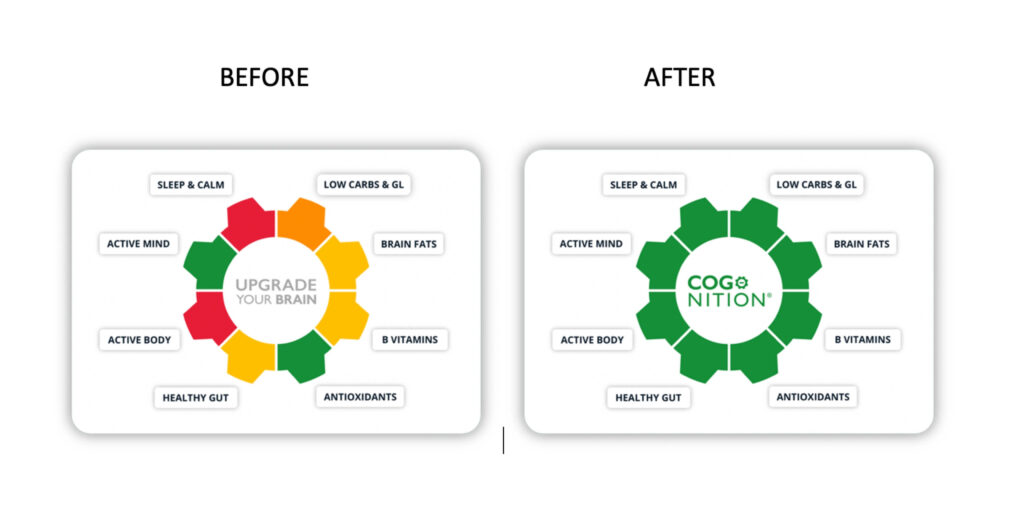
This helps explain why many practitioners now assess both homocysteine and omega-3 status when considering an individual’s long-term brain health. This highlights an important lesson in nutrition: it is rarely one nutrient acting alone. The greatest benefits usually come from the interaction between multiple nutrients and healthy lifestyle factors working together. (Which is why we have our 8 nutrition and lifestyle domains in the COGNITION online community and programme.)
Don’t Guess Your Omega-3 Status
One of the biggest misconceptions about omega-3 supplementation is that taking a supplement automatically means your levels are optimal.
In reality, omega-3 status varies considerably from person to person. Genetics, absorption, diet, dosage and supplement quality can all influence the amount that ultimately reaches your bloodstream. Two people taking the same supplement may achieve very different results.
That is why, at Food for the Brain, we believe testing is often more useful than guessing.
The DRIfT test measures several important biomarkers linked to brain health, including omega-3 status, homocysteine, vitamin D, HbA1c and glutathione. Rather than assuming your current diet or supplement routine is working, testing can help identify where support is needed and allow you to take a more personalised approach to protecting your brain health.
Algae Oil and Fish Oil: Key Takeaways for Cognitive Health
Both fish oil and algae oil provide the EPA and DHA associated with healthy brain ageing and cognitive function.
Fish oil remains the most extensively studied source and continues to have the largest body of evidence behind it. However, current research suggests that algae oil can raise blood levels of EPA and DHA just as effectively, making it a viable option for those who prefer not to use fish-derived products [6].
Perhaps the most important lesson from the research is that taking an omega-3 supplement is only part of the story. What ultimately matters is whether those omega-3s are reaching meaningful levels in your bloodstream and, ultimately, your brain.
The real question might not be whether your omega-3 comes from fish or algae.
The real question is whether your brain is getting enough.
Food for the Brain is a not for profit educational and research charity that offers a free Cognitive Function Test and assesses your Dementia Risk Index. This allows them to advise you on how to dementia proof your diet and lifestyle.
Chromium, Blood Sugar and Brain Health: The Overlooked Connection
How Blood Sugar Regulation Affects Brain Function?
When people think about protecting their brain, they often focus on keeping mentally active, reducing alcohol, or hoping they avoid dementia as they get older, somehow? But nutrients and minerals like chromium may also play a role in brain health.
Few think about blood sugar.
Yet every thought, memory, conversation, and decision relies on a constant supply of energy. Increasingly, researchers are discovering that how effectively we regulate blood sugar and respond to insulin may play an important role in how our brains function and age. (1)
This is where chromium enters the story.
Although only required in tiny amounts, chromium plays an important role in normal carbohydrate, fat, and protein metabolism. Its best understood role is helping insulin do its job more effectively. Insulin is the hormone that helps move glucose from the bloodstream into cells, where it can be used for energy, and chromium appears to support this process. (2)
The Brain’s Energy Demand and Glucose Supply
The brain represents only around 2% of body weight, yet uses roughly 20% of the body’s energy. (3) To function properly, brain cells require a continuous supply of fuel. Most of the time, that fuel comes from glucose, although the brain can also use ketones under certain circumstances.
When insulin is working well, glucose can be transported efficiently to the cells that need it. When cells become less responsive to insulin, a state known as insulin resistance develops. Blood sugar levels may rise, inflammation can increase, and energy production becomes less efficient.
Importantly, insulin resistance does not just affect muscles, fat tissue, and the liver. It also affects the brain.
Researchers have linked impaired insulin signalling with changes in brain structure and function, while people with type 2 diabetes consistently show a higher risk of cognitive decline and dementia than those with healthy glucose regulation. (4)
This growing body of evidence is changing how scientists think about brain health. Protecting the brain is not only about keeping it stimulated and active. It also depends on how effectively the body produces, regulates, and delivers energy to brain cells throughout life.
Chromium and Blood Sugar Regulation
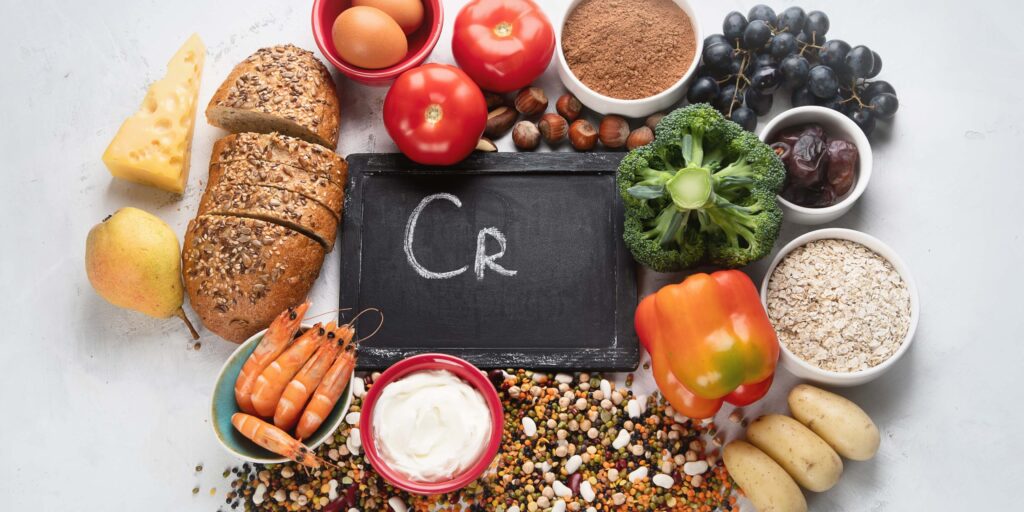
Chromium is found naturally in foods including shellfish, meat, eggs, broccoli, and whole grains.
In terms of how it works, you can think of insulin as a key trying to unlock the door to a cell, and chromium appears to help that key work more efficiently, allowing glucose to move where it is needed and be used for energy. (2)
This has led researchers to investigate whether chromium supplementation might support healthy blood sugar regulation. Results have been mixed, but overall, the evidence suggests chromium may help improve fasting glucose in some individuals, particularly those with impaired glucose control or type 2 diabetes. (5)
That does not make chromium a miracle nutrient, nor does it mean everyone should supplement with it. What it does suggest is that even relatively small nutrient deficiencies may influence how effectively the body’s blood sugar regulation systems operate.
Insulin Resistance, Dementia and Brain Health
Unlike omega-3 DHA and B vitamins, which work together to support the formation, maintenance, and communication of brain cells, chromium’s role appears to be less about building brain tissue directly and more about helping to regulate the energy supply those cells depend upon.
Its potential relevance lies in the fact that the brain is one of the most energy-demanding organs in the body. If insulin resistance increases the risk of cognitive decline, it is reasonable to ask whether nutrients involved in healthy insulin function might also matter for long-term brain health.
We do not yet have evidence that chromium supplementation directly reduces dementia risk. However, the connection between insulin resistance and brain health is now difficult to ignore, making nutrients that support healthy glucose regulation increasingly worthy of attention.
In other words, chromium is interesting not because it is a brain nutrient, but because it sits within a system that appears to be highly relevant to how the brain functions and ages.
Chromium, Mood and Sugar Cravings
Interestingly, chromium’s effects may extend beyond glucose regulation.
Several small studies have explored chromium supplementation in people with atypical depression, particularly where symptoms include fatigue, increased appetite and carbohydrate cravings. Some reported improvements in mood and reductions in cravings, while researchers have also proposed possible effects on neurotransmitter systems involved in mood regulation. (6)
These studies are small and far from definitive, but they point towards something that is becoming increasingly clear: metabolism and mental health may be far more connected than we once believed. So much so that entire fields such as metabolic psychiatry and nutritional psychiatry have emerged in recent years. Researchers including Christopher Palmer and Georgia Ede are helping to challenge the idea that mental health exists solely in the brain, highlighting the important role that blood sugar regulation, nutrient status, inflammation and cellular energy production may play in our mental health and resliency.
Why Metabolic Health and Chromium Matters for the Brain
The story of chromium is not really about chromium.
It is about systems.
For decades we have tended to separate brain health from metabolic health. We talk about memory, dementia and cognition on one side, and blood sugar, insulin and diabetes on the other.
Increasingly, the science suggests these systems are deeply interconnected.
Reducing excess sugar intake remains one of the most important things we can do for long-term health. But this also raises an interesting question. What if someone is already eating relatively well, yet their blood sugar regulation remains less than optimal? Could nutrient status be part of the picture?
Chromium is unlikely to be the missing piece for everyone. In fact, many multivitamins already contain small amounts. But it serves as a useful reminder that healthy insulin regulation depends on more than simply avoiding sugar. It relies on a network of nutrients, hormones and metabolic processes working together.
This is one reason we include HbA1c in the DRIfT blood test. HbA1c provides insight into how effectively blood sugar has been regulated over the previous two to three months and can help identify an often-overlooked aspect of brain health long before symptoms appear.
It is a free validated online assessment that gives you personalised results on your current brain health and the simple things you could do to improve it.
Food for the Brain is a not for profit educational and research charity that offers a free Cognitive Function Test and assesses your Dementia Risk Index. This allows them to advise you on how to dementia proof your diet and lifestyle.
Why “Normal” Vitamin D Levels May Not Be Protective for Women’s Brains
Science now recognises Vitamin D as far more than a bone-health nutrient. Over the past decade, it has become increasingly clear that vitamin D acts as a hormone regulator, playing an important role in brain health, immune regulation and inflammation, especially when considering optimal vitamin D levels for women’s brains.
What is discussed far less, is a more nuanced question…
If vitamin D matters for the brain, how much is actually enough and do vitamin D levels differ for women?
A growing body of research links lower vitamin D status with a higher risk of cognitive decline and Alzheimer’s disease. Yet most guidance still relies on population-based “normal” ranges that were never designed to protect the brain. This raises an important prevention question for women, who already carry a higher lifetime risk of Alzheimer’s disease.
What the research shows
A systematic review and meta-analysis in 2025 by Li et al. examined the relationship between circulating vitamin D levels and Alzheimer’s disease risk across multiple observational studies (1).
The findings were consistent:
• Lower vitamin D levels link to a higher risk of Alzheimer’s disease. • Risk increased progressively as vitamin D levels declined • Researchers observed this association across different populations and study designs.
Crucially, the authors did not claim that vitamin D deficiency causes Alzheimer’s disease. Instead, vitamin D status appears to track biological vulnerability in the brain and reflects processes such as neuroinflammation, immune dysregulation and vascular dysfunction, all recognised contributors to cognitive decline.
This distinction matters for prevention.
Why these findings matter particularly for women
Women account for around two thirds of Alzheimer’s diagnoses worldwide. Longevity alone cannot explain this difference.
Across midlife and later life, women experience biological changes that alter how the brain responds to metabolic, inflammatory and hormonal stress. The menopausal transition is a key inflection point. Declining oestrogen and progesterone influence immune signalling, cerebral blood flow and brain energy metabolism, all of which intersect with established dementia risk pathways (3). This helps explain why midlife can be a turning point for brain health in women, even when blood test results appear “normal”.
Vitamin D functions as a hormone-like regulator, with receptors widely distributed throughout the brain and immune system. Its actions include modulation of inflammatory responses, immune balance and neuronal protection. Hormonal changes appear to influence how effectively vitamin D signalling is utilised at a tissue level. This is supported by experimental and clinical research showing interactions between oestrogen, vitamin D receptors and immune signalling, although this is not always directly measured in large population studies. In practical terms, this means that a vitamin D level considered “normal” for the general population may not confer the same degree of neuroprotection in the ageing female brain.
This does not mean vitamin D requirements are definitively higher for every single woman, or that everyone should take high-dose supplementation. Excessive intakes via supplementation over time can be harmful, which is why context, testing and appropriate dosing matter.
Prevention works best when it’s personal, based on what’s happening in your own brain and body, not just what’s considered “normal.”
The problem with “normal” ranges for vitamin D for women’s brains
Researchers established vitamin D reference ranges primarily to prevent overt deficiency-related disease, particularly rickets and osteomalacia. They did not design these ranges to define optimal levels for long-term brain resilience.
Population reference ranges do not account for factors that strongly influence dementia risk, including:
Genetic variation in vitamin D metabolism and receptor activity
As a result, vitamin D levels that fall within the laboratory “normal” range may still exist within a biological environment that favours cumulative brain damage over time. This limitation is not unique to vitamin D. It reflects a broader problem with single-nutrient or single-cause thinking in Alzheimer’s prevention.
Vitamin D does not act alone in protecting women’s brains
Vitamin D is not an isolated lever in brain health. Low vitamin D status frequently clusters with other modifiable biological risk factors, including:
• Low omega-3 fatty acid status • Raised homocysteine, reflecting impaired B vitamin-dependent methylation, a process essential for maintaining brain cells • Poor blood sugar control • Reduced antioxidant capacity, including glutathione availability
Each of these factors independently links to cognitive decline. More importantly, they interact within the brain.
Alzheimer’s disease does not arise from a single deficiency, a single gene or one pathological protein. It reflects the cumulative impact of multiple biological systems drifting out of balance over years or decades. This is why interventions that target a single marker so often produce disappointing results.
Prevention requires a broader, systems-based view.
Once you see vitamin D in this broader context, it becomes clear why testing a single marker in isolation can only ever give partial answers.
From nutrients to prevention systems
Testing vitamin D alone can identify a deficiency, but it cannot tell you whether the brain’s key protective systems are functioning together.
A prevention-led approach asks different questions:
How well is inflammation being regulated?
Are brain cell membranes supported by sufficient essential fats?
Is methylation, the nutrient-dependent process that supports DNA repair, neurotransmitter balance and brain structure, functioning effectively?
To what extent is blood sugar quietly damaging brain neurons over time?
These are not abstract concepts.
They are measurable, modifiable drivers of dementia risk that we assess through our at-home DRIfT blood test.
A smarter way to assess brain health
Many people reading this will have been told their vitamin D is “fine”. They may spend time outdoors, eat well, and still feel tired, foggy or not quite themselves. The problem is not that vitamin D doesn’t matter. It’s that a single number rarely tells the full story.
This systems-based understanding underpins our work at Food for the Brain. It is the heart of prevention.
Prevention is not about chasing one “perfect” nutrient level or one lifestyle change.
It is about understanding how your body works as one connected system and acting early enough to change the trajectory.
If you want to begin supporting and upgrading your brain today:
Complete the Cognitive Function Test today if you haven’t done so yet. It is free to everyone, validated and provides personalised insights into your current brain health.
Order your at-home DRIfT blood test to assess the key biological drivers of cognitive decline, including vitamin D, omega-3, homocysteine, blood sugar control and antioxidant status. Together, these results give you the information you need to move from awareness to meaningful prevention.
Food for the Brain is a not-for-profit educational and research charity that offers a free Cognitive Function Test and assesses your Dementia Risk Index to be able to advise you on how to dementia-proof your diet and lifestyle.
By completing the Cognitive Function Test you are joining our grassroots research initiative to find out what really works for preventing cognitive decline. We share our ongoing research results with you to help you make brain-friendly choices. Please support our research by becoming a Friend of Food for the Brain.
Why Gut Health Matters for Brain Health More Than You Think
Why Some Brains Improve and Others Don’t
Many people are doing more than ever to protect their brain. They eat well. Take supplements. Exercise. Stay mentally active.
Yet outcomes vary dramatically.
Some improve. Others stall. A few decline despite doing everything “right”.
The missing question is not what else to add, but what environment those interventions are landing in.
Cognitive decline rarely stems from one isolated failure. It emerges when the body’s internal environment no longer supports protection, repair, and resilience. This systems-based understanding underpins the work of Food for the Brain, and explains why gut health plays a central role in our COGNITION brain upgrade programme.
The terrain model of brain health
In medicine, there is a long-established principle that disease does not arise from a trigger alone, but from the biological environment in which that trigger operates. This is often described as the terrain.
From a brain health perspective, terrain includes inflammatory load, metabolic health, immune balance, nutrient availability, and cellular repair capacity. These systems interact constantly. When they stay in balance, the brain shows remarkable resilience. When they become disrupted, vulnerability increases.
Neurodegenerative conditions, including Alzheimer’s disease, are now understood to arise from multiple interacting biological pressures rather than a single pathological process. Many of these systems are shaped upstream by gut related processes.
The gut as a regulator, not a root cause
The gut is often discussed as if it were a standalone digestive organ. In reality, it plays a regulatory role in shaping systemic inflammation, metabolic function, and immune signalling.
When gut barrier integrity is compromised, bacterial components such as lipopolysaccharides can enter circulation. This process increases immune activation and drives chronic low-grade inflammation, a state strongly associated with insulin resistance and cognitive decline [1,2].
In this context, gut dysfunction is not “causing” brain disease. It is influencing the conditions in which brain protection and repair either succeed or struggle.
Why prevention struggles in an inflamed system
Brain health interventions that we talk about here at Food for the Brain do not operate in isolation. Their effectiveness depends on the biological environment in which they are applied.
This is particularly clear in nutritional research.
B vitamin supplementation has been shown to slow brain atrophy, but only in individuals with raised homocysteine levels and a metabolic environment that allows normal methylation processes to function [3]. Similarly, omega 3 fatty acids support neuronal membrane structure and signalling, yet their cognitive benefits are reduced in the presence of inflammation and insulin resistance [4].
Inflammation interferes with digestion, absorption, transport, and cellular uptake of nutrients. Pro inflammatory cytokines also impair intracellular metabolic pathways, shifting the body toward defence rather than repair. In this terrain, even well evidenced interventions may have limited effect.
The same principle applies to lifestyle strategies. Physical activity, cognitive stimulation, and stress reduction are all protective, but their impact is blunted when inflammatory and metabolic pressures remain unaddressed. That is why in COGNITION we target all 8 modifiable nutrition and lifestyle factors, so that you are not just targeting a specific nutrient but you are changing the environment.
Microbes, inflammation, and brain vulnerability
Human studies consistently show that individuals with cognitive impairment or Alzheimer’s disease have altered gut microbiome profiles alongside higher levels of systemic inflammatory markers [5].
This does not demonstrate that microbes cause dementia. What it does show is that microbial imbalance contributes to inflammatory load, which in turn increases brain vulnerability.
Over time, this vulnerability can translate into accelerated cognitive decline.
For this reason, the COGNITION brain upgrade programme actively addresses gut health as one of eight modifiable factors that influence dementia risk. Gut microbes actively shape the internal environment in ways that can either accelerate neurodegeneration or help slow it.
The metabolic bridge between gut and brain
The gut also plays a critical role in metabolic regulation.
Chronic gut driven inflammation worsens insulin resistance, reducing glucose uptake by brain cells. Impaired brain glucose metabolism is a recognised feature of cognitive decline and has led some researchers to describe Alzheimer’s disease as a form of brain specific metabolic failure [6,7].
In this model, the gut is not peripheral. It contributes upstream to the metabolic conditions that determine whether the brain can access adequate fuel to function and repair.
Again, the implication is not that gut health alone determines brain fate. It is that brain health strategies are less effective when the metabolic and inflammatory terrain is unfavourable.
Why Brain Health Advice Works for Some People and Not Others
A terrain based perspective offers something often missing from prevention conversations.
Understanding.
When people follow advice carefully and still do not improve, clinicians too often frame the explanation as lack of compliance or genetics. Systems thinking offers a different interpretation.
The tools may be appropriate but the environment may not yet support repair.
This reframes prevention as a personalised process rather than a universal checklist. Understanding an individual’s internal terrain helps identify where effort should go.
This is why Food for the Brain offers two complementary forms of assessment: the free, validated Cognitive Function Test and optional at home blood testing to assess key modifiable risk markers such as homocysteine, omega 3 status and glutathione.
The answer is not found in one nutrient
Viewing brain health through a terrain lens shifts prevention away from adding isolated solutions and toward restoring balance across systems.
The future of brain health does not lie in targeting one nutrient, one habit, or one molecule.
It lies in creating an internal environment where protection, repair, and resilience are possible.
Brains do not fail because one thing goes wrong. They decline when the terrain no longer supports them.
And that terrain forms quietly and cumulatively long before symptoms appear.
Next Steps
Learn more about how gut health impacts brain health in our upcoming webinar here
Order your at home blood test here to get more personalised data on your body and contribute to our on going research
Food for the Brain is a not-for-profit educational and research charity that offers a free Cognitive Function Test and assesses your Dementia Risk Index to be able to advise you on how to dementia-proof your diet and lifestyle.
By completing the Cognitive Function Test you are joining our grassroots research initiative to find out what really works for preventing cognitive decline. We share our ongoing research results with you to help you make brain-friendly choices. Please support our research by becoming a Friend of Food for the Brain.
The GL of Your Diet Determines Your Future Dementia Risk
by Patrick Holford
Why Blood Sugar Exposure Matters More Than Sugar Itself
Your brain uses more glucose for energy than any other organ in the body.
From that simple fact comes a widespread assumption: that sugar fuels the brain and therefore more sugar must mean more mental energy.
In reality, the opposite appears to be true.
A large new study shows that the glycaemic load (GL) of your diet, which reflects how much glucose you expose your bloodstream to over time, is strongly linked to your future risk of dementia. The higher the glycaemic load, the higher the risk.
In this study, people consuming more than 110 GL units a day had a 13% higher risk of developing dementia. Those consuming less than 49.3 GL units a day had a 17% lower risk. In other words, the difference between a high GL diet and a low GL diet translated into a 30% swing in dementia risk.The study, published in the International Journal of Epidemiology, analysed dietary data from over 200,000 UK Biobank participants in 2011–12 and followed them for more than a decade to see who did, and did not, develop dementia (1).¹
Most people’s diets exceed 100 GL units a day. I have been advocating a daily intake of around 45 to 60 GL units since the 1990s. To understand why this matters, and what it means for what you eat, it helps to understand what GL actually is.
How Much Sugar Your Body Really Needs
As petrol is for your car, glucose is the primary fuel for your body. Glucose is the main fuel used by all cells.
There is also another fuel, ketones, much like cars can also run on electricity. We too are metabolic hybrids.
Now here is an astonishing fact. Your body contains around 100,000 kilometres of blood vessels. Your brain alone has around 1,000 kilometres of them. These vessels supply energy to around 30 trillion cells, each containing roughly 1,000 mitochondria, the tiny energy factories that power life.
And yet, across this entire system, there only needs to be around 4 grams of glucose in your bloodstream at any one time. That is one teaspoonful. That is all that is required for every cell in your brain and body to have energy at that moment.²
GL is a measure of how much glucose enters your bloodstream after eating or drinking a food. If there is not much glucose in the food, and you use it quickly, perhaps by moving or exercising, blood sugar levels stabilise rapidly.
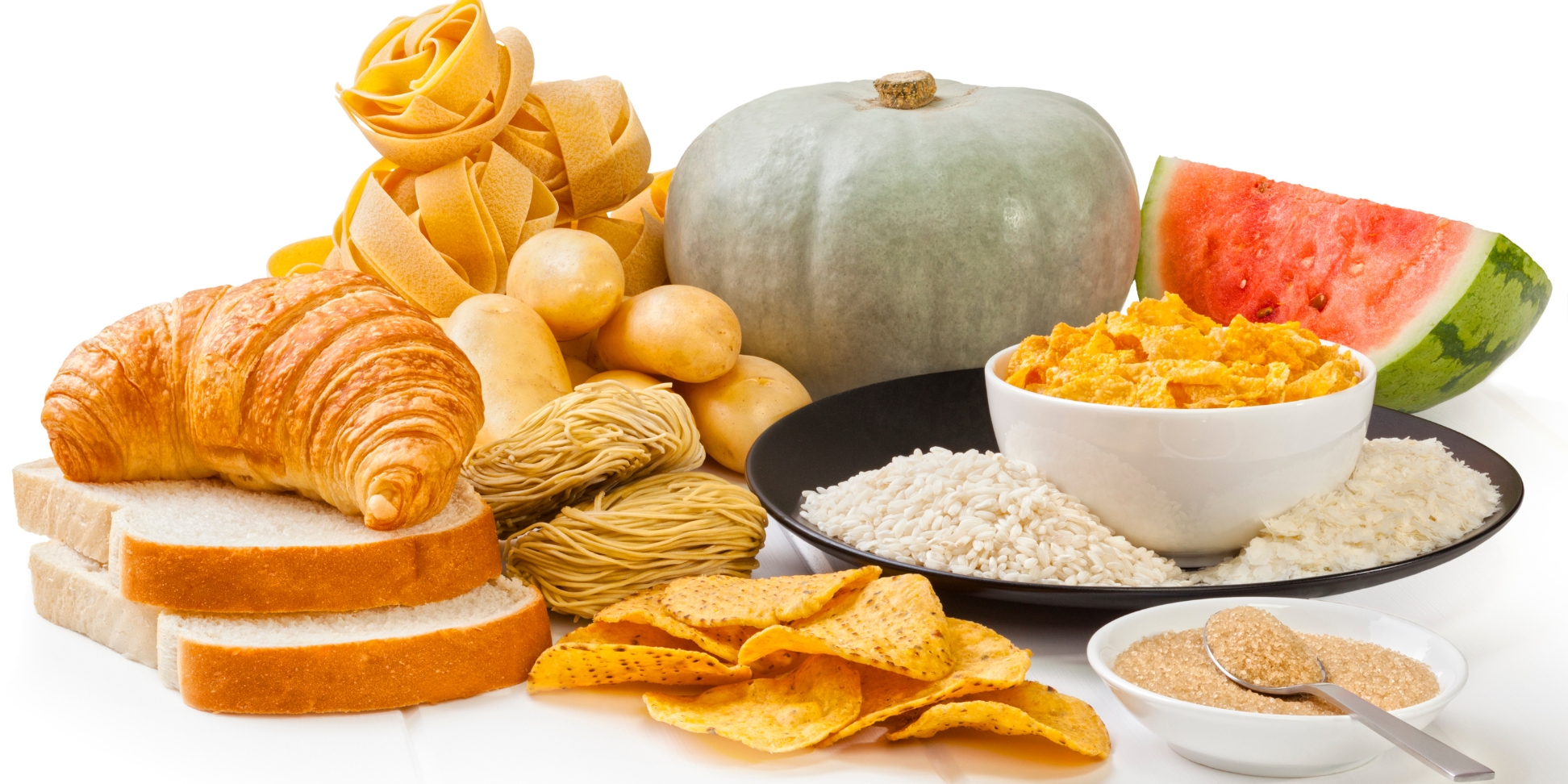
The glycaemic load of a food depends on two things: • the quality of the carbohydrate • the quantity eaten
Quality refers to how fast glucose is released, known as the glycaemic index (GI). Fibre and protein slow this release. This is why white rice has a higher GI than brown rice, which contains fibre. Eat rice with fish, beans or meat, and the protein slows the release further.
GL also depends on portion size. A small serving of brown rice with fish is low GL. A large serving of white rice, even with fish, is high GL.
When Glucose Becomes Toxic to the Brain
What happens if you consume far more glucose than the body needs?
A can of sugary fizzy drink contains around 35 grams of sugar. That is roughly nine times more glucose than the total amount normally circulating in your bloodstream.
This excess is toxic. It damages blood vessels and the tissues they supply. Diabetes is diagnosed precisely because excess sugar damages the kidneys, eyes and nerves. The brain is no exception.
“The brain needs more energy than any other organ, so it contains the most mitochondria. Sugar damages mitochondria,” says Professor Robert Lustig, Professor of Neuroendocrinology at the University of California, San Francisco. If you have read Upgrade Your Brain or Alzheimer’s: Prevention is the Cure, you will already know that high sugar intake, sugary drinks and ultra processed foods increase dementia risk, worsen memory even in young people, and are associated with measurable shrinkage of brain regions involved in memory in teenagers.
Are You Eating Too Much Hidden Sugar?
The simplest way to assess your long term blood sugar exposure is to measure HbA1c.
HbA1c literally means sugar damaged red blood cells. If more than 6.5% of your red blood cells are sugar damaged, you are diagnosed with diabetes. Above 6% indicates pre diabetes. Even levels above 5.4% in teenagers predict brain shrinkage.
For optimal health you want to be below 5.4%, and ideally below 5%.
HbA1c is such a strong indicator of blood sugar resilience that it is included in Food for the Brain’s 5-in-1 DRIfT home blood test kit.
Balancing Blood Sugar with a Low Glycaemic Load Diet
Let us start with something simple.
An orange contains sugar, but also fibre and micronutrients. The fibre slows sugar release, mainly fructose, which takes time to convert to glucose, while feeding beneficial gut bacteria.
A glass of orange juice, however, contains the sugar of around three oranges, without the fibre. Three times the sugar, with no brakes. Eat your fruit. Do not drink it.
When you eat sugar or starches such as rice, digestive enzymes rapidly break them down into glucose. Protein, by contrast, takes several hours to digest into amino acids. This slows carbohydrate digestion further down the digestive tract.
This leads to a simple rule: eat carbohydrates with protein.
Brown rice releases glucose more slowly than white rice. Add beans, fish or meat, and the release slows further.
From this we can extract three practical rules: • Eat fruit. Do not drink it • Always eat carbohydrate with protein • Make fibre the primary ingredient of every meal
What a Low GL Meal Actually Looks Like
Compare these two breakfasts:
Cornflakes with a banana or Oats with chia seeds and berries
Cornflakes are fast releasing sugar. Oats are slow releasing. A banana raises blood sugar more than two bowls of berries.
Chia seeds, rich in soluble fibre, dramatically slow sugar release. A portion of oats with chia and berries is around 10 GL. Cornflakes and a banana can reach 30 GL.
You want meals around 10 GL and snacks around 5 GL. Three meals and two snacks equals around 40 GL per day.
Eat 40 GL per day to lose weight. Around 60 GL to maintain it.
Eat little and often, and start the day with a low GL breakfast.
A friend of mine, Dr David Unwin, who is a leading diabetes doctor, converted our low GL calculations into ‘teaspoons of sugar equivalent’ to give a visual idea to his diabetic and overweight patients of how sugar is hidden in common foods. See the table below.
Food
GI
Serving size
GL
Teaspoons of sugar
Cereals
Coco Pops
77
30g
20
7.3
Cornflakes
93
30g
22
8.4
Mini Wheats
59
30g
13
4.4
Shredded Wheat
67
30g
14
4.8
Special K
54
30g
12
4.0
Bran Flakes
74
30g
13
4.8
Porridge
63
150ml
6
2.2
Bread
White
71
30g
10
3.7
Brown
74
30g
9
3.3
Rye (69% wholegrain rye flour)
78
30g
11
4.0
Wholegrain barley (50% barley)
85
30g
15
5.5
Wholemeal (stoneground flour)
59
30g
7
2.6
Pitta (wholemeal)
56
30g
8
2.9
Rough oatcake
35
10.4g
2
0.7
Fruit
Banana
62
120g
16
5.9
Grapes (black)
59
120g
11
4.0
Apple (Golden Delicious)
39
120g
6
2.2
Watermelon
80
120g
5
1.8
Nectarines
43
120g
4
1.5
Apricots
34
120g
3
1.1
Strawberries
40
120g
1
0.4
Adapted, with permission, from David Unwin’s charts in the Journal of Insulin Resistance (2016)
The Balance of Your Plate
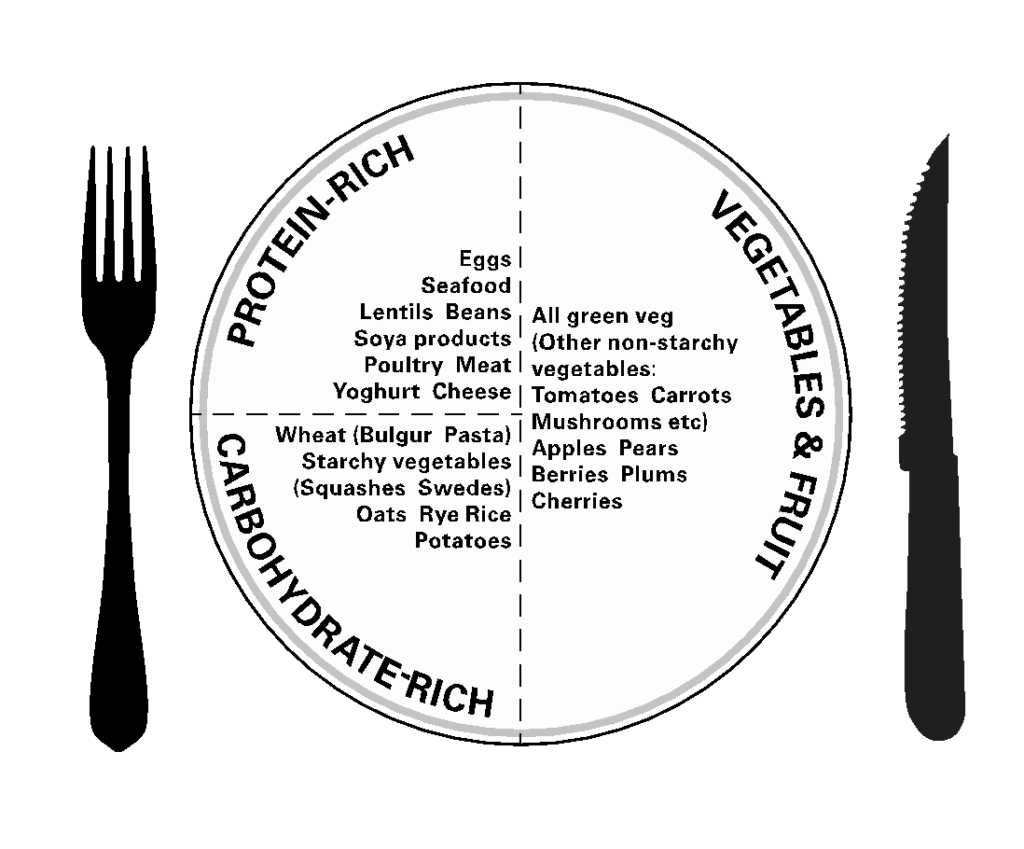
Half your plate should be vegetables and fruit. A quarter should be protein. A quarter carbohydrate.
Vegetables supply antioxidants that neutralise the exhaust fumes produced when mitochondria burn fuel. This becomes more important as we age and mitochondrial efficiency declines.
Protein slows sugar release and provides essential building blocks. Carbohydrate portions must be modest.
Whole grains and starchy vegetables vary widely in GL. Wholemeal pasta and brown basmati rice are far better than white pasta or white rice. Swedes, carrots and squash are better than potatoes. Boiled potatoes are better than baked. French fries are the worst of all. all.
Starchy vegetables and cereals Pumpkin/squash Carrot Swede Quinoa (cooked) Beetroot Cornmeal Pearl barley (cooked) Wholemeal pasta (cooked) White pasta (cooked) Brown basmati rice (cooked) White rice (cooked) Couscous (soaked) Broad beans Sweetcorn Boiled potato Baked potato French fries Sweet potato
7 GL points 1 large serving (185g) 1 large (158g) 1 large serving (150g) 1 large serving (120g) 1 large serving (112g) 1 serving (116g) 1 small serving (95g) half a serving (85g) a third of a serving (66g) 1 small serving (70g) a third of a serving (46g) a third of a serving (46g) 1 serving (31g) half a cob (60g) 3 small potatoes (74g) half (59g) a tiny portion (47g) half
Beans and Lentils: Nature’s Blood Sugar Regulators
Beans and lentils are uniquely effective because they contain both protein and carbohydrate in one food. This keeps their GL low while allowing generous portions.
When combining beans with other starches, reduce the starch portion by half. A cup of lentils with half a cup of rice, not equal amounts.
By applying these principles you can restore blood sugar control, regain energy, reduce dementia risk, reverse type 2 diabetes and improve cognitive clarity.
The Proof Is in Your HbA1c
Red blood cells live for around three months. Follow a low GL diet for three months, then retest HbA1c.
This approach is detailed in The Low GL Diet Cookbook. Specific supplements can accelerate recovery, including fibre such as glucomannan, chromium and cinnamon compounds to improve insulin sensitivity, and HCA from tamarind to promote glucose burning rather than storage.
What to Do Next
If glycaemic load affects dementia risk, the next step is simple: measure, act, and check again.
Test your blood sugar resilience.
HbA1c shows how much sugar damage has occurred over the last three months. It is included in Food for the Brain’s DRIfT 5-in-1 home test, alongside other key brain health markers. If HbA1c is high, a low GL diet gives you a clear way to bring it down.
Check how your brain is functioning now.
The free Cognitive Function Test takes around 20 minutes and provides an objective snapshot of memory, attention and processing speed. Many people spot early changes years before any diagnosis.
Make changes, then retest.
Follow a low GL diet for three months, then re-test HbA1c and cognitive function to see whether the changes are working.
Prevention works best when it is measured.
Food for the Brain is a not-for-profit educational and research charity that offers a free Cognitive Function Test and assesses your Dementia Risk Index to be able to advise you on how to dementia-proof your diet and lifestyle.
By completing the Cognitive Function Test you are joining our grassroots research initiative to find out what really works for preventing cognitive decline. We share our ongoing research results with you to help you make brain-friendly choices. Please support our research by becoming a Friend of Food for the Brain.
A Better Festive Treat: Black Bean Brownies That Support Blood Sugar and Brain Health
If you find yourself craving more sugar at this time of year, there’s nothing wrong with you – your biology is responding to a month where blood sugar swings are almost guaranteed.
But cravings aren’t a sign of weakness. They’re a sign your blood sugar, gut, and brain chemistry are under strain – which is why fibre-rich festive recipes can make such a powerful difference.
This week’s recipe does exactly that. These black bean brownies feel indulgent, but underneath they’re designed to support stable blood sugar, calm cravings, and keep your brain sharper through the most sugar-heavy month of the year.
And yes: they taste genuinely delicious.
Why Sugar Affects Your Brain and Memory
Sugar doesn’t just influence your waistline and energy – it directly affects the structure and functioning of your brain. Glucose is the brain’s primary fuel, but when levels rise too high or fluctuate too quickly, the brain experiences this as stress. Over time, those swings change how the brain ages.
Large population studies show that even slightly elevated glucose levels – levels many people would consider “normal” – significantly increase dementia risk (1). And when HbA1c rises, it shows that your body has been exposed to higher glucose levels over the past 8–12 weeks. This matters because long-term elevated glucose drives inflammation, damages blood vessels in the brain, and accelerates the processes linked to cognitive decline (2).
Even in younger or otherwise healthy adults, small rises in glucose are associated with reduced volume in the hippocampus – the brain’s centre for memory, learning, and emotional regulation (3). This means that sugar isn’t only an issue for diabetes prevention; it’s directly tied to how well your brain can store information, retrieve memories, and stay resilient across your lifetime.
During the festive period, these glucose swings become more common – thanks to grazing, disrupted routines, and richer foods. It’s not the single dessert that matters, but the repeating pattern. And your brain feels every one of those peaks and dips before your waistline every does.
How to Tell If You’re Eating Too Much Sugar (Using HbA1c)
This is where measuring your HbA1c becomes incredibly useful.
HbA1c reflects how much of your red blood cells have been exposed to glucose over the past 8–12 weeks, giving you a true picture of your overall sugar load – not just what you ate yesterday, but whether your body is regularly receiving more carbohydrate than it can comfortably handle. We all have slightly different carbohydrate tolerance, and HbA1c shows you where your line is.
It’s also one of the most powerful early indicators of long-term brain health. Higher HbA1c is linked with faster cognitive decline and a greater risk of dementia, even in people who don’t meet the criteria for diabetes (2). Keeping your sugar intake – and therefore your HbA1c – in a healthy range is a core part of protecting your brain.
But glucose is only one part of the story.
When you look at HbA1c alongside other biomarkers such as homocysteine and the omega-3 index, you get a much richer picture of how well your brain is being supported. These markers reflect inflammation, nutrient status, membrane structure and repair – all of which influence how resilient your brain is to the effects of oxidative stress and high blood sugar. When any of them drift out of range, the brain becomes more vulnerable.
This is exactly why our DRIfT testbrings these three measures together.
Between HbA1c, homocysteine, and omega-3 status, you gain a personalised, science-based understanding of how your current diet and lifestyle are shaping your cognitive future.
And if your HbA1c is starting to rise, it’s an early signal that your brain has been exposed to more glucose than it can comfortably manage – a gentle nudge to make adjustments now, rather than years down the line. Order your DRIfT test here –and for the first time ever – we’ve reduced the DRIfT 5-in-1 test by 20% this weekend to widen access to early detection and support our prevention research.
Why Fibre Helps Reduce Sugar Cravings (Especially in December)
This is the part most people underestimate.
A high-fibre diet:
slows glucose entering the bloodstream,
reduces cravings,
stabilises energy, and
supports better long-term glycaemic control.
A large systematic review published in The Lancet found that diets higher in fibre significantly improved blood sugar control, lowered HbA1c, and reduced diabetes risk (4). During a month where treats are everywhere, fibre becomes one of the simplest tools to protect your metabolic and cognitive health. (Gut health is one of our nutrition and lifestyle domains on our COGNITION™ programme – free to all our FRIENDS)
Which is why these brownies work so well…
Most festive treats are low-fibre and high-sugar – a combination that sends cravings soaring.
These brownies flip that on its head.
With black beans, oats, and chicory root syrup, each brownie contains:
~5.4g fibre
~3g protein
~6g fat
~9g carbs
low GL (≈ 3.9)
This gives you the sweetness without the spike – and the fibre slows digestion so you don’t end up reaching for “just one more”.
Serve them with thick Greek yoghurt and fresh raspberries for extra balance and natural sweetness.
High-Fibre Black Bean Brownie Recipe (Low GL, Gluten Free)
Ingredients
1 tin black beans, drained & rinsed very well
6 tbsp cocoa powder (30g)
40g oats
1 egg
1/4 tsp salt
4–6 tbsp sweetener of choice (chicory syrup or brown-sugar substitute work well)
4 tbsp coconut oil
2 tsp vanilla extract
1/2 tsp baking powder
Method:
Preheat oven to 170°C. Blend all ingredients in a food processor until completely smooth. Pour into a lined 8×8 tin. Bake for 15–18 minutes. Cool for at least 10 minutes before slicing. If still soft, chill in the fridge overnight – they firm up beautifully.
Check Your HbA1c, Omega-3 and Homocysteine With Our DRIfT Test
Fibre-rich recipes can help – but the real insight comes from knowing your HbA1c.
Our DRIfT 5-in-1 at home blood test measures your:
Food for the Brain is a not-for-profit educational and research charity that offers a free Cognitive Function Test and assesses your Dementia Risk Index to be able to advise you on how to dementia-proof your diet and lifestyle.
By completing the Cognitive Function Test you are joining our grassroots research initiative to find out what really works for preventing cognitive decline. We share our ongoing research results with you to help you make brain-friendly choices. Please support our research by becoming a Friend of Food for the Brain.
References:
Crane PK et al. Glucose levels and risk of dementia. N Engl J Med. 2013;369(6):540–548.
Rawlings AM et al. Diabetes, prediabetes and cognitive decline. Diabetes Care. 2019;42(7):1217–1224.
Kerti L et al. Higher glucose levels relate to lower hippocampal connectivity and cognition. Neurology. 2013;81(20):1746–1752.
Reynolds A et al. Carbohydrate quality and human health: systematic review. Lancet. 2019;393(10170):434–445.
by Cath Verner & Research and Communications, Food for the Brain Foundation
Food for the Brain joins Europe’s mission to understand how everyday habits protect cognitive health.
At Food for the Brain, research and education go hand in hand.
Every Cognitive Function Test or at home blood test completed, every dataset analysed, brings us closer to one clear goal. That goal is preventing cognitive decline and dementia through a better understanding of nutrition and lifestyle.
After announcing our game changing Innovate UK grant and research project, we have also been working hard as part of a European effort to understand and improve brain health.
A shared European vision for brain health
Earlier this year, Food for the Brain joined NutriBrain, a pan-European research initiative uniting 15 projects across 22 countries. From Norway to Spain, Austria to Italy, scientists are examining how diet, movement, sleep and social connection influence the ageing brain.
The initiative was officially launched in Oslo at a meeting hosted by the Research Council of Norway. Researchers from across Europe gathered to share data and plan the next phase of collaboration. The goal: scientists from nutrition, medicine and technology all working towards a common vision – longer, healthier brain health and function.
Projects include BOOMERANG, exploring the impact of B-vitamins and omega-3 fatty acids. PrecisePrevent is studying how physical activity and social engagement influence cognition. ALPHA-FIT is examining exercise in conditions such as Parkinson’s disease. Together they form a network dedicated to translating science into practical, evidence-based prevention – that we can share with you!
OptimaMind: aligning eating patterns with brain biology
Among these projects is OptimaMind, led by Professor Jędrzej Antosiewicz at the Medical University of Gdańsk, with partners in Italy, Austria, Estonia, and Food for the Brain. The OptimaMind consortium includes the Medical University of Gdańsk, the Università Politecnica delle Marche in Italy, the Medical University of Graz in Austria, and the Tallinn University of Technology in Estonia. It also includes the Polish biomedical company Masdiag and Food for the Brain.
At Food for the Brain, we talk a lot about what to eat to support your brain. But what is interesting about this research with OptimaMind, is that we get to investigate time-restricted eating. It explores how the timing of your foods impacts your brain health. Time restricted eating isn’t fasting; it’s an approach that limits food intake to specific hours of the day. This research is investigating whether aligning meals with the body’s natural circadian rhythms can reduce inflammation, enhance metabolic efficiency, and support cognitive performance.
For the brain, this matters enormously. When blood sugar (glucose) is well regulated, the brain receives a steady, reliable fuel supply. When it isn’t, energy dips can lead to fatigue, forgetfulness and eventually, damage to brain cells. Oxidative stress, the build-up of “wear and tear” from energy production, is another key driver of brain ageing. Time-restricted eating may help reduce this stress, supporting stronger, more resilient neurons over time. In short, the project asks whether when we eat could be as important as what we eat for long-term brain health.
Our contribution: measuring cognition across Europe
Food for the Brain’s validated Cognitive Function Test(which you can complete for yourself right now – if you haven’t already) is being used within OptimaMind to measure changes in cognition before and after intervention. These results will be combined with blood biomarker data to explore how nutrition and lifestyle translate into measurable effects on brain and metabolic function.
The same digital tools used daily by thousands of our supporters are now being applied in university and clinical settings across Europe – a clear example of how citizen science is powering international research and change.
Through this collaboration, our long-term goal is to strengthen the link between lifestyle patterns, metabolic biomarkers and measurable changes in cognition. The findings will help define early, modifiable risk factors for dementia. They will also guide prevention strategies that can be adopted on a larger public level.
Building the evidence for prevention
This collaboration represents another important step forward for Food for the Brain. It moves us from an education charity to a recognised research partner working alongside leading universities and clinicians across the world.
Over the next three years, findings from OptimaMind and other NutriBrain projects will contribute to a shared European evidence base. This evidence base will show how nutrition and lifestyle influence cognitive ageing.
The data will not only inform clinical practice but also help shape European public health recommendations. Ensuring that dementia prevention strategies are grounded in real-world evidence rather than drug-led theory.
For Food for the Brain, this partnership shows the power of citizen science, how thousands of people taking part in our tests can generate data that drives real research and public health change. It proves that preventing cognitive decline isn’t a theory or a “nice idea” – it’s science in action.
Be part of the research and movement
Major organisations and educational bodies recognise the Cognitive Function Test as one of the best tools out there for measuring brain health. And you can get access to it for FREE right now. If you haven’t done the online test yet make the time today to do it here.
Every person who completes thistest adds a valuable data point to this growing international picture of brain health. Each anonymous result helps researchers design more effective prevention strategies and informs the public guidance of tomorrow.
We are about getting the best tools and research into the hands of the public. That is why we partner with influential organisations and make the Cognitive Function Test freely available to all.
Will you be part of this movement?
You can use the same tools now being used by researchers across Europe:
Food for the Brain is a not-for-profit educational and research charity that offers a free Cognitive Function Test and assesses your Dementia Risk Index to be able to advise you on how to dementia-proof your diet and lifestyle.
By completing the Cognitive Function Test you are joining our grassroots research initiative to find out what really works for preventing cognitive decline. We share our ongoing research results with you to help you make brain-friendly choices. Please support our research by becoming a Friend of Food for the Brain.
Lithium and Brain Health: The Overlooked Mineral That Could Protect Your Mind
by Greg Potter
Lithium and brain health are more connected than many realise. One of the universe’s oldest elements could also be one of the brain’s most powerful protectors.
Long associated with bipolar treatment, lithium is often dismissed as a heavy-duty psychiatric drug – yet new research tells a different story. Trace amounts of lithium appear to influence mood, longevity and even cognitive decline. With dementia rates rising fast, scientists are revisiting this humble mineral to understand whether it could slow or prevent neurodegeneration altogether.
In this article, Dr Greg Potter, member of our Scientific Advisory Board and Sleep Scientist, explores the remarkable – and misunderstood – role of lithium in supporting brain health, from dementia protection to lifespan extension and neural resilience.
Lithium is one of three elements created during the Big Bang event that gave rise to the universe 13.8 billion years ago, and nowadays it’s mostly found in igneous rocks.
Because lithium predates all life on Earth, it’s perhaps no surprise it plays a role in human biology. While lithium doesn’t seem to be a truly “essential” nutrient (1) as it isn’t indispensable for any one biological process, lithium’s mood-stabilising actions have long been recognised. Specifically, lithium has primarily been used to help patients with bipolar disorder avert swings into sleepless mania. Despite its clinical utility, lithium has arguably been stigmatised due to its association with mental illness, its side effects at high doses, and perceptions that it’s an outdated drug with superior, more modern alternatives – a perspective that frankly defies reality. Some astute individuals have understood lithium’s greater promise for years; however, lithium was recently thrust back into the spotlight.
Research into lithium effect on brain health goes back longer than many realise. Several studies have associated lithium use with reduced risk of dementia (3), and scientists have also considered lithium as an adjunct treatment for patients who already have dementia. An experiment (4) on Alzheimer’s disease patients found that supplementing just 300 mcg lithium (as carbonate) per day for 15 months prevented deterioration in cognitive function, which continued to decline in people taking a placebo. While not all research has reported such positive effects, the early evidence is encouraging, and discrepancies between studies might be explained by variables such as discrepant lithium forms and doses.
Returning to the 2025 publication that caused such a stir, the researchers undertook a range of experiments to try to decipher lithium’s effects. First, when they looked at levels of metals in the brains of cognitively healthy adults, people with mild cognitive impairment, or individuals with Alzheimer’s, they found higher levels of lithium in a part of the brain key to processes such as planning and decision making in the cognitively healthy. They also explored the effects of adding lithium orotate, a salt of lithium, to the drinking water of mice genetically engineered to develop a condition similar to familial Alzheimer’s, the aggressive, early-onset form of the disease that runs in families. Compared with the lithium-free condition, even very low doses of lithium orotate dramatically reduced the characteristic misfolded brain proteins that occur in Alzheimer’s, also potentially allaying cognitive decline. Promisingly, lithium also exerted similar protective effects in “wild type” mice. These mice lack the genetic changes that cause early-onset Alzheimer’s, making them a better model for most people.
Does Lithium Extend Lifespan? What the Evidence Suggests
My interest in lithium is tentative evidence from the last couple of decades positively associating intakes with lifespan. This link has been shown in the general population, but there’s also the intriguing finding that people medicated with lithium for psychiatric conditions live longer than their peers taking alternative medications (5). Some of lithium’s effects on mood might mediate the relationship between higher lithium intake and longer life. Tragically, suicide is a common driver of deaths in young adults, and studies of large groups of people have linked higher lithium intakes with lower suicidality (6), which by itself would extend lifespan a little. However, the effects of lithium on mood might not be the whole story, and scientists who study the biology of ageing (geroscientists) have started to test whether lithium extends lifespan in non-human animals.
So far, the jury is out, for while lithium has been found to extend life in yeast, roundworms, and flies (7, 8 ,9), it didn’t do so in mice, although male mice consuming lithium did seem to have better body composition and blood sugar control (10). Again, perhaps lithium form, dose, and age of use matter though. Overall, lithium certainly doesn’t seem to hurt lifespan, and it might prove modestly beneficial for healthspan (let’s define this as days of life free from disease or disability) and lifespan in a subset of people – but more research needs to be done.
How Lithium Supports Brain Cells and Mood Stability
Lithium can enter cells through sodium channels, and by competing with sodium and magnesium it can reduce activity of enzymes activated by these other minerals. Perhaps the best-accepted instance of this is lithium’s inhibition of glycogen synthase kinase-3β, an enzyme so named because, among other actions, it reduces activity of an enzyme that synthesises the storage form of carbohydrate, glycogen. This, plus inhibition of other key enzymes, such as inositol monophosphate, set in motion changes in the expression of myriad gene networks involved in brain health, including enhancing clearance of dysfunctional cells and hence improving regulation of proteins in the brain, reducing brain inflammatory responses and hence collateral damage, and promoting the neuroplastic processes needed to remodel the brain to thrive in the dynamic environments in which we live.
Interestingly, the kinds of high lithium doses used to treat bipolar also support body clock function and sleep, which often go awry before mental illness sets in. Lithium has been shown to influence the body clock at several levels of organisation, from individual cells to people’s rest-activity timing (12), shifting the sleep-wake cycle earlier, making the cycle more regular, and increasing its amplitude. High doses also tend to deepen sleep (13), and deep sleep is a key player in mood regulation and brain maintenance processes, such as waste clearance. (Incidentally, a big part of why appropriate exercise is so good for the brain is that it tends to deepen sleep.) Again, we’re talking about large doses here though.
How Much Lithium Do You Need – and Is Supplementation Safe?
Several factors make it difficult to give clear recommendations regarding lithium intakes.
Firstly, none of us really have any idea how much lithium we regularly consume. Lithium intakes vary enormously between populations, based partly on the physical geography of where people live (over half the world’s lithium is concentrated in Argentina and Chile). This affects how much lithium gets into local drinking water and food. Even then, in much of the world people drink water and eat food that doesn’t come from nearby. Next, your lithium intake would ideally map to your bodily lithium status and needs, and we don’t have good proxies for these at present. There’s also the fact that lithium comes in different salts. Lithium carbonate is most widely used in psychiatry, followed by lithium citrate. However, there’s experimental evidence that lithium orotate is more bioavailable than both, and this superiority of orotate was born out by the recent Nature publication, albeit for different reasons (related to reduced lithium uptake by amyloid). Finally, lithium is used as a medication and is quite tightly regulated in some parts of the world. The salt we know most about (carbonate) is therefore off limits for most of us, although given the early promise of lithium orotate, that might be no issue.
I’m not a medical doctor and recommend running the supplements you take by a qualified medical professional – just bear in mind that most medical doctors know very little about nutrition and supplementation. I would consider a dose of up to 1 mg elemental lithium per day to be reasonable, provided it’s from a reputable manufacturer. People not very familiar with lithium doses might think of some of the adverse effects of high dose lithium intakes, which can include kidney toxicity. To be clear, my suggestion is well below the amount of lithium consumed from diet alone in much of the world, which most people have never thought twice about.
I have no affiliation with either, but both Swanson and Life Extension sell low- or trace-dose lithium orotate, and the data I’ve seen suggest their products are high quality and contain what they claim they do. (In fact, there’s been research (14) showing the Swanson low-dose lithium orotate product raises brain lithium in adults.) Part of the difficulty here is that, in my opinion, the lithium doses in many supplements might be higher than is ideal. Based on the work on trace dose lithium use in dementia, plus the apparent higher bioavailability of lithium orotate (15), I think 300 to 400 mcg lithium orotate is an excellent starting point. That dose is more than conservative yet should be sufficient to be beneficial, and my approach to supplementation is generally to choose the lowest dose shown to have the effects you’re after.
Parting words
In summary, while lithium is not an essential micronutrient, the human brain seems to thrive when it has enough lithium. To ensure you’re providing your brain with what it needs, a lithium supplement providing a trace dose (less than 5 mg elemental lithium) each day seems to be a reasonable, safe way to ensure this. If you’re interested in learning more about lithium, in 2024 I interviewed Dr Becci Strawbridge, an expert in low-dose lithium. The conversation is available on all major podcasting platforms. It’s also on YouTube here.
Note: These words are solely the opinions of the author. (He used no large language models to help write this article.)
About Greg Potter
Greg helps individuals and organisations sustainably improve their health and performance. He does this through developing and popularising innovative businesses and products, coaching, public speaking, consulting, and empowering people through educational resources such as e-books, articles, and courses. Among other roles, Greg is a Sleep Coach at the London Psychiatry Clinic and is Chief Science Officer at Coastline Longevity, where he leads the formulation of supplements to extend healthspan. He also hosts the Reason & Wellbeing podcast and YouTube channel.
Greg’s PhD research spanned sleep, circadian rhythms, nutrition, and metabolism. Highlights of Greg’s career include having this research featured in dozens of international news outlets, including the BBC, Reuters, and The Washington Post; having his writing featured in many newspapers and magazines, including The Metro, Stylist, and Newsweek; coaching a sprinter to four gold medals at the European Championships; and helping athletes break multiple World Records in ocean rowing.
Food for the Brain is a not-for-profit educational and research charity that offers a free Cognitive Function Test and assesses your Dementia Risk Index to be able to advise you on how to dementia-proof your diet and lifestyle.
By completing the Cognitive Function Test you are joining our grassroots research initiative to find out what really works for preventing cognitive decline. We share our ongoing research results with you to help you make brain-friendly choices. Please support our research by becoming a Friend of Food for the Brain.
What if the key to protecting women’s brains from Alzheimer’s isn’t a drug, but a nutrient most of us are not getting enough of?
That’s the conclusion of new research linking low omega-3 status with a higher risk of dementia, particularly in women. It adds to a growing body of evidence that what you eat today directly shapes your brain health tomorrow.
You may have seen headlines this year reporting that women with Alzheimer’s disease tend to have unusually low levels of omega-3 fatty acids in their blood. This new evidence adds weight to what our research has been highlighting for years: your brain needs these essential fats to stay healthy, sharp, and resilient.
What The New Study Shows?
A study led by Wretland and colleagues, published in Alzheimer’s & Dementia, analysed blood lipid profiles and found that those at greater risk of Alzheimer’s disease had lower levels of lipids containing the long-chain omega-3 fats EPA and DHA. Importantly, this association was stronger in women than in men [1].
Professor William Harris, a member of Food for the Brain’s Scientific Advisory Board and one of the world’s leading omega-3 researchers, commented on the study, saying:
“Measurement of blood omega-3 levels may be especially useful in identifying women at increased risk for Alzheimer’s. Why women? Possibly because of the widespread abandonment of hormone replacement therapy after the Women’s Health Initiative study, which may have inadvertently left many women more vulnerable. Oestrogen supports cognitive health and also helps maintain omega-3 status. Without it, low omega-3 levels may pose an even greater risk.”
(Want to learn more about how to support women’s brains and hormones? Find out more here.
Learn more about maintaining healthy omega-3 levels from OmegaQuant, founded by Professor William Harris.)
Why Omega-3 Is So Vital For The Brain?
The brain is about 60% fat by dry weight, with DHA the dominant structural fat in brain cells [2].
Higher omega-3 status is consistently linked to slower brain shrinkage and lower dementia risk [3,4].
Just one serving of oily fish a week has been associated with a 60% lower risk of Alzheimer’s disease [5].
But omega-3 rarely works in isolation. Research from the University of Oxford shows that the combination of good omega-3 levels and homocysteine-lowering B vitamins can reduce brain shrinkage by 73% in those at risk of dementia [6,7].
Why Women’s Brains Need Special Attention After Menopause?
After menopause, falling oestrogen increases the risk of memory decline. Following the 2002 Women’s Health Initiative report, HRT prescribing plummeted worldwide due to perceived risks. Although use is now rising again, this shift has raised important questions about how hormones interact with brain health.
While decisions about HRT are individual and should be made with the guidance of a medical professional, supporting brain health through nutrition is relevant for all women. Because oestrogen helps maintain levels of the omega-3 fats EPA and DHA, women with a low intake of these nutrients may be at particular risk of deficiency. Ensuring adequate omega-3 – through oily fish or supplements – remains a practical, evidence-based step for long-term brain protection.
How Do You Know If You’re Protected?
The easy answer is to test, not guess. That is why we offer our at-home pinprick blood tests as part of our research and prevention support.
Our DRIfT 5-in-1 test includes the omega-3 index, homocysteine, vitamin D, blood sugar control (HbA1c), and glutathione – together providing a powerful snapshot of your brain’s future resilience. This allows you to see whether you are eating enough oily fish, supplementing properly, or at greater risk of future disease.
The Bigger Picture Of Brain Health
This new study is another reminder that Alzheimer’s is not an inevitable part of ageing. It is largely preventable when we address the eight modifiable risk domains – from brain fats and B vitamins to diet, lifestyle, and gut health – which we cover in our COGNITION brain upgrade programme.
Women’s brain health has been historically under-researched, particularly in relation to hormones and cognitive ageing. Studies like this are a vital step towards closing that gap and ensuring prevention strategies work for everyone.
Learn more
Join Menopause and the Mind with Dr Ghazala Aziz – find out more here.
Are you supplementing correctly? Eating enough fish? The only way to know is to test – order your DRIfT 5-in-1 test today to discover what you need to do to protect your brain.
Complete the free, validated Cognitive Function Test today to receive personalised information on how you can protect your brain and your future.
Food for the Brain is a not-for-profit educational and research charity that offers a free Cognitive Function Test and assesses your Dementia Risk Index to be able to advise you on how to dementia-proof your diet and lifestyle.
By completing the Cognitive Function Test you are joining our grassroots research initiative to find out what really works for preventing cognitive decline. We share our ongoing research results with you to help you make brain-friendly choices. Please support our research by becoming a Friend of Food for the Brain.
References
Wretland A, et al. Lipid profiling shows reduced long-chain omega-3 lipids in individuals at risk for Alzheimer’s, especially women. Alzheimer’s Dement. 2024. PMID: 40832908.
Crawford MA, et al. The role of essential fatty acids and phospholipids in brain development and health. Prostaglandins Leukot Essent Fatty Acids. 2001;64(2):95-111.
Tan ZS, et al. Red blood cell omega-3 fatty acid levels and markers of accelerated brain aging. Neurology. 2012;78(9):658-664.
Yassine HN, et al. Long-chain omega-3 fatty acids and brain health. Alzheimers Dement. 2016;12(7):759-768.
Morris MC, et al. Fish consumption and the risk of Alzheimer disease. Arch Neurol. 2003;60(7):940-946.
Smith AD, et al. Homocysteine-lowering by B vitamins slows the rate of accelerated brain atrophy in mild cognitive impairment. Proc Natl Acad Sci U S A.
Jernerén F, et al. Homocysteine-lowering B-vitamin treatment modifies the effect of omega-3 fatty acids on brain atrophy in mild cognitive impairment. Am J Clin Nutr. 2015;102(1):215-221.
Everywhere you turn, coffee shops tempt us with seasonal lattes, pumpkin-spiced treats and sugary hot chocolates. They may taste comforting, but many of these drinks deliver more sugar (up to 40 g in a single serving) and stimulants than your brain can’t handle, fuelling blood sugar spikes, jitters and, over time, even memory decline. In fact, higher blood glucose levels, even within the normal range, is linked to an increased risk of dementia (1*), while poor glucose control shrinks the hippocampus, the brain’s memory centre (2*).
Here’s a different kind of comfort drink: a rich, velvety hot cacao that actually supports your brain. Taken from theUpgrade Your Brain Cook App, and packed with flavonoids, adaptogens and blood-sugar-balancing spices, it’s a recipe you can enjoy at any time of year – whether you’re heading out on autumn walks in the northern hemisphere, or entering spring in the south.
Why is hot cacao brain-friendly?
Raw cacao – flavanols for circulation, memory and mood
Cacao is one of the richest natural sources of flavanols, powerful antioxidants that improve circulation, including blood flow to the brain. Better blood flow means better oxygen and nutrient delivery, supporting attention, memory and overall cognitive function.
In a landmark study at Columbia University, cocoa flavanol supplementation improved memory in older adults by enhancing dentate gyrus function in the hippocampus (3). Large-scale trials confirm this: in the COSMOS study of more than 21,000 people, cocoa extract improved cognition in those with lower diet quality (4).
Cacao also contains theobromine and serotonin-enhancing compounds, which may explain why a simple square of dark chocolate – or a steaming mug of raw cacao – can lift mood and reduce stress.
Maca – an adaptogen for stress resilience and mood
Maca, a root vegetable from the Andes, is classed as an adaptogen – plants that help the body adapt to stress. Adaptogens support the adrenal system, helping to buffer the effects of chronic stress and supporting hormone balance.
In human trials, maca supplementation improved mood and reduced anxiety and depression scores in postmenopausal women (5). While more research is needed on cognition in humans, maca is widely valued for its mood-enhancing and potential stress-buffering properties.
Cinnamon – balancing blood sugar to protect the brain
Cinnamon isn’t just for apple pies, it’s a powerful spice for blood sugar control, which is essential for maintaining brain health and longevity. Stable blood sugar means steadier energy and less “brain fog.” Excess sugar is one of the strongest dietary risk factors for dementia: raised HbA1c (a measure of long-term blood sugar that we test in our at-home blood test, DRIfT) increases the risk of both vascular dementia and Alzheimer’s (1,2).
Human trials show that cinnamon supplementation can improve HbA1c, blood pressure and lipid profiles in people with type 2 diabetes (6). Other studies report improved insulin sensitivity and glucose tolerance, even in healthy adults (7). By helping to stabilise the delivery of glucose to the brain, cinnamon protects against the highs and lows that drive fatigue, irritability and cognitive decline.
Hot Cacao with Maca & Cinnamon
Ingredients:
500 ml (2 cups) milk or unsweetened milk alternative of your choice
2 tbsp raw cacao powder
1 tsp maca powder
½ tsp ground cinnamon
1 tsp xylitol, raw honey or chicory root syrup (use code FFB10 to save 10% on the syrup)
Method:
Gently heat the milk in a saucepan until steaming but not boiling. You can also use a milk frother for this if you prefer.
Whisk in the cacao, maca, cinnamon, and sweetener (if using).
Pour into mugs and serve immediately.
Servings: Serves 2
Cook’s Tips: Always use raw cacao rather than processed cocoa to maximise flavonoids.
Add a pinch of cayenne for extra warmth and circulation.
At Food for the Brain, we’ve long championed the role of antioxidants, blood-sugar balance, and stress resilience in protecting against cognitive decline. A simple daily ritual like this hot cacao brings together three powerful, evidence-based strategies for your brain:
Flavanols from cacao improve circulation and memory.
Adaptogens from maca (optional) to enhance mood.
Spices like cinnamon to steady blood sugar and protect the hippocampus.
Take the next step for your brain
Test your own brain health today – take our free online Cognitive Function Test. It’s a validated way to see how your lifestyle is shaping your future brain health.
Feeling good now, and ageing well, is within your power.
Food for the Brain is a not-for-profit educational and research charity that offers a free Cognitive Function Test and assesses your Dementia Risk Index to be able to advise you on how to dementia-proof your diet and lifestyle.
By completing the Cognitive Function Test you are joining our grassroots research initiative to find out what really works for preventing cognitive decline. We share our ongoing research results with you to help you make brain-friendly choices. Please support our research by becoming a Friend of Food for the Brain.
References
Crane PK, Walker R, Hubbard RA, et al. Glucose levels and risk of dementia. N Engl J Med. 2013;369:540–548. doi:10.1056/NEJMoa1215740
Kerti L, Witte AV, Winkler A, Grittner U, Rujescu D, Flöel A. Higher glucose levels associated with lower memory and reduced hippocampal microstructure. Diabetes Care. 2013;36(10):3289–3296. doi:10.2337/dc13-0306
Brickman AM, Khan UA, Provenzano FA, et al. Enhancing dentate gyrus function with dietary flavanols improves cognition in older adults. Nat Neurosci. 2014;17(12):1798–1803. doi:10.1038/nn.3850
Sesso HD, Wang L, Reynoso J, et al. Effect of cocoa extract supplementation on cognitive function: COSMOS trial. Am J Clin Nutr. 2022;116(3):682–693. doi:10.1093/ajcn/nqac152
Gonzales GF, Córdova A, Vega K, Chung A, Villena A, Góñez C. Effect of Lepidium meyenii (Maca) on mood in postmenopausal women. CNS Neurosci Ther. 2009;15(6):639–650. doi:10.1111/j.1755-5949.2009.00104.x
Akilen R, Tsiami A, Devendra D, Robinson N. Glycated haemoglobin and blood pressure-lowering effect of cinnamon in type 2 diabetes. Diabet Med. 2010;27(10):1159–1167. doi:10.1111/j.1464-5491.2010.03079.x
Solomon TPJ, Blannin AK. Effects of short-term cinnamon ingestion on insulin sensitivity. Eur J Appl Physiol. 2007;99(5):483–488. doi:10.1007/s00421-006-0362-z
★ = references already discussed in Patrick Holford’s books (Upgrade Your Brain 2024; Alzheimer’s: Prevention is the Cure 2025).
For many, the day doesn’t truly begin until that first cup of coffee hits the system. It sharpens the mind, lifts the fog, and gives an instant boost of focus – which explains why, in the UK alone, we drink an astonishing 100 million cups every single day, about two per person. But is this daily ritual really fuelling your brain, or quietly robbing it of long-term vitality?
Coffee is more than just a stimulant. Yes, it contains polyphenols – those antioxidant compounds that can protect the brain. But it also delivers caffeine, which fires up your adrenal hormones to give that short-term buzz. The problem is that this instant lift comes with a hidden cost: over time, it can deplete energy reserves and, more worryingly, raise homocysteine – one of the strongest predictors of dementia and Alzheimer’s.
The Hidden Brain Risk – Homocysteine
The homocysteine-raising effect is quite considerable. A group of doctors from University Hospital Nijmegen tested the effects of coffee by assigning volunteers to drink a litre of unfiltered coffee a day – that’s about four cups – for two weeks. At the start of the two weeks, their average homocysteine score was 12.8 µM, slightly above the national average of 10 to 11. At the end of the two weeks, their homocysteine score was 14. (1)
This homocysteine-raising effect was confirmed in another study by Dr Verhoef and colleagues at the Wageningen Centre for Food Sciences in the Netherlands, which showed that two cups of coffee increased homocysteine by 11% after four hours. Interestingly, caffeine tablets without coffee increased it by only 5%, suggesting that other compounds in coffee, such as theophylline and theobromine (also found in chocolate), may play a role. (2)
This means that if your homocysteine is already slightly raised, perhaps above 9 or 10, drinking coffee may be doing more harm than good, since the brain starts shrinking with homocysteine levels above 11. Also, if you do drink a lot of coffee, it’s a good reason to check your homocysteine level. (Order yourhomocysteine test here. An accurate and simple way to check your level via a quick pinprick test.)
How Much Coffee is Too Much?
So, does coffee protect against dementia – or put you at greater risk? The answer depends on quantity. A UK Biobank study involving 400,000 participants compared those drinking 1-2 cups a day with those drinking six or more cups a day and found both a 53% increased risk of dementia and smaller brain volumes in those drinking 6 or more cups.(3) The UK Biobank didn’t measure the homocysteine of the participants, but this is the most plausible mechanism.
A new 2025 analysis from the US NHANES database reached a similar conclusion: higher coffee consumption was associated with a greater risk of dementia (4).
Yet the story isn’t entirely one-sided. A review of all studies up to 2020 concluded: “Caffeine effects were more often positive when consumed in moderate quantities (100–400 mg/day), consumed in the form of coffee or green tea, and in women.” (5) The most recent UK Biobank findings confirmed that moderate coffee or tea drinkers had a lower risk of cognitive decline than abstainers. (6)
A double espresso delivers 200–300 mg of caffeine, so moderation seems to mean no more than two to two and a half cups a day — and only if unsweetened.
Sweetened or Unsweetened – Does it Matter?
It matters a lot. The UK Biobank found a modest reduction in risk in those drinking up to 2.5 cups a day, compared with non-coffee consumers, but only in those drinking unsweetened coffee. Those drinking sweetened coffee had a higher risk. (7)
This is consistent with research at Canada’s University of Guelph. Participants were given a carbohydrate snack – such as a croissant, muffin, or toast – together with either a decaf or regular coffee. Those having the coffee-carb combo had triple the increase in blood sugar levels. In addition, insulin sensitivity, the hormone that controls blood sugar levels, was almost halved. (8) The lesson? Enjoy your coffee on its own, without sugar or a carb-laden pastry.
Don’t Drink Coffee on Waking
Timing also matters. In the first hour after waking, your body naturally peaks in cortisol, the long-acting adrenal hormone that gets you going. (9)That is why it is probably better not to have coffee, which further promotes adrenal hormones, for at least an hour after waking. Otherwise, you may stop producing enough of your own cortisol and become dependent on the caffeine hit.
In the evening, it’s the opposite story. Cortisol should be reducing and melatonin rising, but caffeine can affect this for up to 10 hours. The results? Over time, poorer sleep, which can contribute to a whole host of health problems, and greater difficulty waking in the morning, leading to a cycle of dependency on coffee.
One cup of coffee a day, in the morning, ideally not on waking but at least 30 to 60 minutes later, seems optimal. (10) However, the more tea you drink, the better, according to two studies, with green tea being the most beneficial.(11, 12) This benefit, however, was not found in a UK Biobank study, which reported tea and coffee drinking to be associated with worsening cognition compared with abstainers.(13)
The Japanese have a tradition of making a pot of green tea and, if they want a second, simply add hot water to the teapot. I do the same with coffee – if I have a second cup Irun the coffee through the filter paper again. In this way it is progressively weaker.
But let’s be honest: coffee is an addictive stimulant and, while it may not be as harmful as alcohol, it is ultimately an energy robber. Having used coffee to help me through an intense month of early mornings and book writing, I quit and experienced a severe withdrawal headache that lasted 36 hours!
My Advice for the ‘Wired and Tired”
or those stuck in the vicious cycle – wired by coffee to stay awake, then relying on alcohol to switch off at night – my advice is simple: reset. Quit both for a time. Focus on consuming a low-sugar, low GL diet, along with supplements including B vitamins, plus extra vitamin C and omega-3 fish oil. All this advice and more is provided when you become a FRIEND of Food for the Brain and gain access to your six-month COGNITION™ brain upgrade programme. Click here to find out more.
Andrew was a case in point. Managing a chain of supermarkets had left him very stressed.
During the day, he drank coffee and in the evening, he relaxed with a beer or some wine as otherwise he would struggle to sleep. He was also gaining weight.
Andrew went on a low-GL diet, quit drinking coffee and alcohol, and took the recommended supplements. Three weeks later, he said: “My energy is through the roof, I don’t feel stressed, have no problem sleeping and I’m waking refreshed.”
In Short …
One to two cups of unsweetened coffee a day, taken 30–60 minutes after waking, is probably optimal.
Avoid combining coffee with sugar or high-carbohydrate foods.
Test your homocysteine levels, especially if you drink more than two cups a day. Buy a single homocysteine test here or get it along with other important brain biomarkers in the DRIfT 5-in-1 test kit here(for best value).
Consider switching to green tea or more weakly brewed coffee where possible for a gentler stimulant effect.
Avoid caffeinated drinks after noon, especially if you have difficulty getting to sleep or staying asleep.
If you rely on caffeine to function or alcohol to unwind, it may be time for a reset.
Food for the Brain is a not-for-profit educational and research charity that offers a free Cognitive Function Test and assesses your Dementia Risk Index to be able to advise you on how to dementia-proof your diet and lifestyle.
By completing the Cognitive Function Test you are joining our grassroots research initiative to find out what really works for preventing cognitive decline. We share our ongoing research results with you to help you make brain-friendly choices. Please support our research by becoming a Friend of Food for the Brain.
References:
(1) Grubben MJ, Boers GH, Blom HJ, Broekhuizen R, de Jong R, van Rijt L, de Ruijter E, Swinkels DW, Nagengast FM, Katan MB. Unfiltered coffee increases plasma homocysteine concentrations in healthy volunteers: a randomized trial. Am J Clin Nutr. 2000 Feb;71(2):480-4. doi: 10.1093/ajcn/71.2.480. PMID: 10648261. https://pubmed.ncbi.nlm.nih.gov/10648261/
(2) Verhoef P, Pasman WJ, Van Vliet T, Urgert R, Katan MB. Contribution of caffeine to the homocysteine-raising effect of coffee: a randomized controlled trial in humans. Am J Clin Nutr. 2002 Dec;76(6):1244-8. doi: 10.1093/ajcn/76.6.1244. PMID: 12450889. https://pubmed.ncbi.nlm.nih.gov/12450889/
(3) Pham K, Mulugeta A, Zhou A, O’Brien JT, Llewellyn DJ, Hyppönen E. High coffee consumption, brain volume and risk of dementia and stroke. Nutr Neurosci. 2022 Oct;25(10):2111-2122. doi: 10.1080/1028415X.2021.1945858. Epub 2021 Jun 24. PMID: 34165394. https://pubmed.ncbi.nlm.nih.gov/34165394/
(4) Li, J., Yu, K., Bu, F. et al. Exploring the impact of coffee consumption and caffeine intake on cognitive performance in older adults: a comprehensive analysis using NHANES data and gene correlation analysis. Nutr J24, 102 (2025). https://doi.org/10.1186/s12937-025-01173-x
(5) Alida Chen J et al, Associations Between Caffeine Consumption, Cognitive Decline, and Dementia: A Systematic Review Journal of Alzheimer’s Disease 78 (2020) 1519–1546 DOI 10.3233/JAD-201069 https://pubmed.ncbi.nlm.nih.gov/33185612/
(6)Rainey-Smith SR, Sewell KR, Brown BM, Sohrabi HR, Martins RN, Gardener SL. Moderate coffee and tea consumption is associated with slower cognitive decline. J Alzheimers Dis. 2025 Jul 21:13872877251361058. doi: 10.1177/13872877251361058. Epub ahead of print. PMID: 40686251.
Associations between different coffee types, neurodegenerative diseases, and related mortality: findings from a large prospective cohort study, The American Journal of Clinical Nutrition, Volume 120, Issue 4, 2024, Pages 918-926, ISSN 0002-9165, https://doi.org/10.1016/j.ajcnut.2024.08.012. https://ajcn.nutrition.org/article/S0002-9165(24)00671-3/abstract
(8) Moisey LL, Kacker S, Bickerton AC, Robinson LE, Graham TE. Caffeinated coffee consumption impairs blood glucose homeostasis in response to high and low glycemic index meals in healthy men. Am J Clin Nutr. 2008 May;87(5):1254-61. doi: 10.1093/ajcn/87.5.1254. PMID: 18469247. https://pubmed.ncbi.nlm.nih.gov/18469247/
(9) Debono M, Ghobadi C, Rostami-Hodjegan A, Huatan H, Campbell MJ, Newell-Price J, Darzy K, Merke DP, Arlt W, Ross RJ. Modified-release hydrocortisone to provide circadian cortisol profiles. J Clin Endocrinol Metab. 2009 May;94(5):1548-54. doi: 10.1210/jc.2008-2380. Epub 2009 Feb 17. PMID: 19223520; PMCID: PMC2684472. https://pubmed.ncbi.nlm.nih.gov/19223520/
(10) Xuan Wang, Hao Ma, Qi Sun, Jun Li, Yoriko Heianza, Rob M Van Dam, Frank B Hu, Eric Rimm, JoAnn E Manson, Lu Qi, Coffee drinking timing and mortality in US adults, European Heart Journal, 2025;, ehae871, https://doi.org/10.1093/eurheartj/ehae871
(11) Nurk E, Refsum H, Drevon CA, Tell GS, Nygaard HA, Engedal K, Smith AD. Intake of flavonoid-rich wine, tea, and chocolate by elderly men and women is associated with better cognitive test performance. J Nutr. 2009 Jan;139(1):120-7. doi: 10.3945/jn.108.095182. Epub 2008 Dec 3. PMID: 19056649 https://pubmed.ncbi.nlm.nih.gov/19056649/
(12) Feng L, Chong MS, Lim WS, Lee TS, Kua EH, Ng TP. Tea for Alzheimer Prevention. J Prev Alzheimers Dis. 2015;2(2):136-141. doi: 10.14283/jpad.2015.57. PMID: 29231231. https://pubmed.ncbi.nlm.nih.gov/29231231/
(13) Cornelis MC, Weintraub S, Morris MC. Caffeinated Coffee and Tea Consumption, Genetic Variation and Cognitive Function in the UK Biobank. J Nutr. 2020 Aug 1;150(8):2164-2174. doi: 10.1093/jn/nxaa147. PMID: 32495843; PMCID: PMC7398783. https://pmc.ncbi.nlm.nih.gov/articles/PMC7398783/
When that mid-morning dip or afternoon slump hits, it’s tempting to reach for a quick fix – something sweet, something carby, something to perk you up. But most conventional snacks don’t fuel your brain – they drain it.
In fact, snacking is one of the easiest ways to sabotage your long-term brain health and memory. Most people wouldn’t eat a plate of sugar at mealtimes (unless they start the day with shop-bought cereal or sweetened yoghurt), yet it’s common to reach for a bar, a biscuit, or something from a petrol station or coffee shop without a second thought.
These everyday choices are a silent driver of brain fog, low mood, memory problems – even dementia. It’s time to upgrade your brain by upgrading your snacks. Below, we share a free Brain Boost Bites recipe and some other smart snack ideas – perfect for long drives, picnics, or busy days on the go.
The Problem with Typical Snacks
The modern snack aisle is a minefield of ultra-processed foods: cereal bars, crisps, flavoured yoghurts, granola bites, and biscuits – many of them marketed as “healthy”. But beneath the surface, they’re often:
High in sugar or refined carbs – causing a rapid blood glucose spike followed by a crash. Many so-called healthy bars contain over 15g of sugar with little fibre, protein, or healthy fat to balance them.
Low in brain-essential nutrients – such as omega-3s, magnesium, or phospholipids.
Full of artificial additives – emulsifiers, preservatives, and even excitotoxins like MSG.
Designed for instant gratification – often with addictive properties rather than sustained energy.
As explained in our Four Horsemen of the Mental Health Apocalypse series (read Part 1 here and Part 2 here), poor glucose control is a key driver of accelerated brain ageing and cognitive decline. A high-sugar snack spikes blood sugar, then causes a crash that reduces brain energy and impairs mental performance. Over time, this rollercoaster leads to insulin resistance, which is strongly linked to cognitive decline and Alzheimer’s disease.
The Smart Snacking Solution
The answer isn’t to stop snacking altogether – it’s to snack smart.
Our in-house chef and lecturer in culinary nutrition and functional health, Kim Close, shares a free recipe below from the Upgrade Your Brain Cook App. It’s packed with brain-supportive nutrients and perfect for keeping your energy and focus steady.
And if you’re not sure what to eat for better brain health, the Cook App includes 120+ recipes (and growing) to guide you meal by meal.
Food for the Brain is a not-for-profit educational and research charity that offers a free Cognitive Function Test and assesses your Dementia Risk Index to be able to advise you on how to dementia-proof your diet and lifestyle.
By completing the Cognitive Function Test you are joining our grassroots research initiative to find out what really works for preventing cognitive decline. We share our ongoing research results with you to help you make brain-friendly choices. Please support our research by becoming a Friend of Food for the Brain.
When it comes to eating for brain health, flavour and fun are often the first casualties. But what if you could have it all – taste, ease of preparation, and science-backed nutrition – in one delicious dish? That’s exactly the idea behind our Wild Salmon and Chickpea Salad with Rocket and Pesto, a featured free recipe from the Upgrade Your Brain Cook App.
This isn’t just lunch or dinner. It’s brain fuel – loaded with the nutrients your brain craves, without the blood sugar spikes that leave you foggy and fatigued.
Why This Recipe is Brain-Optimised
Your brain is made mostly of fat and thrives on nutrient-rich, anti-inflammatory foods. This recipe is a nutritional powerhouse tailored to support cognitive function, memory, and mood – all key pillars of the COGNITION® brain upgrade programme.
Here’s how it delivers:
Omega-3 fats from wild salmon support the structural integrity of your neurons. DHA, in particular, is vital for sharp thinking and memory retention.
B Vitamins, especially B12 (from salmon), B6 and folate (from chickpeas and rocket), are key players in methylation – the process that powers your brain’s biochemistry and detoxification pathways.
Protein + Fibre Combo (salmon and chickpeas) keeps your blood sugar stable, sustaining energy and focus throughout the day.
Antioxidants in rocket, lemon, garlic, and optional red pepper help neutralise brain-ageing free radicals. Low Glycaemic Load supports stable mood and mental clarity by avoiding sugar crashes.
Eating for brain health doesn’t mean boring. This salad is fresh, zingy, and ready in minutes – ideal for picnics, packed lunches, or a light dinner.
Prep tip: Double the pesto and keep it in the fridge – you’ll have a brain-friendly dressing ready to jazz up any salad or veggie dish. No boring meals required.
Wild Salmon and Chickpea Salad with Rocket and Pesto Recipe
Ingredients
100g cooked wild salmon (3½ oz)
80g cooked chickpeas (2¾ oz)
1 handful rocket
1 tbsp olive oil
1 tbsp lemon juice
1 tbsp pumpkin seeds
½ garlic clove
1 tsp nutritional yeast optional
Instructions:
1. Blend rocket olive oil lemon juice garlic and pumpkin seeds to make pesto
2. Toss salmon and chickpeas with the pesto
3. Serve on a bed of leafy greens
Cooks notes:
Use frozen wild salmon for ease
Add red pepper slices for extra brain-friendly antioxidants
Double up the pesto recipe and keep in a sealed jar in the fridge to dress a different salad.
Add red pepper slices for extra brain-friendly antioxidants
Why Now’s the Perfect Time to Join the Cook App
Right now, subscribing to the Upgrade Your Brain Cook App doesn’t just give you access to over 100 delicious, nutritionist-designed recipes – it also unlocks our Summer Recipe Bonus Bundle: 12 new recipes, each one optimised for brain health and bursting with flavour.
Here’s a taste of what you’ll get:
Brain Boost Balls – a perfect mid-afternoon focus snack
Stuffed Portobello Mushrooms with Walnut Lentil Pâté – hearty and satisfying
Blueberry Chia Pudding – low GL and ideal for a nourishing wind-down
Turmeric and Cauliflower Soup – warming, silky, and anti-inflammatory
Mackerel and Broccoli Stir-Fry with Ginger Tamari Glaze – a 10-minute omega-3 hero
And that’s just the beginning.
Join the Brain Food Revolution
Every dish in the app is scored for omega-3s, B vitamins, GLs, and antioxidants – making it easier than ever to eat smart. With new features like the “Goes Well With” section, meal planning becomes seamless. Whether you’re following low GL, keto, or simply want to feel sharper, calmer, and more energised – this is your toolkit.
Let your fork do the upgrading. Try the salmon and chickpea salad now, and discover how good brain food can really be.
Want the Ultimate Recipe for Brain Health?
Here’s your 3-step action plan:
Take the FREE Cognitive Function Test. Get personalised insights into your brain health and identify any key risk areas.
Subscribe to theUpgrade Your Brain Cook App. Discover exactly what to eat to improve your scores and support long-term cognitive health – all in one delicious, easy-to-use tool.
Order the At-Home Pin-Prick Blood Test here Available internationally, this test gives you deeper insight into the critical biomarkers affecting your memory, mood, and mental energy – so you can take action with precision.
Food for the Brain is a not-for-profit educational and research charity that offers a free Cognitive Function Test and assesses your Dementia Risk Index to be able to advise you on how to dementia-proof your diet and lifestyle.
By completing the Cognitive Function Test you are joining our grassroots research initiative to find out what really works for preventing cognitive decline. We share our ongoing research results with you to help you make brain-friendly choices. Please support our research by becoming a Friend of Food for the Brain.
With the arrival of spring come brighter days and flowers blooming all around. Sadly, it also marks what feels like yet another season full of sugar, with supermarket shelves overflowing with chocolate eggs, bunnies and other sugary temptations in every shape and size.
But knowing what we now do about how excess sugar impacts brain function (read more about how sugar impacts your brain here), whether you are 4 or 94 years old, the question is: what can you do instead?
We recommend heading into the kitchen to whip up some brain-friendly sweet treats – snacks that not only satisfy your sweet tooth, but also nourish your brain, support appetite control, and feed your gut microbiome.
With the launch of our Smart Kids Programme just weeks away, this recipe is perfect for creating fun and functional treats for the whole family – or even as a healthier option for your garden Easter egg hunt (just wrap them in foil if you’re hiding them for the kids!).
This recipe comes straight from theUpgrade Your Brain App, which includes over 100 delicious, brain-optimised recipes. If you haven’t already, subscribe today for just £30 for the whole year.
Brain-Boosting Highlights Per mini egg (based on 14 per batch, without protein powder or coconut oil)
Low Glycemic Load (GL) & brain-friendly. Naturally sweetened with a little honey or maple syrup, these eggs contain just 2.5g of sugar each – helping to keep blood sugar levels balanced, which is key for maintaining stable mood, focus, and energy. (To reduce the GL you swap in chicory root syrup instead of honey or maple syrup. Use code FFB10 to get 10% off)
Supports the gut–brain axis. As we highlight in the COGNITION Programme and the upcoming Smart Kids initiative, a healthy gut = a healthier brain. Each mini egg delivers around 1.4g of fibre, thanks to oats, almonds, and cacao – feeding your good gut bacteria and reducing inflammation linked to cognitive decline.
Packed with healthy brain fats. With approximately 7g of fat per egg, these treats supply nourishing fats from almond butter (rich in vitamin E and monounsaturated fats) and dark chocolate (a source of flavonoids and magnesium) – both essential for supporting neurotransmitters and building stress resilience.
Optional protein boost. Even without added powder, each egg delivers around 2.5g of protein to help steady energy and mood throughout the day. Protein provides key amino acids – like tryptophan and tyrosine – that your brain uses to make serotonin and dopamine. For a little extra, simply add your favourite clean protein powder to increase the total to around 4g per egg. At any age, regular protein intake is vital for brain performance and emotional stability.
2 tbsp honey or maple syrup (it is also worth buying some low GL chicory root syrup to further reduce sugar intake. Use code FFB10 to save 10% on your order)
2 tbsp good quality cacao powder
2 tbsp oat flour (or ground almonds)
Pinch of salt
Optional: 1 scoop vanilla or chocolate protein powder
Optional: 1 tbsp melted coconut oil (helps texture if mix is too thick)
50g dark chocolate (70%+), melted, for coating
Optional: Crushed nuts, shredded coconut, or freeze-dried raspberries for decoration
Method
In a bowl, mix almond butter, honey, cacao, oat flour, salt, and optional protein powder well until you get a thick but moldable dough.
If it’s too dry, add a teaspoon of water or 1 tbsp melted coconut oil.
Shape into small egg shapes using your hands (about 1 tablespoon – or slightly less per egg). try to work quickly so they don’t get too soft.
Place on a lined tray and chill in the freezer for 15 minutes.
Melt the dark chocolate gently in a bowl over hot water (or microwave in short bursts).
Dip each mini egg in the melted chocolate to coat and place back on the tray.
Optionally, sprinkle with nuts, coconut, or raspberry pieces before the chocolate sets.
Chill until set (about 15 minutes in the fridge).
Store in the fridge for up to a week.
—
Food for the Brain is a not-for-profit educational and research charity that offers a free Cognitive Function Test and assesses your Dementia Risk Index to be able to advise you on how to dementia-proof your diet and lifestyle.
By completing the Cognitive Function Test you are joining our grassroots research initiative to find out what really works for preventing cognitive decline. We share our ongoing research results with you to help you make brain-friendly choices. Please support our research by becoming a Friend of Food for the Brain.
Last month we released the Upgrade Your Brain Cook App, to help you eat delicious food every day that supports your brain health.
Many of you have subscribed to the App and to celebrate we want to share a brain-friendly makeover of pancakes – so you can enjoy pancake day the right way.
These pancakes have low glycemic load (0.6 per portion) which means they will keep your insulin levels steady – a crucial part of supporting cognitive function as we outline in our COGNITION programme in more depth.
They are high in healthy brain fats due to being nut-based, which also means they are high in fibre (a whopping 4.6g per portion!) something your gut microbiome will love. Plus, if you drizzle with Chicory Root Syrup rather than honey or maple syrup you can boost the fibre content by another 3g! (Save 10% off your chicory root here when you use the code FFB10.UK only)
If you pair it with some berries you will also get the benefits of vitamin C and lots of antioxidants, too, and for added protein simply serve with some natural or Greek yogurt.
—
—
So, if you are struggling to turn all this brain health knowledge and research into practical meals, then subscribe to the Cook App today to get access to 100+ recipes for just £30 a year! We’re constantly adding new recipes and features.
4 tablespoons (60 g) Greek yoghurt plus extra to serve
1 large egg
1 teaspoon ground cinnamon
1 teaspoon bicarbonate of soda
20 g raspberries (approx. 10 berries)
20 g blueberries (approx. 10 berries)
1 tablespoon chicory root syrup to drizzle (optional – use code FFB10 to save 10% off syrup and low GL bread from Dillons)
Method
In a blender, blitz the ground almonds, Greek yoghurt, egg and cinnamon into a thick batter.
Heat a non-stick frying pan over medium heat. Scoop a small ladle (approx. 3 tablespoons) of batter into the pan for each pancake.
Cook for 2-3 minutes on one side until bubbles appear, then flip and cook for another 1-2 minutes until golden brown. Repeat with the remaining batter.
Serve the pancakes warm, topped with raspberries, blueberries and a dollop of Greek yoghurt.
Drizzle with a little chicory root syrup (optional)
—
Food for the Brain is a not-for-profit educational and research charity that offers a free Cognitive Function Test and assesses your Dementia Risk Index to be able to advise you on how to dementia-proof your diet and lifestyle.
By completing the Cognitive Function Test you are joining our grassroots research initiative to find out what really works for preventing cognitive decline. We share our ongoing research results with you to help you make brain-friendly choices. Please support our research by becoming a Friend of Food for the Brain.
Choline is an often-overlooked but vital nutrient for brain health.
A new study suggests the optimal intake is 400mg, yet there is no Recommended Daily Allowance or widespread promotion of this crucial nutrient. It is also notably low in vegetarian and especially vegan diets.
(We discuss this and more in our COGNITION 6-month brain upgrade programme – available when you become a FRIEND of Food for the Brain.)
A major study published this year found that higher choline intake lowers the risk of dementia, Alzheimer’s, and cognitive decline.
Researchers tracked 125,000 people from the UK Biobank for 12 years and the study was published in the American Journal of Clinical Nutrition. It showed that higher choline intake reduced risk, with the most benefit around 400mg per day.
__
—
Why does it matter?
Brain cells are made of a membrane containing choline (and other phospholipids) attached to the omega-3 fat DHA. Without choline the omega-3 doesn’t work. The attaching of the two depends on methylation, a process that is dependent on B vitamins, especially B12, folate and B6. Choline helps methylation and healthy methylation, indicated by low homocysteine, helps synthesise choline.
__
–
Also previous studies (2) have found remarkable effects supplementing 480-900mg of choline in pregnancy on promoting ‘smart’ babies with faster reflexes and cognitive processes. It’s important for all ages and a key topic in our Smart Kids & Teens Programme.
What should you do or eat?
Choline is essential for the body, especially the brain, yet it has no Recommended Daily Allowance.
Choline is abundant in eggs, fish, and meat. An egg provides about 120mg, while a 50g serving of beef or salmon contains around 50mg. Beef liver is the richest source, but eggs are the best overall because they contain phosphatidylcholine which is more easily absorbed by the body. Plant-based sources include soy, quinoa, nuts, seeds, beans, and broccoli. A 50g serving of almonds or broccoli provides about 25mg. Phosphatidylcholine, found in lecithin capsules and granules, is an easy supplement option for vegans and vegetarians.
We recommend eating two eggs most days, with a minimum of six per week. Include fish and some meat if you eat it, or soy, quinoa, broccoli, nuts, and seeds if you don’t. Supplementing is likely beneficial, especially for vegetarians. Taking two high-PC lecithin 1,200mg capsules daily provides 250mg of phosphatidylcholine (PC), the form used by the body. These supplements are available at your local health food store.
Remember, your brain is built from what you feed it – and how you use it (as covered in COGNITION). What choline-rich foods can you add to your diet this week?
If you’re unsure what to eat to support your brain or need inspiration, the Cook App is here to help! With over 100 recipes at your fingertips, eating delicious, brain-boosting foods has never been easier—all for just £30 a year.
Food for the Brain is a not-for-profit educational and research charity that offers a free Cognitive Function Test and assesses your Dementia Risk Index to be able to advise you on how to dementia-proof your diet and lifestyle.
By completing the Cognitive Function Test you are joining our grassroots research initiative to find out what really works for preventing cognitive decline. We share our ongoing research results with you to help you make brain-friendly choices. Please support our research by becoming a Friend of Food for the Brain.
—Reference list
Reference
Niu YY, Yan HY, Zhong JF, Diao ZQ, Li J, Li CP, Chen LH, Huang WQ, Xu M, Xu ZT, Liang XF, Li ZH, Liu D. Association of dietary choline intake with incidence of dementia, Alzheimer disease, and mild cognitive impairment: a large population-based prospective cohort study. Am J Clin Nutr. 2025 Jan;121(1):5-13. doi: 10.1016/j.ajcnut.2024.11.001. Epub 2024 Nov 7. PMID: 39521435.
Caudill, M. et al, ‘Maternal choline supplementation during the third trimester of pregnancy improves infant information processing speed: a randomized, double-blind, controlled feeding study’ FASEB Journal (Apr 2018); 32(4): 2172-80. doi: 10.1096/fj.201700692RR.
Brain Health And Vegan Eating: What It Means For Long Term Cognitive Health
Veganuary, a movement encouraging people to adopt a vegan diet for the month of January, has become a cultural ritual ethical environmental marketed as healthy, yet when it comes to brain health and vegan eating the story is more complex.
But nutrition does not respond to ideology.
For many people, Veganuary is a short-term experiment. For others, it becomes a long-term way of eating. The question most rarely asked is also the most uncomfortable:
What happens to the brain when all animal foods are removed from the diet?
And more importantly, is that compatible with long-term cognitive health?
To answer this question, we need to evaluate Veganuary in light of what we know about optimum nutrition for the brain – particularly the vital role of omega-3 fatty acids, B vitamins, choline and other essential nutrients.
Modern neuroscience is unequivocal. Nutrients such as omega-3 DHA, vitamin B12, choline, iron, zinc, and vitamin D are not optional for brain function. They are structural, metabolic, and protective. Remove their primary dietary sources without replacing them precisely, and the brain pays the price.
Omega-3 DHA: The Brain’s Cornerstone Fat
The brain is 60% fat, and omega-3 fatty acids, particularly DHA (docosahexaenoic acid), are critical for its structure and function. DHA makes up the bulk of neuronal membranes, enabling communication between brain cells, memory retention, and overall cognitive performance [1]. Research consistently shows that DHA deficiency correlates with reduced cognitive ability, mood disorders, and increased risk of neurodegeneration [2].
Animal foods, particularly oily fish, are the richest sources of preformed DHA. On a vegan diet, the main plant-based source of omega-3 comes in the form of ALA (alpha-linolenic acid), found in flaxseeds, walnuts, and chia seeds. However, the conversion of ALA to DHA in the human body is remarkably inefficient – typically less than 5% [3]. Without preformed DHA from marine sources or supplementation with algae-derived DHA, vegans are likely to fall short of their brain’s DHA needs.
Studies reveal that populations consuming more fish, such as the Japanese, have far lower incidences of dementia and mental decline compared to Western nations, where fish intake is minimal. A meta-analysis confirmed that higher omega-3 levels correlate with a lower risk of cognitive decline [4]. For individuals adopting a vegan diet without supplementing DHA, there’s a real risk of impairing brain function over time.
(Want to know if you’re getting enough omega-3 fatty acids in your diet? The only way to truly know is to test your serum omega-3 level – order your at home test kit today).
Vitamin B12: The Brain’s Energy Catalyst
Vitamin B12 is not a “nice to have” micronutrient. It is a neurological necessity. Found almost exclusively in animal products such as meat, fish, and dairy, it plays a crucial role in maintaining brain function, energy metabolism, and protecting against neurological damage. It is essential for methylation, a process that keeps homocysteine levels in check. Elevated homocysteine has been shown to shrink brain volume and accelerate cognitive decline [5].
A lack of B12 results in pernicious anemia, brain fog, memory loss, depression, and even irreversible nerve damage. Worryingly, B12 deficiency is common among vegans who do not supplement or consume fortified foods. Even those who attempt to rely on plant-based sources of B12, such as spirulina or fermented foods, often don’t realise that these contain inactive analogues of B12 that are not bioavailable to humans [6].
For long term vegans, the failure to address B12 through supplementation could lead to symptoms of mental fatigue, reduced concentration, and mood imbalances in the short term, while increasing the risk of dementia in the long run.
(This is why we offer our DRIfT 5-in-1 at-home blood test, so you can easily check your omega-3, homocysteine, vitamin D, HbA1C, and glutathione levels from the comfort of your own home while contributing to our research and charitable work).
Vitamin B12: The Brain’s Energy Catalyst
Choline rarely features in plant-based nutrition conversations. It should.
An often-overlooked nutrient, it is another brain-essential compound predominantly found in animal foods like eggs, liver, and fish. It is the precursor to acetylcholine – a neurotransmitter essential for memory, learning, and mental clarity. Without adequate choline, cognitive performance can take a significant hit, especially in the aging brain [7].
Eggs, for example, are one of the richest sources of dietary choline. However, for individuals participating in Veganuary, eggs are off the table. While small amounts of choline can be found in soybeans, quinoa, and cruciferous vegetables, meeting the brain’s daily requirements is nearly impossible without animal foods or supplementation. Emerging research suggests that a low choline intake may even contribute to neuroinflammation and a higher risk of Alzheimer’s [8].
Vitamin D: The Sunshine Hormone
Vitamin D, a hormone as much as a vitamin, is vital for mental health, cognition, and neuroprotection. Deficiency in vitamin D has been linked to depression, brain aging, and increased dementia risk. During winter, when Veganuary occurs, obtaining sufficient vitamin D is already challenging for most individuals living in northern latitudes.
While vitamin D can be found in small amounts in mushrooms exposed to UV light, it is primarily found in oily fish, egg yolks and fortified dairy – all of which are absent in a vegan diet. If Veganuary participants fail to supplement with vitamin D3, they risk worsening mood, memory, and overall mental resilience during the winter months [9].
Iron and Protein: The Overlooked Trio
Beyond omega-3, B12, and choline, a vegan diet also increases the risk of deficiencies in iron, zinc, and high-quality protein – all critical for brain health. Heme iron, found in meat, is far more bioavailable than non-heme iron from plants. Iron deficiency is associated with brain fatigue, poor concentration, and low mood [10].
Protein is equally important for maintaining neurotransmitter balance and brain structure. While it is possible to obtain sufficient protein on a vegan diet through lentil, legumes, tofu etc, doing so requires intention and planning. Without adequate protein, mood and energy levels can decline rapidly.
Is There a Brain-Friendly Vegan Path?
While the standard Veganuary approach – removing animal products without careful planning – could pose clear problems to brain health long term, a well-supplemented vegan diet can be brain-friendly. It encourages more fruit and vegetables, legumes, lentils, nuts and seeds, and (hopefully) a more whole-food approach.
(Our founder, Patrick Holford, personally eats a ‘Pegan’ diet – a hybrid of vegan and pescatarian – eating only fish and eggs in terms of animal products.) To summarise, a brain-friendly diet can be vegan, pescatarian, or omnivorous. The common denominator is not ideology. It is nutritional sufficiency.
The best way to know that your dietary choices are supporting your brain health is by testing and tracking. We offer our FREE Cognitive Function Test here and our at home pin prick blood test kits that you can purchase here
Become a Friend & join the COGNITION Program: Support our mission with a small monthly donation and receive tailored steps to improve your brain resilience and track your progress.
Food for the Brain is a not-for-profit educational and research charity that offers a free Cognitive Function Test and assesses your Dementia Risk Index to be able to advise you on how to dementia-proof your diet and lifestyle.
By completing the Cognitive Function Test you are joining our grassroots research initiative to find out what really works for preventing cognitive decline. We share our ongoing research results with you to help you make brain-friendly choices. Please support our research by becoming a Friend of Food for the Brain.
Why too much fructose is driving dementia, diabetes and brain fog
—
The fruit sugar ‘fructose’ isn’t generally considered a food that’s best avoided. After all, it comes from fruit.
Yet a radical new theory, developed by Richard Johnson, Professor of Nephrology at the University of Colorado, explains how it can trigger various damaging changes in our metabolism that make us more likely to develop chronic conditions such as diabetes, obesity and Alzheimer’s. If doctors better understood this, it could transform the new emphasis on sickness prevention that the government is promising.
—
The science of being ‘fructed’
Professor Johnson has produced what is effectively a biochemical wiring diagram of the connections which fructose turns on and off, that are making an increasing number of people sick. Fructose makes up half of white sugar and most of fructose corn syrup which is the main sweetener in fizzy drinks and ultra-processed foods as well as being the main sugar in fruit, particularly fruit juice.
For instance, the amount of fat stored in the liver increases, driving fatty liver disease, while the cell’s mitochondria, which create the body and brain’s energy molecule ATP, become less productive and blood pressure goes up. The result is that you get fatter, with more brain fog and fatigue and feel less inclined to exercise. Fructose is also a major promoter of diabetes.
Meanwhile an anti-ageing process called autophagy, which would normally clear away used up and damaged mitochondria, the cell’s energy factories, to make room for new ones, is disabled. When fructose crosses the blood-brain barrier into the brain, it is one of the factors causing the brain to form the clumps of amyloid protein found in Alzheimer’s, which is the focus of new drug treatments.
Why on earth does fructose carry out such a blitz on our bodies? Why would the body run a programme that was potentially so lethal?
“It would be wrong to think of fructose as some sort of major toxin, although it becomes neurotoxic in excess,” says Professor Johnson. “Instead, its remarkable range of effects are part of an ancient set of biological programs, which we call the ‘Survival Switch’, that work to prepare animals for hibernation, storing supplies in preparation for times of famine.” This is why fat storage increases and energy drops off producing brain fog. The trouble is we never run out of food or fructose in our modern times.
—
Eat your fruit, don’t drink it.
None of this means that we should avoid fruits, which contain only a small amount of fructose that comes with beneficial fibre that feeds our vital gut bacteria, plus various nutrients. Not so for fruit juice, devoid of fibre. A glass of orange juice is the equivalent of three oranges in terms of fructose, but without the fibre. So, eat your fruit, don’t drink it.
But this does explain why too much blood glucose from regularly eating generous amounts of sugar-laden foods and carbohydrates, is so damaging? The liver turns the excess glucose into fructose with all its knock-on effects. Other substances that can accelerate fructose production are alcohol and salt.
This rise in fructose intake and its presence in processed food makes it all too easy to start piling on the pounds, regardless of how many calories you have cut or how much further you are running. It’s a connection that very few nutritionists or GPs are aware of.
A sign of the widespread damage the Survival Switch can cause is that there are low ATP levels in the brains of people with disorders such as obesity, diabetes, fatty liver disease and Alzheimer’s. Understanding this points to new ways to cut the risks of these chronic disorders. Adenosine triphosphate (ATP) is a molecule that stores and provides energy for cells. It’s a key biomolecule that’s involved in almost all cellular processes.
A simple, but very effective solution, is to run a blood test – HbA1c – the gold standard test GPs use to screen for diabetes. HbA1c is a test that measures your average blood sugar level (glucose) over the past two to three months. A recent study of 374,021 older men with diabetes found that keeping the level of HbA1c stable at an optimal level over a period of three years cut risk of dementia by a third. Similar benefits have been found with patients with pre-diabetes (Prediabetes means that your blood sugars are higher than usual, but not high enough for you to be diagnosed with type 2 diabetes. It also means that you are at high risk of developing type 2 diabetes.) But far lower levels of HbA1c than those used to diagnose diabetes are associated with the first signs of brain shrinkage, which is the hallmark of cognitive decline, even in teenagers.
That is why we offer, as part of our ‘citizen science’ research, an at home pin-prick test of HbA1c, to find out not only who is at risk, but also how to reverse that risk. It also works alongside the free Cognitive Function Test that calculates your future Dementia Risk Index and suggests various lifestyle and nutrition changes to help reduce it, including a low fructose diet (Find out more about low fructose foods here).
We also recommend increasing omega-3 intake from oily fish, increasing B vitamins, especially B12, as well as an active lifestyle, as part of COGNITION, our personalised 6-month programme. In this programme we also dive deeper into lowering your ‘glycaemic load’ (GL), which is low in fructose, alongside periods of time of eating in a ‘ketogenic’ way by keeping sugar and carbohydrates to a minimum. The body responds by creating ketones, energy packets that can replace glucose as an energy source for the brain, helping to undo the damage.
(You get access to COGNITION when you become a FRIEND of Food for the Brain here)
‘Burning ketones can also increase the number and output of the cell’s energy factories, known as mitochondria, which are damaged by fructose,’ says Professor Robert Lustig of the University of California, author of the best-selling book Metabolical and who sits on our Scientific Advisory Board. You can read more in his detailed article here.
Both Professor Johnson and Professor Lustig are also part of the Alzheimer’s Prevention Expert Group who have written to UK dementia prevention authorities to add sugar, and specifically a high fructose diet, to the list of known risk factors.
—
The connection to Ozempic…
This low fructose approach also naturally promotes the enzyme GLP-1, targeted by the weight loss drugs Ozempic and Wegovy, but without the side-effects or rebound weight gain.
Our founder Patrick Holford says: “Today’s typical diet of burgers, carbonated drinks, fruit juice, ice cream, bread, biscuits, cakes and confectionery, plus alcohol and salt, is a dementia time-bomb. Our brains are literally being ‘fructed’. We see the same shrinkage in the same regions of the brain in teenagers with a high sugar intake that are seen in older Alzheimer’s patients. We think of the resulting dementia as type-3 diabetes.”
Food for the Brain is a non-for-profit educational and research charity that offers a free Cognitive Function Test and assesses your Dementia Risk Index to be able to advise you on how to dementia-proof your diet and lifestyle.
By completing the Cognitive Function Test you are joining our grassroots research initiative to find out what really works for preventing cognitive decline. We share our ongoing research results with you to help you make brain-friendly choices. Please support our research by becoming a Friend of Food for the Brain.
References:
Johnson RJ et al. The fructose survival hypothesis for obesity. Philos Trans R Soc Lond B Biol Sci. 2023 Sep 11;378(1885):20220230. doi: 10.1098/rstb.2022.0230
Underwood PC et al HbA1cTime in Range and Dementia JAMA Netw Open. 2024 Aug 1;7(8):e2425354. doi: 10.1001/jamanetworkopen.2024.25354
Yau PL et al Obesity and metabolic syndrome and structural brain impairments in adolescence. Pediatrics. 2012 Oct;130(4):e856-64. doi: 10.1542/peds.2012-0324
Too much sugar shrinks the brain, but it’s so attractive. Why?
We are led by the science here at Food for the Brain, so we know that one of the best things you can do for your brain is to reduce your sugar and support your insulin control. That is why it is one of our key lifestyle domains in the COGNITION programme.
However, you probably already know too much sugar isn’t great for health but how can we make eating a lower carb and sugar life easier?
—
First, let’s recap the science…
Dr. Robert Lustig, a renowned expert on brain health and a member of our scientific advisory board, highlights the significant role of insulin control and dietary choices in preventing cognitive decline.
Research from Columbia University in 2004 revealed that individuals with high insulin levels, (a primary indicator of metabolic dysfunction), were twice as likely to develop dementia compared to those with healthy insulin levels (1). Furthermore, those with the highest insulin levels exhibited the worst memory retrieval abilities (1). Similarly, an Italian study linked elevated insulin levels to declining mental function (2).
Several studies have established a connection between high sugar consumption and poor cognitive outcomes. For instance, a study among Puerto Ricans found that high sugar intake doubled the risk of cognitive impairment (3), while another U.S. study correlated elevated blood sugar levels with memory loss (4). The detrimental impact of high dietary glycaemic load (GL) on cognitive function has been observed in studies from Ireland and the United States, indicating that high GL diets are strongly associated with Alzheimer’s-related pathological changes (5,6).
—
What is Glycaemic load?
Glycaemic load considers both the quality (GI – glycaemic index) and the quantity (carbohydrate content) of the carbohydrates in a food serving. It provides a more accurate picture of how a food will affect blood sugar levels. The formula for calculating glycaemic load is:
GL = GI x carbohydrate / 100
A high GL diet measured by the total glucose load on the bloodstream, is linked to increased amyloid plaque formation and cognitive decline, particularly in individuals with the ApoE4 gene, which regulates fat metabolism (7). Even individuals with high-normal blood glucose levels experience greater brain shrinkage and cognitive impairment compared to those with lower levels, as shown in long-term studies (8).
Plus, the damage of a high-GL diet can start early in life. Dr. Lustig points out that overweight children on high-GL diets show signs of cognitive decline, and adolescents with metabolic dysfunction from such diets exhibit hippocampal shrinkage and other brain structure changes (9,10).
So it is clear that eating excess sugar or the wrong types of carbohydrates with a high GL is a problem, so what do you eat?
(Wondering if you’re eating too much sugar? Then test, don’t guess with our home HbA1c test – find out more here.)
—
What to eat?
There are two options: following a low GL diet or going a step further and adhering to a ketogenic approach (or switching between the two as Patrick highlights in the Hybrid Diet book). For more info on the ketogenic diet click here to find out more
A low GL diet is focused on consuming foods that have a minimal impact on blood sugar. Basically a diet rich in:
Vegetables: Most non-starchy vegetables like spinach, broccoli, and bell peppers.
Fruits: Berries, cherries, grapefruit, and apples.
Legumes: Lentils, chickpeas, and black beans.
Whole Grains: Barley, quinoa, and whole oats.
Fish and meat or tofu/tempeh: unprocessed
Dairy: Plain yoghurt and milk (unsweetened).
Nuts and Seeds: Almonds, walnuts, chia seeds, and flaxseeds.
Whilst eating this way can support your brain health it can also help you sustain energy levels, help with weight loss and improve heart health.
—
So how can we make it easier?
At Food for the Brain we have a few ways to help you feed your brain on the right foods:
Complete the Cognitive Function Test and join COGNITION so we can walk you through how to reduce sugar and upgrade your brain over the next few months.
Upgrade Your Brain Cook App – full of low GL recipes and coming soon. Help us by pre ordering today to get brain-loving recipes at your fingertips.
Here is a recipe sample:
—
Almond and coconut porridge
Breakfast Serves 2, generously
TOTAL GLs: 4
Ingredients:
2 tbsp milled flaxseed 2 tbsp coconut flour 2 tbsp whole flaxseed 2 tbsp chia seeds 2 tbsp coconut flakes, toasted in a dry pan 2 tbsp raspberries 2 tbsp blueberries 2 strawberries 8 walnuts, broken up 1 tbsp soft brown sugar alternative (or sweetener of choice) 300ml unsweetened almond milk 1 tbsp chicory root syrup (or sweetener of choice)
Instructions:
Stir everything (except the desiccated coconut, nuts and berries) together in a saucepan and let sit for 10 mins.
Gently heat through until thickened – add a little more milk if needed to get the consistency you like.
Top with the berries, nuts and toasted coconut – add some natural yoghurt if you like.
Drizzle with the chicory syrup
Cooks Notes
It’s worth seeking out the chicory syrup – very low sugar and also high fibre.
Nutrition Highlights
Antioxidants: High in antioxidants, particularly vitamins A, C, and E, which help protect cells from damage and support immune function.
Protein: A moderate source of protein, supporting muscle maintenance and repair.
Fibre: Contains a high amount of fibre, aiding in digestion and promoting satiety.
—
Other resources
Here are a few other resources to make low sugar easier,
FATT bars– easy low GL and low carb snacks for on-the-go. Use the code FFTB10 to save 10% and FATT will donate to the charity with every purchase.
Dillon bread– low carb bread and their brand new high fibre, low GL, Chicory Fibre Syrup perfect for adding to porridge and also suitable for diabetics. Use code FFB10 to save 10% and Dillon will donate 10% with every purchase.
Keto Mojo– if you want to take it a step further and follow a ketogenic diet then grab one of their ketone readers to make life easier and to check you are in ketosis. Use code FFB10 to save 10%.
These companies are some of our supporting organisations – find out more here.
Thank you for reading!
Food for the Brain is a non-for-profit educational and research charity that offers a free Cognitive Function Test and assesses your Dementia Risk Index to be able to advise you on how to dementia-proof your diet and lifestyle.
By completing the Cognitive Function Test you are joining our grassroots research initiative to find out what really works for preventing cognitive decline. We share our ongoing research results with you to help you make brain-friendly choices. Please support our research by becoming a Friend of Food for the Brain.
References
Abbatecola AM, Paolisso G, Lamponi M, Bandinelli S, Lauretani F, Launer L, Ferrucci L. Insulin resistance and executive dysfunction in older persons. J Am Geriatr Soc. 2004 Oct;52(10):1713-8. doi: 10.1111/j.1532-5415.2004.52466.x. PMID: 15450050.
Abbatecola AM, Paolisso G, Lamponi M, Bandinelli S, Lauretani F, Launer L, Ferrucci L. Insulin resistance and executive dysfunction in older persons. J Am Geriatr Soc. 2004 Oct;52(10):1713-8. doi: 10.1111/j.1532-5415.2004.52466.x. PMID: 15450050.
Ye X, Gao X, Scott T, Tucker KL. Habitual sugar intake and cognitive function among middle-aged and older Puerto Ricans without diabetes. Br J Nutr. 2011 Nov;106(9):1423-32; doi: 10.1017/S0007114511001760. Epub 2011 Jun 1. PMID: 21736803; PMCID: PMC4876724.
Power SE, O’Connor EM, Ross RP, Stanton C, O’Toole PW, Fitzgerald GF, Jeffery IB. Dietary glycaemic load associated with cognitive performance in elderly subjects. Eur J Nutr. 2015 Jun;54(4):557-68. doi: 10.1007/s00394-014-0737-5. Epub 2014 Jul 18. PMID: 25034880.
Seetharaman S, Andel R, McEvoy C, Dahl Aslan AK, Finkel D, Pedersen NL. Blood glucose, diet-based glycemic load and cognitive aging among dementia-free older adults. J Gerontol A Biol Sci Med Sci. 2015 Apr;70(4):471-9. doi: 10.1093/gerona/glu135. Epub 2014 Aug 22. PMID: 25149688; PMCID: PMC4447796.
Taylor MK, Sullivan DK, Swerdlow RH, Vidoni ED, Morris JK, Mahnken JD, Burns JM. A high-glycemic diet is associated with cerebral amyloid burden in cognitively normal older adults. Am J Clin Nutr. 2017 Dec;106(6):1463-1470. doi: 10.3945/ajcn.117.162263. Epub 2017 Oct 25. PMID: 29070566; PMCID: PMC5698843.
Taylor MK, Sullivan DK, Swerdlow RH, Vidoni ED, Morris JK, Mahnken JD, Burns JM. A high-glycemic diet is associated with cerebral amyloid burden in cognitively normal older adults. Am J Clin Nutr. 2017 Dec;106(6):1463-1470. doi: 10.3945/ajcn.117.162263. Epub 2017 Oct 25. PMID: 29070566; PMCID: PMC5698843.
M.E. Mortby et al., ‘High “normal” blood glucose is associated with decreased brain volume and cognitive performance in the 60s: the PATH through Life Study’, PLoS One (2013), vol 8 .
Yau PL, Castro MG, Tagani A, Tsui WH, Convit A. Obesity and metabolic syndrome and functional and structural brain impairments in adolescence. Pediatrics. 2012 Oct;130(4) . doi: 10.1542/peds.2012-0324. Epub 2012 Sep 3. PMID: 22945407; PMCID: PMC3457620.
Lakhan, S.E., Kirchgessner, A. The emerging role of dietary fructose in obesity and cognitive decline. Nutr J 12, 114 (2013).
Loef M, Walach H. Fruit, vegetables and prevention of cognitive decline or dementia: a systematic review of cohort studies. J Nutr Health Aging. 2012 Jul;16(7):626-30. doi: 10.1007/s12603-012-0097-x. PMID: 22836704.
The food you eat feeds your brain but how can you consistently eat healthy even on the go, or when life is busy?
We know here at Food for the Brain that a low Glycemic Load diet is one of the 8 ways you can reduce your risk of dementia and Alzheimer’s (and improve your Cognitive Function score – take the free validated online test here) – which is why we are creating our Recipe App so that you have access to lots of brain loving recipes.
But what can you eat when travelling, on the go or for an easy snack?
That is why we want to introduce you to FATT bars. As one of our supporting organisations, FATT provides a variety of good quality, sugar free, convenient and tasty snacks.
So if you are preparing for summer holidays, work trips or have a busy schedule then these might be the perfect way to nourish your brain!
Feeding the brain is a no-brainer but picking the right foods can be hard.
At FATT we really love the brain and because we love the brain, we also love the gut.
Everything we pick must be right for both brain and gut which is why we really do love nuts and in particular almonds and macadamias. Nuts are smart as they are rich in protein, B vitamins and vitamin E but are also a good source of potassium, selenium, magnesium, zinc and copper.
Macadamias are also rich in omega 3 to help balance any omega 6 in your diet.
We then add in the inulin and chicory fibre for a prebiotic kick to feed your healthy gut bio.
Whether you are eating a cookie or a brownie, a bar or a bite, you can be sure that you are getting food for the brain and gut without compromise. At FATT we do not use any sweeteners (artificial or otherwise) that might interfere with your gut and your brain or even fool your body into thinking it is digesting sugar.
We allow the natural sweetness of nuts or butter or chicory to give you a gentle sweet taste knowing that your body will not have any blood sugar spike or any insulin release.
Try our unique range of healthy low carb but indulgent snacks at a special discount and we will also make a further charitable contribution to Food for the Brain and its amazing work.
You can pick from Almond + Vanilla Keto Cookie, Double Chocolate Keto Brownie, Caramel + Sea Salt Keto Bar, Chocolate + Mint Bites and MORE!
Go and order your first box or single bars at www.livefatt.com and use the unique code FFTB10 to get a special Food for the Brain charity discount.
—
Thank you for reading!
Food for the Brain is a non-for-profit educational and research charity that offers a free Cognitive Function Test and assesses your Dementia Risk Index to be able to advise you on how to dementia-proof your diet and lifestyle.
By completing the Cognitive Function Test you are joining our grassroots research initiative to find out what really works for preventing cognitive decline. We share our ongoing research results with you to help you make brain-friendly choices. Please support our research by becoming a Friend of Food for the Brain.
World expert think tank declares a mental health meltdown as rates of mental illness soar.
—
We are facing a new pandemic.
Not the result of a return of Covid or bird flu but caused by something much closer to home that affects us every day. The food we eat. It is damaging our brain.
A report just published in the Lancet, found that neurological diseases, from autism to Alzheimer’s, are affecting 43% of the world’s population. The Federation of European Neuroscientists have declared a ‘brain health emergency’. The Times reports that two thirds of benefit claims are for mental health. Diagnoses of autism and ADHD are steadily increasing.
—
What are we doing about it?
The good news is that a fightback is beginning. Yesterday, a virtual “Upgrade Your Brain” conference,organised by the charitable foodforthebrain.org, brought together leading neuroscientists – psychiatrists, nutritionists and neurologists from around the world – to brainstorm the cause and a solution. They identified the four ‘horsemen of the mental health apocalypse’ lurking in our diet.
Standard healthy eating advice rarely warns about them at all. They are:
A lack of brain fats, notably omega-3 from seafood but also vitamin D;
Increased intake of sugar and ultra-processed foods;
A lack of the many antioxidants and polyphenols (micronutrients) found in spices, vegetables and fruits, especially berries;
Lack of B vitamins, notably B12, producing homocysteine, a brain toxic amino acid.
—
The toll exacted by the horsemen is vast. Mental illness is now costing considerably more than all cancer and heart disease combined. “The Children’s Society recently reported a tripling in NHS referrals for mental ill-health in the last three years.” says Professor Michael Crawford, at the Chelsea and Westminster Hospital Campus of Imperial College.
According to Professor Crawford, the damage begins in pregnancy. Lack of B12 and folate in the mother increases later behavioural problems in their children. Fewer than 5 percent of children get the basic recommendation of seafood rich in omega-3 and many eat none at all. “Special schools are bursting at the seams,” says Dr Rona Tutt, former president of the National Association of Head Teachers.
“High sugar and ultra-processed foods are having a devastating impact on mental health and play a major part in the increase in both ADHD, depression and dementia.” says Professor Robert Lustig from the University of California. Dr Georgia Ede, a psychiatrist from Harvard, reports low carb diets are reversing mental illness.
According to the NHS one in five adults in England are on anti-depressants and last year one million teenagers were prescribed them. This year prescriptions are expected to exceed 100 million. Independent researchers have been warning about their lack of effectiveness and damaging side-effects.
—
It’s not just about food and nutrients…
But it is not just nutritional deficiencies that are threatening our brains. The way we live can contribute to the damage. “The combination of poor diet, lack of exercise, less intellectual and social stimulation, stress and insomnia creates a ‘perfect storm’ for the brain,” says neuroscientist Dr Tommy Wood at the University of Washington.
Dr Wood is leading research for us as we keep developing a defensive strategy to protect the brain with nutritional and lifestyle changes. It starts by finding out just how well your brain is doing via a FREE online Cognitive Function Test followed up by personalised advice on how to reduce your dementia risk.
The fourth horseman, high homocysteine (a consequence of a lack of B vitamins) is linked to all of the mental problems that are on the rise because it damages nerves and brain cells as well as arteries, the supply chain for the brain. If your homocysteine is high, which it is in half of those over 65, your memory is declining. Lowering it reduces brain shrinkage in those with pre-dementia by two thirds according to Oxford University research. GPs rarely test it.
Testing and lowering homocysteine is a key part of our prevention plan.
You can join our research and order a home test kit to measure blood levels of omega-3, homocysteine, HBA1c for sugar balance and vitamin D, lack of which is another contributor to dementia and depression. The charity aims to reach a million people in the largest ever ‘citizen science’ project and have tested 420,000 so far.
The idea that Alzheimer’s can be prevented is gaining support. The US National Institutes of Health have attributed 22% of the risk of Alzheimer’s to raised blood homocysteine and 22% to a lack of seafood and omega-3 fats.
A recent study using UK Biobank data concluded that up to 72% of dementia cases could be prevented if all risk factors were targeted. “Even this is probably under-estimating the power of prevention.” says Professor David Smith from the University of Oxford, one of the study authors. “The number of preventable cases could be higher if a person’s omega-3 and B vitamin status, measured by a blood test for homocysteine (not measured by the UK Biobank) were taken into account.” China’s leading prevention expert, Professor Jin-Tai Yu from Shanghai’s Fudan University, a co-author of this study, agrees. “Homocysteine-lowering treatment with vitamins, especially B12, is one of the most promising interventions for dementia prevention.”
“The same diet changes that reduce the risk for dementia also help everything from ADHD to depression,” says our founder Patrick Holford, author of Upgrade Your Brain, out today. He is visiting 30 cities in the UK and Ireland over the next month to kick start a nationwide ‘Upgrade Your Brain’ campaign. “We need to engage with millions of people, get nutrition education happening in school, and most of all get health authorities and governments around the world to take the mental health meltdown seriously and put brain health at the top of the health agenda.”
Professor Crawford says “Today’s diet bears no resemblance to the wild foods we ate during our species’ evolution to which our genome is adapted. As a consequence our brain size is shrinking. If we don’t prioritise brain health and nutrition, the continued escalation of mental ill health, starting in the 1950s, can only end in disaster.”
The group is launching Alzheimer’s Prevention Day on May 15th with a free 3-minute online Alzheimer’s Prevention Check to motivate people to make the eight brain-friendly diet and lifestyle changes (see below). “You are the architect of your own brain’s future health.” says neurologist Dr David Perlmutter, another member of the group.
Food for the Brain is a non-for-profit educational and research charity that offers a free Cognitive Function Test and assesses your Dementia Risk Index to be able to advise you on how to dementia-proof your diet and lifestyle.
By completing the Cognitive Function Test you are joining our grassroots research initiative to find out what really works for preventing cognitive decline. We share our ongoing research results with you to help you make brain-friendly choices. Please support our research by becoming a Friend of Food for the Brain.
To celebrate the launch of the Upgrade Your Brain Cookery Recipe App we want to give you a taste of all the brain-friendly recipes that are to come.
—
At Food for the Brain, we know that the food you eat impacts your brain health so we want to help you eat the right things to reclaim and upgrade your brain. Also we want to make sure you are eating delicious things, too – our Nutritionist, head chef and recipe developer, Kim Close has been working hard to create delicious AND nutritious recipes!
The Upgrade Your Brain CookApp lets you choose your dietary preferences (e.g dairy-free, gluten-free, plant-based etc), then shows you the best recipes that are both delicious and nutritious. You can then choose recipes that are GL counted for weight loss or maintenance and score for brain fats, B vitamins and antioxidants.
Think of it as a recipe book in your pocket and as an added benefit, you will get NEW recipes each week so that you never get bored or feel uninspired.
Here is just a sample of what recipes you can expect:
Here are some main meal examples:
Grilled Salmon with Quinoa and Spinach Salad
Walnut-Crusted Chicken with Steamed Broccoli
Baked Cod with Tomato and Olive Tapenade
Lentil and Mushroom Stuffed Bell Peppers
Cauliflower Rice Stir-Fry with Shrimp and Mixed Vegetables
Baked Trout with Walnut and Herb Crust
Zucchini/Courgetti Noodles with Pesto and Cherry Tomatoes
Stuffed Aubergines with Ground Turkey and Pine Nuts
Spicy Salmon Burgers with Coleslaw and Sweet Potato Fries
Lemon and Herb Roasted Chicken with Asparagus
Plus many more
You can become one of our ‘angels’ but by pre ordering the app for just £30 a year so that you are the first to get access to it when it launches soon and you will get a FREE additional 3-months of membership as a thank you.
Turkey Chilli with Black Beans and Sweet Corn (serves 4)
Ingredients:
500g minced turkey
400g canned black beans, drained and rinsed
200g canned sweet corn, drained
1 large onion, diced
2 large handfuls of baby spinach, roughly chopped
2 cloves garlic, minced
400g canned diced tomatoes
2 TBSP milled flaxseeds
1 tbsp chilli powder
2 tsp ground cumin
2 tbsp olive oil
Salt and pepper to taste
Fresh coriander, chopped, for garnish
200ml stock – veggie or chicken
Instructions:
Heat the olive oil in a large pot over medium heat. Add the onion and garlic, and cook until softened.
Add the minced turkey to the pot and saute until browned, breaking it up with a wooden spoon as it cooks.
Stir in the chili powder and cumin and cook for another minute until fragrant.
Add the diced tomatoes, black beans, sweet corn, and water or chicken broth. Season with salt and pepper.
Bring to a simmer for 20-30 minutes, stirring occasionally.
Stir in the milled flaxseed
Serve the chili garnished with fresh cilantro
—–
Zingy Chickpea Chaat Masala Salad (serves 6–8, feel free to halve)
Ingredients:
2 tins chickpeas, drained and rinsed
2 medium ripe avocado, diced
1 medium cucumber, diced
2 medium-sized tomatoes, deseeded and diced
1 medium carrot, finely grated
1 red onion, finely chopped
A handful of fresh coriander/cilantro, chopped
Small handful of fresh mint, chopped
2 tablespoons flaxseed, ground
2 tablespoons chia seeds
60g walnuts, roughly chopped
Juice of 2 lemons
1 teaspoon ground cumin
1 teaspoon ground coriander
1/2 teaspoon red chili powder (adjust to taste)
1/2 teaspoon black salt (or regular salt, to taste)
1 teaspoon chaat masala (you can also use garum masala)
4 tbsp pomegranate seeds for garnish
Instructions:
In a large bowl, combine the chickpeas, diced avocados, cucumber, tomatoes, carrot, red onion, cilantro, and mint.
Add the ground flaxseed, chia seeds, and chopped walnuts to the bowl. These ingredients are rich in omega-3 fatty acids and will add a nice crunch to your salad.
In a small bowl, whisk together the lemon juice, ground cumin, ground coriander, red chili powder, black salt, and chaat masala. Adjust the seasonings to your taste.
Pour the dressing over the salad and toss gently until everything is well coated with the dressing. The lemon juice not only adds flavour but also helps in keeping the avocados green.
Let the salad sit for about 10-15 minutes before serving, allowing the flavours to meld together.
Serve the salad in bowls, garnished with pomegranate seeds for a burst of colour and additional antioxidants.
Food for the Brain is a non-for-profit educational and research charity that offers a free Cognitive Function Test and assesses your Dementia Risk Index to be able to advise you on how to dementia-proof your diet and lifestyle.
By completing the Cognitive Function Test you are joining our grassroots research initiative to find out what really works for preventing cognitive decline. We share our ongoing research results with you to help you make brain-friendly choices. Please support our research by becoming a Friend of Food for the Brain.
At Food for the Brain, we take food seriously – from the soil to your Sunday lunch.
Quality matters, that is why we have two new developments to ensure your brain gets the right food on its plate. First, start with the soil…
—
It begins with the soil…
This June we are delighted to invite Dan Kittredge, founder of the BioNutrient Institute, to teach you how to grow the most nutritious food for mind, body & spirit, in a hands-on two day workshop at Fforest Barn Retreat in the beautiful Black Mountains of Wales – 2.5 hours from London or Manchester.
Arrive on Tuesday 18th June for this two day workshop on 19th & 20th June. Whether you are an enthusiast, amateur or commercial gardener, grower or farmer, nobody knows more about what really makes plants optimise their nutrition than Dan Kittredge because he measures it.
This hands-on practical workshop provides an overview of six principles and practices of biological farming that increase the health of your soil and crops for greater yields, healthier produce and better marketability.
It all happens in that first six inches of soil, which we will learn how to turn into a hotbed of life. Thousands of growers have attended his courses since 2010.
The Upgrade Your Brain Cookery Recipe App is coming soon!
Nutritionist, chef and recipe developer, Kim Close and Fiona McDonald Joyce (nutritionist, cook and author) have been working away to create a delicious way to select the right recipes for your brain and body. Kim and Fiona firmly believe that food can, and should, always be delicious AND nutritious!
The Upgrade Your Brain CookApp lets you choose your dietary preferences (e.g dairy-free, gluten-free, plant-based etc), then shows you the best recipes that are both delicious and nutritious. You can then choose recipes that are GL counted for weight loss or maintenance and scored for brain fats, B vitamins and antioxidants.
There will be a wide selection of breakfasts, main meals, soups, salads, snacks and desserts.
New recipes will be added to the app weekly so you can continue to expand your repertoire. The recipes will include preparation and cooking tips, tricks and hacks.
Be the first to access this brand new app!
If you’d like to be one of the first to try our CookApp and the recipes, sign up now for just £30 a year.
Your year will run from the date it launches (June) – and we’ll give you 3 months free at the end of this date for helping us fund this vital CookApp to put Food for the Brain’s principles into action.
Please help us build this amazing, interactive, recipe library by signing up now. We need 200 ‘angels’ to do this, to fund and complete the development.
Thank you for reading!
Food for the Brain is a non-for-profit educational and research charity that offers a free Cognitive Function Test and assesses your Dementia Risk Index to be able to advise you on how to dementia-proof your diet and lifestyle.
By completing the Cognitive Function Test you are joining our grassroots research initiative to find out what really works for preventing cognitive decline. We share our ongoing research results with you to help you make brain-friendly choices. Please support our research by becoming a Friend of Food for the Brain.
Easter is meant to follow on from Lent – 40 days of fasting. There lies the problem.
—
‘We’ are the product of natural selection – survival of the fattest.
Those of us who can readily store carbs as fat through periods of famine have survived and become dominant. Now, there are no periods of famine, no ‘lent’ up, it’s just carbs all the way.
With one in six over 40 diabetic, the question is, are you heading in that direction?
Even raised glucose, but within the ‘normal’ range, in mid life increases Alzheimer’s risk by 14.5%.
—
Why not find out?
We have a simple pinprick blood test to help you do just that. It measures the percentage of your red blood cells that are sugar-damaged or ‘glycosylated’. It’s called glycosylated haemoglobin, or HbA1c. This simple pinprick blood test is, in effect, measuring the total blood sugar spikes you experienced over the past three months (red blood cells, called haemoglobin, live for three months).
—
What should you be aiming for?
Ideally, it should be 5% (31mmol/mol) or less. That’s healthy.
Above 5.4% (36) and in studies you can already pick up brain shrinkage and cognitive decline.
Above 6% (42) is considered pre-diabetic.
6.5% (48) or higher is considered diabetic.
For both brain and body health you certainly want it to be below 5.4%
(It’s measured slightly differently in the UK, in mmol/mol, which is the number shown in brackets.)
A recent study in Denmark of 20,000 people in their 60’s, published in the British Medical Journal [1], found that one in nine with an HbA1c of 6-6.1% developed diabetes in the next three years and one in five in the next five years. One in ten died.
—
How to lower your score?
It is easy to lower, if you need to. But first, you need to know where you are starting from. Then you can retest three months later and find out if what you’ve done has worked.
But first, we suggest you measure your baseline HbA1c.
It’s more predictive of your blood sugar control than just your weight or waist circumference. In fact, it is the single most important measure of your glucose balance ‘resilience’ which is why it’s one of the four ‘essentials’ in our DRIfT test – the others being vitamin D, omega-3 and homocysteine (B vitamins).
We want to wish you a Healthy Easter by giving you £10 off your HBA1c test when you buy before Easter.
So that’s £39.95, not £49.95.
Also, if you book a repeat test in 3 months, which is how long it takes to ‘renew’ all your red blood cells, hopefully no longer sugar-coated, you’ll save a further 6%, bringing the cost down to £37.55, saving you £12.40 now and in 3 months time. That’s £24.80 in total. This offer ends on April 10th 2024.
Use the coupon code: easter at check out to save
(Discount applies to the HBa1c test only.)
Remember every test kit you order will not only help you upgrade your brain it will also help us in our vital research – you will become a part of our ‘Citizen Science’ team and be donating to our wider charitable work and research.
Thank you!
Thank you for reading!
Food for the Brain is a non-for-profit educational and research charity that offers a free Cognitive Function Test and assesses your Dementia Risk Index to be able to advise you on how to dementia-proof your diet and lifestyle.
By completing the Cognitive Function Test you are joining our grassroots research initiative to find out what really works for preventing cognitive decline. We share our ongoing research results with you to help you make brain-friendly choices. Please support our research by becoming a Friend of Food for the Brain.
If you are eating a healthy whole food diet, do you need supplements? Surely the food you eat should be enough?
When it comes to supplements, the conventional view is based on government supported recommended intakes (RDAs, RNIs, NRVs or DRVs) designed to prevent classical symptoms of deficiency, such as scurvy in the case of vitamin C. The implication here is that if blood levels of nutrients are enough to prevent classical deficiencies then nutrient status is considered to be sufficient. However, there is abundant evidence that even levels above those used to define ‘deficiency’, may still often be associated with adverse signs or symptoms or increased risk of diseases such as dementia. These levels therefore define a zone of ‘nutritional insufficiency’.
There is furthermore, a growing body of evidence from well-designed studies on specific mental health diseases, showing that supplements giving nutrients at levels beyond the basic ‘RDAs’, delay or reverse the disease or eliminate or ameliorate symptoms of disease, including cognitive decline.
There are also many studies showing a steady reduction in symptoms or diseases, when blood levels of nutrients increase beyond the arbitrary cut-off levels, set to prevent classical deficiencies. Thus, neither RDAs nor normal reference ranges given for blood levels of nutrients, are ‘optimal’.
—
Outdated definitions
This illustrates that the definition of ‘deficiency’ is outdated. Deficiency means a lack of efficiency. If the definition of nutrient deficiency, and its counterpart, sufficiency, were to be defined as the level of a nutrient that relieves symptoms of disease or promotes its prevention, that definition is scientifically supportable. It also takes into account the unique biochemical individuality that occurs as a function of both genetics, environmental exposure, microbiomics and an individual’s ability to absorb nutrients.
While medical and advertising law prohibits the description of a nutritional supplement or food as ‘preventing, reversing or treating a disease’ this is scientifically not correct. Nutrients do prevent, reverse and treat disease.
The overarching principle of the Food for the Brain Foundation is that of scientific integrity – that is to be consistent with the prevailing science and share that growing body of knowledge in a way that enables people like you to restore, maintain and improve mental health.
—
What nutrients should we pay special attention to?
Four nutrients are especially significant in this regard.
Vitamin D – it is now well established that anyone living far from the Equator has to supplement vitamin D for several months (October to March in the UK and for cooler months in most of Europe, Australia, New Zealand and the US). The UK Government, in 2016, recommended that everyone should supplement during the Autumn and Winter. Almost a decade earlier, in 2007, I made the same point but was reported to the Advertising Standards Agency whose rule says “A well-balanced diet should provide the vitamins and minerals needed each day by a normal, healthy individual …”. I felt like reporting the government to the ASA!
Vitamin B12 – many people, especially people over age 50, simply do not absorb vitamin B12 well enough for food alone to be a sufficient supply. The ignorance regarding vitamin B12 is compounded by the inaccurate lower reference range for serum B12 in the UK of anything above 180pg/ml being sufficient (and the US level of 200pg/ml) being out of date and urgently in need of revision. In Europe and Japan anything below 500pg/ml is considered deficient. Against this yardstick, two in five over 60 have levels of B12 which are too low to stop accelerated brain shrinkage.
Ignorance regarding B12, and the inability of doctors to prescribe it to those with cognitive concerns, is feeding the epidemic of dementia.
Omega-3 DHA – In the UK doctors are not allowed to prescribe omega-3 supplements for any condition, be it depression or dementia, despite all the evidence. I first wrote about omega-3 in 1981, and recommendations have gradually increased with each decade. However, there is still no official Nutrient Reference Value. The current guideline is to have 250mg of combined EPA and DHA a day but this is well below the level of DHA that confers the greatest protection from cognitive decline.
Choline – despite clear evidence of the need for choline, which makes the phospholipid phosphatidylcholine, in pregnancy for normal infant brain development, there is no recommended intake. Vegans can be assumed to be deficient unless supplementing.
I prefer to err on the side of caution, that is to provide the highest optimal level that research suggests would improve mood, memory, mental alertness and is consistent with minimising the risk of cognitive decline.
2. Complete the FREE Cognitive Function Test. This validated online assessment will create a personalised set of results so you know exactly what you need to work on. >> Do the online test here
3. Become a FRIEND. Join our mission and become one of our Citizen Scientists, you will get access to a community of like minded people in additionl to COGNITION, your 6-month interactive personalised programme to ensure you upgrade your brain. >> Find out more here.
Thank you for reading!
Food for the Brain is a non-for-profit educational and research charity that offers a freeCognitive Function Testand assesses your Dementia Risk Index to be able to advise you on how to dementia-proof your diet and lifestyle.
By completing theCognitive Function Testyou are joining our grassroots research initiative to find out what really works for preventing cognitive decline. We share our ongoing research results with you to help you make brain-friendly choices.
Back in the decade that gave us neon shell suits, the first space shuttle, and the birth of the pop video (the unforgettable 1980s) we also believed that glucose (the sugar used by our bodies) gave us extra energy. Lucozade, a liquid form of glucose with a good dose of preservatives, artificial sweeteners and artificial colourants, was advertised as ‘energy for the human race.’
—
Yet, new studies are showing that too much glucose, and especially fructose, over time starves the brain of energy, leading to both memory loss and brain shrinkage.
These two sugars interfere with the energy factories within cells, called mitochondria, and deprive the brain of the energy it needs to function properly.
The link between diabetes and dementia is well known – those with diabetes have four times the risk of dementia.
Haemoglobin A1c (HbA1c) is a long-term measure of glucose bound to red blood cells (haemoglobin) and is used by doctors to diagnose diabetes and monitor its therapy. HbA1c is a measure of damage produced by sugar spikes on red blood cells; a HbA1c of 6.5% or greater is diagnostic of diabetes. But long before this, in what is usually considered to be the ‘normal range’ teenagers with HbA1c above 5.4% show cognitive decline and shrinkage of the hippocampus in the central area of the brain compared to those with lower HbA1c levels (1).
Shrinkage of the hippocampus is the hallmark of Alzheimer’s and is used to diagnose the disease. A new study shows that 40-year-old adults with so-called normal glucose levels, but at the higher end of the normal range, have increased their risk of Alzheimer’s by 15% (2).
Furthermore, “In teenagers with raised, but normal levels of HbA1c, there is clear evidence of the same kind of memory problems and the same areas of brain shrinkage seen in patients with Alzheimer’s Disease” says Robert Lustig, Emeritus Professor of Pediatrics at University of California, San Francisco.
—
“Keeping your HbA1c below 5.4% with a no-added-sugar diet, and for some a low-carbohydrate diet, is one of the most direct ways you can protect your brain at any age.” says Lustig.
“The irony is that having too much sugar over a number of years makes a person resistant to insulin. We need insulin in order to deliver glucose into our brain cells, so insulin resistance, the direct consequence of too much glucose, ends up starving the brain of energy with the consequent loss of concentration and memory.” says nutritionist and psychologist Patrick Holford, our CEO and founder.
“We are calling for people to test both their cognitive function with our free online test and measure their HbA1c with our new home pin prick blood test kit, so we can really find out when problems occur and how to prevent cognitive decline.” So far, over 400,000 people have done our Cognitive Function Test – our FREE, validated, online cognitive function test which tells you your future dementia risk and what to do to lower it.
Professor Robert Lustig thinks the problem got even worse when the food industry switched from sucrose, derived from cane, to high-fructose corn syrup, derived from corn; “High-fructose corn syrup is not more biologically evil; it’s economically evil, because it’s half the price of sucrose, so it found its way into all sorts of foods…
“The key message is to test HbA1c early if it is over 5.4% and act to bring it down by cutting right back on foods and drinks with added sugar including carbohydrate-rich foods such as bread, rice, pasta, potatoes, and especially fruit juice. Nature never provides fructose without the requisite fibre. When God made the poison, he packaged it with the antidote. Eat your fruit, don’t drink it.” says Lustig.
Thank you for reading! Food for the Brain is a non-for-profit educational and research charity that offers a freeCognitive Function Testand assesses your Dementia Risk Index to be able to advise you on how to dementia-proof your diet and lifestyle.
By completing theCognitive Function Testyou are joining our grassroots research initiative to find out what really works for preventing cognitive decline. We share our ongoing research results with you to help you make brain-friendly choices.
Did you know the length of your shadow can tell you if you’re able to generate vitamin D from sunlight?
If your shadow is longer than your body – you can’t produce vitamin D from sunlight. If you are in winter and live in a country of higher latitude (like the UK), this is happening now!
Vitamin D is an all-rounder as far as your brain and mental health is concerned.
It helps neurotransmission and exerts anti-inflammatory and neuroprotective activities within the brain by reducing both inflammation and oxidative stress (1).
—
We are all deficient in winter
Generally speaking, the lower your vitamin D, the worse your mood which makes vitamin D especially important to supplement from October to March if you live in the UK or a similar latitude, when the angle of the sun is too low and you’re also less likely to get outdoors exposing your skin to sunlight. It’s best to assume that we are all deficient in winter, unless you travel to the sun, and therefore need to supplement at least 25mcg (1000iu) although two or three times may be optimal and necessary to correct deficiency.
—
Vitamin D and depression
The lower your vitamin D level, the more depressed you are likely to feel. If your mood takes a dip in winter months this is a key sign that you might need more. That’s what researchers at the University of Tromso in Norway found on testing 441 volunteers who were given a test for depression and also a test for blood levels of vitamin D. The volunteers were then given Vitamin D supplements or placebo. Tested one year on, those given vitamin D, but not those given the placebos, had substantially lower depression ratings (2).
However, you don’t have to wait for a year to get a lift in your mood. An eight-week study in Australia found that some of those given vitamin D supplements had an improvement in mood in only five days (3). Another study, in Iran, gave a single vitamin D injection and reported improvement in depression when measured 3 months on (4).
Since vitamin D stores, there is no need to supplement daily. You can take a weekly dose. In the Norwegian study above they gave 20,000iu or 40,000iu weekly. Both worked and there wasn’t a big difference in the effects on mood. So, you can assume that 20,000iu weekly, or 3,000iu daily would likely be sufficient.
It’s what is in your blood that matters
However, the yardstick for what you need is really whatever gets your blood level into the optimal range.
In the study above, those given 20,000iu a week averaged a blood level of 88 nmol/l, while those given 40,000iu averaged 111nmol/l. It is now well recognised that levels above 75nmol/l (30 ng/ml) correlate with good health for many health measures, while levels above 100nmol/l (40ng/ml) might be even better in some respects. My recommendation is to test yourself and consider anything below 50 to be deficient, and above 75 to be sufficient with an optimal level being closer to 100nmol/l (40ng/ml). If you then supplement 3,000iu daily, or seven times this weekly, especially from October to March, retest yourself against these yardsticks.
It’s not JUST about vitamin D
But it isn’t just vitamin D we need – it’s sunlight.
During the summer months, if you are spending half an hour outdoors, with short sleeves, shorts or even more skin exposure, in the sunlight, even a multivitamin that provides you 800iu (a quarter of what you need in the darker months) might be sufficient.
Sunlight promotes serotonin, the happy neurotransmitter.
Having good vitamin D levels is a vital part of your brain upgrade since it helps optimise your brain’s serotonin levels. That’s because a vital enzyme called TPH, which converts the amino acid tryptophan into serotonin, is enhanced in the brain by vitamin D, and selectively shut down in the gut. So, with sufficient vitamin D you get higher brain levels of serotonin, promoting good mood, and lower serotonin levels in the gut (5), protecting against gut inflammation.
The other way to boost your light exposure is with light therapy. Canadian researchers compared the effects of an anti-depressant (fluoxetine), placebo or 30 minutes daily of light therapy as soon as possible on waking for people with major depression. Light therapy was both superior to placebo and anti-depressants, which were also no better than placebo. I have a full spectrum light in my study, which I put on in the winter, when I’m writing in the early morning, before the sun comes up.
—
Vitamin D and addiction
Interestingly, vitamin D deficiency is also associated with greater opioid addiction (7), suggesting the need to up vitamin D intake to reduce cravings. There’s also something else interesting about vitamin D, sun exposure and addiction. People can become addicted to sunbeds. In relation to opioids, the lower one’s vitamin D levels, the more addictive they become. Sun exposure, which promotes higher vitamin D levels, reduces opioid addiction.
—
What to eat?
The best food sources of vitamin D are oily fish and eggs. A serving of salmon or mackerel is likely to give you 400iu of vitamin D. Two eggs will provide about 130iu. In some countries, not the UK, milk is fortified with vitamin D but otherwise, it is not a great source. Some mushrooms are purposely fortified with vitamin D by exposing them to UV light.
In summary, the way up from down is to eat a low GL diet, with plenty of oily fish and eggs, avoid sugar, cut back on stimulants and alcohol, and make sure your daily supplements include omega-3, B vitamins, with extra B12 if your homocysteine level is high, vitamin D, zinc, magnesium, chromium, plus the amino acids 5-HTP with is the precursor of serotonin.
—
Vitamin D protects your brain and memory.
Vitamin D deficiency increases the risk of Alzheimer’s (9). In a study in France involving 912 elderly patients followed for 12 years, a total of 177 dementia cases occurred. Those with low vitamin D levels had a nearly three-fold increased risk of Alzheimer’s (10). Supplementing 800iu (20mcg) a day for 12 months has also been shown to improve cognitive function (11).
Supplements may also help ward off dementia, according to a recent, large-scale study involving over twelve thousand dementia-free 70+ year-olds in the US (12). More than a third (37%) took supplements of vitamin D. Those who did had a 40% lower incidence of dementia. Professor Zahinoor Ismail, of the University of Calgary and University of Exeter, who led the research, said: “We know that vitamin D has some effects in the brain that could have implications for reducing dementia, however so far, research has yielded conflicting results. Overall, we found evidence to suggest that earlier supplementation might be particularly beneficial, before the onset of cognitive decline.”
—
Vitamin D helps recovery from strokes and brain injury
Having a higher vitamin D level or supplementing vitamin D at levels above 2,000iu a day also helps people recover from strokes (13) and other forms of brain injury.
I recommend 3,000iu a day or 21,000iu a week in winter but most importantly, monitoring your vitamin D level to keep it above 75nmol/l (30 ng/ml). A level of 100nmol/l may be optimal. That is why testing is so vital as winter approaches. Test again 3 months later so you know if you’re taking enough or too much and that will give you a good gauge as spring approaches when you can probably lower your intake to 600 to 1,000iu depending on sun exposure and diet to top up to over 1,000iu.
Vitamin D is vital in pregnancy and for children
A breastfeeding mother must, at least, supplement omega-3 fish oils and ensure enough B vitamins for homocysteine to be below 7 mcmol/L, but many other nutrients are also necessary. Low vitamin D status in both the mother and newborn baby increases the likelihood of developing autistic spectrum disorder by 54% (14).
Without sufficient nutrients not only do brain cells not make the connections but the production and flow of neurotransmitters doesn’t happen optimally. Bruce Ames, Emeritus professor of Biochemistry and Molecular Biology at the University of California, thinks that “serotonin synthesis, release, and function in the brain are modulated by vitamin D and the 2 marine omega-3 fatty acids, eicosapentaenoic acid (EPA) and docosahexaenoic acid (DHA).” He says that ”insufficient levels of vitamin D, EPA, or DHA, in combination with genetic factors and at key periods during development, would lead to dysfunctional serotonin activation and function and may be one underlying mechanism that contributes to neuropsychiatric disorders and depression in children”. (15)
A study in Northern Ireland found that half of schoolchildren were deficient in vitamin D, with a level below 50nmol/l (I recommend above 75 nmol/l). Another finds that low vitamin D levels in childhood are related to behaviour problems in adolescence (16). Is it any wonder so many children are neurodivergent?
A placebo-controlled trial giving ADHD children magnesium together with vitamin D for eight weeks showed a major reduction in emotional, conduct and peer problems and improved socialisation compared with children treated with the placebo (17).
—
The bottom line – we all need to supplement vitamin D
The bottom line is everyone, from children to older people, and especially anyone considering pregnancy, suffering with low mood or memory problems, must test their vitamin D, ideally, at the start of winter to guide them as to what to supplement, during winter perhaps at 3 months, and 6 months later, to learn what amount of vitamin D supplementation they need in summer and winter.
In summary, you want to get your blood level above 75nmol/l (30 ng/ml) which usually means supplementing 3,000iu from October to March for those in the Northern Hemisphere. The optimal level is, however, likely to be above 100nmol/l (40mg/ml). Your need for vitamin D is likely to be greater if you are overweight and have darker skin and live further North.
When spring returns, and throughout summer, 1,000iu a day may be enough depending on your sun exposure.
Thank you for reading! Food for the Brain is a non-for-profit educational and research charity that offers a freeCognitive Function Testand assesses your Dementia Risk Index to be able to advise you on how to dementia-proof your diet and lifestyle.
By completing theCognitive Function Testyou are joining our grassroots research initiative to find out what really works for preventing cognitive decline. We share our ongoing research results with you to help you make brain-friendly choices.
1 Jayedi A, Rashidy-Pour A, Shab-Bidar S. Vitamin D status and risk of dementia and Alzheimer’s disease: A meta-analysis of dose-response †. Nutr Neurosci. 2019 Nov;22(11):750-759. doi: 10.1080/1028415X.2018.1436639. Epub 2018 Feb 15. PMID: 29447107
2 Jorde R, Sneve M, Figenschau Y, Svartberg J, Waterloo K. Effects of vitamin D supplementation on symptoms of depression in overweight and obese subjects: randomized double blind trial. J Intern Med. 2008 Dec;264(6):599-609. doi: 10.1111/j.1365-2796.2008.02008.x. Epub 2008 Sep 10. PMID: 18793245.
3 Khoraminya N, Tehrani-Doost M, Jazayeri S, Hosseini A, Djazayery A. Therapeutic effects of vitamin D as adjunctive therapy to fluoxetine in patients with major depressive disorder. Aust N Z J Psychiatry. 2013 Mar;47(3):271-5. doi: 10.1177/0004867412465022. Epub 2012 Oct 23. PMID: 23093054. Xxxx check the some in 5 days
4 Mozaffari-Khosravi H, Nabizade L, Yassini-Ardakani SM, Hadinedoushan H, Barzegar K. The effect of 2 different single injections of high dose of vitamin D on improving the depression in depressed patients with vitamin D deficiency: a randomized clinical trial. J Clin Psychopharmacol. 2013 Jun;33(3):378-85. doi: 10.1097/JCP.0b013e31828f619a. PMID: 23609390.
5 Patrick RP, Ames BN. Vitamin D hormone regulates serotonin synthesis. Part 1: relevance for autism. FASEB J. 2014 Jun;28(6):2398-413. doi: 10.1096/fj.13-246546. Epub 2014 Feb 20. PMID: 24558199.
6 Lam RW, Levitt AJ, Levitan RD, Enns MW, Morehouse R, Michalak EE, Tam EM. The Can-SAD study: a randomized controlled trial of the effectiveness of light therapy and fluoxetine in patients with winter seasonal affective disorder. Am J Psychiatry. 2006 May;163(5):805-12. doi: 10.1176/ajp.2006.163.5.805. PMID: 16648320.Psychiary, No015
7 Kemény LV, Robinson KC, Hermann AL, Walker DM, Regan S, Yew YW, Lai YC, Theodosakis N, Rivera PD, Ding W, Yang L, Beyer T, Loh YE, Lo JA, van der Sande AAJ, Sarnie W, Kotler D, Hsiao JJ, Su MY, Kato S, Kotler J, Bilbo SD, Chopra V, Salomon MP, Shen S, Hoon DSB, Asgari MM, Wakeman SE, Nestler EJ, Fisher DE. Vitamin D deficiency exacerbates UV/endorphin and opioid addiction. Sci Adv. 2021 Jun 11;7(24):eabe4577. doi: 10.1126/sciadv.abe4577. PMID: 34117054; PMCID: PMC8195487.
8 Jayedi A, Rashidy-Pour A, Shab-Bidar S. Vitamin D status and risk of dementia and Alzheimer’s disease: A meta-analysis of dose-response †. Nutr Neurosci. 2019 Nov;22(11):750-759. doi: 10.1080/1028415X.2018.1436639. Epub 2018 Feb 15. PMID: 29447107
9 Chai B, Gao F, Wu R, Dong T, Gu C, Lin Q, Zhang Y. Vitamin D deficiency as a risk factor for dementia and Alzheimer’s disease: an updated meta-analysis. BMC Neurol. 2019 Nov 13;19(1):284. doi: 10.1186/s12883-019-1500-6. PMID: 31722673; PMCID: PMC6854782.
10 Jia J, Hu J, Huo X, Miao R, Zhang Y, Ma F. Effects of vitamin D supplementation on cognitive function and blood Aβ-related biomarkers in older adults with Alzheimer’s disease: a randomised, double-blind, placebo-controlled trial. J Neurol Neurosurg Psychiatry. 2019 Dec;90(12):1347-1352. doi: 10.1136/jnnp-2018-320199. Epub 2019 Jul 11. PMID: 31296588.
11 Feart C, Helmer C, Merle B, Herrmann FR, Annweiler C, Dartigues JF, Delcourt C, Samieri C. Associations of lower vitamin D concentrations with cognitive decline and long-term risk of dementia and Alzheimer’s disease in older adults. Alzheimers Dement. 2017 Nov;13(11):1207-1216. doi: 10.1016/j.jalz.2017.03.003. Epub 2017 May 16. PMID: 28522216.
12 Ghahremani M, Smith EE, Chen HY, Creese B, Goodarzi Z, Ismail Z. Vitamin D supplementation and incident dementia: Effects of sex, APOE, and baseline cognitive status. Alzheimers Dement (Amst). 2023 Mar 1;15(1):e12404. doi: 10.1002/dad2.12404. PMID: 36874594; PMCID: PMC9976297.
13 Marek K, Cichoń N, Saluk-Bijak J, Bijak M, Miller E. The Role of Vitamin D in Stroke Prevention and the Effects of Its Supplementation for Post-Stroke Rehabilitation: A Narrative Review. Nutrients. 2022 Jul 4;14(13):2761. doi: 10.3390/nu14132761. PMID: 35807941; PMCID: PMC9268813.
14 Wang Z, Ding R, Wang J. The Association between Vitamin D Status and Autism Spectrum Disorder (ASD): A Systematic Review and Meta-Analysis. Nutrients. 2020 Dec 29;13(1):86. doi: 10.3390/nu13010086. PMID: 33383952; PMCID: PMC7824115.
15 Patrick RP, Ames BN. Vitamin D and the omega-3 fatty acids control serotonin synthesis and action, part 2: relevance for ADHD, bipolar disorder, schizophrenia, and impulsive behavior. FASEB J. 2015 Jun;29(6):2207-22. doi: 10.1096/fj.14-268342. Epub 2015 Feb 24. PMID: 25713056.
16 Sonia L Robinson, Constanza Marín, Henry Oliveros, Mercedes Mora-Plazas, Betsy Lozoff, Eduardo Villamor, Vitamin D Deficiency in Middle Childhood Is Related to Behavior Problems in Adolescence, The Journal of Nutrition, Volume 150, Issue 1,
17 Hemamy M, Pahlavani N, Amanollahi A, Islam SMS, McVicar J, Askari G, Malekahmadi M. The effect of vitamin D and magnesium supplementation on the mental health status of attention-deficit hyperactive children: a randomized controlled trial. BMC Pediatr. 2021 Apr 17;21(1):178. doi: 10.1186/s12887-021-02631-1. Erratum in: BMC Pediatr. 2021 May 12;21(1):230. PMID: 33865361; PMCID: PMC8052751.
Life is a balancing act between making energy by combusting glucose or ketones with oxygen, which generates ‘oxidant’ exhaust fumes and dealing with these ‘oxidant fumes’ which harm the body.
Skin goes crinkly, age spots develop all due to oxidation. That’s what makes apples go brown, leaves change colour and iron rust. In the end, we lose, which is why all oxygen-based life forms have a finite life – and why your brain and body do inevitably age.
However, you can not only add years to your life, but also life to your years by improving your intake of antioxidants and polyphenols found in whole foods, fruits, vegetables and herbs and spices. A study in Finland and Sweden compared those with a ‘healthy’ versus ‘unhealthy’ diet in mid-life for future risk of developing Alzheimer’s disease and dementia 14 years later (1). Those who ate the healthiest diet had an 86-90% decreased risk of developing dementia and a 90-92% decreased risk of developing Alzheimer’s disease. Some of the benefit comes from low sugar diets, high in omega-3 and B vitamins and some from foods high in antioxidants and polyphenols which we will focus on here.
Your intake of these versus your intake and generation of oxidants, for example from smoking and pollution, is a major determinant of brain health. An illustration of this is the fact that both smoking and pollution exposure increase risk of cognitive decline and dementia, while vitamin C, which is the antioxidant par excellence, reduces risk.
(This is why we have developed our brand new Glutathione at home blood test – the first of its kind where you can accurately test your antioxidant status from home and support our further research into this important area. You can find out more and pre order the test here)
—
Oxidants vs antioxidants – moving the balance in your favour
Smoking increases risk of Alzheimer’s just as much as having low B vitamin or omega-3 status, according to the US National Institute of health’s analysis (2). Smoking is something a person can easily change. Air pollution, for many, is not. It is measured in the amount of particulate matter (PMs) and people living in polluted cities are exposed to more. A study of women living in cities in the US found that those exceeding the ‘safe’ levels (greater than 12 μg/m3) had ‘increased the risks for global cognitive decline and all-cause dementia respectively by 81% and 92%’. (3)
While you may not be able to change where you live, can you mitigate the effects of pollution? The answer is yes – in two ways. Firstly, by increasing your intake of antioxidants and also by improving your B vitamin status since the body detoxifies many toxins, including toxic metals from lead to mercury, by methylation. A similar study to the one above found that residing in locations with PM exposure above the safe level was associated with a higher risk of dementia but only among people with lower intakes of the homocysteine lowering B vitamins (B6, folate, b12) (4). ‘Vitamin C in the diet or taken as supplements might help’ concludes another.(5)
Smokers need at least twice as much vitamin C as non-smokers just to have basic vitamin C levels in their blood (serum). Men do worse than women. Even with an intake of 200mg a day they do not achieve this basic blood level, which is already two to three times the recommended dietary intake and what you’d get in four oranges (6). It is certainly wise for any smoker to supplement vitamin C, perhaps adding 50mg per cigarette – 500mg if you smoke 10 a day, although there is a good case for everyone to supplement 1,000mg a day, or 2,000mg a day if over 50.
Nature always provides a solution to help us with our evolution. It seems obvious to me we need vitamin C to combat excessive pollution.
Vitamin C is a keystone nutrient as far as swinging the antioxidant equation in your favour. It’s made in all living things, from animals to plants, including yeasts and funghi. It’s probably been the essential ‘exhaust recycler’ of all oxygen-based lifeforms. Production is even activated when oxidants are sensed. Animals also make more when stressed or exposed to viruses. Us humans, and all other primates, are one of very few species who can’t make it. The first non-vitamin C making animal to be discovered was the guinea pig. That’s how it became the ‘guinea pig’ for research since, like us, it’s dependent every second of every day on vitamin C from diet. Bats, a few birds and the teleost family of fish have also lost the ability to make vitamin C.
You’ll see in this figure below and from watching the film above, that vitamin C disarms water-based oxidants, such as smoke, and vitamin E disarms fat-based oxidants such as burnt fat. Then, there are other key antioxidant team players that help to neutralise the reactive oxidants that damage our brain and body.
—
—
Your best bet is probably to both eat a diet with a broad spectrum of antioxidants and also supplement them. The older you are the more you are likely to need. Key antioxidants are:
Vitamin A, C and E – associated with reducing Alzheimer’s risk
Lipoic acid (7) – protects the memory-friendly neurotransmitter acetylcholine and dampens down brain oxidation and inflammation)
Glutathione (8) or N-acetyl Cysteine (NAC)(9) – protects the brain and improves methylation thus having potential in dementia prevention.
Co-enzyme Q10 – protects the mitochondria in the brain from oxidative stress (10)
Resveratrol – resveratrol has antioxidant, anti-inflammatory and neuroprotective properties and prevents hippocampal brain damage. (11)
It doesn’t really make a lot of sense to supplement one without the others.
Individually, their impact on your brain health may be less than when combined. A study of 4,740 Cache County Utah elderly residents found that those supplementing both vitamin E and C cut their risk of developing Alzheimer’s by two thirds. Taking either cut risk by a quarter (12). A recent meta-analysis of all studies on factors that could prevent Alzheimer’s by one of our Scientific Advisory Board members – Professor Jin Tai Yu of Fudan University in Shanghai, China – shows that ‘either a high vitamin E or C intake showed a trend of attenuating risk by about 26%’ making these nutrients ‘grade 1’ top level prevention risk factors (13).
All those listed above – vitamin C, E, glutathione and N-acetyl cysteine, Coenzyme Q10 and resveratrol – work together and are often found in combined antioxidant supplement formulas. There are many other team player ‘cousins’ from B vitamins to minerals such as magnesium, selenium and zinc found respectively in greens, seafood, nuts and seeds.
There are two ways to increase your intake – through food and from supplements. Foods can be measured for their ‘Total Antioxidant Capacity’ or TAC for short. It’s worked out from an equation involving eight key antioxidants from vitamin A, carotenes (think carrots), lycopenes (rich in tomatoes), lutein and zeaxanthine (rich in green vegetables), vitamin E (is nuts and seeds), but most of all vitamin C (rich in berries, broccoli, peppers and other vegetables).
The higher the TAC score of your diet the lower is your risk of cognitive and memory decline. This was the finding of a recent study of 2,716 people over age 60. The researchers measured the TAC score from their diet, splitting them into the highest to lowest quarter of TAC score, and compared this to a number of memory tests. Those in the highest quarter, eating the most antioxidant-rich foods had half the risk of decreasing memory. The higher the TAC score the better their memory function was. (14)
—
Go Rainbow, ‘Mediterranean’ and eat five or more servings of fruit and vegetables a day
So, what do you need to eat and drink to preserve your memory and protect your brain?
Basically, eat a Mediterranean style ‘rainbow coloured’ diet. A Mediterranean diet has more fish, less meat and dairy, more olive oil, fruit and vegetables including tomatoes, legumes (beans and lentils) and whole grain cereals than a standard Western diet. It also includes small quantities of red wine. There are variations of this kind of diet, called the MIND diet and the DASH diet, but the core components are the same and as researchers drill down, we are learning what to eat and drink to keep your mind sharp and brain young, and how much.
The trick is to really start thinking of the colours you’re eating and gravitate for the strong colours.
Mustard and turmeric, for example, are strong yellows. Dijon mustard is great – no sugar. But if you like good old-fashioned English mustard go for it. Have a teaspoon every other day.
Add turmeric to almost any steam-fry, curry or soup.
Bright oranges include butternut squash, sweet potato, carrots – but do buy organic. Translucent mass produced carrots are tasteless and have a higher water content, ie less actual carrot.
Tomatoes are particularly good for you. Buy seeded, not seedless watermelons. Blend the flesh in a blender, perhaps with some ice. The black husk of the seeds drops to the bottom. The flesh of the seeds, full of essential nutrients, becomes part of this mouth-wateringly refreshing drink. Great for detox. Strawberries are a low GL fruit. Red, yellow, green and orange peppers are all rich in vitamin C.
Anything purple, magenta or blue is brilliant for you. From beetroots (eat them raw, grated into salads) to blueberries, blackberries and raspberries. Strawberries are particularly good. According to a study, part of the Rush Memory and Aging Project at Rush University, Chicago, having a higher intake cut Alzheimer’s risk by a quarter. They are high in both vitamin C and flavanoids, a high level of which were also confirmed to cut risk by a third. (15)
Strong greens are always beneficial – from spinach, kale, Brussels sprouts, broccoli, tender stem, watercress, rocket, asparagus, artichoke, green beans, peas, kohlrabi, and cauliflower (although not green).
Polyphenol power
Some of these foods are particularly rich in ‘polyphenols’ a group of health promoting molecules which also includes flavonoids, sometimes called flavanols. Blue foods such as blueberries contain another polyphenol called anthocyanins. Tea, the cacao in chocolate, red wine, red onions, olives and all the blueish berries are rich sources of polyphenols. Many of these polyphenol rich foods act as antioxidants but they do much more than this. They improve circulation in the brain, lower blood pressure and dampen down inflammation which lies behind many conditions from depression to dementia. Once again, the principle of what’s good for the heart is good for the brain.
One of the first important studies was carried out in Norway more than a decade ago by Eha Nurk and Helga Refsum and colleagues in Norway. (16)(17) They found that:
Tea – the more you drink the better. The tea benefit has been confirmed more recently in a study in Singapore, with green tea being marginally better than black tea.(18) However, this benefit was not found in a UK Biobank study, which reported tea and coffee drinking to be associated with worsening cognition compared to abstainers. (19)
Chocolate – peaks at 10g, or about 3 pieces – and let’s say dark, 70 or more percent, thus with less sugar, is likely to be better, as sugar is a strong indicator of cognitive decline. If a chocolate is 80% cacao that means almost 20% will be sugar. More recent studies giving cocoa, a rich source of flavanols, have shown improved cognition, possibly by improving circulation.(20) This has been confirmed in a big COSMOS trial involving over 20,000 people given a cacao extract supplement rich in flavanols versus a placebo for five years. (21) The reduction in cardiovascular risk was even greater than that of a Mediterranean diet.
Wine – consumption reduces risk of cognitive decline up to an intake of 125ml a day, which is a small glass. A thorough study in the British Medical Journal in 2018, which had followed over 9,000 people over 23 years, showed that both abstinence and drinking more than 14 units of alcohol a week, which is equivalent to a medium glass of wine (2.3 units) every day, also increases risk (22). This is consistent with studies showing that a small glass of wine a day decreases risk of cardiovascular disease. Red wine, high in resveratrol is likely to be most beneficial.
All the above are rich in a polyphenol called epicatechin. Jeremy Spencer, an advisor to Food for the Brain, who is Professor of Nutritional Biochemistry and Medicine at the University of Reading, where he specialises in studying the health benefits of polyphenols and other compounds in plants, has shown that these polyphenol rich plants improve blood brain flow in specific regions of the brain that improve attention, decision-making, impulse control and emotion, thus improving overall ‘executive’ function (23). What’s more, the level of flavanols you have in your bloodstream predicts your memory. The biggest impact of increasing flavanols, was seen in the COSMOS study, in those in the lowest third for dietary intake specifically seeing improvement in aspects of memory that link to the hippocampus, that central area of the brain that degenerates in Alzheimer’s (24).
—
The Best Fruit and Veg to Eat for Your Brain
Which vegetables pack the biggest punch as far as polyphenols and antioxidants are concerned and are also lower in sugar or low GL?
Taking all these factors into account – the GL, antioxidants and polyphenols these are the dozen best rated fruit and veg. But do not think of this list as finite as more and more research reveals the amazing healing power of nature’s fruits and vegetables.
—
Lowest GL
Antioxidant
Polyphenol
Cacao
***
***
***
Olives
***
***
***
Blueberries
***
***
***
Kale
***
**
***
Blackcurrants
**
***
**
Strawberries
***
***
**
Broccoli
***
**
***
Artichokes
***
**
***
Cabbage (red)
***
***
**
Asparagus
***
**
**
Onions (red)
**
*
***
Avocado
***
**
**
Apples
**
**
**
Beetroot
*
*
***
Cherries
**
**
**
—
The optimal intake for brain protection is 5 to 6 servings of fruit and veg a day.
Half a plate of a main meal counts as two. A handful of berries would count as one. So, if half your plate for two main meals is vegetables, and you had some berries with your breakfast and another piece of fresh fruit or perhaps some broccoli heads or tenderstem or carrots dipped in hummus as a snack, or half an avocado with some high polyphenol olive oil, you’ve achieved six servings.
The first step is to eat ‘whole’ foods, and especially fresh plant foods with an emphasis on those listed above that are more likely to be high in antioxidants and polyphenols. (Also see the Alzheimers Prevention Diet.) There are some nutrients such as vitamin C for which just eating whole foods doesn’t guarantee you are achieving an optimal intake and are well worth supplementing.
My advice is to supplement 500mg to 1,000mg of vitamin C twice a day and also take an antioxidant formula or antioxidant rich multivitamin containing vitamins A, C, E, lipoic acid, glutathione or NAC, resveratrol and CoQ10.
Summary
Support our research and be one of the first to test your antioxidant status with the Glutathione Index test. Pre order here
Want to get recipes to help you increase your antioxidant intake? Pre order the Upgrade Your Brain Cook App here
—
Food for the Brain is a non-for-profit educational and research charity that offers a freeCognitive Function Testand assesses your Dementia Risk Index to be able to advise you on how to dementia-proof your diet and lifestyle.
By completing theCognitive Function Testyou are joining our grassroots research initiative to find out what really works for preventing cognitive decline. We share our ongoing research results with you to help you make brain-friendly choices.
Eskelinen MH, Ngandu T, Tuomilehto J, Soininen H, Kivipelto M. Midlife healthy-diet index and late-life dementia and Alzheimer’s disease. Dement Geriatr Cogn Dis Extra. 2011 Jan;1(1):103-12. doi: 10.1159/000327518. Epub 2011 Apr 27. PMID: 22163237; PMCID: PMC3199886.
Beydoun MA, Beydoun HA, Gamaldo AA, Teel A, Zonderman AB, Wang Y. Epidemiologic studies of modifiable factors associated with cognition and dementia: systematic review and meta-analysis. BMC Public Health. 2014 Jun 24;14:643. doi: 10.1186/1471-2458-14-643. PMID: 24962204; PMCID: PMC4099157.
Cacciottolo M, Wang X, Driscoll I, Woodward N, Saffari A, Reyes J, Serre ML, Vizuete W, Sioutas C, Morgan TE, Gatz M, Chui HC, Shumaker SA, Resnick SM, Espeland MA, Finch CE, Chen JC. Particulate air pollutants, APOE alleles and their contributions to cognitive impairment in older women and to amyloidogenesis in experimental models. Transl Psychiatry. 2017 Jan 31;7(1):e1022. doi: 10.1038/tp.2016.280. PMID: 28140404; PMCID: PMC5299391.
Chen C, Whitsel EA, Espeland MA, Snetselaar L, Hayden KM, Lamichhane AP, Serre ML, Vizuete W, Kaufman JD, Wang X, Chui HC, D’Alton ME, Chen JC, Kahe K. B vitamin intakes modify the association between particulate air pollutants and incidence of all-cause dementia: Findings from the Women’s Health Initiative Memory Study. Alzheimers Dement. 2022 Nov;18(11):2188-2198. doi: 10.1002/alz.12515. Epub 2022 Feb 1. PMID: 35103387; PMCID: PMC9339592.
Yu JT, Xu W, Tan CC, Andrieu S, Suckling J, Evangelou E, Pan A, Zhang C, Jia J, Feng L, Kua EH, Wang YJ, Wang HF, Tan MS, Li JQ, Hou XH, Wan Y, Tan L, Mok V, Tan L, Dong Q, Touchon J, Gauthier S, Aisen PS, Vellas B. Evidence-based prevention of Alzheimer’s disease: systematic review and meta-analysis of 243 observational prospective studies and 153 randomised controlled trials. J Neurol Neurosurg Psychiatry. 2020 Nov;91(11):1201-1209. doi: 10.1136/jnnp-2019-321913. Epub 2020 Jul 20. PMID: 32690803; PMCID: PMC7569385.
Carr AC, Lykkesfeldt J. Factors Affecting the Vitamin C Dose-Concentration Relationship: Implications for Global Vitamin C Dietary Recommendations. Nutrients. 2023 Mar 29;15(7):1657. doi: 10.3390/nu15071657. PMID: 37049497; PMCID: PMC10096887.
A. Maczurek, et al., ‘Lipoic acid as an anti-inflammatory and neuroprotective treatment for Alzheimer’s disease’, Advance Drug Delivery Review, 2008;60(13-14):1463-70
Pocernich CB, Butterfield DA. Elevation of glutathione as a therapeutic strategy in Alzheimer disease. Biochim Biophys Acta. 2012 May;1822(5):625-30. doi: 10.1016/j.bbadis.2011.10.003. Epub 2011 Oct 12. PMID: 22015471; PMCID: PMC3277671.
Hara Y, McKeehan N, Dacks PA, Fillit HM. Evaluation of the Neuroprotective Potential of N-Acetylcysteine for Prevention and Treatment of Cognitive Aging and Dementia. J Prev Alzheimers Dis. 2017;4(3):201-206. doi: 10.14283/jpad.2017.22. PMID: 29182711.
Yang X, Zhang Y, Xu H, Luo X, Yu J, Liu J, Chang RC. Neuroprotection of Coenzyme Q10 in Neurodegenerative Diseases. Curr Top Med Chem. 2016;16(8):858-66. doi: 10.2174/1568026615666150827095252. PMID: 26311425.
Gomes BAQ, Silva JPB, Romeiro CFR, Dos Santos SM, Rodrigues CA, Gonçalves PR, Sakai JT, Mendes PFS, Varela ELP, Monteiro MC. Neuroprotective Mechanisms of Resveratrol in Alzheimer’s Disease: Role of SIRT1. Oxid Med Cell Longev. 2018 Oct 30;2018:8152373. doi: 10.1155/2018/8152373. PMID: 30510627; PMCID: PMC6232815.
Basambombo LL, Carmichael PH, Côté S, Laurin D. Use of Vitamin E and C Supplements for the Prevention of Cognitive Decline. Ann Pharmacother. 2017 Feb;51(2):118-124. doi: 10.1177/1060028016673072. Epub 2016 Oct 5. PMID: 27708183.
See reference 5.
Peng, M., Liu, Y., Jia, X. et al. Dietary Total Antioxidant Capacity and Cognitive Function in Older Adults in the United States: The NHANES 2011–2014. J Nutr Health Aging27, 479–486 (2023). https://doi.org/10.1007/s12603-023-1934-9
Agarwal P, Holland TM, Wang Y, Bennett DA, Morris MC. Association of Strawberries and Anthocyanidin Intake with Alzheimer’s Dementia Risk. Nutrients. 2019 Dec 14;11(12):3060. doi: 10.3390/nu11123060. PMID: 31847371; PMCID: PMC6950087.
Nurk E, Refsum H, Drevon CA, Tell GS, Nygaard HA, Engedal K, Smith AD. Intake of flavonoid-rich wine, tea, and chocolate by elderly men and women is associated with better cognitive test performance. J Nutr. 2009 Jan;139(1):120-7. doi: 10.3945/jn.108.095182. Epub 2008 Dec 3. PMID: 19056649.
Nurk E, Refsum H, Drevon CA, Tell GS, Nygaard HA, Engedal K, Smith AD. Cognitive performance among the elderly in relation to the intake of plant foods. The Hordaland Health Study. Br J Nutr. 2010 Oct;104(8):1190-201. doi: 10.1017/S0007114510001807. Epub 2010 Jun 16. PMID: 20550741.
Feng L, Chong MS, Lim WS, Lee TS, Kua EH, Ng TP. Tea for Alzheimer Prevention. J Prev Alzheimers Dis. 2015;2(2):136-141. doi: 10.14283/jpad.2015.57. PMID: 29231231.
Cornelis MC, Weintraub S, Morris MC. Caffeinated Coffee and Tea Consumption, Genetic Variation and Cognitive Function in the UK Biobank. J Nutr. 2020 Aug 1;150(8):2164-2174. doi: 10.1093/jn/nxaa147. PMID: 32495843; PMCID: PMC7398783.
Lamport DJ, Pal D, Moutsiana C, Field DT, Williams CM, Spencer JP, Butler LT. The effect of flavanol-rich cocoa on cerebral perfusion in healthy older adults during conscious resting state: a placebo controlled, crossover, acute trial. Psychopharmacology (Berl). 2015 Sep;232(17):3227-34. doi: 10.1007/s00213-015-3972-4. Epub 2015 Jun 7. PMID: 26047963; PMCID: PMC4534492.
Sesso HD, Manson JE, Aragaki AK, Rist PM, Johnson LG, Friedenberg G, Copeland T, Clar A, Mora S, Moorthy MV, Sarkissian A, Carrick WR, Anderson GL; COSMOS Research Group. Effect of cocoa flavanol supplementation for the prevention of cardiovascular disease events: the COcoa Supplement and Multivitamin Outcomes Study (COSMOS) randomized clinical trial. Am J Clin Nutr. 2022 Jun 7;115(6):1490-1500. doi: 10.1093/ajcn/nqac055. PMID: 35294962; PMCID: PMC9170467.
Sabia S, Fayosse A, Dumurgier J, Dugravot A, Akbaraly T, Britton A, Kivimäki M, Singh-Manoux A. Alcohol consumption and risk of dementia: 23 year follow-up of Whitehall II cohort study. BMJ. 2018 Aug 1;362:k2927. doi: 10.1136/bmj.k2927. PMID: 30068508; PMCID: PMC6066998.
See Professor Peremy Spencer’s presentation at the Alzheimer’s is preventable masterclass (2022); also see Spencer JP. The impact of fruit flavonoids on memory and cognition. Br J Nutr. 2010 Oct;104 Suppl 3:S40-7. doi: 10.1017/S0007114510003934. PMID: 20955649.
Brickman AM, Yeung LK, Alschuler DM, Ottaviani JI, Kuhnle GGC, Sloan RP, Luttmann-Gibson H, Copeland T, Schroeter H, Sesso HD, Manson JE, Wall M, Small SA. Dietary flavanols restore hippocampal-dependent memory in older adults with lower diet quality and lower habitual flavanol consumption. Proc Natl Acad Sci U S A. 2023 Jun 6;120(23):e2216932120. doi: 10.1073/pnas.2216932120. Epub 2023 May 30. PMID: 37252983; PMCID: PMC10265949.
This was the title of a report in the British Medical Journal (1), pointing out that choline is an essential nutrient, much like omega-3 fats, that is vital for health and especially the brain, but not sufficiently supplied in many people’s diets, and especially those who are largely vegan.
While the body can make a little, it does not make enough and thus choline is being reclassified as an essential nutrient with an adequate intake defined as between 400mg and 520mg a day, the latter for pregnant and breast-feeding women. But these levels don’t relate to brain function. They relate to the EFSA allowed claims of “choline is needed for lipids metabolism”, “maintaining healthy liver functioning” and “reduction in homocysteine levels”. You need choline to do the right thing with cholesterol in the liver.
But even more important is choline’s role in building and maintaining a healthy brain. A pregnant woman’s intake defines the cognitive abilities of their child. Twenty years ago we knew that pregnant rats fed choline half way through their pregnancy have more connections between brain cells, plus improved learning ability and better memory recall. Now we know it’s true for babies. In fact, a lack of choline can lead to a shrinking of a woman’s brain as the foetus robs their brain to build its own – a case of ‘Mummy I shrank your brain’. Babies are born with blood choline levels three times higher than their mother, illustrating how vital this nutrient is for building neuronal connections, which newborn babies do at a rate of up to a million new connections a second! An optimal intake for brain function is likely to be a lot higher than the 400mg recommended for adults.
Brain cells are made of a membrane containing choline (and other phospholipids) attached to the omega-3 fat DHA. Without choline the omega-3 doesn’t work. The attaching of the two depends on methylation, a process that is dependent on B vitamins, especially B12, folate and B6. Choline helps methylation and healthy methylation, indicated by low homocysteine, helps synthesize choline.
The reason the BMJ says ‘crisis’ is that more people are eating a plant-based diet and shunning eggs, fish and meat, which are the best sources of, not only choline, but also B12. There’s a tiny bit of choline in broccoli and in nuts, but not enough. An egg provides around 120mg, a 50g beef or salmon steak around 50mg. The same amount of almonds or broccoli is about 25mg. Cow’s milk has a little, but a fraction of that found in human milk. Beef liver is the richest source.
Twenty years ago I found the evidence sufficiently compelling to recommend eating an egg a day, three servings of fish and one of meat (or another portion of fish) a week, a handful of nuts, plus daily supplementation of circa 100mg, which is what I do in my ‘brain food’ formula. If you also ate a serving of broccoli a day, you’d be achieving something like 2,100mg a week, or 300mg a day – still short of daily requirements.
If you don’t eat eggs, fish or meat and don’t supplement there’s no way of getting even close. That’s why it’s time to add choline, along with omega-3 DHA and B12, to the list of nutrients that must be supplemented by those eating a vegan diet. Lecithin granules and capsules are the richest vegan source of choline, derived from soya. It will not work in building the brain, without a source of DHA which can be derived, in supplements, from algae or seaweed.
If you want more strategies on what to eat and do to support ad upgrade your brain make sure you complete the Cognitive Function Test below to get your plan of action for improving your brain over the next 6 months.
Neurons, that is brain and nerve cells, are primarily made out of what’s called ‘phosphorylated DHA’. That means the omega-3 fat DHA that is bound to a kind of fat called a phospholipid, as shown in the figure below.
Seafood contains phosphorylated DHA but DHA supplements, whether derived from fish oil or algae, is not phosphorylated. Hence, it needs to be attached to phospholipids to work. This attachment is done by a B vitamin dependent process called methylation.
There are several different kinds of phospholipids with strange names all starting with ‘phosphatidyl’ such as phosphatidyl choline, phosphatidyl serine, phosphatidyl inositol and phosphatidyl ethanolamine. To a large extent these can be made from phosphatidyl choline. As a group of nutrients they are classified as ‘semi-essential’ because we can make some, but not enough for optimal health and especially optimal brain health.
As a consequence there are moves afoot to classify choline (which can be easily attached to the ‘phosphatidyl’ part) as an essential nutrient with a recommended intake. This has come about due to the growing evidence that insufficient choline in pregnancy leads to cognitive impairment and developmental delay. This is particularly important for vegans because, like the omega-3 fatty acid DHA, there’s not much choline in plant-based foods, but there is some in foods such as quinoa, soya, beans, nuts and broccoli.
Currently an adequate intake of choline is defined as between 400mg and 520mg a day, the latter for pregnant and breast-feeding women. This is based on how much choline you need for healthy fat metabolism, liver function and reducing homocysteine levels. You also need choline to process cholesterol in the liver and brain. As you’ll see in the figure above, cholesterol is a vital brain component. But these levels don’t take into account what’s being learnt about choline’s role in brain development.. A good estimate of optimum daily choline intake would be at least 500mg and maybe double this in pregnancy.
Most important is choline’s role in building, and maintaining, a healthy brain. A pregnant woman’s intake defines the cognitive abilities of their child. Twenty years ago we knew that pregnant rats fed choline half way through their pregnancy have more connections between brain cells, plus improved learning ability and better memory recall. Now we know it’s true for babies with several recent trials showing similar results indicating that more choline in pregnancy enhances cognitive development.
An example of this is a study which gave women in their third trimester of pregnancy either 480mg of choline or almost double this – 930mg. They then tested the babies’ information processing speed at 4,7,10 and 13 months. Not only were the babies of the mothers given the higher dose faster but also the longer the mother had been given even the lower dose the faster were the child’s reactions. The authors concluded that “even modest increases in maternal choline intake during pregnancy may produce cognitive benefits for offspring ”. Seven years later, there will still memory advantages in the children whose mother had extra choline during pregnancy.
Babies are born with blood choline levels three times higher than their mother, illustrating how vital this nutrient is for building neuronal connections, which newborn babies do at a rate of up to a million new connections a second! An optimal intake for brain function is likely to be a lot higher than the 400 to 500mg recommended for adults, and higher still in pregnancy.
Since brain cells are made of a membrane containing choline (and other phospholipids) attached to the omega-3 fat DHA, without choline the omega-3 doesn’t work. The attaching of the two depends on methylation, a process that is dependent on B vitamins, especially B12, folate and B6. Choline helps methylation and healthy methylation, indicated by a low blood level of homocysteine, helps synthesize choline. You need all three – DHA, choline and B vitamins especially B12. So, if you are lacking in DHA, or in vitamin B12, then you’ll be doubly dependent on getting enough choline.
Choline rich foods – are vegans at risk of deficiency?
While the richest dietary sources are fish, eggs and organ meats there is significant amounts of choline in plant-based foods, notably soya as in tofu and soya milk, quinoa, nuts and seeds including flax seeds, almonds and peanuts, and cruciferous vegetables including broccoli, cauliflower and Brussels sprouts.
While, on the face of it, it does appear than vegans, especially those planning pregnancy, need to become choline focused in relation to choosing the right daily foods, and possibly supplementing, there is not yet conclusive evidence showing that vegan mothers are at risk, although it is likely that they are. One of the learnings that has come out of studies on omega-3 DHA is than vegan mothers may convert more vegan omega-3 ALA into DHA as an evolutionary imperative – not that a top up with supplementation isn’t still the recommendation. Could it be that vegan mothers make more choline if needed since it is so important for brain development? There are very few studies of vegans to know the answer to this question.
One recent study looked at choline levels in breast-milk of vegans, versus vegetarians and non-vegetarians. There was no significant difference with the author of the study concluding “This suggests that maternal plant-based diet by itself is not a risk factor for low breast-milk choline.”
The vegan community is certainly divided on this issue. Of course, the safe or cautious position, while the science unravels, is to supplement choline during pregnancy.
What intake of choline can you achieve from a vegan diet alone? Here’s a list of the best plant-based food for choline, compared to egg and fish as a yardstick, listed in order of how much you could get in a reasonable serving*:
*Many foods have not been analysed for choline, and measurements do vary, so this is a guide rather than a definitive list.
What does this mean for your daily diet? Here’s a typical vegan daily menu aimed to maximise choline intake and how much it would give you (I’m not including all foods and recipes, just those ingredient that deliver significant amount of choline):
BREAKFAST
A cup of soya milk 57mg
Small handful of nuts or seeds 20mg
(Flax, chia, almonds etc)
LUNCH
A cup of cooked quinoa (1/3 cup raw) 43mg
A serving (100g) of either broccoli, 36mg
cauliflower or Brussels sprouts
Avocado (1/2) 14mg
SNACKS
A tablespoon of almond or peanut butter 10mg
Hummus (1/2 cup) 34mg
Two slices of wholegrain bread 17mg
DINNER
A serving of tofu (125g) or beans 35-40mg
Half a cup of shiitake mushrooms 27mg
A serving (100g) of either broccoli, 36mg
cauliflower or Brussels sprouts
TOTAL 332mg
In reality you are unlikely to achieve this every day, and it would be quite limiting on your food choices, so a realistic target would be to achieve 300mg of choline from food. If you are aiming to achieve 500mg, which is the low end of optimal – more than this may be optimal in pregnancy – that leaves a shortfall of around 200mg of choline, suggesting the need for supplementation.
The most direct source of choline is from soya-derived lecithin granules and capsules. A flat tablespoon of lecithin granules (7.5g), which has a neutral and pleasant taste and can be sprinkled on cereals, in shakes and soups or eaten as is, provides 1,500 mg of phosphatidylcholine and around 200mg (13 per cent) of choline. Some ‘high phosphatidyl choline’ lecithin, sometimes called ‘high PC lecithin’ is 18 per cent choline, thus you need less – approximately a flat dessertspoon.
One tablespoon of lecithin granules equals three 1,200mg lecithin capsules (if ‘high PC’ two capsules would suffice). We suggest that this is a sensible addition to a completely vegan diet. (If you aspire to be plant-based most, but not all of the time the addition of two eggs, or an egg and a fish serving, would achieve 500mg a day of choline.)
You can also find ‘brain food’ supplements providing a combination of different kinds of phospholipids, not just choline, but its hard to get enough choline from these if your only other food sources are plant-based foods.
In summary, we need both omega-6 and omega-3 fats, as well as phospholipids.
Have one or two servings a day of dark green, leafy veg – especially those that grow in colder climates such a kale, broccoli, brussels sprouts, or a serving of seaweed as sources of both choline and omega-3.
Have a serving of quinoa, beans or tofu every day, if not two, for choline.
Have a dessertspoon of high PC lecithin, or two capsules of high PC lecithin granules every day. These guidelines are especially important if you are planning a pregnancy, pregnant or breast-feeding.
If you are not completely vegan the best food source for phospholipids and choline are eggs. Eat six eggs a week. The choline is in the yolk. The advice regarding omega-3 – eat three servings of fish a week, is good for choline too but it is present in all fish, not just oily fish high in omega-3 fats.
Have you taken the Cognitive Function Test to find out your Dementia Risk Index score? It’s completely FREE and you can choose to pay for the COGNITION programme afterwards if you need personalised recommendations to help you put diet and lifestyle tips into action.
Does what you eat affect your risk for dementia later in life and, if so, what is the best diet to protect your brain and prevent cognitive decline? Many studies have been published with different results ranging from no effect at all, as reported in a study in Sweden[i], to over a 90% reduced risk of Alzheimer’s, as reported in a study in Finland and Sweden which compared those with the a ‘healthy’ versus unhealthy diet in mid-life for future risk of developing Alzheimer’s disease and dementia 14 years later. Those who ate the healthiest diet had an 86-90% decreased risk of developing dementia and a 90-92% decreased risk of developing Alzheimer’s disease.[ii] We have put together a science backed Alzheimer’s Prevention Diet.
Many of these studies are similar in design, by looking at mid-life diet then tracking a group of people over time to see who does or doesn’t develop dementia or its most common type, Alzheimer’s disease. Many also look at some measure of coherence to a ‘Mediterranean’ diet, which usually means eating more fruit, vegetables, legumes, nuts and seeds, as well as more fish, less meat and sometimes some or more wine. Others compare to the standard recommendations for a ‘healthy’ diet made by the country’s authorities. Some foods or drinks could go either way. For example, some studies suggest coffee drinking might reduce risk, yet coffee increases homocysteine levels, which is a strong predictor of risk. Alcohol consumption, especially red wine, may reduce risk in moderation but possibly increase risk in excess.
Another way to answer the question regarding the best anti-dementia diet is to look at studies that have linked specific foods or drinks to risk of cognitive decline then build up the brain-friendly diet from there. These studies can also help define how much of the food or drink is optimal, or too much for those foods or drinks that increase risk.
Protective Foods
One of the first good studies was carried out in Norway more than a decade ago by Eha Nurk and Helga Refsum and colleagues in Norway.[iii][iv] They found that:
Tea – the more you drink the better. The tea benefit has been confirmed more recently in a study in Singapore, with green tea being marginally better than black tea.[v] However, this benefit was not found in a UK Biobank study, which reported by tea and coffee drinking to be associated with worsening cognition compared to abstainers.[vi]
Chocolate – peaks at 10g, or about 3 pieces – and let’s say dark, 70%+ thus with less sugar is more likely to be better, as sugar is a strong indicator of cognitive decline. More recent studies giving cocoa, a rich source of flavanols, have shown improved cognition, possibly by improving circulation.[vii]
Wine – consumption reduced risk up to 125g a day, which is a small glass. A study in the British Medical Journal in 2018 showed that while abstinence increased risk by 48% having more than 14 units of alcohol a week, which is equivalent to a medium glass of wine every day, increases risk.[viii]
Grains and potatoes – reached a plateau at 100 to 150g a day, which is one or two servings max. High fibre bread was the most beneficial carb food. White bread increased risk. Fruit and veg – although the more you eat the better, benefits start to plateau at 500g a day, which is about five to six servings a day. Of individual vegetables, carrots, cruciferous vegetables and citrus fruit were the most positive as were mushrooms. A more recent study in the US found that those who ate 1.3 portions of green leafy vegetables a day, compared to less than one a week, had a dramatically slower decline in cognitive function, equivalent to being 11 years younger over a 10-year period. Berries are particularly protective, especially blueberries and strawberries.[ix]
Fish – is the most protective. Nurk’s study found a peak benefit at about 100g a day, which is one to two servings. A study of all studies by National Institutes of Health researcher, Beydoun, reported that eating fish once or more each week reduces risk of Alzheimer’s by a third compared with those who eat fish less than once a week.[x]
Olive oil and nuts – seem to be positive aspects associated with a Mediterranean diet.[xi] One study assigned people to a Mediterranean diet supplemented with either a litre a week of olive oil or 30g of nuts a day which is a small handful, versus a control diet with low fat and reported reduced cognitive decline with the extra olive oil or nuts. [xii]
Protective Diets
Early studies on the Mediterranean style diet reported that high adherence versus low adherence reduced risk of Alzheimer’s by a third.[xiii][xiv] A study which followed 2,000 people over 20 years found that adherence to what they defined as healthy diet which meant ‘modifying the quality of fats, increasing vegetable consumption, and decreasing salt and sugar consumption’ was associated with a halving of dementia risk. With the exception of sugar, no individual food predicted risk significantly.[xv]
But the problem with studies like this is the assumptions. In this case ‘modifying the quality of fats’ means using vegetable oils as opposed to margarine or butter and not eating the visible fat on meat. Vegetable oils is rather vague – it could be olive oil or something like sunflower oil. The assumption is that a low-fat diet might be beneficial, yet a high fat, low carb (HFLC) ketogenic diet appears to be protective.
A study in Holland reported ‘that better diet quality related to larger brain volume, grey matter volume, white matter volume, and hippocampal volume. High intake of vegetables, fruit, whole grains, nuts, dairy, and fish and low intake of sugar-containing beverages were associated with larger brain volumes.’[xvi]
Harmful Foods and Diets
Sugar – be it sucrose (white sugar) or fructose comes out consistently negative. Studies report poorer cognition associated with intake of sugar-sweetened beverages in adults (Ye 2011).
Animal studies show sucrose and fructose both impair cognition and brain health (Lakhan 2013) (Orr 2014) which is all consistent with the with the fact that diabetes is a risk factor for cognitive decline (see ‘Is Sugar Killing Your Brain’) and supported by recent human studies on blood glucose as a major predictor of Alzheimer’s and dementia later in life.[xvii]
Even so-called ‘high’ levels within the normal reference range for blood glucose are linked to decreased grey matter in the brain.[xviii]
The most recent and substantial study relates to ultra-processed foods following around 70,000 people over a decade. The more ultra-processed foods eaten the higher was the risk for both dementia, Alzheimer’s and vascular dementia.[xix] Replacing just 10 per cent of ultra-processed food by weight in one’s diet with an equivalent proportion of unprocessed or minimally processed foods was estimated to lower risk of dementia by 19%. So, get off the junk. Choose whole foods only.
What is it about what you eat that could be protective?
The best candidates are foods high in:
Antioxidant vitamins (C and E)
Fruit and vegetables
Flavanols
Vitamin D
Fish and omega-3 fats
Folate and other B vitamins including b12, only found in animal foods
Phospholipids, found in eggs and fish
Apart from the studies above it is certainly logical to include choline rich foods sources, as a source for phospholipids. In animal studies, giving choline slows down Alzheimer’s disease development.[xx]
Also, consuming two tablespoons C-8 oil, a form of medium chain triglyceride, has been shown to enhance cognition in those with mild cognitive impairment and elevate neuronal energy derived from ketones both in those with MCI and Alzheimer’s.[xxi] Given the preponderance of neurons to prefer ketones to glucose for fuel, and the evidence for benefit, such dietary practices such as 18:6 (eating all food within a 6 hour window) or starting the day with a Hybrid Latté, almost carb-free, high in cacao, C8 oil and almonds from carb-free almond milk and almond butter or following a low carb, high fat (LCHF) ketogenic diet, which has been shown to have beneficial for those with Alzheimer’s,[xxii] should be considered.
Although in some respects conjectural calling on all this evidence, especially given the other health-promoting benefits of these foods, the key components of a diet designed to protect brain health and reduce risk of cognitive decline are:
Eat essential fats and phospholipids
Eat an egg a day, or six eggs a week – preferably free-range, organic, and high in omega-3s. Boil, scramble or poach them, but avoid frying.
Eat a tablespoon of seeds and nuts every day – the best seeds are chia, flax, hemp, pumpkin, higher in omega-3. They’re delicious sprinkled on cereal, soups, and salads. The best nuts are walnuts, pecans, and macadamia nuts. Each are high in omega-3 but all nuts, including almonds, hazelnuts and unsalted peanuts are good sources of protein and minerals.
Eat cold-water, oily carnivorous fish – have a serving of herring, mackerel, salmon or sardines two or three times a week (limit tuna, unless identified as low in mercury, to three times a month). Vegans need to supplement algal omega-3 DHA, as well as choline or lecithin capsules or granules, rich in phosphatidyl choline.
Use cold-pressed olive oil for salad dressings and other cold uses, such as drizzling on vegetables instead of butter. Substitute frying with steam frying with olive oil, coconut oil or butter, e.g. for onions and garlic, then adding a watery sauce such as lemon juice, tamari and water, to ‘steam’, for example, vegetables perhaps with tofu, fish or chicken.
Eat slow-release carbohydrates
Eat wholefoods – whole grains, lentils, beans, nuts, seeds, fresh fruit, and vegetables – and avoid all white, refined and over-processed foods, as well as any food with added sugar.
Snack on fresh fruit, preferably apples, pears and/or berries, especially blueberries.
Eat less gluten. Try brown rice, rye, oats, quinoa, lentils, beans, or chickpeas.
Avoid fruit juices. Eat fresh fruit instead. Occasionally have unsweetened Montmorency cherry juice or blueberry juice (made from unsweetened concentrate).
Eat antioxidant and vitamin-rich foods
Eat half your diet raw or lightly steamed.
Eat two or more servings a day of fresh fruit, including one of berries.
Eat four servings a day of dark green, leafy and root vegetables such as tenderstem broccoli, broccoli, kale, spinach, watercress, carrots, sweet potatoes, Brussels sprouts, green beans, or peppers, as well as mushrooms. Choose organic where possible.
Have a serving a day of beans, lentils, nuts, or seeds – all high in folate, as are peanuts.
Eat enough protein
Have three servings of protein-rich foods a day, if you are a man, and two if you are a woman.
Choose good vegetable protein sources, including beans, lentils, quinoa, tofu, or tempeh (soya) and ‘seed’ vegetables such as peas, broad beans and corn.
If eating animal protein, choose lean meat or preferably fish, organic whenever possible.
Avoid harmful fats
Minimise your intake of fried or processed food and burnt saturated fat on meat, and cheese.
Minimise your consumption of deep-fried food. Poach, steam or steam-fry food instead.
Avoid sugar, reduce caffeine, and drink alcohol in moderation
Avoid adding sugar to dishes and avoid foods and drinks with added sugar. Keep your sugar intake to a minimum, sweetening cereal or desserts with fruit.
Avoid or considerably reduce your consumption of caffeinated drinks. Don’t have more than one caffeinated drink a day. Tea is preferable to coffee.
Drink alcoholic drinks infrequently, and preferably red wine, to a maximum of one small glass (125g) a day.
Have up to three slices of dark chocolate, minimum 70% cacao, or drink unsweetened cacao with milk or plant milk.
Help support Food for the Brain
Food for the Brain is a non-for-profit educational and research charity that offers a freeCognitive Function Testand assesses your Dementia Risk Index to be able to advise you on how to dementia-proof your diet and lifestyle.
By completing the Cognitive Function Test you are joining our grassroots research initiative to find out what really works for preventing cognitive decline. We share our ongoing research results with you to help you make brain-friendly choices.
[i] Glans I, Sonestedt E, Nägga K, Gustavsson AM, González-Padilla E, Borne Y, Stomrud E, Melander O, Nilsson P, Palmqvist S, Hansson O. Association Between Dietary Habits in Midlife With Dementia Incidence Over a 20-Year Period. Neurology. 2022 Oct 12:10.1212/WNL.0000000000201336. doi: 10.1212/WNL.0000000000201336. Epub ahead of print. PMID: 36224029.
[ii] Eskelinen MH, Ngandu T, Tuomilehto J, Soininen H, Kivipelto M. Midlife healthy-diet index and late-life dementia and Alzheimer’s disease. Dement Geriatr Cogn Dis Extra. 2011 Jan;1(1):103-12. doi: 10.1159/000327518. Epub 2011 Apr 27. PMID: 22163237; PMCID: PMC3199886.
[iii] Nurk E, Refsum H, Drevon CA, Tell GS, Nygaard HA, Engedal K, Smith AD. Intake of flavonoid-rich wine, tea, and chocolate by elderly men and women is associated with better cognitive test performance. J Nutr. 2009 Jan;139(1):120-7. doi: 10.3945/jn.108.095182. Epub 2008 Dec 3. PMID: 19056649.
[iv] Nurk E, Refsum H, Drevon CA, Tell GS, Nygaard HA, Engedal K, Smith AD. Cognitive performance among the elderly in relation to the intake of plant foods. The Hordaland Health Study. Br J Nutr. 2010 Oct;104(8):1190-201. doi: 10.1017/S0007114510001807. Epub 2010 Jun 16. PMID: 20550741.
[v] Feng L, Chong MS, Lim WS, Lee TS, Kua EH, Ng TP. Tea for Alzheimer Prevention. J Prev Alzheimers Dis. 2015;2(2):136-141. doi: 10.14283/jpad.2015.57. PMID: 29231231.
[vi] Cornelis MC, Weintraub S, Morris MC. Caffeinated Coffee and Tea Consumption, Genetic Variation and Cognitive Function in the UK Biobank. J Nutr. 2020 Aug 1;150(8):2164-2174. doi: 10.1093/jn/nxaa147. PMID: 32495843; PMCID: PMC7398783.
[vii] Lamport DJ, Pal D, Moutsiana C, Field DT, Williams CM, Spencer JP, Butler LT. The effect of flavanol-rich cocoa on cerebral perfusion in healthy older adults during conscious resting state: a placebo controlled, crossover, acute trial. Psychopharmacology (Berl). 2015 Sep;232(17):3227-34. doi: 10.1007/s00213-015-3972-4. Epub 2015 Jun 7. PMID: 26047963; PMCID: PMC4534492.
[viii] Sabia S, Fayosse A, Dumurgier J, Dugravot A, Akbaraly T, Britton A, Kivimäki M, Singh-Manoux A. Alcohol consumption and risk of dementia: 23 year follow-up of Whitehall II cohort study. BMJ. 2018 Aug 1;362:k2927. doi: 10.1136/bmj.k2927. PMID: 30068508; PMCID: PMC6066998.
[x] Beydoun MA, Beydoun HA, Gamaldo AA, Teel A, Zonderman AB, Wang Y. Epidemiologic studies of modifiable factors associated with cognition and dementia: systematic review and meta-analysis. BMC Public Health. 2014 Jun 24;14:643. doi: 10.1186/1471-2458-14-643. PMID: 24962204; PMCID: PMC4099157.
[xi] Román GC, Jackson RE, Reis J, Román AN, Toledo JB, Toledo E. Extra-virgin olive oil for potential prevention of Alzheimer disease. Rev Neurol (Paris). 2019 Dec;175(10):705-723. doi: 10.1016/j.neurol.2019.07.017. Epub 2019 Sep 11. PMID: 31521394.; Salis C, Papageorgiou L, Papakonstantinou E, Hagidimitriou M, Vlachakis D. Olive Oil Polyphenols in Neurodegenerative Pathologies. Adv Exp Med Biol. 2020;1195:77-91. doi: 10.1007/978-3-030-32633-3_12. PMID: 32468462.
[xii] Valls-Pedret C, Sala-Vila A, Serra-Mir M, Corella D, de la Torre R, Martínez-González MÁ, Martínez-Lapiscina EH, Fitó M, Pérez-Heras A, Salas-Salvadó J, Estruch R, Ros E. Mediterranean Diet and Age-Related Cognitive Decline: A Randomized Clinical Trial. JAMA Intern Med. 2015 Jul;175(7):1094-1103. doi: 10.1001/jamainternmed.2015.1668. Erratum in: JAMA Intern Med. 2018 Dec 1;178(12):1731-1732. PMID: 25961184.
[xiii] Singh B, Parsaik AK, Mielke MM, Erwin PJ, Knopman DS, Petersen RC, Roberts RO. Association of mediterranean diet with mild cognitive impairment and Alzheimer’s disease: a systematic review and meta-analysis. J Alzheimers Dis. 2014;39(2):271-82. doi: 10.3233/JAD-130830. PMID: 24164735; PMCID: PMC3946820.
[xiv] Scarmeas N, Stern Y, Tang MX, Mayeux R, Luchsinger JA. Mediterranean diet and risk for Alzheimer’s disease. Ann Neurol. 2006 Jun;59(6):912-21. doi: 10.1002/ana.20854. PMID: 16622828; PMCID: PMC3024594.
[xv] Sindi S, Kåreholt I, Eskelinen M, Hooshmand B, Lehtisalo J, Soininen H, Ngandu T, Kivipelto M. Healthy Dietary Changes in Midlife Are Associated with Reduced Dementia Risk Later in Life. Nutrients. 2018 Nov 3;10(11):1649. doi: 10.3390/nu10111649. PMID: 30400288; PMCID: PMC6265705.
[xvi] Croll PH, Voortman T, Ikram MA, Franco OH, Schoufour JD, Bos D, Vernooij MW. Better diet quality relates to larger brain tissue volumes: The Rotterdam Study. Neurology. 2018 Jun 12;90(24):e2166-e2173. doi: 10.1212/WNL.0000000000005691. Epub 2018 May 16. PMID: 29769374.
[xvii] Zhang X, Tong T, Chang A, Ang TFA, Tao Q, Auerbach S, Devine S, Qiu WQ, Mez J, Massaro J, Lunetta KL, Au R, Farrer LA. Midlife lipid and glucose levels are associated with Alzheimer’s disease. Alzheimers Dement. 2022 Mar 23. doi: 10.1002/alz.12641. Epub ahead of print. PMID: 35319157.
[xviii] Mortby ME, Janke AL, Anstey KJ, Sachdev PS, Cherbuin N. High “normal” blood glucose is associated with decreased brain volume and cognitive performance in the 60s: the PATH through life study. PLoS One. 2013 Sep 4;8(9):e73697. doi: 10.1371/journal.pone.0073697. PMID: 24023897; PMCID: PMC3762736.
[xix] Li H, Li S, Yang H, Zhang Y, Zhang S, Ma Y, Hou Y, Zhang X, Niu K, Borne Y, Wang Y. Association of Ultraprocessed Food Consumption With Risk of Dementia: A Prospective Cohort. Neurology. 2022 Jul 27:10.1212/WNL.0000000000200871. doi: 10.1212/WNL.0000000000200871. Epub ahead of print. PMID: 35896436.
[xx] Velazquez R, Ferreira E, Knowles S, Fux C, Rodin A, Winslow W, Oddo S. Lifelong choline supplementation ameliorates Alzheimer’s disease pathology and associated cognitive deficits by attenuating microglia activation. Aging Cell. 2019 Dec;18(6):e13037. doi: 10.1111/acel.13037. Epub 2019 Sep 27. PMID: 31560162; PMCID: PMC6826123.
[xxi] Fortier M, Castellano CA, St-Pierre V, Myette-Côté É, Langlois F, Roy M, Morin MC, Bocti C, Fulop T, Godin JP, Delannoy C, Cuenoud B, Cunnane SC. A ketogenic drink improves cognition in mild cognitive impairment: Results of a 6-month RCT. Alzheimers Dement. 2021 Mar;17(3):543-552. doi: 10.1002/alz.12206. Epub 2020 Oct 26. PMID: 33103819; PMCID: PMC8048678.
[xxii] Phillips MCL, Deprez LM, Mortimer GMN, Murtagh DKJ, McCoy S, Mylchreest R, Gilbertson LJ, Clark KM, Simpson PV, McManus EJ, Oh JE, Yadavaraj S, King VM, Pillai A, Romero-Ferrando B, Brinkhuis M, Copeland BM, Samad S, Liao S, Schepel JAC. Randomized crossover trial of a modified ketogenic diet in Alzheimer’s disease. Alzheimers Res Ther. 2021 Feb 23;13(1):51. doi: 10.1186/s13195-021-00783-x. PMID: 33622392; PMCID: PMC7901512.
Brain Fats – Seafood, Omega-3 PUFAs, Phospholipids and Vitamin D
The omega-3 fat, docosahexaenoic acid (DHA) is the most abundant PUFA in the brain, concentrated in the grey matter and, particularly at the synapses.1 DHA is incorporated into membrane phospholipids, where it affects the properties of the membrane, for example, maintaining membrane fluidity. DHA, along with other omega-3 fats EPA, DPAn-3 and their mediators are involved in a wide variety of processes in the brain, such as making new neurons, synaptic connections and the regulation of inflammation.2
Fish, especially cold-water oily fish, contain high levels of DHA and EPA, and epidemiological studies consistently suggest that an elevated fish intake is associated with decreased risk of neurodegenerative diseases, such as Alzheimer’s disease.3 Recent estimates suggest that worldwide many populations are currently consuming DHA and EPA at levels well below the recommendations issued by many international authorities (GOED), with and blood levels of EPA and DHA have been estimated to be low to very low for most of the world, which may increase global risk for chronic disease.4
Interestingly, positive associations have also been found between walnut consumption and cognitive performance.5 Walnuts are a source of omega-3 fat, alpha-linolenic acid (ALA) and also a range of antioxidants.
Omega-3 Supplementation and cognitive decline
DHA supplementation appears to show the greatest promise in the early stage before the onset of memory loss symptoms,1 and at levels at or above 1000 mg per day (Ismail 2015).6
A study of healthy 50-75 year olds were given 2,200 mg a day of omega 3 fish oils for six months not only reported significant increase in executive function, one aspect of cognition that is a hallmark of Alzheimer’s, but also beneficial structural changes in white matter integrity and grey matter volume in the brain. The cognitive improvement correlated with blood levels of omega-3 PUFAs.7
A randomized, double-blind, placebo-controlled, clinical study, gave 900 mg of DHA a day for 24 weeks and reported an improvement in learning and memory function in those with age-related cognitive decline.8 In a further trial by the same research group, giving 2,000 mg a day of DHA or placebo to 402 people with mild to moderate Alzheimer’s disease, therefore further along the disease process, for a period of 18 months found no cognitive improvement.9
Phospholipids
Phospholipids, rich in eggs and seafood, are abundant in the brain. They make up the membranes of the different types of cells in the brain. These include Phosphatidylethanolamine (PE) and phosphatidylserine (PS) phosphatidylcholine (PC) and phosphatidylinositol (PI). They become attached to omega-3 DHA. (see film ‘Build Your Brain‘) Phosphatidylethanolamine (PE) and phosphatidylserine (PS) are enriched in DHA, whereas much lower levels are found in phosphatidylcholine (PC) and phosphatidylinositol (PI).3 Attaching DHA to phospholipids is a process that requires methylation, which is dependent on B vitamins.9 Interestingly, although DHA is typically found high in PS, levels have been found to be low in PS in post-mortem samples from Alzheimer’s disease patients.10 PS supplementation may benefit cognition in the elderly,11 but as PS is highly enriched with DHA, it is currently unclear whether the potential beneficial effects of PS on cognition are due to the intact PS or DHA. Although PC is not highly enriched in DHA, higher plasma concentrations of PC-DHA are associated with reduced risk of dementia and AD,12 and post mortem samples from AD shows depletion of PC-DHA in grey matter.13
Supplementation
A number of trials have investigated the effects of providing multinutrient supplements containing a range of nutritional factors with the aim of supporting phospholipid biosynthesis. Our recent systematic review identified that omega-3 PUFAs and B vitamins as part of these multinutrient formulas confers benefits on cognition in older adults across a range of different types of measures of cognition in older adults.14 Furthermore, 12-week trial of citicoline has shown cognitive benefits in healthy older adults.15
Vitamin D
The primary source of vitamin D is exposure to sunlight. Seafood provides the most dietary vitamin D. Vitamin D deficiency increases risk of AD.161,17,18 Supplements of vitamin D can be derived from animal or fungal sources (mushrooms and yeast). Supplementing 800iu (20mg) a day for 12 months has been shown to improve cognitive function and lessen amyloid protein markers.19
In a study in France involving 912 elderly patients followed for twelve years, a total of 177 dementia cases (124 AD) occurred: 25(OH)D deficiency was associated with a nearly three-fold increased risk of AD.20
References
1.Dyall, S. C. (2015, 2015-April-21). Long-chain omega-3 fatty acids and the brain: A review of the independent and shared effects of EPA, DPA and DHA [Review]. Frontiers in Aging Neuroscience, 7(52). https://doi.org/10.3389/fnagi.2015.00052
2. Dyall, S. C., Balas, L., Bazan, N. G., Brenna, J. T., Chiang, N., da Costa Souza, F., Dalli, J., Durand, T., Galano, J. M., Lein, P. J., Serhan, C. N., & Taha, A. Y. (2022, Apr). Polyunsaturated fatty acids and fatty acid-derived lipid mediators: Recent advances in the understanding of their biosynthesis, structures, and functions. Prog Lipid Res, 86, 101165. https://doi.org/10.1016/j.plipres.2022.101165
4. Stark, K. D., Van Elswyk, M. E., Higgins, M. R., Weatherford, C. A., & Salem, N., Jr. (2016, Jul). Global survey of the omega-3 fatty acids, docosahexaenoic acid and eicosapentaenoic acid in the blood stream of healthy adults. Prog Lipid Res, 63, 132-152. https://doi.org/S0163-7827(15)30033-3 [pii]10.1016/j.plipres.2016.05.001 Alzheimers Dement. 2017 Nov;13(11):1207-1216. doi: 10.1016/j.jalz.2017.03.003. Epub 2017 May 16
5. Theodore LE, Kellow NJ, McNeil EA, Close EO, Coad EG, Cardoso BR. Nut Consumption for Cognitive Performance: A Systematic Review. Adv Nutr. 2021 Jun 1;12(3):777-792. doi: 10.1093/advances/nmaa153. PMID: 33330927; PMCID: PMC8166568.
6. Ismail
7. A. Veronica Witte, Lucia Kerti, Henrike M. Hermannstädter, Jochen B. Fiebach, Stephan J. Schreiber, Jan Philipp Schuchardt, Andreas Hahn, Agnes Flöel, Long-Chain Omega-3 Fatty Acids Improve Brain Function and Structure in Older Adults, Cerebral Cortex, Volume 24, Issue 11, November 2014, Pages 3059–3068, https://doi.org/10.1093/cercor/bht163
8. Yurko-Mauro K, McCarthy D, Rom D, et al; Beneficial effects of docosahexaenoic acid on cognition in age-related cognitive decline. Alzheimers Dement. 2010; 6, 456-64
9. Quinn JF, Raman R, Thomas RG, et al; Docosahexaenoic acid supplementation and cognitive decline in Alzheimer disease: a randomized trial. JAMA, 2010; Nov 3;304(17):1903-11.
10. A David Smith, Fredrik Jernerén, Helga Refsum, ω-3 fatty acids and their interactions, The American Journal of Clinical Nutrition, Volume 113, Issue 4, April 2021, Pages 775–778, https://doi.org/10.1093/ajcn/nqab013
11. Cunnane, Stephen & Schneider, Julie & Tangney, Christine & Tremblay-Mercier, Jennifer & Fortier, Mélanie & Bennett, David & Morris, Martha. (2012). Plasma and Brain Fatty Acid Profiles in Mild Cognitive Impairment and Alzheimer’s Disease. Journal of Alzheimer’s disease : JAD. 29. 691-7. 10.3233/JAD-2012-110629.
12. Richter Y, Herzog Y, Lifshitz Y, Hayun R, Zchut S. The effect of soybean-derived phosphatidylserine on cognitive performance in elderly with subjective memory complaints: a pilot study. Clin Interv Aging. 2013;8:557-63. doi: 10.2147/CIA.S40348. Epub 2013 May 21. PMID: 23723695; PMCID: PMC3665496.
13. Schaefer EJ, Bongard V, Beiser AS, Lamon-Fava S, Robins SJ, Au R, Tucker KL, Kyle DJ, Wilson PW, Wolf PA. Plasma phosphatidylcholine docosahexaenoic acid content and risk of dementia and Alzheimer disease: the Framingham Heart Study. Arch Neurol. 2006 Nov;63(11):1545-50. doi: 10.1001/archneur.63.11.1545. PMID: 17101822.
14. Yuki D, Sugiura Y, Zaima N, Akatsu H, Takei S, Yao I, Maesako M, Kinoshita A, Yamamoto T, Kon R, Sugiyama K, Setou M. DHA-PC and PSD-95 decrease after loss of synaptophysin and before neuronal loss in patients with Alzheimer’s disease. Sci Rep. 2014 Nov 20;4:7130. doi: 10.1038/srep07130. PMID: 25410733; PMCID: PMC5382699.
15. Fairbairn, P., Dyall, S. C., & Tsofliou, F. (2022, Apr 27). The Effects of Multi-Nutrient Formulas containing a Combination of Omega-3 Polyunsaturated Fatty Acids and B vitamins on Cognition in the older adult: A Systematic Review and Meta-analysis. Br J Nutr, 1-42. https://doi.org/10.1017/S0007114522001283
16. Nakazaki E, Mah E, Sanoshy K, Citrolo D, Watanabe F. Citicoline and Memory Function in Healthy Older Adults: A Randomized, Double-Blind, Placebo-Controlled Clinical Trial. J Nutr. 2021 Aug 7;151(8):2153-2160. doi: 10.1093/jn/nxab119. PMID: 33978188; PMCID: PMC8349115.
17. Sommer I, Griebler U, Kien C, Auer S, Klerings I, Hammer R, Holzer P, Gartlehner G. Vitamin D deficiency as a risk factor for dementia: a systematic review and meta-analysis. BMC Geriatr. 2017 Jan 13;17(1):16. doi: 10.1186/s12877-016-0405-0. PMID: 28086755; PMCID: PMC5237198;
18. Jayedi A, Rashidy-Pour A, Shab-Bidar S. Vitamin D status and risk of dementia and Alzheimer’s disease: A meta-analysis of dose-response †. Nutr Neurosci. 2019 Nov;22(11):750-759. doi: 10.1080/1028415X.2018.1436639. Epub 2018 Feb 15. PMID: 29447107;
19. Chai B, Gao F, Wu R, Dong T, Gu C, Lin Q, Zhang Y. Vitamin D deficiency as a risk factor for dementia and Alzheimer’s disease: an updated meta-analysis. BMC Neurol. 2019 Nov 13;19(1):284. doi: 10.1186/s12883-019-1500-6. PMID: 31722673; PMCID: PMC6854782.
20. Jia J, Hu J, Huo X, Miao R, Zhang Y, Ma F. Effects of vitamin D supplementation on cognitive function and blood Aβ-related biomarkers in older adults with Alzheimer’s disease: a randomised, double-blind, placebo-controlled trial. J Neurol Neurosurg Psychiatry. 2019 Dec;90(12):1347-1352. doi: 10.1136/jnnp-2018-320199. Epub 2019 Jul 11. PMID: 31296588.
21. Feart C, Helmer C, Merle B, Herrmann FR, Annweiler C, Dartigues JF, Delcourt C, Samieri C. Associations of lower vitamin D concentrations with cognitive decline and long-term risk of dementia and Alzheimer’s disease in older adults. Alzheimers Dement. 2017 Nov;13(11):1207-1216. doi: 10.1016/j.jalz.2017.03.003. Epub 2017 May 16. PMID: 28522216.
Robert Lustig is Professor Emeritus of Pediatrics in the Division of Endocrinology, and Member of the Institute for Health Policy Studies at the University of California, San Francisco. He is a pediatric neuroendocrinologist,and an international authority on obesity, diabetes,nutrition,and neuroscience. He is the author of three books that have changed our understanding of the danger of sugar on our metabolism – Fat Chance, The Hacking of the American Mind, and Metabolical.
Most people know that refined sugar is not good for you, but what is it about sugar that’s particularly bad for your brain? Why is it essential, not only for brain health and dementia prevention, to reduce your intake of not only sugar but refined carbohydrates in general? (By refined, I mean those whose fiber has been processed away – not ‘whole’ as in vegetables, whole fruit (not juice), beans, and whole grains.
Let’s start at the extreme. What happens if you lived at the North Pole, and ate virtually no carbohydrates, or at least so little as to force your body and brain to switch to a kind of fuel, ketones, produced from fat? This is often called a “very low carb high fat” (LCHF) or “ketogenic” diet. Would you get sick? This is what Vilhjamur Steffanson did, when his Arctic exploration shipwrecked in 1913, and he was forced to live amongst the Inuit for two years. He noted that there was no diabetes, no cancer — and no Alzheimer’s. In 1928, he and his colleague checked themselves into Bellvue hospital, and ate only meat for one year.[1]They were healthier than the researchers who studied them!
Your brain likes ketones
Ketones are made in the liver from fat – either breaking down your own fat (for example, if you were fasting, eating very little or exercising a lot), or from ingestion of a type of fat containing ‘medium chain triglycerides’ (MCTs). Coconut oil is approximately 54% MCTs and contains all 4 MCTs (C6, C8, C10, C12), but it turns out that one particular kind of MCT, called C8 because it is 8 carbons long, is the best fat for the liver to convert into ketones.
You may be surprised to know that your brain can run well on glucose (the kind of sugar that is fuel for our cells), but even better on ketones. The reason is that ketones cross into the brain easily, rapidly, and without a biochemical transporter. This is why children with severe epilepsy improve on a ketogenic diet. Watch this short film ‘Fuel your Brain’.
Brain benefits of a low-carb ketogenic diet
In fact, brain cells prefer ketones. In two studies, one on people with Alzheimer’s and the other on those with pre-dementia or mild cognitive impairment, giving 2 tablespoons of C8 oil (called capricin or caprylic acid triglyceride), brain energy derived from ketones went up by 230% and memory and mental acuity improved in those with Minimal Cognitive Impairment (MCI).[2,3]
A ketogenic diet has been shown to reduce schizophrenia symptoms, help reduce shaking in Parkinson’s, and slow down cognitive decline in those with dementia or pre-dementia. In fact, the ketogenic diet has been used to effectively treat childhood epilepsy for over 100 years! There’s a good review on the current status of the ketogenic diet in psychiatry here.[4]
Ketogenic diets may help in many ways. Firstly, when a person eats too much carbohydrate, sugar, but especially fructose, damages the energy burning factories in cells, called mitochondria, so their ability to produce chemical energy for the neuron is greatly reduced. Switching to burning ketones instead can increase mitochondria number and function. A recent study also shows that a ketogenic diet has a positive effect on the gut microbiome,[5] and this might be one way the diet helps reduce fits in people with epilepsy.[6] Fructose, on the other hand, disrupts the gut microbiome in a negative way.
How sugar damages your brain
But what is it about a ketogenic diet that is good for your brain? Is it the ketones, the lowering of insulin, the type of fat, the elimination of carbohydrate, or specifically the elimination of sugar? We don’t yet know – I ask this question of every Alzheimer’s and metabolic researcher I know, and no one can tell me – just that it works.
There are a few possible mechanisms. First, the more carbs and sugar you eat, the more resistant you become to the hormone insulin. Insulin not only drives glucose into cells (including brain cells), but also sends excess sugar to the liver to turn into fat. When a person becomes insulin resistant, ironically, glucose transport is negatively impacted, reducing brain energy availability. Insulin resistance is a major driver of depression.[7] A ketogenic diet can reverse that.
Fructose, which comprises half of sucrose (‘white’ or ‘table’ sugar), and half of ‘high-fructose corn syrup’ (added to numerous processed foods), damages our mitochondria, which leads to less brain energy availability. One study showed that fructose reduces liver mitochondrial function, while glucose stimulates it.[8]“The most important takeaway of this study is that high fructose in the diet is bad,” said Dr. C. Ronald Kahn from the Joslin Diabetes Center. “It’s not bad because it’s more calories, but because it has effects on liver metabolism to make it worse at burning fat. As a result, adding fructose to the diet makes the liver store more fat, and this is bad for the liver and bad for whole body metabolism.”
Fructose is the main sugar in most fruits. People then extrapolate, “oh fruit must be bad for you.” Not true. Whole fruit has fibre (both soluble and insoluble); together they slow down glucose and fructose absorption in the GI tract limiting both liver and brain exposure, and they also help feed the gut bacteria (microbiome), so actually you get less fructose entering the bloodstream. Juicing the fruit removes the protective fiber, and juice has been shown to be just as dangerous to metabolism as is soda. So, eat your fruit — don’t drink it!
Carbohydrates and fructose age your brain
There’s another reason why sugar, and especially fructose, is bad for your brain and body. They produce Advanced Glycation Endpoints or AGEs, which damage the brain. These ‘oxidise’ proteins (so does cigarette smoke), rendering them useless , allowing them to aggregate into clumps, and use up valuable antioxidants in your diet such as vitamin C and E.
Fructose acts on your liver to switch your metabolism away from fat burning to fat making and storing, and inhibits an anti-ageing process called ‘autophagy’ which helps clean up and remove damaged mitochondria in order to regenerate new, healthier cells.
Why sweet foods are so addictive
So far we’ve only explored why sugar is bad for your “physical” brain. Knowing this is a good start. But why does your “emotional” brain keep telling you that you want it? Why do people find it so hard to resist, and so many become sugar addicts? The answer is that fructose activates the “reward system” in the brain. It causes dopamine release, the motivational neurotransmitter associated with ‘reward’. Any chemical that does so can be addictive – cocaine, heroin, alcohol, nicotine, or example. The trouble is the more you have, the more your brain ‘down-regulates’, i.e. becomes less responsive to your own natural feel-good dopamine, so you end up needing more sugar to get the hit and, in the end, you get no hit at all but feel thoroughly awful without it. That’s the Law of Diminishing Returns. That’s addiction.
Blood sugar control reduces dementia risk
Keeping blood glucose levels in the low-normal range is reflected by a low blood glycosylated haemoglobin (HbA1C) level, which means ‘sugar-coated red blood cells’. A low HbA1c is good and is a proxy for improved insulin sensitivity, associated with reduced risk for dementia in several studies.[9,10,11,12,13,14]
A new study also shows that, in 40 year old adults with so-called normal glucose levels but at the higher end of the normal range, have increased their risk of Alzheimer’s by 15% [37]
Type 2 diabetes, the net result of losing blood sugar control, almost doubles the risk for dementia.[15,16] Diabetes is also associated with more rapid brain shrinkage.[17,18] Even people in the upper normal range of blood glucose have increased brain atrophy, impaired cognition, and increased risk of dementia.[19,20]
For instance, one trial measured HbA1c and glucose levels in several thousand elderly people over the course of almost seven years.In that time, slightly more than a quarter of the participants developed dementia, and the bottom line was that rising glucose levels were associated with increased risk of developing the condition, irrespective of whether the participants also had diabetes. Non-diabetics who experienced a modest increase in blood sugar levels had an 18% increased risk of dementia, as compared to those who already had diabetes at the start of the study or developed it within the trial period, who had a 40% increased risk.[21]
Insulin resistance is strongly related to cognitive decline
But even more important than loss of glucose control is the loss of insulin control. Back in 2004, researchers at Columbia University showed that people with high insulin levels – the principal hallmark of metabolic dysfunction – were twice as likely to develop dementia as those with healthy levels. Moreover, those with the highest insulin levels had the worst memory retrieval.[22] The same year, an Italian study established a link between heightened insulin levels and declining mental function.[23] Similarly, a Puerto Rican study found that people who consumed the large amounts of sugar doubled their risk of suffering poor cognitive function,[24] while another US study discovered a strong correlation between blood sugar level and memory loss.[25]
Two studies – one in Ireland,[26] and the other in the United States,[27] – established a link between high dietary glycemic load (GL; how high does your blood glucose rise when you eat carbohydrate) and cognitive decline. Indeed, both of these reports suggested that high GL is even more predictive of the pathological changes associated with Alzheimer’s than either high carb or high sugar intake. A high GL diet is also associated with more amyloid plaque[28] and more cognitive decline, especially in those who carry the ApoE4 gene, a regulator of fat metabolism.[29]
A long-term study found evidence that this sort of shrinkage is more common among people with high blood glucose levels, even when those levels are still within what are considered ‘normal’ (i.e. non-diabetic) limits.[30] This cognitive decline starts young. Cognitive decline in overweight children is associated with a high GL diet[31], and adolescents with metabolic dysfunction driven by a high GL diet have been shown to have shrinkage of the hippocampal area of the brain, as well as other structural changes and cognitive deficits. [32,33]
Prevention action – how to cut down your sugar load
In practical terms, preventing dementia today means avoiding sugar as much as possible. If you’re going to eat carbohydrate, eat ‘whole’ carbohydrate foods such as whole vegetables, fruits (not juice), beans, only wholegrain bread (labelled as ‘100% wholegrain’, or pasta in small quantities.
Starchy carbohydrates such as pasta, rice and potatoes benefit from being cooked and cooled, then eaten cold or re-heated, as some of the carbohydrate is converted into resistant starch – a type of fibre we can’t digest but which has the added benefit of fermenting and feeding our gut bacteria.
Make sure the carbohydrate comes with its inherent fibre. Oat cakes would be better than bread since the fibre in these foods helps ‘slow release’ the sugars. Eating white bread is associated with a poorer cognitive test performance, whereas high fibre bread is associated with better performance.[34] Eating carbohydrate foods with protein, for example brown rice with fish, or porridge oats with seeds, or fruit with nuts, further reduces the glycemic load (GL) of a meal. The best fruits in this respect are low-sugar high-fiber fruits like berries, cherries, and plums.
These kinds of foods are consistent with a Mediterranean diet which has also been shown to reduce risk.[35] Conversely, grapes, raisins, and bananas are high GL. A study in Finland and Sweden compared those with a healthy versus unhealthy diet, including the above criteria, in mid-life for future risk of developing Alzheimer’s disease and dementia 14 years later. Those who ate the healthiest diet had an 88% decreased risk of developing dementia and a 92% decreased risk of developing Alzheimer’s disease.[36]
The take-home message is, if you are going to eat complex carbohydrates, eat them with fibre, fat and protein.
However, if you want to go one step further, you can switch to eating a ketogenic low-carb, high fat diet. The problem with the ketogenic diet is staying on it – there’s so much carbohydrate out there it’s hard to avoid it. But there are now breath monitors (e.g. Ketoscan, BioSense from ReadOut Health) that can help you stay in ketosis. A good book to help you explore and put into practice either a low carb ketogenic diet or a low GL diet is ‘The Hybrid Diet’ by Patrick Holford & Jerome Burne. And to understand how processed food is your enemy, take a look at my book ‘Metabolical’.
And if you want to know how sugar is impacting your body and brain then you can take one of our at-home, pin-prick, DRIfT blood test so you can know exactly how sugar is impacting your body and also become a part of our vital research into this area.
Food for the Brain is a non-for-profit educational and research charity that offers a freeCognitive Function Testand assesses your Dementia Risk Index to be able to advise you on how to dementia-proof your diet and lifestyle.
By completing theCognitive Function Testyou are joining our grassroots research initiative to find out what really works for preventing cognitive decline. We share our ongoing research results with you to help you make brain-friendly choices
1. Heinbecker P. STUDIES ON THE METABOLISM OF ESKIMOS. Journal of Biological Chemistry. 1928 Dec;80(2):461–75.
2. Fortier M, Castellano C-A, St-Pierre V, Myette-Côté É, Langlois F, Roy M, et al. A ketogenic drink improves cognition in mild cognitive impairment: Results of a 6-month RCT. Alzheimer’s & Dementia: The Journal of the Alzheimer’s Association [Internet]. 2020 Oct 26; Available from: https://pubmed.ncbi.nlm.nih.gov/33103819/
3. Croteau E, Castellano C-A, Richard MA, Fortier M, Nugent S, Lepage M, et al. Ketogenic Medium Chain Triglycerides Increase Brain Energy Metabolism in Alzheimer’s Disease. Journal of Alzheimer’s disease: JAD [Internet]. 2018;64(2):551–61. Available from: https://pubmed.ncbi.nlm.nih.gov/29914035/
4. Bostock ECS, Kirkby KC, Taylor BVM. The Current Status of the Ketogenic Diet in Psychiatry. Frontiers in psychiatry [Internet]. 2017;8:43. Available from: https://www.ncbi.nlm.nih.gov/pubmed/28373848
5. Paoli A, Mancin L, Bianco A, Thomas E, Mota JF, Piccini F. Ketogenic Diet and Microbiota: Friends or Enemies? Genes. 2019 Jul 15;10(7):534
6. Olson CA, Vuong HE, Yano JM, Liang QY, Nusbaum DJ, Hsiao EY. The Gut Microbiota Mediates the Anti-Seizure Effects of the Ketogenic Diet. Cell [Internet]. 2018 Jun [cited 2019 Apr 17];173(7):1728-1741.e13. Available from: https://www.cell.com/cell/pdf/S0092-8674(18)30520-8.pdf
7. Watson K, Nasca C, Aasly L, McEwen B, Rasgon N. Insulin resistance, an unmasked culprit in depressive disorders: Promises for interventions. Neuropharmacology [Internet]. 2018 Jul 1 [cited 2022 Aug 5];136(Pt B):327–34. Available from: https://pubmed.ncbi.nlm.nih.gov/29180223/
8. Softic S, Meyer JG, Wang G-X, Gupta MK, Batista TM, Lauritzen HPMM, et al. Dietary Sugars Alter Hepatic Fatty Acid Oxidation via Transcriptional and Post-translational Modifications of Mitochondrial Proteins. Cell Metabolism [Internet]. 2019 Oct;30(4):735-753.e4. Available from: https://www.cell.com/cell-metabolism/pdfExtended/S1550-4131(19)30504-2
9. Luchsinger JA, Tang M-X ., Shea S, Mayeux R. Hyperinsulinemia and risk of Alzheimer disease. Neurology. 2004 Oct 11;63(7):1187–92.
10. Abbatecola AM, Paolisso G, Lamponi M, Bandinelli S, Lauretani F, Launer L, et al. Insulin Resistance and Executive Dysfunction in Older Persons. Journal of the American Geriatrics Society. 2004 Oct;52(10):1713–8.
11. Xu WL, von Strauss E, Qiu CX, Winblad B, Fratiglioni L. Uncontrolled diabetes increases the risk of Alzheimer’s disease: a population-based cohort study. Diabetologia. 2009 Mar 12;52(6):1031–9.
12. Hassing Lb, Grant Md, Hofer Sm, Pedersen Nl, Nilsson Se, Berg S, et al. Type 2 diabetes mellitus contributes to cognitive decline in old age: A longitudinal population-based study. Journal of the International Neuropsychological Society. 2004 Jul;10(4):599–607.
13. Yaffe K, Blackwell T, Whitmer RA, Krueger K, Barrett Connor E. Glycosylated hemoglobin level and development of mild cognitive impairment or dementia in older women. The Journal of Nutrition, Health & Aging [Internet]. 2006 Jul 1 [cited 2022 Aug 5];10(4):293–5. Available from: https://pubmed.ncbi.nlm.nih.gov/16886099/
14. Roberts RO, Knopman DS, Cha RH, Mielke MM, Pankratz VS, Boeve BF, et al. Diabetes and Elevated Hemoglobin A1c Levels Are Associated with Brain Hypometabolism but Not Amyloid Accumulation. Journal of Nuclear Medicine. 2014 Mar 20;55(5):759–64.
15. Arvanitakis Z, Wilson RS, Bienias JL, Evans DA, Bennett DA. Diabetes mellitus and risk of Alzheimer disease and decline in cognitive function. Arch Neurol. 2004 May;61(5):661-6. doi: 10.1001/archneur.61.5.661. PMID: 15148141.
16. Yaffe K, Blackwell T, Kanaya AM, Davidowitz N, Barrett-Connor E, Krueger K. Diabetes, impaired fasting glucose, and development of cognitive impairment in older women. Neurology [Internet]. 2004 Aug 24 [cited 2022 Mar 16];63(4):658–63. Available from: https://n.neurology.org/content/63/4/658
17. Tiehuis AM, van der Graaf Y, Visseren FL, Vincken KL, Biessels GJ, Appelman APA, et al. Diabetes Increases Atrophy and Vascular Lesions on Brain MRI in Patients With Symptomatic Arterial Disease. Stroke. 2008 May;39(5):1600–3.
18. Samaras K, Lutgers HL, Kochan NA, Crawford JD, Campbell LV, Wen W, et al. The impact of glucose disorders on cognition and brain volumes in the elderly: the Sydney Memory and Ageing Study. AGE [Internet]. 2014 Jan 9 [cited 2022 Aug 5];36(2):977–93. Available from: https://www.ncbi.nlm.nih.gov/pmc/articles/PMC4039246/
19. Mortby ME, Janke AL, Anstey KJ, Sachdev PS, Cherbuin N. High “normal” blood glucose is associated with decreased brain volume and cognitive performance in the 60s: the PATH through life study. PLoS One. 2013 Sep 4;8(9):e73697. doi: 10.1371/journal.pone.0073697. PMID: 24023897; PMCID: PMC3762736.
20. Crane PK, Walker R, Hubbard RA, Li G, Nathan DM, Zheng H, Haneuse S, Craft S, Montine TJ, Kahn SE, McCormick W, McCurry SM, Bowen JD, Larson EB. Glucose levels and risk of dementia. N Engl J Med. 2013 Aug 8;369(6):540-8. doi: 10.1056/NEJMoa1215740. Erratum in: N Engl J Med. 2013 Oct 10;369(15):1476. PMID: 23924004; PMCID: PMC3955123.
21. Crane PK, Walker R, Hubbard RA, Li G, Nathan DM, Zheng H, Haneuse S, Craft S, Montine TJ, Kahn SE, McCormick W, McCurry SM, Bowen JD, Larson EB. Glucose levels and risk of dementia. N Engl J Med. 2013 Aug 8;369(6):540-8. doi: 10.1056/NEJMoa1215740. Erratum in: N Engl J Med. 2013 Oct 10;369(15):1476. PMID: 23924004; PMCID: PMC3955123.
22. Luchsinger JA, Tang MX, Shea S, Mayeux R. Hyperinsulinemia and risk of Alzheimer disease. Neurology. 2004 Oct 12;63(7):1187-92. doi: 10.1212/01.wnl.0000140292.04932.87. PMID: 15477536.
23. Abbatecola AM, Paolisso G, Lamponi M, Bandinelli S, Lauretani F, Launer L, Ferrucci L. Insulin resistance and executive dysfunction in older persons. J Am Geriatr Soc. 2004 Oct;52(10):1713-8. doi: 10.1111/j.1532-5415.2004.52466.x. PMID: 15450050.
24. Ye X, Gao X, Scott T, Tucker KL. Habitual sugar intake and cognitive function among middle-aged and older Puerto Ricans without diabetes. Br J Nutr. 2011 Nov;106(9):1423-32. doi: 10.1017/S0007114511001760. Epub 2011 Jun 1. PMID: 21736803; PMCID: PMC4876724.
25. Seetharaman S, Andel R, McEvoy C, Dahl Aslan AK, Finkel D, Pedersen NL. Blood glucose, diet-based glycemic load and cognitive aging among dementia-free older adults. J Gerontol A Biol Sci Med Sci. 2015 Apr;70(4):471-9. doi: 10.1093/gerona/glu135. Epub 2014 Aug 22. PMID: 25149688; PMCID: PMC4447796.
26. Power SE, O’Connor EM, Ross RP, Stanton C, O’Toole PW, Fitzgerald GF, Jeffery IB. Dietary glycaemic load associated with cognitive performance in elderly subjects. Eur J Nutr. 2015 Jun;54(4):557-68. doi: 10.1007/s00394-014-0737-5. Epub 2014 Jul 18. PMID: 25034880.
27. Taylor MK, Sullivan DK, Swerdlow RH, Vidoni ED, Morris JK, Mahnken JD, Burns JM. A high-glycemic diet is associated with cerebral amyloid burden in cognitively normal older adults. Am J Clin Nutr. 2017 Dec;106(6):1463-1470. doi: 10.3945/ajcn.117.162263. Epub 2017 Oct 25. PMID: 29070566; PMCID: PMC5698843.
28. Taylor MK, Sullivan DK, Swerdlow RH, Vidoni ED, Morris JK, Mahnken JD, Burns JM. A high-glycemic diet is associated with cerebral amyloid burden in cognitively normal older adults. Am J Clin Nutr. 2017 Dec;106(6):1463-1470. doi: 10.3945/ajcn.117.162263. Epub 2017 Oct 25. PMID: 29070566; PMCID: PMC5698843.
29. Gentreau M, Raymond M, Chuy V, Samieri C, Féart C, Berticat C, Artero S. High Glycemic Load Is Associated with Cognitive Decline in Apolipoprotein E ε4 Allele Carriers. Nutrients. 2020 Nov 25;12(12):3619. doi: 10.3390/nu12123619. PMID: 33255701; PMCID: PMC7761247.
30. M.E. Mortby et al., ‘High “normal” blood glucose is associated with decreased brain volume and cognitive performance in the 60s: the PATH through Life Study’, PLoS One (2013), vol 8:e73697.
31. Lakhan, S.E., Kirchgessner, A. The emerging role of dietary fructose in obesity and cognitive decline. Nutr J 12, 114 (2013). https://doi.org/10.1186/1475-2891-12-114
32. Yau PL, Castro MG, Tagani A, Tsui WH, Convit A. Obesity and metabolic syndrome and functional and structural brain impairments in adolescence. Pediatrics. 2012 Oct;130(4):e856-64. doi: 10.1542/peds.2012-0324. Epub 2012 Sep 3. PMID: 22945407; PMCID: PMC3457620.
33. Mangone A, Yates KF, Sweat V, Joseph A, Convit A. Cognitive functions among predominantly minority urban adolescents with metabolic syndrome. Appl Neuropsychol Child. 2018 Apr-Jun;7(2):157-163. doi: 10.1080/21622965.2017.1284662. Epub 2017 Feb 22. PMID: 28631969.
34. Loef M, Walach H. Fruit, vegetables and prevention of cognitive decline or dementia: a systematic review of cohort studies. J Nutr Health Aging. 2012 Jul;16(7):626-30. doi: 10.1007/s12603-012-0097-x. PMID: 22836704.
35. Martínez-Lapiscina EH, Clavero P, Toledo E, Estruch R, Salas-Salvadó J, San Julián B, Sanchez-Tainta A, Ros E, Valls-Pedret C, Martinez-Gonzalez MÁ. Mediterranean diet improves cognition: the PREDIMED-NAVARRA randomised trial. J Neurol Neurosurg Psychiatry. 2013 Dec;84(12):1318-25. doi: 10.1136/jnnp-2012-304792. Epub 2013 May 13. PMID: 23670794.
36. Eskelinen MH, Ngandu T, Tuomilehto J, Soininen H, Kivipelto M. Midlife healthy-diet index and late-life dementia and Alzheimer’s disease. Dement Geriatr Cogn Dis Extra. 2011 Jan;1(1):103-12. doi: 10.1159/000327518. Epub 2011 Apr 27. PMID: 22163237; PMCID: PMC3199886.
37. Zhang X, Tong T, Chang A, Ang TFA, Tao Q, Auerbach S, Devine S, Qiu WQ, Mez J, Massaro J, Lunetta KL, Au R, Farrer LA. Midlife lipid and glucose levels are associated with Alzheimer’s disease. Alzheimers Dement. 2023 Jan;19(1):181-193. doi: 10.1002/alz.12641. Epub 2022 Mar 23. PMID: 35319157; PMCID: PMC10078665.
March is caffeine awareness month. Coffee is one of the commonest forms in which caffeine is consumed daily. In the UK alone, it is estimated that nearly 100 million cups of coffee are consumed per day. Despite coffee’s popularity, there remains much conflicting scientific evidence regarding the benefits and potential downsides of drinking coffee, and the impact of caffeine on brain health.
In conclusion, individuals should moderate their consumption of coffee, and caffeine. If sensitive to the effects of caffeine, trying to become pregnant, or pregnant, individuals should consider caffeine free alternatives to coffee. A further caveat specifically for pregnancy is that some caffeine free herbal teas should only be consumed in small amounts, and some must be avoided completely, in pregnancy, and the advice of a midwife or physician should be sought if needed.
Our latest blog explores specific nutrients and dietary patterns that are most supportive of female brain health across the lifespan.
Premenstruation
The age at which periods begin varies from female to female. Therefore it is highly beneficial to establish a varied diet from an early age, with a wide range of colourful vegetables and fruits, nuts, seeds, pulses and essential fats from nutritious sources such as oily fish and unprocessed olive and coconut oils. This will help to set the foundations for key nutrients, which will support female hormone health, as well as brain and overall health, across the lifespan.
Females with iron deficiency may also have higher risk of developing depression and anxiety, because deficiency of iron causes altered levels of serotonin and dopamine. Serotonin and dopamine are two neurotransmitters involved in mood regulation. Furthermore, iron deficiency results in alteration to balances of the neurotransmitters glutamate and GABA, which have an excitatory and calming effect on the nervous system, respectively. Iron status should be monitored and supported through nutrition and, if required, supplementation throughout a woman’s menstrual life.
Fats
Consuming fats is essential for female hormone health. Oestrogen and progesterone, hormones involved in the female reproductive system, are synthesised from cholesterol. There has been a focus in the last few decades on cholesterol levels that are too high. However, it is equally important, but perhaps less discussed, to ensure that cholesterol levels do not become too low, as this can impact on female hormone balance. Female adolescents following low fat diets, or diagnosed with an eating disorder, are particularly at risk of experiencing hormonal imbalance, for this reason.
An area of emerging research is manganese levels and menopause. A recent study indicated that alterations in blood levels of manganese occur before and during menopause. Manganese is a micronutrient required for insulin secretion and blood glucose balance, as well as modulating the body’s endogenous antioxidant systems and thereby reducing oxidative stress, as well as the homeostasis of neurotransmitters such as dopamine, glutamate, and GABA. Further research is required to explore the full mechanisms through which manganese is involved in the menopause, and how altered levels may impact on female brain health.
Notably, many women opt during this stage of life to take hormone replacement therapies (HRT). A recent study published in the British Medical Journal has demonstrated that some types of HRT may increase risk of developing Alzheimer’s disease when used long term. Individuals should consult their doctor before beginning HRT, particularly raising any concerns if they have a family history of Alzheimer’s disease, or exhibiting symptoms of cognitive decline.
Disclaimer: Always consult your doctor or a qualified healthcare practitioner if you are experiencing any symptoms that concern you, such as unexpected period cessation, heavy blood loss, mood swings or memory loss. Also always consult a qualified healthcare practitioner before beginning any new supplement regimen.
SAD (or seasonal affective disorder) is a sub-form of major depression or bipolar, according to the Diagnostic and Statistical Manual of Mental Disorders, which most commonly occurs during the darker and colder autumn and winter months. Key identified risk factors include: a family history of the disorder, and living at northern latitudes. Specifically women, people with darker skin tones and individuals between the ages of 18 to 30 years of age are most at risk of developing the disorder. In order to have a diagnosis of SAD, the condition must be observed to improve outside of the colder seasons. Depending on the latitude, SAD has a prevalence of 1.9 – 9%. Individuals with lower levels of the metabolism regulating hormone adiponectin have also been observed to be at higher risk of developing SAD.
Nutrition and SAD
Vitamin D has been hypothesised to play a key role in SAD development due to reduced sunlight in northern latitudes during colder months. Additionally, it has been observed that there is a correlation between blood levels of Vitamin D and symptoms of depression, due to reduced levels of the neurotransmitters serotonin and dopamine. Vitamin D has also been hypothesised as being involved in circadian rhythm, which is affected by seasonal changes. However, supplementation of Vitamin D in SAD has yielded mixed results, and further studies are needed in this area.
Practical Interventions for Supporting Individuals with SAD
Due to the prevalence of Vitamin D in depressive conditions, the lack of sunlight during the winter months and the hypothesised role of Vitamin D deficiency in the development of SAD, increasing Vitamin D exposure is potentially of merit. This may be done through the following:
Consuming foods which are natural sources of Vitamin D, such as oily fish including salmon and mackerel, egg yolks and organic milk and cheese
Increasing exposure to sunlight in the winter months by being outside, particularly engaging in physical activities and spending time in nature
Supplementation of Vitamin D3. The RDA in the UK for Vitamin D is 10 micrograms (µg) or 400 IU. However, some individuals may benefit from supplementing higher levels of this vitamin, particularly if they have a higher BMI, a diagnosed mental health condition or darker skin pigmentation. Baseline levels of Vitamin D as established via blood test, calcium intake, genetics, oestrogen use, dietary fat content and composition, as well as co-existing diseases and medication use may also impact on Vitamin D requirements*.
*Note: before beginning any new supplement regimen, always consult your physician and a qualified nutrition practitioner.
When in balance, stress can be helpful. It keeps us motivated, helps us get out of the bed in the morning, and can serve as a warning sign that we need to make some lifestyle changes. Prolonged stress, on the other hand, can have serious consequences for our wellbeing, not least because of its impact on our eating habits and nutritional needs.
Another possible reason is that during periods of stress we actually have an in-built preference for higher fat and sugar foods. Theoretically, this mechanism may have been beneficial to early humans during stressful periods such as food scarcity, since fat provides significant calories and sugar affords a quick release of glucose, and therefore energy. However, in modern times, stress can last for significant periods of time, due to work, relationships, financial pressures and other stressors and so can literally tip the scales in the wrong direction.
Moreover, food availability is more abundant: there is an ever growing array of processed foods, microwave meals, as well as high sugar and fat snacks cheaply and readily available.
Caffeine, from coffee and energy drinks, is also readily available, and often employed as a coping mechanism for stress and stress-related exhaustion. High consumption of caffeine causes blood glucose levels to fluctuate, through increasing cortisol levels and dysregulating insulinotropic polypeptide and GLP-1, which are both involved in regulating appetite control and insulin levels.
The impact of prolonged stress, therefore, may be weight gain and blood glucose dysregulation, heightening the risk of the development of chronic diseases related to obesity, such as type II diabetes.
Using Nutrition to Build Resilience
Nutrition can be used as a means of supporting the body during times of stress, increasing resilience, building strength and re-equipping the body with nutrients that may become depleted during periods of chronic stress.
Research has indicated that magnesium and vitamin B6 may support individuals experiencing stress. A study by Pouteau et al. (2018) indicated that combined supplementation helped to alleviate stress levels in subjects who were experiencing extreme stress.
A further study by Jahangard et al. (2019) indicated that individuals who were administered omega-3 fatty acids demonstrated reduced markers of psychological and physiological burnout, including decreased cortisol levels, compared with controls.
Here are some practical ideas for increasing your consumption of these nutrients:
Consume green leafy vegetables, nuts and cacao, which are all rich in magnesium
Take a bath with Epsom salts to increase magnesium levels transdermally
Up your vitamin B6 intake with turkey, chickpeas and salmon. Salmon – along with other oily fish – is also a great source of omega 3 fatty acids. Enjoying turkey and salmon with homemade hummus and a colourful salad would be an excellent way of increasing vitamin B6 and omega-3 fatty acids
We hope you find these tips useful. However, if you’re experiencing frequent panic attacks, chronic anxiety and depression, it may be worth seeking some personalised support with an integrative mental health practitioner that can also advise you on your diet.
Please head to our ‘Seeking Help’ page for more information on organisations and networks you can reach out to.
The summer holidays can be a great time to get kids into the kitchen and kick-start long-term healthy eating habits. We’ve picked three easy recipes that you can have fun recreating at home with the little ones. Our Head of Nutrition, Alice, also shares her thoughts on their brain-boosting properties. Post your best creations on Instagram and tag us @foodforthebrainfoundation.
Sweet Potato Quiche
Ingredients:
4 sweet potatoes, peeled and sliced into thin rounds (the rounds should be thin enough to bend easily)
5 eggs, beaten
2 cups fresh spinach
10 slices of sundried tomato, chopped
1 red onion, sliced
1 garlic clove, minced
2 tbsp fresh chives
Olive oil
Method:
Preheat your oven to 200°C. Arrange the potato slices in a pie dish in a circular pattern to form a “crust” for the quiche. Drizzle the sweet potatoes with olive oil and season to taste. Place in the oven and bake for 15 to 20 minutes.
Warm some olive oil in a skillet over a medium heat and add the garlic and onion. Cook until the onion and garlic are soft and fragrant, around 5 minutes.
Add in the spinach. Sauté until wilted, 2 to 3 minutes, and set aside to cool down. When the sweet potatoes are done, lower the oven heat to 375 F.
In a bowl, combine the beaten eggs with the spinach mixture, sundried tomato and chives.
Pour over the sweet potato crust, and place in the oven. Bake for 30 to 35 minutes, or until the eggs are set; serve warm.
Alice adds: Sweet potatoes, spinach and red onion are a rich source of antioxidants, which may help to support brain health by reducing the effects of oxidative stress on the brain. Eggs are great for increasing protein and are also a good source of vitamins B6 and B12, folate and choline, which are essential for keeping tiny brains energised throughout the day, as well as supporting a biochemical process called methylation, which is vital for mental and neurological wellbeing.
Chocolate Crunchies
Ingredients:
100g good quality dark chocolate, broken into rough chunks
2 tbsp tahini or unsalted hazelnut butter (from health-food stores)
2 tsp ground cinnamon
50g oats
50g mixed unsalted nuts, roughly chopped
50g desiccated coconut
50g pumpkin seeds
A good tbsp of ground or cracked flaxseeds (linseeds)
Method:
Melt the chocolate then stir in the tahini. Place ten paper cake cases on a baking sheet. Mix in the dry ingredients until evenly coated then spoon into the cake cases and chill until set.
Alice adds: Kids love chocolate and the above recipe is a luxurious chocolate fix, which also packs a nutritional punch. Pumpkin seeds are a good source of zinc, which is important for increasing levels of GABA and modulating dopamine and adrenaline. Cacao is a rich source of magnesium, which similarly to zinc also works to reduce excitability of neurons, as well as reducing levels of oxidative stress in the brain. Flaxseeds are a source of dietary fibre and also contain ALA, a vegan source of omega 3 fatty acids, which are essential for brain health.
Big Baked Beans
Ingredients:
1 tbsp olive oil
2 red onions, peeled and finely chopped
2 x 400g cans butter beans, rinsed and drained
2 x 400g cans chopped tomatoes
A little salt, or 1 tsp Marigold Reduced Salt Vegetable Bouillon powder
Freshly ground black pepper
Method:
Heat the oil in a saucepan and sauté the onions for 2 minutes to soften. Stir in the remaining ingredients and simmer for 2 minutes, then taste to check the seasoning. Serve on wholemeal or rye toast. Tip: You can also purée the mixture before adding the beans to make a smooth sauce like the canned versions.
Alice adds: These baked beans contain no added sugar and are low in salt. Consuming high levels of sugar and refined foods has been indicated to increase hyperactivity and neurocognitive deficits in some studies. Swapping store cupboard staples such as baked beans for low sugar and low salt alternatives, or making your own using the recipe above, is a great way of reducing sugar and salt intake whilst keeping little tummies happy.
The COVID-19 pandemic has brought much disruption, fear and anxiety, and this is particularly true amongst children and teens who have been affected by school closures, physical distancing and new routines. It is no surprise, then, that many children have been feeling more anxious or exhibiting signs of anxiety, and that related conditions such as OCD, social anxiety and disordered eating appear to be on the rise. Witnessing this in a child can be very worrying and stressful for parents.
At Food for the Brain, we’re passionate about sharing the science and nutritional strategies that promote good brain health and mental wellbeing at every life stage. Nurturing healthy brains in children is particularly important given the growing body of evidence connecting diet and mental health.
Diet and Mental Health
We all know that diet plays a huge part in our health, but recently we have started to understand more about its connection to mental health. Unhealthy dietary patterns have been associated with poorer mental health in children and adolescents. Furthermore, a 2017 paper published in Public Health Nutrition found the UK to have the most ‘ultra-processed’ diet in Europe, as measured by family food purchases. British children were found to be eating “exceptionally high” proportions of ultra-processed foods*, which is likely to be contributing to health problems.
Specific Nutrients for Mental Health
The brain is the most energy-hungry organ in the body, stealing roughly 25% of the body’s energy requirements. In addition, there are specific nutrients that play a role in mental wellbeing. Ensuring good levels of these nutrients can support your child’s brain and mental health.
Zinc
Zinc is a mineral found in higher concentrations in seafood, organ meat, chickpeas, lentils and pumpkin seeds – not foods that tend to be loved by children. Zinc can also be found in other foods such as the dark meat of chicken, yogurt, almonds and peas, but it may be harder to obtain the amounts children need from these sources.
Zinc is believed to interact with an important anti-anxiety brain chemical called GABA. GABA is the body’s main inhibitory neurotransmitter, meaning that it prevents excitatory neurotransmitters like dopamine and noradrenaline from over-stimulating the brain. This relaxes us and promotes feelings of calm, as well as helping to slow down our heart rate and breathing. In those who are deficient in GABA, feelings of anxiety and stress can be common symptoms.
Although zinc has not been as well researched as other nutrients, it has been connected in research to both ‘mood disorders’ and depression. Zinc supplementation may even reduce anger and lessen depression.
If your child does not eat seafood, chickpeas or chicken, you could encourage them to eat extra almonds, cashews and pumpkin seeds, to make up for any potential shortfalls. You could try making things like energy balls with nuts and seeds, adding raisins or dried apricots, which are also high in iron.
Vitamin B6
B6 is really important for our mental wellbeing because the body uses it to make brain chemicals like GABA and serotonin, which make us feel calm, focussed and happy.
This vitamin is found in a wide range of foods such as meat, fish, chickpeas, vegetables and wholegrains. However, if your child’s diet mostly comprises refined, white foods such as bread and pasta, they may be losing out on important sources of this vitamin. Wholegrains and wholefoods should be the focus, keeping refined white flour to a minimum to help achieve good B6 levels.
Iron
According to the World Health Organization, iron deficiency is the most prevalent nutritional deficiency. Iron deficiency in children is known to affect behaviour and learning, and has also been associated with increased anxiety and social problems.
The best sources of iron are red meat, seafood and the dark meat of chicken. Plant foods also contain a lot of iron, such as beans, lentils, kale, cabbage and broccoli. Eggs and dairy contain iron in smaller amounts and may be a good source if your child will not eat plant or meat sources. An emphasis on green vegetables, however, is always recommended for overall good health.
What if my child doesn’t like these foods?
The biggest challenge for parents tends to be picky eaters, and time restraints. A picky eater may exclude whole food groups, such as animal protein or plant foods such as beans or greens. This may cause children to struggle to get the nutrition they need for good mental health.
Top Tips: It’s not easy coaxing a fussy child to eat something they don’t like, but disguising the food within something they do like can be a good trick. For example, making a well seasoned vegan burger using chickpeas. Or a creamy soup, sneaking in mixed vegetables, then blending until smooth for children who don’t like lumps. Shredding onion and celery into tomato sauce also disguises them well. Follow us on social media for additional tips this month on preparing meals for picky eaters.
The brain is the most energy hungry organ in the body. Despite weighing just 1.5 kg, it uses around 25% of the body’s energy. Like a high performance engine, the brain functions best when it is fuelled with the right nutrients from the foods we eat. In fact, growing scientific evidence shows that nutrition plays an important role in maintaining cognitive function and supporting long term brain health. In this article, you’ll discover 15 brain healthy foods for your diet that may help support optimal brain function and overall cognitive wellbeing.
Nutrients such as omega-3 fatty acids, B vitamins, phospholipids and plant antioxidants have all been demonstrated to support brain cell integrity and cognitive function.
From everyday staples to nutrient rich favourites, these 15 foods have been selected for their potential to support memory, focus, and overall cognitive health as part of a balanced diet and healthy lifestyle:
Oily fish, particularly salmon, mackerel, anchovies, sardines and herring
Green vegetables including spinach, swiss chard, broccoli and kale
Excellent source of magnesium, a vital mineral that protects the brain against stress and aids relaxation in preparation for sleep
Fermented food like sauerkraut, kimchi, kefir and kombucha
Support your microbiome, strengthening your gut/brain connection
Dark chocolate (with a cacao percentage of >85%)
Contains flavonols, which increase brain derived neurotrophic factor
Beans and Lentils
High in folate, an important B vitamin needed for methylation, and fibre
Eggs
Great source of phospholipids, a vital component of brain cell membranes, and choline, which the body uses to make acetylcholine
Almonds and sunflower seeds
Rich sources of the antioxidant vitamin E
Bell peppers and other rich sources of vitamin C
Helps combat free radicals that can damage brain cells
Turmeric
Curcumin, the active ingredient in turmeric, has antioxidant and anti-inflammatory properties, and can cross the blood brain barrier
Pumpkin and sesame seeds
High in zinc, which helps regulate communication between brain cells
Berries including blueberries, raspberries, strawberries and blackberries
Rich source of antioxidants that help protect brain cells from damage
How to Include More Brain Foods For Your Diet?
Supporting brain health starts with the everyday choices you make. While no single food can guarantee better memory, focus, or cognitive performance, regularly including a variety of nutrient rich foods in your diet can help provide the building blocks your brain needs to function at its best.
Aim to eat a balanced diet that includes healthy fats, colourful fruits and vegetables, whole grains, legumes, nuts, seeds, and quality sources of protein. Combined with regular physical activity, good sleep, stress management, and staying mentally engaged, these habits can play an important role in maintaining cognitive health throughout life.
Small, consistent changes often have the greatest long term impact. By incorporating more of these brain friendly foods into your meals, you can support your overall wellbeing while helping to nourish one of your body’s most important organs.
According to Dr Vivette Glover, Director of the Foetal and Neonatal Stress and Research Centre: “at any one time during pregnancy, one in every ten women will suffer with depression and around one in every thirty will be depressed both during pregnancy and the postnatal period.”
It is not yet understood exactly what causes the symptoms associated with depression during and after pregnancy. However, several factors play a significant role in how the body deals with stress:
large changes that the body undergoes due to the demands of the growing foetus
breastfeeding
potential sleep deprivation
It is during this period of time that our bodies require more nourishment from food than ever and it can also be at exactly this time when we perhaps struggle to prioritise nutrition due to lack of energy, loss of appetite or sickness.
Pre and Post-Natal Depression are both complex conditions that can have multifactorial underlying drivers, including genetic and environmental influences. These are currently poorly investigated and the gold standard of treatment is often medication to help stabilise mood. Whilst SSRIs and other types of antidepressants have proven to be helpful for many, they do not address potential causes or drivers of poor mental health and can often mask symptoms. Medication for depression (ie antidepressants) are also not regularly recommended during pregnancy, which is why being more mindful of nutrition and lifestyle habits can be a safer option for you and your baby. There are some natural, evidence-based steps you can take to help support optimal mental wellbeing:
Eat Foods to Support Energy Depletion:
Common issues such as poor sleep during pregnancy and sleep deprivation following the birth can often heighten cravings for stimulants and sugary foods, which may seem like a good option for quick sources of energy, however, these foods can often cause further issues with energy and lead to fatigue and low mood. Eating foods that are high in refined sugar and refined grains such as commercial white bread, pastries, cakes and biscuits, give us an unsustainable source of energy.
The brain is a very metabolically active organ; despite it only being 7% of the body’s weight, it can take up to 20% of the body’s metabolic needs, meaning that it is very energy hungry. This is why it is important to nourish the brain with foods that are nutrient rich, providing the body the building blocks to produce neurotransmitters, as well as a sustainable source of energy. The best options are fresh, unprocessed foods such as wholegrains (brown bread, brown rice, quinoa, rye and oats), pulses, vegetables, good quality sources of protein (meat, poultry and fish) and healthy fats such as those found in olive oil, coconut oil, avocados and oily fish.
Just like throughout pregnancy, nutritional needs after birth, especially if breastfeeding, are incredibly important. The healthier the diet, the easier it will be to sustain the energy needed to take care of a newborn. Research shows that a breastfeeding mother needs an extra 300-500 calories a day, from food that is rich in the right macro and micronutrients to nourish both mother and baby. For example, nutrients such as B vitamins have shown to be important in supporting the mother in ensuring she has enough energy to meet the demands of lactation. These nutrients can be found in green leafy vegetables, wholegrains and good sources of animal protein.
Protect yourself from Oxidative Stress:
Oxidative stress refers to a biochemical process that occurs as a result of an accumulative everyday exposure to toxic burdens. These include such things as chemicals in cosmetics, furniture, paints, cars, and pollution.
Our body has its own way of armouring itself from the damage that exposure to toxins can create through its production of endogenous antioxidants. This is nature’s way of neutralising oxidative stress. Although we have our own production of these wonder molecules, when we are continuously overloaded with toxins in our environment and have problems detoxifying, the liver can become overwhelmed.
Research shows that over time oxidative stress can lead to an increase in inflammatory molecules such as cytokines, which have been shown to correlate with depression. This is why it is important to have a high intake of nutrients that support the liver in metabolising and removing toxins from the body, as well as regulating the inflammatory response.
There are a few things we can change in our diet to support this area, for example eating foods such as the cruciferous family of vegetables which includes kale, cauliflower, broccoli and cabbage. These are particularly effective at supporting the liver in ushering out toxins as they all share an antioxidant compound called indole-3 Carbinol, which plays an important role in liver health. In addition, bitter greens such as collard greens, rocket, chicory and swiss chard are also great for supporting the liver’s own antioxidant defence system.
Increase intake of Omega-3 Fatty Acids:
During pregnancy and after pregnancy there is often a concern for the potential depletion of the maternal nutrient reservoir due to the needs of the growing foetus.
A nutrient that is particularly important for mental wellbeing and is also essential for the growth of the foetus’s brain, is DHA. This is an omega 3 fatty acid that is found in oily fish and is the primary structural component of brain tissue. It also plays a crucial role in the maintenance of brain cells and neurotransmitter metabolism. Our body can also convert plant sources of omegas 3’s into DHA, such as those found in flaxseeds or chia seeds into DHA, but the conversion can often very poor.
Deficiency in this nutrient during pregnancy is common, mainly due to higher requirements during foetal growth, which can lead to depletion. Another contributor is a lack of seafood intake (the most bioavailable source of DHA) due to concerns of mercury levels in fish during pregnancy.
In order to support your intake of omega 3, aim to have 3 portions of oily fish a week from sources that are low in mercury. These are mainly small fish that have a short life-span such as sardines, mackerel and herring.
If you are vegetarian or vegan, although omega 3 is less readily available, it is still possible to get this nutrient from your diet through flax seeds, chia seeds, walnuts and seaweed.
If you feel you may not be getting enough through your diet, you may want to consider using a good quality fish oil supplement (or algae based supplement if vegan) as an option. With fish oils, aim to choose a supplement that has been filtered for heavy metals and other pollutants to make sure you’re getting the full benefits of the omega 3 oils.
Exercise and Personalised Nutritional Therapy:
In addition to diet, there are many other things you can also do to alleviate depression in pregnancy related to lifestyle, such as stress management through mindfulness or gentle movement such as pre or post natal yoga, which have both shown to be incredibly helpful in encouraging mental wellbeing. If you feel you need extra support, personalised nutritional therapy can be very helpful as there can often be other drivers such as nutrient deficiencies and digestive complaints that can play a significant role in mental health and will need to be addressed in a way that is tailored to the individual.
Stress is part and parcel of life and in balance can actually be healthy. It keeps us motivated, helps us get out of bed in the morning and can be a good warning sign that things aren’t working for us in our current everyday lives, and encourages us to make positive changes.
However, what happens when we simply can’t turn that switch off and stress turns into something chronic?
Our body has a very efficient way of dealing with stress. We release hormones like cortisol and adrenaline, which raise our blood pressure and heart rate and shift glucose from the liver into our bloodstream, ready for our muscles to use. This is also known as the “flight or fight” response in our nervous system, which gears us up for exactly that: fight or flight. It’s the opposite to the “rest and digest”, which is associated with metabolising and assimilating the nutrients in the food we eat, as well as regenerating and repairing cells.
Our prehistoric bodies aren’t made for chronic stress
Despite this intelligent stress response, our prehistoric bodies are not used to being in a constant state of stress, which depletes our body of vital nutrients, such as B vitamins and magnesium, that are necessary for optimal health. The constant elevation of cortisol and adrenaline, our body’s stress hormones, can lead to prolonged levels of inflammation, as well as weakening of the immune system’s defences.
Poor dietary habits are also sources of stress
In addition, our nutrition and diet also contributes to increased stress levels and illness. While simple carbohydrates, sugar and caffeine give us energy in the short term, in the longer term they lead to constant adrenal overload, i.e stress. As a consequence of chronic stress and poor dietary choices, a growing number of people are suffering from anxiety disorders, panic attacks, low mood, insomnia, chronic fatigue and stress-related weight gain.
How stressed are you?
There are some key dietary strategies we recommend anyone undergoing chronic stress tries. But first, we have a simple test you can take for you to get an idea of your stress levels:
Is your energy less now than it used to be?
Do you feel guilty when relaxing?
Do you have a persistent need for achievement?
Are you unclear about your goals in life?
Are you especially competitive?
Do you work harder than most people?
Do you become angry easily?
Do challenging situations trigger anxiety or panic?
Do you find it hard to think straight under pressure?
Do you often try to do two or three tasks simultaneously?
Do you find it hard to relax or switch off?
Do you avoid exercise because you feel too tired?
Do you get impatient if people or situations hold you up?
Do you have difficulty getting to sleep, or staying asleep?
Do you wake up feeling tired?
If you answer yes to five or more, that’s a fair indication you’re highly stressed. The higher your score, the greater the negative impact of stress on your life.
So it’s not something we can ignore or let take over our lives.
Dietary recommendations to improve stress management
There are also some simple dietary changes you can follow to support stress levels; of upmost importance is to eat correctly in order to keep blood sugar levels balanced, as dips can trigger production of stress hormones and lead to an energy deficit in the brain.
A whole 20% of the glucose traveling round our body gets directed to the brain and its functions.
So now you can imagine why our brain is so sensitive to fluctuations in our blood sugar levels, and this gets even worse when chronic stress is in the picture.
Chronically elevated cortisol levels due to poorly managed stress, triggers an increase in blood sugar levels as our body prepares itself for “fight or flight”. This is why it’s even more important to stabilise our blood sugar levels when we are chronically stressed to avoid further anxiety and mood swings.
Below are a few top tips to eat for less stress and to balance blood sugar:
Eat three meals a day and never skip breakfast – This helps you keep your blood sugar even. Blood sugar dips either from not eating or as a rebound after eating something too sweet or starchy, which triggers adrenaline release, and hence stress.
Eat protein with every meal – For example, eggs, plain natural yoghurt, smoked salmon or kippers with your breakfast; and meat, fish, eggs, dairy foods, or pulses combined with wholegrains for your lunch and supper. This will help to sustain your energy levels.
Choose slow-releasing carbohydrates rather than refined foods Opt for brown rice, whole grain bread, quinoa and oatcakes (avoid processed and white equivalents)
Reduce your dependence on stimulants – ie. coffee, tea, energy drinks and cigarettes. Rather than giving you energy, these deplete energy over time, and contribute to blood sugar imbalances.
Snack preemptively – if you know you have an energy dip before lunch and around 4pm, have a snack mid-morning and again mid-afternoon. Avoid sugar-loaded treats and instead opt for energy-sustaining fresh fruit and nuts, an oatcake with some cheese, nut butter, paté or hummus.
We hope you find these tips useful. However, if you’re experiencing frequent panic attacks, chronic anxiety and depression, it may be worth seeking some personalised support with an integrative mental health practitioner that can also advise you on your diet.
Please head to our ‘Seeking Help’ page for more information on organisations and networks you can reach out to.
According to the charity Action on Addiction, one in three of us are addicted to something, whether it be a substance such as caffeine, cocaine or alcohol, or whether it is in the grips of a particular habit that is preventing someone from living their lives in the way in which they’d like. Addiction emcompasses a wide range of behaviours and dependencies and can range from substance misuse to an addiction to gambling, shopping or food.
In the US, research carried out over a 12 month period, demonstrated that it was quite plausible that 47% of the U.S. adult population suffers from maladaptive signs of an addictive disorder. Despite the variations of addictions and the behaviours that are entailed, it is increasingly recognised that common underlying neurochemical imbalances can be found amongst all of them.
It’s down to an addiction to ‘feel-good’ neurochemicals
The addicted brain has essentially become dependent on a substance or habit to produce feel-good chemicals; neurotransmitters that are associated with feelings of reward, pleasure, satisfaction and relief. When neurotransmitter balance in the brain is out of kilter due to either genetics, chronic stress or a poor diet, for example, we are more susceptible to turning to substances such as alcohol or caffeine. These substances bring us back to balance, as our brain instinctively craves what we are deficient in. In order to reach a more comfortable state, vulnerable individuals attempt to continuously manipulate their neurobiological circuitry by repeatedly using substances such as a drug or engaging in a behaviour such as gambling. The challenge with this is that these are often substances or habits that can leave us in a vicious cycle of needing more to produce the same effect.
How we become addicted
A simple way of describing this is with caffeine, for example. A large majority of us struggle to start our day without our first cup of coffee in the morning. This is often related to having a poor circadian rhythm, whereby cortisol (a hormone that helps us wake up), which is normally supposed to peak in the morning, is abnormally low. Caffeine helps to stimulate the release of cortisol, adrenaline and the feel-good neurotransmitter dopamine. All together, the effect helps to enliven, motivate and stimulate us to get up and go. As our brain strives for balance after drinking a cup of coffee, or any other substance that’s mood-altering, the receptors to the neurotransmitters that have been stimulated, consequently dampen in order to avoid over-saturating our brain.
We become ‘reward deficient’
This means that we begin to build tolerance and therefore need increasing amounts of the chosen substance to produce the same rewarding effects. Eventually, this can lead us to what has been labelled as ‘reward deficient’, whereby our brain has become dependent on a substance or a habit to produce neurochemicals that lead to the ‘reward’ that it is seeking, which are in most cases feelings of pleasure, stimulation and satisfaction.
Why it’s so difficult to give up
Giving up an addiction can be incredibly difficult, as the dependency is hardwired into the limbic system, an area of the brain that is only concerned with meeting our basic needs and survival. In addiction, obtaining the substance or engaging in a behaviour is a matter of survival to this part of the brain. The symptoms caused by abstinence, when the addictive substance or habit is removed, can be debilitating and can include anxiety, fatigue, hypersensitivity to stress or pain, problems sleeping and extreme mood swings. These symptoms can continue for long periods of time and can therefore be a negative influence in relapse.
Nutrition, alongside lifestyle changes such as exercise, improved sleep patterns and relieving stress, can play an essential role in helping to support the brain back to health. By supporting the optimal functioning of brain cells and neural networks, as well as helping to stimulate the brain’s intrinsic regenerative functions, we can help to attenuate cravings and therefore prevent the chance of relapse.
Here are 4 dietary tools to support your brain:
1. Blood sugar rollercoaster = cravings = relapse
Eating a diet low in glycemic load can be an effective nutrition tool in reducing cravings and supporting brain and body health. This means eating foods that will have as little impact on blood sugar levels as possible, helping to keep them stabilised, which can have a positive impact on stress levels. This is due to the intimate relationship between blood sugar, cortisol and adrenaline – our stress hormones. When we eat foods high in glycemic load, sugar is released too quickly into our blood and insulin levels peak in order to rapidly remove the sugar from the blood into our cells. The result is that we are then left with lower than necessary blood sugar levels, which can lead to symptoms such as fatigue, mood swings, irritability, headaches and dizziness. Cortisol and adrenaline release are also stimulated, as they trigger the mobilisation of glucose from storage into the blood for use as quick energy. As you can see, these kinds of symptoms are not so different from abstinence symptoms, which can leave us vulnerable to relapse.
We also know that neurotransmitter production and transmission can only happen when there is a consistent supply of glucose to the brain, which is provided by the food that we eat. When blood sugar levels are rollercoastering due to a diet high in sugars, refined carbohydrates and processed foods, neurotransmitter transmission cannot happen optimally, leaving the brain deficient in inhibitory neurotransmitters that are essential for preventing anxiety, panic and irritability.
How to eat a low GL diet
In order to eat a low glycemic load diet, it is important to eat foods that will release sugar slowly from food. Switching from refined grains such as white bread and white rice to wholemeal is important, as well as avoiding processed foods such as biscuits, cakes, fizzy drinks, confectionary and even seemingly healthy foods such as fruit juices. These do not provide the body with sustainable sources of energy, as blood sugar levels rise and fall rapidly, leaving us susceptible to cravings.
Instead, replacing these foods with good sources of protein, fat and fibre with every meal will stabilise blood sugar levels and therefore help to avoid the symptoms associated with blood sugar crashes. Lean meats, oily fish, pulses and nuts and seeds and avocados are all examples of healthy sources of protein and fat.
It’s all about the prebiotics
We’ve all heard about probiotics, but what about prebiotics? The gut contains approximately a trillion bacteria of varying strains, which thrive on the fibre from the food that you eat, or in other words prebiotics. This helps keep them nourished and continue performing all the wonderful things that they do, one of which is producing neurochemicals that literally ‘speak’ to our brain and help keep your brain healthy.
Which foods provide good sources of probiotics?
Foods that are rich in fibre, such as wholemeal grains, root vegetables, pulses, green leafy vegetables, nuts and seeds, are all examples of foods that we can increase on to help nourish our gut bacteria and therefore our brain. In addition to supporting gut bacteria, these foods also help to stabilise blood sugar levels, so it’s a win-win conclusion.
Research shows that the average adult is not getting 30g of daily fibre, which is the minimum we need to be consuming for optimal health. Ideally we need more. A quick way of hitting that target is making your meals as colourful as possible with a wide range of plant foods, such as vegetables, legumes, nuts and seeds. Dedicating half of your plate to these foods in variation and rotating them as much as possible, will help you exceed the target of 30g of fibre per day.
3. The brain is dependent on essential fats
The essential fatty acid, omega 3, can be incredibly therapeutic in helping to optimise the function of our brain cells. Omega 3 is composed of two elements, EPA and DHA, which play an important role in regulating inflammatory responses, as well as nourishing the membrane of our cells. This is the part of our cells that is involved in receiving and transmitting neurotransmitter signals, as well as controlling nutrient intake and waste removal.
This is important when considering the process of recovery from an addiction, due to the long-term impact that habits such as alcoholism, smoking, food addictions etc. can have on the brain and its ability to maintain optimal neurotransmission. Quite often what can happen in the event of long-term addictions is both a lack of integrity in brain cells and upregulated inflammation, all of which can continue to perpetuate addictive habits and dependency on certain substances. Increasing omega 3 rich foods, will therefore help to provide the brain with the building blocks it needs to repair and thrive.
Maintaining a healthy ratio between omega 3 and 6
Both omega 3 and omega 6 are essential in the diet as we cannot manufacture them in our body. Our brain needs both for optimal functioning, however, they need to be in the right ratio.
Anthropological evidence of hunter-gatherer diets suggests that our ancestors evolved on a diet that was roughly 1:1, while the ratio today is actually 16:1 (omega 6 : omega 3). Our intake of omega 6 diets has increased by incredible amounts due to the industrialization of agriculture and the introduction of seed oils and grains in our diet.
Why is this a problem?
Omega 6 is pro-inflammatory. Whilst we need inflammation – it’s necessary for tissue repair and for fighting against infections – too much of it can cause problems. Especially for the brain. Increased neuroinflammation is the hallmark of poor mental health and symptoms of low mood, brain fog and anxiety. This is why it’s key to support the brain by increasing omega 3 rich foods and avoiding seed oils such as rapeseed and sunflower oil.
How to increase omega 3 foods
The best sources of omega 3 are small oily fish such as sardines, anchovies, mackerel and herring. Enjoying these sources of omega 3 foods in your diet 3-4 times a week helps to provide the brain and body with optimal levels of omega 3.
If you’re vegetarian, plant-based sources include walnuts, flaxseeds, chia seeds and hemp seeds. However, we recommend eating these foods on a daily basis as levels of omega 3 are much lower and only contain the precursor form of omega 3, which then needs to be converted in the body through an enzymatic process.
4. Consider amino acid therapy
Amino acids – the building blocks of protein – also provide the building blocks for neurotransmitters, as well as helping to support the cells in our brain and their energy-producing pathways. Depending on the substance or habit to which someone is addicted, supplementing with the right nutrients to address certain imbalances can be effective in improving abstinence symptoms, without causing side effects or dependency on medication.
However, the process of figuring out the right combination of amino acids is a complicated one. This is why it is important to work with a specialist in this area that is able to assess the symptoms and analyse test results to build the right personalised nutrition and supplement programme for an individual. If you’re interested in working with a professional practitioner in this area that can guide you through a tailor-made nutritional programme to suit your needs, you can search online via BANT (British Association for Applied Nutrition and Nutritional Therapy).
Since 2003, November has been coined ‘Movember’ by the Movember Foundation, originally a campaign that was launched to tackle issues related to prostate cancer and now raising awareness and funds for the biggest issues in men’s health, one of which is mental health and suicide. The statistics related to men’s mental health are alarming, according to the latest figures, 3 out of 4 suicides are men and it is the leading cause of death in England and Wales for men aged between 20 and 34 years. This may be of no surprise considering that men are less likely to access psychological therapies than women; only 36% of referrals to IAPT (Increasing Access to Psychological Therapies) are men. In addition, men have measurably lower access to the social support of friends, relatives and community. This indicates that there may be a serious epidemic of men that are going undiagnosed, in comparison to women.
Taking this fact into consideration, and with the knowledge that dietary changes can support addiction recovery, optimise mental wellbeing and potentially reduce the risk of relapse, nutritional therapy may help play a very important role in reducing the risk of suicidality.
Happy brain = happy mind
Targeted dietary changes can be highly effective in supporting mental wellbeing, by preventing cravings for substances such as alcohol and illicit drugs through optimising brain health. It is well-known that the brain uses up more energy than any other organ in our body, consuming about 20% of the body’s energy requirements. This means that it requires a consistent supply of fuel. Even when we may not appear to be using it, such as when we’re sleeping, there is still a high baseline consumption of glucose, which is our body’s main source of fuel. Two thirds of the brain’s energy is used to help neurons – our brain cells – send signals, with the remaining third used for basic housekeeping – or in scientific terms cell-health maintenance. When our brains are healthy, the rest of our body is healthy, plus we also feel great.
Balance blood sugar levels to prevent cravings
Those with mental health conditions and/or addictions often have issues with blood glucose dysregulation, meaning the brain is getting an inconsistent supply of energy. According to NICE, depression is the most common psychiatric disorder witnessed in the diabetes community and people with diabetes are 3 times more likely to have depression than those that don’t. This indicates that blood sugar control is important when treating depression and other mental health conditions.
A key way to prevent this is by eating foods that are low in glycemic load, meaning they have little impact on your blood sugar levels and are able to supply the brain and body with a consistent source of energy. Foods that are high in glycemic load include; refined grains such as white bread, pastries, baked goods, white rice, desserts, sweets, chocolates, fizzy drinks, alcohol and fruit juices. These are important to avoid and replace with a diet that is rich in vegetables, legumes, whole fruits, healthy fats like olive oil, avocado, nuts and seeds, whole grains such as wholemeal bread and brown rice, and finally good quality protein from eggs, poultry, fish and some red meat.
Increase the omegas
Another key area to look at is increasing intake of omega 3. This important nutrient is an essential fatty acid that we need to include in our diets as we cannot make it in our body. Omega 3 plays an important role in supporting brain cell structure, nerve conductivity and for regulating inflammation, all of which are important for supporting optimal mental wellbeing and cognitive function. Depression is now being considered by western medicine as a symptom of chronic and systemic inflammation, so much so that anti-inflammatory drugs commonly used for rheumatoid arthritis are now being used successfully in trials to treat depression. Oily fish such as sardines, mackerel, anchovies and herring are great sources of readily available Omega 3. However, it can also be found as alpha-linolenic fatty acid in some nuts and seeds such as flaxseeds, walnuts and chia seeds. These go on to be converted into the omega 3 found in fish and seafood, through enzymes in the body.
Low cholesterol and suicide
Something which is rarely touched upon in mainstream media is the importance of healthy cholesterol levels for mental health. Many believe that cholesterol needs to be kept as low as possible in the body, due to it’s ‘artery-clogging’ properties. However, there is a lot more than meets the eye when it comes to this highly important fat and its various roles in maintaining health in the body and brain. The brain actually stores the highest level of cholesterol in the body, containing approximately 20% of whole body cholesterol. And it’s no wonder that this is the case, since one of cholesterol’s most important functions in the brain is supporting the structure and function of neurons (brain cells), making up part of the outer protective layer of nerves and their cells to help optimise cell signalling and communication.
Studies have also shown that cholesterol plays a pivotal role in serotonin transmission due to cholesterol’s role in cell membrane structure. Considering this key fact, it makes sense why so many studies have persistently shown an association between low serum cholesterol and major depression/low mood. Aggressive statin medication has unsurprisingly led to reports of increased anxiety, depression and irritability. However, research is still unclear and it is important to highlight that not everyone that takes cholesterol-lowering medications will be predisposed to a mental health condition.
Based on the knowledge that cholesterol is important for brain function, what can we do to achieve healthy cholesterol levels?
Well, the two points above on balancing blood sugar levels by eating a diet low in glycemic load, as well as increasing omega 3 intake are important steps, which will help raise HDL cholesterol (this is the cholesterol we want to be nice and high in comparison to the LDL).
However, another key dietary factor to take into consideration, is avoiding trans fats and industrial seed oils, which will have a negative impact on HDL levels, as well as raising LDL levels. This means avoiding seed oils like sunflower oil, rapeseed oil, refined vegetable oils and soy oil. Instead, choose avocado oil, ghee or coconut oil for high temperature cooking and olive oil for low temperature cooking.
Finally, optimising vitamin D3 levels and exercise have also been shown to have a positive impact on HDL cholesterol levels. As we are moving into the winter months, it may be worth considering vitamin D3 supplementation to help tie you over until April/May when the days become a lot brighter.
SAD, which stands for Seasonal Affective Disorder, isn’t just a case of the winter blues. It is a form of major depression and can be seriously debilitating, causing symptoms such as chronic low mood, excessive sleeping, carbohydrate cravings, irritability, poor concentration, low libido and lethargy. SAD occurs most typically throughout the winter months and currently affects around 6% of the UK population, and between 2-8% of people in other countries of higher latitude such as Sweden, Canada and Denmark.
Curiously, around 80% of sufferers are women, mostly those in their early adulthood. Scientists such as Dr Robert Levitan, professor at the University of Toronto, have speculated that this may be due to evolutionary purposes, which encourages women of reproductive age to slow down during the winter months to help preserve energy, leading to healthier pregnancies.
Research has yet to come to a definitive conclusion as to what causes SAD, however, there are a number of underlying biochemical triggers that have been identified.
A leading theory looks at serotonin production and how levels of this neurotransmitter in the body are significantly affected by the amount of available sunshine. Research shows that exposure to sunshine has an impact on the binding-capacity of serotonin to receptor sites in the brain, which essentially allows serotonin to work its magic, leading to feelings of contentment and happiness.
Other research also indicates how those suffering with SAD tend to have a dysregulated production of melatonin, the hormone produced in the pineal gland in response to darkness, which induces sleep. Instead of being produced in the evening, helping the body settle for the night, studies in those that suffer with SAD show melatonin being secreted during the day, hence feeling the need to sleep all the time and lack of energy.
There are a few other biochemical underpinnings in the pathogenesis of SAD, however, there are some key nutrition and lifestyle strategies based on these initial findings, which can help support mood throughout the winter months.
1. Get your body clock in check
Our body’s hormones and biological processes are majorly governed by a natural, internal circadian rhythm, which regulates our sleep-wake cycle and is programmed by daylight and night. A disrupted circadian rhythm can be caused by shift work, not enough exposure to daylight, stress, insomnia and too much exposure to blue light in the evening, which can lead to an imbalance in neurotransmitters such as serotonin and melatonin.
This is why it is incredibly important to try and attune the body to these cycles as much as possible, by doing things like avoiding electronic screens at night and doing relaxing activities to encourage melatonin production, as well as exposing the face to daylight first thing in the morning, or if it’s dark, buying a light therapy lamp. Putting these strategies into place, can help the body recalibrate and realign to a healthy sleep-wake cycle.
2. Check your vitamin D levels
Research shows that having sub-optimal levels of vitamin D3 can interfere with proper serotonin production. Whilst scientists don’t understand exactly how, there is a significant body of research that demonstrates a strong link between vitamin D3 levels and depression.In one particular study, scientists found that vitamin D3 helps to convert the amino acid, tryptophan, into serotonin.
Check your vitamin D3 levels and make sure that they are above 75 nmol/L, for optimal serotonin production.
3. Balance your blood sugar levels
More than any other organ in the body, the brain is dependent on a constant supply of energy, which very much related to our diet. Eating foods that are high in sugar and simple carbohydrates leads to rapid fluctuations in blood sugar levels, which can have a significant impact on the brain and its neurotransmitters. Typical symptoms of imbalanced blood sugar levels are low mood, anxiety, brain fog and fatigue.
This is why it is important to eat foods that provide the body and brain with a consistent and sustainable source of energy. This means making sure you’re eating complex carbohydrates that contain ample amounts of fibre, such as brown rice, starchy vegetables and tubers like sweet potato, butternut squash and beets, as well as eating protein-rich foods with every meal and snack. Avoiding refined grains like white bread, pastries, cakes, biscuits and white rice, as well as foods with added sugar like in processed foods, sweet yoghurts, fruit juices and cereals, is absolutely key to avoiding blood sugar imbalances. 4. Get moving!
According to a recent study published by JAMA Psychiatry, people are 26% less likely to become depressed with regular physical activity. It is well established that exercise can stimulate the release of endorphins such as serotonin, dopamine and norepinephrine – all of which regulate mood and prevent symptoms of depression.
We also know that exercise stimulates the release of protective molecules such as Brain-Derived Neurotrophic Factor, which helps to trigger the growth of new brain cells.
The key takeaway is to include some form of movement into your everyday life to help encourage the brain to produce its ‘feel-good chemicals’. Whether it’s fast paced walking or a more intensive exercise like HIIT, it is vital to be moving.
Sign up to our mailing list
Receive educational articles and latest information on events, campaigns and research