The GL of Your Diet Determines Your Future Dementia Risk
by Patrick Holford
Why Blood Sugar Exposure Matters More Than Sugar Itself
Your brain uses more glucose for energy than any other organ in the body.
From that simple fact comes a widespread assumption: that sugar fuels the brain and therefore more sugar must mean more mental energy.
In reality, the opposite appears to be true.
A large new study shows that the glycaemic load (GL) of your diet, which reflects how much glucose you expose your bloodstream to over time, is strongly linked to your future risk of dementia. The higher the glycaemic load, the higher the risk.
In this study, people consuming more than 110 GL units a day had a 13% higher risk of developing dementia. Those consuming less than 49.3 GL units a day had a 17% lower risk. In other words, the difference between a high GL diet and a low GL diet translated into a 30% swing in dementia risk.The study, published in the International Journal of Epidemiology, analysed dietary data from over 200,000 UK Biobank participants in 2011–12 and followed them for more than a decade to see who did, and did not, develop dementia (1).¹
Most people’s diets exceed 100 GL units a day. I have been advocating a daily intake of around 45 to 60 GL units since the 1990s. To understand why this matters, and what it means for what you eat, it helps to understand what GL actually is.
How Much Sugar Your Body Really Needs
As petrol is for your car, glucose is the primary fuel for your body. Glucose is the main fuel used by all cells.
There is also another fuel, ketones, much like cars can also run on electricity. We too are metabolic hybrids.
Now here is an astonishing fact. Your body contains around 100,000 kilometres of blood vessels. Your brain alone has around 1,000 kilometres of them. These vessels supply energy to around 30 trillion cells, each containing roughly 1,000 mitochondria, the tiny energy factories that power life.
And yet, across this entire system, there only needs to be around 4 grams of glucose in your bloodstream at any one time. That is one teaspoonful. That is all that is required for every cell in your brain and body to have energy at that moment.²
GL is a measure of how much glucose enters your bloodstream after eating or drinking a food. If there is not much glucose in the food, and you use it quickly, perhaps by moving or exercising, blood sugar levels stabilise rapidly.
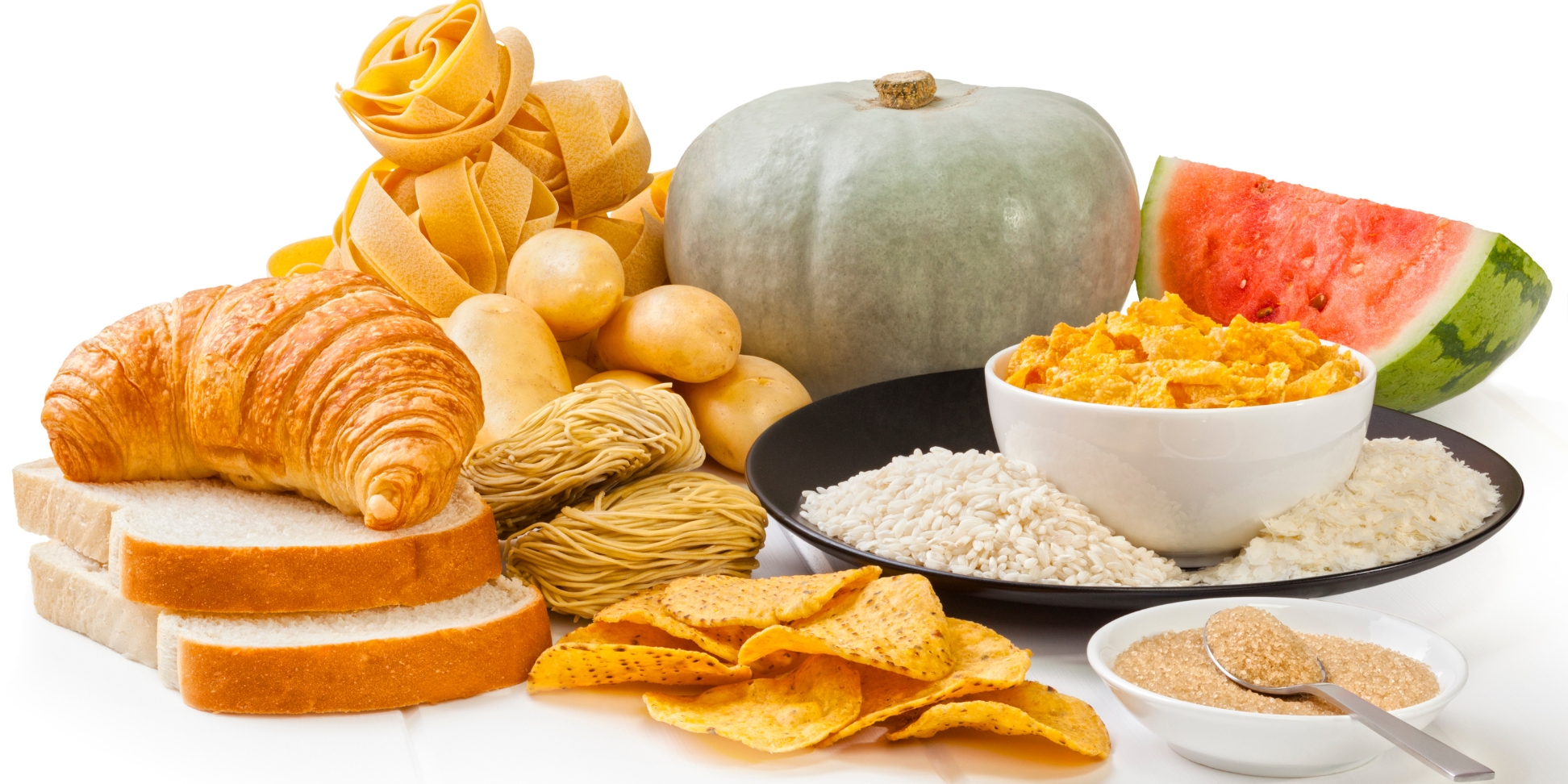
The glycaemic load of a food depends on two things: • the quality of the carbohydrate • the quantity eaten
Quality refers to how fast glucose is released, known as the glycaemic index (GI). Fibre and protein slow this release. This is why white rice has a higher GI than brown rice, which contains fibre. Eat rice with fish, beans or meat, and the protein slows the release further.
GL also depends on portion size. A small serving of brown rice with fish is low GL. A large serving of white rice, even with fish, is high GL.
When Glucose Becomes Toxic to the Brain
What happens if you consume far more glucose than the body needs?
A can of sugary fizzy drink contains around 35 grams of sugar. That is roughly nine times more glucose than the total amount normally circulating in your bloodstream.
This excess is toxic. It damages blood vessels and the tissues they supply. Diabetes is diagnosed precisely because excess sugar damages the kidneys, eyes and nerves. The brain is no exception.
“The brain needs more energy than any other organ, so it contains the most mitochondria. Sugar damages mitochondria,” says Professor Robert Lustig, Professor of Neuroendocrinology at the University of California, San Francisco. If you have read Upgrade Your Brain or Alzheimer’s: Prevention is the Cure, you will already know that high sugar intake, sugary drinks and ultra processed foods increase dementia risk, worsen memory even in young people, and are associated with measurable shrinkage of brain regions involved in memory in teenagers.
Are You Eating Too Much Hidden Sugar?
The simplest way to assess your long term blood sugar exposure is to measure HbA1c.
HbA1c literally means sugar damaged red blood cells. If more than 6.5% of your red blood cells are sugar damaged, you are diagnosed with diabetes. Above 6% indicates pre diabetes. Even levels above 5.4% in teenagers predict brain shrinkage.
For optimal health you want to be below 5.4%, and ideally below 5%.
HbA1c is such a strong indicator of blood sugar resilience that it is included in Food for the Brain’s 5-in-1 DRIfT home blood test kit.
Balancing Blood Sugar with a Low Glycaemic Load Diet
Let us start with something simple.
An orange contains sugar, but also fibre and micronutrients. The fibre slows sugar release, mainly fructose, which takes time to convert to glucose, while feeding beneficial gut bacteria.
A glass of orange juice, however, contains the sugar of around three oranges, without the fibre. Three times the sugar, with no brakes. Eat your fruit. Do not drink it.
When you eat sugar or starches such as rice, digestive enzymes rapidly break them down into glucose. Protein, by contrast, takes several hours to digest into amino acids. This slows carbohydrate digestion further down the digestive tract.
This leads to a simple rule: eat carbohydrates with protein.
Brown rice releases glucose more slowly than white rice. Add beans, fish or meat, and the release slows further.
From this we can extract three practical rules: • Eat fruit. Do not drink it • Always eat carbohydrate with protein • Make fibre the primary ingredient of every meal
What a Low GL Meal Actually Looks Like
Compare these two breakfasts:
Cornflakes with a banana or Oats with chia seeds and berries
Cornflakes are fast releasing sugar. Oats are slow releasing. A banana raises blood sugar more than two bowls of berries.
Chia seeds, rich in soluble fibre, dramatically slow sugar release. A portion of oats with chia and berries is around 10 GL. Cornflakes and a banana can reach 30 GL.
You want meals around 10 GL and snacks around 5 GL. Three meals and two snacks equals around 40 GL per day.
Eat 40 GL per day to lose weight. Around 60 GL to maintain it.
Eat little and often, and start the day with a low GL breakfast.
A friend of mine, Dr David Unwin, who is a leading diabetes doctor, converted our low GL calculations into ‘teaspoons of sugar equivalent’ to give a visual idea to his diabetic and overweight patients of how sugar is hidden in common foods. See the table below.
Food
GI
Serving size
GL
Teaspoons of sugar
Cereals
Coco Pops
77
30g
20
7.3
Cornflakes
93
30g
22
8.4
Mini Wheats
59
30g
13
4.4
Shredded Wheat
67
30g
14
4.8
Special K
54
30g
12
4.0
Bran Flakes
74
30g
13
4.8
Porridge
63
150ml
6
2.2
Bread
White
71
30g
10
3.7
Brown
74
30g
9
3.3
Rye (69% wholegrain rye flour)
78
30g
11
4.0
Wholegrain barley (50% barley)
85
30g
15
5.5
Wholemeal (stoneground flour)
59
30g
7
2.6
Pitta (wholemeal)
56
30g
8
2.9
Rough oatcake
35
10.4g
2
0.7
Fruit
Banana
62
120g
16
5.9
Grapes (black)
59
120g
11
4.0
Apple (Golden Delicious)
39
120g
6
2.2
Watermelon
80
120g
5
1.8
Nectarines
43
120g
4
1.5
Apricots
34
120g
3
1.1
Strawberries
40
120g
1
0.4
Adapted, with permission, from David Unwin’s charts in the Journal of Insulin Resistance (2016)
The Balance of Your Plate
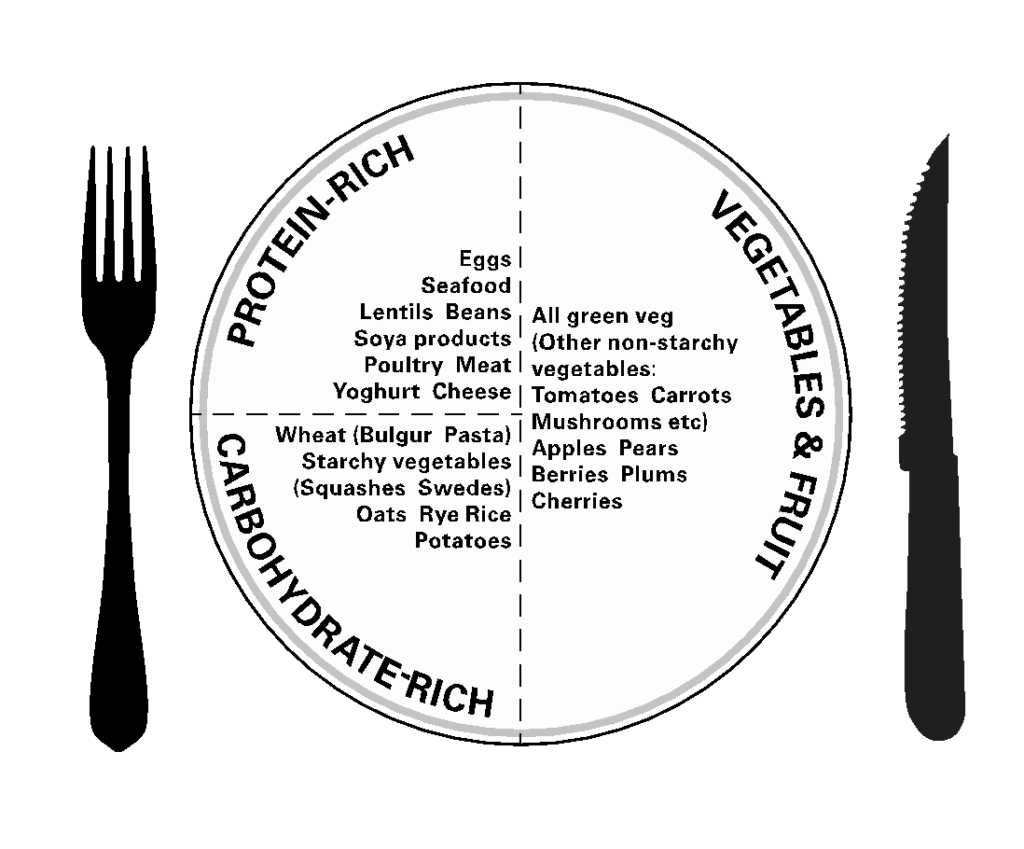
Half your plate should be vegetables and fruit. A quarter should be protein. A quarter carbohydrate.
Vegetables supply antioxidants that neutralise the exhaust fumes produced when mitochondria burn fuel. This becomes more important as we age and mitochondrial efficiency declines.
Protein slows sugar release and provides essential building blocks. Carbohydrate portions must be modest.
Whole grains and starchy vegetables vary widely in GL. Wholemeal pasta and brown basmati rice are far better than white pasta or white rice. Swedes, carrots and squash are better than potatoes. Boiled potatoes are better than baked. French fries are the worst of all. all.
Starchy vegetables and cereals Pumpkin/squash Carrot Swede Quinoa (cooked) Beetroot Cornmeal Pearl barley (cooked) Wholemeal pasta (cooked) White pasta (cooked) Brown basmati rice (cooked) White rice (cooked) Couscous (soaked) Broad beans Sweetcorn Boiled potato Baked potato French fries Sweet potato
7 GL points 1 large serving (185g) 1 large (158g) 1 large serving (150g) 1 large serving (120g) 1 large serving (112g) 1 serving (116g) 1 small serving (95g) half a serving (85g) a third of a serving (66g) 1 small serving (70g) a third of a serving (46g) a third of a serving (46g) 1 serving (31g) half a cob (60g) 3 small potatoes (74g) half (59g) a tiny portion (47g) half
Beans and Lentils: Nature’s Blood Sugar Regulators
Beans and lentils are uniquely effective because they contain both protein and carbohydrate in one food. This keeps their GL low while allowing generous portions.
When combining beans with other starches, reduce the starch portion by half. A cup of lentils with half a cup of rice, not equal amounts.
By applying these principles you can restore blood sugar control, regain energy, reduce dementia risk, reverse type 2 diabetes and improve cognitive clarity.
The Proof Is in Your HbA1c
Red blood cells live for around three months. Follow a low GL diet for three months, then retest HbA1c.
This approach is detailed in The Low GL Diet Cookbook. Specific supplements can accelerate recovery, including fibre such as glucomannan, chromium and cinnamon compounds to improve insulin sensitivity, and HCA from tamarind to promote glucose burning rather than storage.
What to Do Next
If glycaemic load affects dementia risk, the next step is simple: measure, act, and check again.
Test your blood sugar resilience.
HbA1c shows how much sugar damage has occurred over the last three months. It is included in Food for the Brain’s DRIfT 5-in-1 home test, alongside other key brain health markers. If HbA1c is high, a low GL diet gives you a clear way to bring it down.
Check how your brain is functioning now.
The free Cognitive Function Test takes around 20 minutes and provides an objective snapshot of memory, attention and processing speed. Many people spot early changes years before any diagnosis.
Make changes, then retest.
Follow a low GL diet for three months, then re-test HbA1c and cognitive function to see whether the changes are working.
Prevention works best when it is measured.
Food for the Brain is a not-for-profit educational and research charity that offers a free Cognitive Function Test and assesses your Dementia Risk Index to be able to advise you on how to dementia-proof your diet and lifestyle.
By completing the Cognitive Function Test you are joining our grassroots research initiative to find out what really works for preventing cognitive decline. We share our ongoing research results with you to help you make brain-friendly choices. Please support our research by becoming a Friend of Food for the Brain.
A Better Festive Treat: Black Bean Brownies That Support Blood Sugar and Brain Health
If you find yourself craving more sugar at this time of year, there’s nothing wrong with you – your biology is responding to a month where blood sugar swings are almost guaranteed.
But cravings aren’t a sign of weakness. They’re a sign your blood sugar, gut, and brain chemistry are under strain – which is why fibre-rich festive recipes can make such a powerful difference.
This week’s recipe does exactly that. These black bean brownies feel indulgent, but underneath they’re designed to support stable blood sugar, calm cravings, and keep your brain sharper through the most sugar-heavy month of the year.
And yes: they taste genuinely delicious.
Why Sugar Affects Your Brain and Memory
Sugar doesn’t just influence your waistline and energy – it directly affects the structure and functioning of your brain. Glucose is the brain’s primary fuel, but when levels rise too high or fluctuate too quickly, the brain experiences this as stress. Over time, those swings change how the brain ages.
Large population studies show that even slightly elevated glucose levels – levels many people would consider “normal” – significantly increase dementia risk (1). And when HbA1c rises, it shows that your body has been exposed to higher glucose levels over the past 8–12 weeks. This matters because long-term elevated glucose drives inflammation, damages blood vessels in the brain, and accelerates the processes linked to cognitive decline (2).
Even in younger or otherwise healthy adults, small rises in glucose are associated with reduced volume in the hippocampus – the brain’s centre for memory, learning, and emotional regulation (3). This means that sugar isn’t only an issue for diabetes prevention; it’s directly tied to how well your brain can store information, retrieve memories, and stay resilient across your lifetime.
During the festive period, these glucose swings become more common – thanks to grazing, disrupted routines, and richer foods. It’s not the single dessert that matters, but the repeating pattern. And your brain feels every one of those peaks and dips before your waistline every does.
How to Tell If You’re Eating Too Much Sugar (Using HbA1c)
This is where measuring your HbA1c becomes incredibly useful.
HbA1c reflects how much of your red blood cells have been exposed to glucose over the past 8–12 weeks, giving you a true picture of your overall sugar load – not just what you ate yesterday, but whether your body is regularly receiving more carbohydrate than it can comfortably handle. We all have slightly different carbohydrate tolerance, and HbA1c shows you where your line is.
It’s also one of the most powerful early indicators of long-term brain health. Higher HbA1c is linked with faster cognitive decline and a greater risk of dementia, even in people who don’t meet the criteria for diabetes (2). Keeping your sugar intake – and therefore your HbA1c – in a healthy range is a core part of protecting your brain.
But glucose is only one part of the story.
When you look at HbA1c alongside other biomarkers such as homocysteine and the omega-3 index, you get a much richer picture of how well your brain is being supported. These markers reflect inflammation, nutrient status, membrane structure and repair – all of which influence how resilient your brain is to the effects of oxidative stress and high blood sugar. When any of them drift out of range, the brain becomes more vulnerable.
This is exactly why our DRIfT testbrings these three measures together.
Between HbA1c, homocysteine, and omega-3 status, you gain a personalised, science-based understanding of how your current diet and lifestyle are shaping your cognitive future.
And if your HbA1c is starting to rise, it’s an early signal that your brain has been exposed to more glucose than it can comfortably manage – a gentle nudge to make adjustments now, rather than years down the line. Order your DRIfT test here –and for the first time ever – we’ve reduced the DRIfT 5-in-1 test by 20% this weekend to widen access to early detection and support our prevention research.
Why Fibre Helps Reduce Sugar Cravings (Especially in December)
This is the part most people underestimate.
A high-fibre diet:
slows glucose entering the bloodstream,
reduces cravings,
stabilises energy, and
supports better long-term glycaemic control.
A large systematic review published in The Lancet found that diets higher in fibre significantly improved blood sugar control, lowered HbA1c, and reduced diabetes risk (4). During a month where treats are everywhere, fibre becomes one of the simplest tools to protect your metabolic and cognitive health. (Gut health is one of our nutrition and lifestyle domains on our COGNITION™ programme – free to all our FRIENDS)
Which is why these brownies work so well…
Most festive treats are low-fibre and high-sugar – a combination that sends cravings soaring.
These brownies flip that on its head.
With black beans, oats, and chicory root syrup, each brownie contains:
~5.4g fibre
~3g protein
~6g fat
~9g carbs
low GL (≈ 3.9)
This gives you the sweetness without the spike – and the fibre slows digestion so you don’t end up reaching for “just one more”.
Serve them with thick Greek yoghurt and fresh raspberries for extra balance and natural sweetness.
High-Fibre Black Bean Brownie Recipe (Low GL, Gluten Free)
Ingredients
1 tin black beans, drained & rinsed very well
6 tbsp cocoa powder (30g)
40g oats
1 egg
1/4 tsp salt
4–6 tbsp sweetener of choice (chicory syrup or brown-sugar substitute work well)
4 tbsp coconut oil
2 tsp vanilla extract
1/2 tsp baking powder
Method:
Preheat oven to 170°C. Blend all ingredients in a food processor until completely smooth. Pour into a lined 8×8 tin. Bake for 15–18 minutes. Cool for at least 10 minutes before slicing. If still soft, chill in the fridge overnight – they firm up beautifully.
Check Your HbA1c, Omega-3 and Homocysteine With Our DRIfT Test
Fibre-rich recipes can help – but the real insight comes from knowing your HbA1c.
Our DRIfT 5-in-1 at home blood test measures your:
Food for the Brain is a not-for-profit educational and research charity that offers a free Cognitive Function Test and assesses your Dementia Risk Index to be able to advise you on how to dementia-proof your diet and lifestyle.
By completing the Cognitive Function Test you are joining our grassroots research initiative to find out what really works for preventing cognitive decline. We share our ongoing research results with you to help you make brain-friendly choices. Please support our research by becoming a Friend of Food for the Brain.
References:
Crane PK et al. Glucose levels and risk of dementia. N Engl J Med. 2013;369(6):540–548.
Rawlings AM et al. Diabetes, prediabetes and cognitive decline. Diabetes Care. 2019;42(7):1217–1224.
Kerti L et al. Higher glucose levels relate to lower hippocampal connectivity and cognition. Neurology. 2013;81(20):1746–1752.
Reynolds A et al. Carbohydrate quality and human health: systematic review. Lancet. 2019;393(10170):434–445.
We tend to think of sleep as rest – the way we replenish energy. In truth, your sleeping hours are a highly productive repair shift, especially for your metabolism.
Each night, your body resets blood sugar, clears metabolic waste, restores energy and even rewires memory. Consistently missing out on quality or quantity of sleep means less of that vital repair work gets done.
Most people notice tiredness after a bad night, but few realise the impact it has on their blood sugar, metabolism and even body composition.
So in our last article we explored melatonin’s role in brain repair, in this part 2 we look at how poor sleep throws off your body’s entire metabolic rhythm – from blood sugar to fat storage.
(When we talk about poor sleep, we mean getting less than seven hours a night, sleeping at irregular times, or waking often through the night – all of which disturb the deep, restorative phases your brain depends on.)
Sleep and insulin: two sides of the same coin
Deep, unbroken sleep keeps your cells sensitive to insulin, the hormone that allows glucose into cells to make energy. Cut the night short and this system falters. Just one poor night can reduce insulin sensitivity by about 25 per cent (1).
That means glucose lingers in the bloodstream (creating inflammation over time) while your brain cells are left hungry for fuel.
The result? Brain fog, irritability, and a body craving quick fixes – sugar, caffeine and refined carbohydrates. You’ll have felt this yourself: after a poor night’s sleep, you wake up wanting pastries or toast, not eggs and greens.
The “tired brain” that acts diabetic
When the brain can’t get enough glucose, it flips into survival mode.
Stress hormones like cortisol and adrenaline surge to keep you going, but they also spike blood sugar and wreck the next night’s sleep (hello, 4 a.m. wake-ups).
Brain scans show that after even a single sleepless night, glucose metabolism in the prefrontal cortex, the region responsible for focus and decision-making, drops sharply (2).
It’s a vicious cycle: sleep loss drives insulin resistance, which drives stress and sugar intake, which drives more sleep loss.
Poor Sleep Changes Your Metabolism
It’s easy to see how poor sleep doesn’t just fog your mind – it rewires your metabolism. Short sleep duration is now recognised as one of the strongest lifestyle predictors of weight gain, insulin resistance and type-2 diabetes – even when calorie intake stays the same,
Even a few nights of shortened sleep raise ghrelin, the hunger hormone, and suppress leptin, which signals fullness (7). The result is stronger cravings for quick-release carbs and sugary snacks, precisely the foods that destabilise blood sugar and accelerate insulin resistance. At the same time, sleep loss changes how your body stores fat: studies show it increases visceral fat, the deep belly fat that drives inflammation (8).
Over time, this mix – more hunger, higher insulin, greater inflammation – pushes many people toward weight gain, pre-diabetes and, eventually, cognitive decline.
So if you’re trying to lose weight or steady your energy, don’t forget about sleep.
High blood sugar, low cognition
Poor sleep raises blood sugar, and when glucose stays high, the brain pays the price.
Overtime poor sleep raises blood sugar, and when glucose stays high, the brain eventually pays the price. Chronically elevated HbA1c, measured in our DRIfTtest, predicts faster cognitive decline and higher dementia risk. The same metabolic stress that drives weight gain and diabetes also drives neurodegeneration. That’s why people with insomnia or sleep apnoea are far more likely to develop both type-2 diabetes and Alzheimer’s (3, 4).That is why we cover both sleep and insulin management as a key part of our COGNITION 6-month brain upgrade programme (available to all FRIEND’s of Food for the Brain) – because protecting your brain is possible when you know what to focus on.
The night-shift hormones that matter
Melatonin isn’t just for sleep – it fine-tunes your body’s glucose rhythm and acts as a powereful antioxidant. When evening light suppresses it, next-morning blood sugar shoots higher (5).
Cortisol should fall overnight so insulin can do its work; if stress, late eating or light keeps it high, blood sugar stays stuck.
Growth hormone, released in deep sleep, repairs tissue and builds lean muscle, your natural blood-sugar buffer.
Together these hormones keep the night restorative and the brain calm. Disrupt them and the same chemistry that fuels diabetes starts fuelling Alzheimer’s (6).
Small Habits That Dramatically Improve Sleep Quality
Avoid caffeine after midday if you’re sensitive.
Keep a consistent bedtime.
Reduce bright light before bed.
Create a cool, dark bedroom.
Relaxation techniques before sleep.
Magnesium-rich foods and discussing supplements with a healthcare professional if appropriate.
Simple Ways to Turn Sleep into a Metabolic Superpower
Guard your 7–8 hours. Deep sleep is where metabolic reset happens.
Skip caffeine or alcohol late. Both fragment sleep and blunt insulin response.
Finish eating at least three hours before bed. Giving your body time to fast allows insulin to fall and encourages fat use for fuel overnight.
Start your day with light, not sugar. Early daylight synchronises your circadian rhythm, boosting morning cortisol naturally so you rely less on coffee and quick carbs.
Pair protein-rich, low-GL meals with consistent sleep. Balanced blood sugar by day supports stable melatonin and growth hormone at night, a feedback loop that keeps your metabolism working for you, not against you. Find 100+ delicious recipes here.https://brainhealthcheck.foodforthebrain.org/uybcookapp/
Sleep as metabolic medicine
Sleep isn’t a luxury or a waste of time – it’s your brain’s way of resetting and restoring the entire body. It shapes body composition, curbs cravings, steadies energy and supports the metabolism that powers your mind.
Takeaway: good sleep, like good nutrition, is prevention in action. Want to dive deeper? Join us for the Sleep Solution Webinar with sleep scientist Greg Potter. Find out more here
Food for the Brain is a not-for-profit educational and research charity that offers a free Cognitive Function Test and assesses your Dementia Risk Index to be able to advise you on how to dementia-proof your diet and lifestyle.
By completing the Cognitive Function Test you are joining our grassroots research initiative to find out what really works for preventing cognitive decline. We share our ongoing research results with you to help you make brain-friendly choices. Please support our research by becoming a Friend of Food for the Brain.
Reference:
Spiegel K et al. Impact of sleep debt on metabolic and endocrine function. Lancet. 1999;354(9188):1435–9.
Benedict C et al. Acute sleep deprivation reduces energy expenditure and brain glucose metabolism. Sleep. 2012;35(7):981–8.
Yaffe K et al. Sleep duration and risk of type 2 diabetes: a meta-analysis. Diabetes Care. 2015;38(9):1633–40.
Sabia S et al. Association of sleep duration in middle and old age with dementia incidence. Nat Commun. 2021;12:2289.
Gooley JJ et al. Exposure to room light before bedtime suppresses melatonin onset and shortens its duration. J Clin Endocrinol Metab. 2011;96(3):E463–72.
Spiegel K et al. Brief sleep curtailment decreases leptin, increases ghrelin, and causes increased hunger and appetite. Ann Intern Med. 2004;141(11):846–50.
Nedeltcheva AV et al. Insufficient sleep undermines dietary efforts to reduce adiposity. Ann Intern Med. 2010;153(7):435–41.
Sugar, Metabolic Syndrome and Early-Onset Dementia: Is This Type 3 Diabetes?
Why are more people in their 40s and 50s developing dementia? Most assume the answer lies in the genes. But here’s the reality: fewer than 1% of Alzheimer’s cases are caused by rare genetic mutations. The other 99%? They are driven largely by preventable, lifestyle-related factors – and at the centre of the storm is how we process sugar, , leading many scientists to describe Alzheimer’s as “Type 3 diabetes.”
A major new study of nearly two million people confirms that metabolic syndrome – the cluster of blood sugar imbalance, abdominal obesity, high blood pressure, and poor lipid levels – significantly increases the risk of early-onset dementia.
This should be front-page news. Dementia is now affecting people in their 40s and 50s, not just the elderly. And at the heart of this early decline? Poor blood sugar control, excess abdominal fat, and the metabolic mayhem caused by high-sugar diets.
The Evidence: 24% Higher Risk of Dementia Before Age 65
The landmark 2024 study published in JAMA Neurology followed more than 1.9 million adults and found that those with metabolic syndrome had a 24% higher risk of developing dementia before the age of 65 compared with those without (1).
The strongest associations were observed with:
Hyperglycaemia (high blood sugar)
Abdominal obesity (visceral fat around the waist)
These two factors, when present together, were particularly predictive of vascular dementia, although risks were also elevated for Alzheimer’s disease and other forms of dementia.
The authors adjusted for other lifestyle and demographic factors, confirming that metabolic health itself was an independent driver. Men and those in their 40s showed the highest vulnerability.This aligns with decades of research linking insulin resistance and poor glucose control with brain shrinkage, memory loss, and neurodegeneration – all of which are discussed in detail in [here] and [here].
The Type 3 Diabetes Hypothesis
Scientists have increasingly referred to Alzheimer’s disease as “Type 3 diabetes” – a term that reflects how brain cells become resistant to insulin and fail to metabolise glucose properly.
Chronically high blood sugar damages blood vessels in the brain, increases inflammation, and accelerates the formation of amyloid plaques, all hallmark features of Alzheimer’s pathology. This new study provides the strongest population-level evidence to date that the same dysfunction is also driving younger-onset dementia.
The Role of Fructose and Processed Sugar
Endocrinologist and paediatric neuroendocrinologist Dr Robert Lustig has long warned of the unique effects of fructose (a sugar found in high-fructose corn syrup and added sugars) on the brain. Unlike glucose, fructose is processed in the liver, promoting visceral fat, insulin resistance, and inflammation – all central to metabolic syndrome (2).
When the brain is chronically exposed to excess sugar and insulin, its ability to generate energy and form new synapses becomes impaired. Over time, it is as if the brain is being starved, even in the midst of plenty.
This isn’t just a long-term risk – we’re now seeing it play out in middle-aged adults.
Thankfully we know that there is much you can do to prevent this from happening – your future is in your hands – here is what to focus on.
What Can You Do? Five Simple Shifts
Check your blood sugar regulation. The HbA1c test is a key marker of long-term blood glucose control. (Available via our home test kits and in our DRIfT 5 in 1 test kit.)
Prioritise low-GL, whole foods. Swap out refined carbohydrates and processed sugars for whole grains, legumes, nuts, and non-starchy vegetables.
Limit fructose. Reduce or remove sweetened drinks (including fruit juice), syrups, and processed snacks high in high-fructose corn syrup. Read more on high/low fructose foods here.
Assess your waist size. Abdominal fat is a strong dementia risk factor. A healthy waistline helps protect your brain.
Exercise regularly. Just 30 minutes a day improves insulin sensitivity and helps the brain use glucose more efficiently.
Need help taking action on the above? Struggle to know how to ditch your sweet tooth?
This study shows a sobering trend – but Food for the Brain exists to empower you in your prevention path. Early-onset dementia is not inevitable. It is largely preventable if you act now. Sugar, insulin resistance, and metabolic syndrome are right at the centre of the problem.
We need public health messaging that reflects this. Dementia is not just an age-related disease. It’s a lifestyle-driven brain disorder that begins years, even decades, before diagnosis.
Your brain doesn’t have to retire early – start your brain upgrade programme and journey today.Want to assess your brain health? Complete this free validated online Cognitive Function test to receive personalised insights into your brain health, along with guidance on what you can do to reduce your risk and protect your future!
Food for the Brain is a not-for-profit educational and research charity that offers a free Cognitive Function Test and assesses your Dementia Risk Index to be able to advise you on how to dementia-proof your diet and lifestyle.
By completing the Cognitive Function Test you are joining our grassroots research initiative to find out what really works for preventing cognitive decline. We share our ongoing research results with you to help you make brain-friendly choices. Please support our research by becoming a Friend of Food for the Brain.
References
Jang H et al. Association Between Metabolic Syndrome and Early-Onset Dementia in a Nationwide Cohort. JAMA Neurol. 2024. doi:10.1001/jamaneurol.2024.xxxxxx
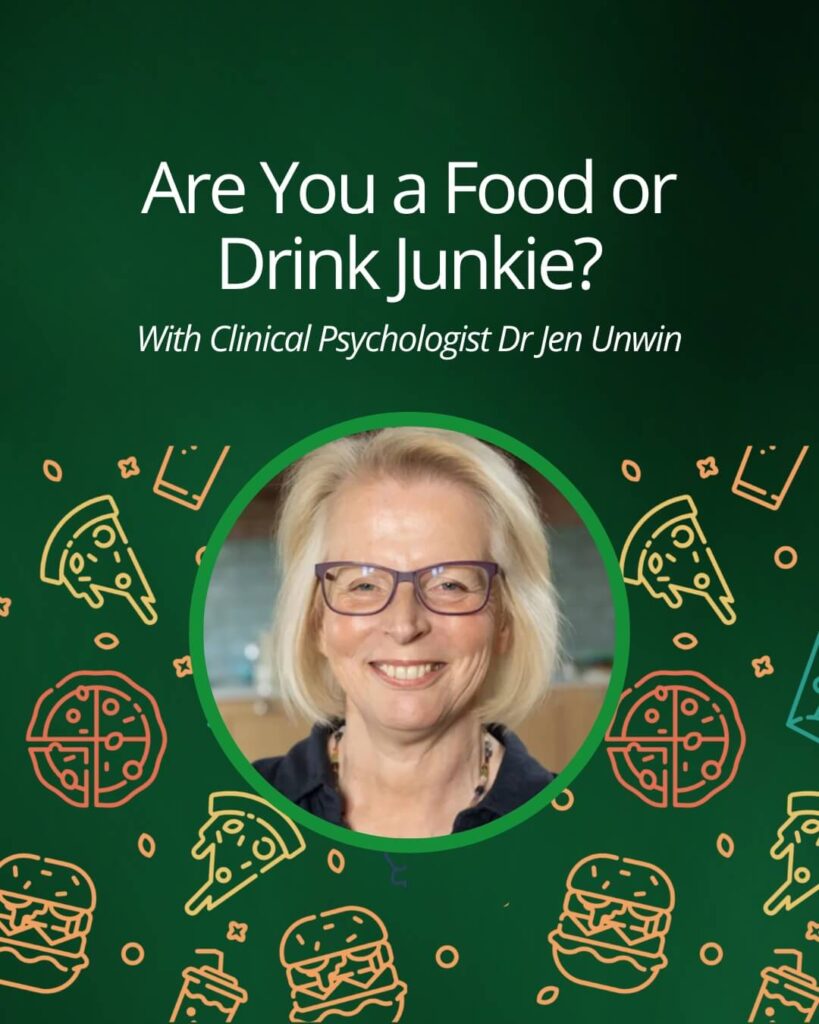
Do you ever promise yourself you’ll stop eating sugar or junk food – only to find yourself back at the biscuit tin a few hours later? You’re not alone. Food addiction is real. In fact, it can be as powerful and pervasive as alcohol addiction.
The first step is awareness. According to clinical psychologist Dr Jen Unwin, there are six warning signs. If you recognise yourself in two or more, it may be time to take this seriously.
Read on to see if any apply to you.
Six Signs You May Be Addicted to Food
1. Certain foods feel impossible to resist
“You’re craving a certain food so badly that you feel compelled to eat it, even when you know you shouldn’t,” Dr Unwin explains. At the height of her own addiction, she would secretly make a bowl of cake mixture – just butter, sugar and flour -and eat the entire thing raw. “It sounds ridiculous now, but I had such intense cravings for sweet, soft, sugary foods,” she explains.
2. You always need more
Like alcohol tolerance, food addiction builds over time. “One slice of cake may have been enough in the beginning, but soon you need two, three – or half the cake – to get the same dopamine hit,” says Dr Unwin. She recalls eating slice after slice at her daughter’s wedding, unable to stop until she felt sick.
3. Food takes priority over everything else
A common factor in addiction is that you begin to ignore what you once valued and prioritise food above socialising, hobbies, family time and even work. Often, Dr Unwin would leave the house and her family in secret to drive for 20 minutes to a cinema complex where she would order a large tub of Ben & Jerry’s Cookie Dough ice cream with chocolate sauce. She would then return to her car and eat the entire portion, feeling ashamed and elated at the same time, before returning home an hour later as if nothing had happened.
4. You lose control once you start
You might buy biscuits for your grandchildren, planning to have just one with your tea. Before you know it, the whole packet has disappeared.
5. Withdrawal symptoms kick in
If you try to cut down on sugary snacks and carbohydrates, do you experience withdrawal symptoms? “These include headaches, migraines, gastrointestinal symptoms, low mood, anxiety, fatigue and brain fog,” Dr Unwin says. “As people experience sugar withdrawal, they feel so bad that they just go back to eating it.” When Dr Unwin completely abstained from sugar, she experienced many of these symptoms for eight days. But after pushing through that difficult period, she began feeling better than ever.
6. You know it’s harming you – and carry on anyway
According to Dr Unwin, this is the defining sign: eating damaging foods despite knowing the consequences.She references a patient with Type 2 diabetes who kept bingeing on cake and sugar knowing how bad it is for their blood sugar. People in this situation often know the food is harmful, but they feel trapped in a cycle.
Why Processed Foods Hijack Your Brain
Breaking free from any addiction is not purely a matter of willpower. Addictive foods and drinks hijack your brain’s chemistry, making you crave them. This effect is purposely done so that you keep buying more.
Understanding how certain food ingredients and combinations work in the brain unlocks the secret to undoing food addiction. The most powerful trigger is the combination of fat and sugar – the two key components of most junk foods. Think cakes, biscuits, ice cream, chocolate bars and pastries. This pairing presses the brain’s dopamine “reward” switch, creating intense pleasure in the moment but diminishing feelings of satisfaction over time. Just like drugs, it fuels cravings and loss of control. This hijacking of the dopamine-based reward system doesn’t just drive overeating – it also increases the risk of cognitive decline and brain shrinkage. Additionally, it disrupts glucose control and drives insulin resistance, a well-known promoter of cognitive decline. (Read more – ‘Is Sugar Killing Your Brain?’)
Nutritional Tools That Reset Your Brain
In Patrick Holford’s book How to Quit without Feeling S**t he recommends strategies that help restore balance to your brain chemistry:
Omega-3 fats – vital for healthy cell membranes and for receiving neurotransmitter messages.
B vitamins and methylation – check homocysteinelevels; if they are high, it may indicate poor methylation and raised risk of cognitive decline.
Tyrosine – dopamine is made from this amino acid. A supplement of 500mg twice daily can help support dopamine production.
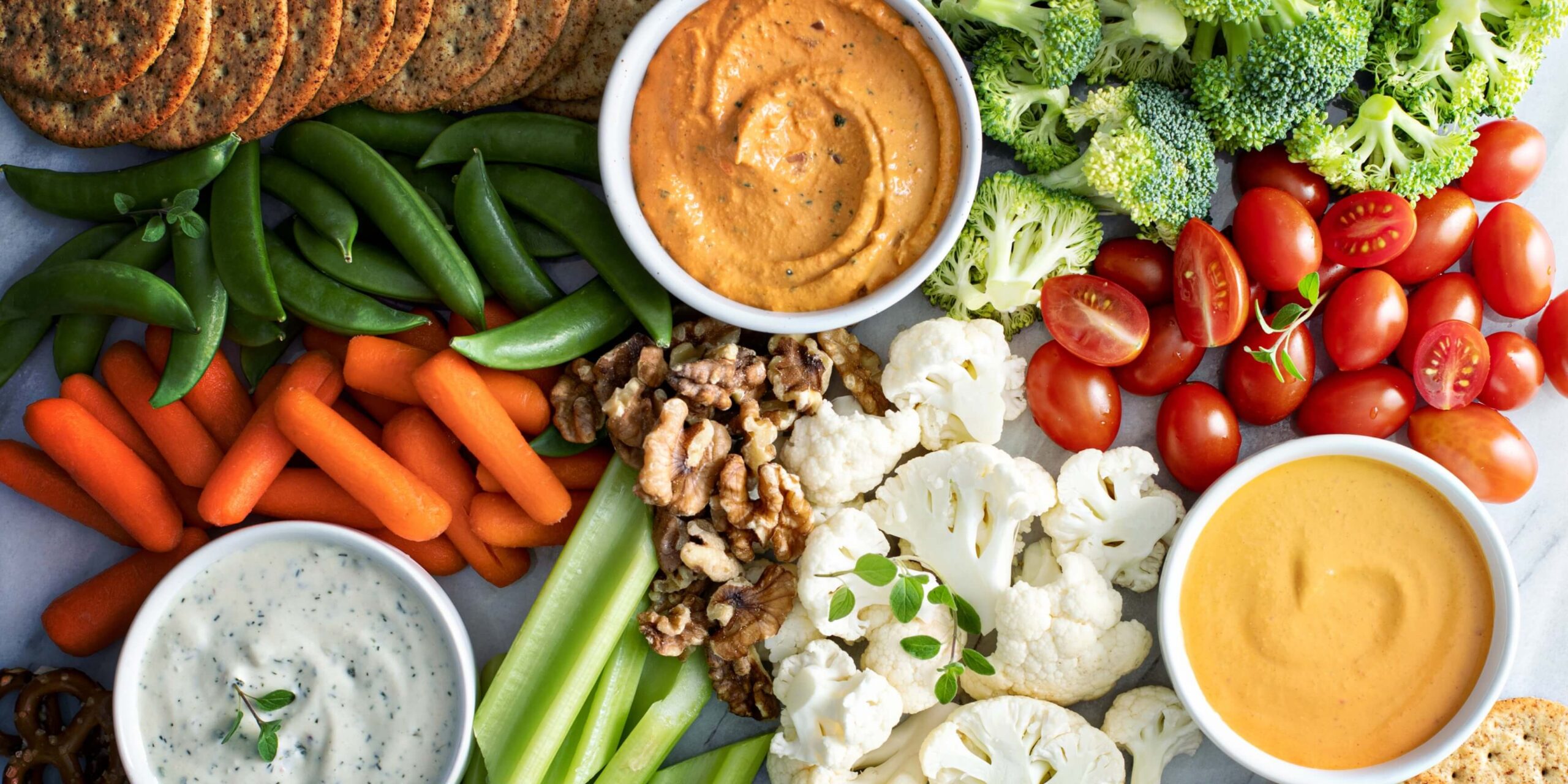
Protein + slow carbs – pairing protein (such as nuts or Greek yogurt) with fruit like berries slows sugar release and provides fibre and nutrients.
A clinical Psychologist’s Practical Tips on How to break free;
Visualise how life will improve once you manage to quit your “drug foods”. These are typically ultra-processed and sugary foods with which you’re unlikely to have a healthy relationship.
Have an honest conversation with friends and family about the foods you struggle with, and ask for their support in resisting them..
Removing the “drug foods” from your home and diet is key. Replace them with natural, whole foods.
Give it time. Every day you resist, it gets easier. “Those foods are no longer in my thoughts at all,” says Dr Unwin.
If you take medication for diabetes or high blood pressure, consult your GPbefore reducing sugar and carbohydrates in your diet, as your dosage may need adjusting.
If you’re concerned about food addiction or would like to learn more, Dr Unwin recommends joining a Public Health Collaboration(PHC) support group in the UK, or Sweet Sobriety in the US. The PHC also runs a virtual lifestyle support group every Monday at 6pm, where you can learn more about overcoming food addiction and maintaining good metabolic health.
The Bigger Picture
Food addiction is more than a personal struggle and it impacts more people than you realise. It’s part of a wider public health crisis, fuelling obesity, diabetes and dementia – but no matter where you are at right now, change is possible!
Ways to get support:
Watch instant access webinar on food addiction with clinical psychologist Dr Jen Unwin –find out more here.
Get ongoing support with the COGNITION™ programme. Receive monthly coaching when you become a. FRIEND of Food for the Brain.
Read Dr Jen Unwin’s book,Fork in the Road – a hopeful guide for identifying if you have a food addiction and learning what to do about it.
Read this journal article in Frontiers in Psychiatry to support and join the movement to have food addiction classified as a real disease, thus enabling more research and support, and helping to make the dangers of ultra-processed foods more visible.
When that mid-morning dip or afternoon slump hits, it’s tempting to reach for a quick fix – something sweet, something carby, something to perk you up. But most conventional snacks don’t fuel your brain – they drain it.
In fact, snacking is one of the easiest ways to sabotage your long-term brain health and memory. Most people wouldn’t eat a plate of sugar at mealtimes (unless they start the day with shop-bought cereal or sweetened yoghurt), yet it’s common to reach for a bar, a biscuit, or something from a petrol station or coffee shop without a second thought.
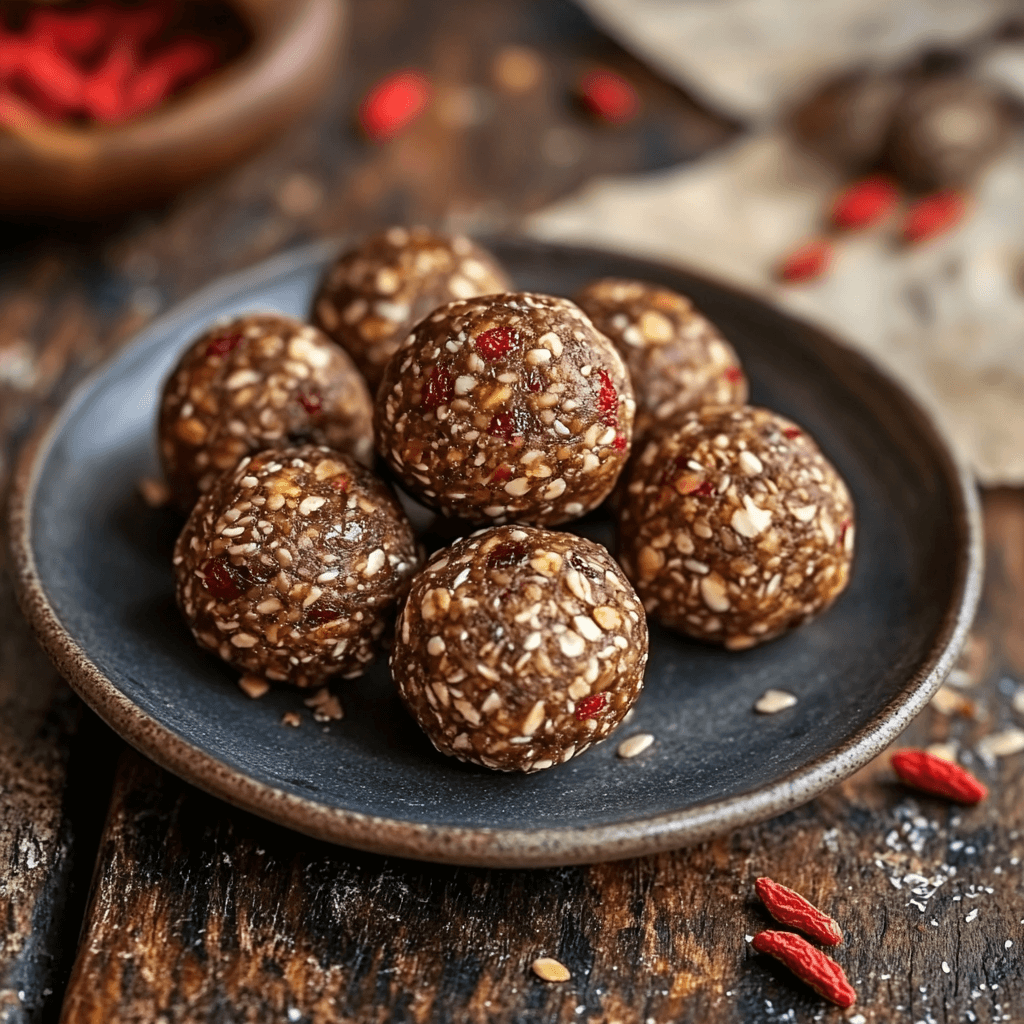
These everyday choices are a silent driver of brain fog, low mood, memory problems – even dementia. It’s time to upgrade your brain by upgrading your snacks. Below, we share a free Brain Boost Bites recipe and some other smart snack ideas – perfect for long drives, picnics, or busy days on the go.
The Problem with Typical Snacks
The modern snack aisle is a minefield of ultra-processed foods: cereal bars, crisps, flavoured yoghurts, granola bites, and biscuits – many of them marketed as “healthy”. But beneath the surface, they’re often:
High in sugar or refined carbs – causing a rapid blood glucose spike followed by a crash. Many so-called healthy bars contain over 15g of sugar with little fibre, protein, or healthy fat to balance them.
Low in brain-essential nutrients – such as omega-3s, magnesium, or phospholipids.
Full of artificial additives – emulsifiers, preservatives, and even excitotoxins like MSG.
Designed for instant gratification – often with addictive properties rather than sustained energy.
As explained in our Four Horsemen of the Mental Health Apocalypse series (read Part 1 here and Part 2 here), poor glucose control is a key driver of accelerated brain ageing and cognitive decline. A high-sugar snack spikes blood sugar, then causes a crash that reduces brain energy and impairs mental performance. Over time, this rollercoaster leads to insulin resistance, which is strongly linked to cognitive decline and Alzheimer’s disease.
The Smart Snacking Solution
The answer isn’t to stop snacking altogether – it’s to snack smart.
Our in-house chef and lecturer in culinary nutrition and functional health, Kim Close, shares a free recipe below from the Upgrade Your Brain Cook App. It’s packed with brain-supportive nutrients and perfect for keeping your energy and focus steady.
And if you’re not sure what to eat for better brain health, the Cook App includes 120+ recipes (and growing) to guide you meal by meal.
Food for the Brain is a not-for-profit educational and research charity that offers a free Cognitive Function Test and assesses your Dementia Risk Index to be able to advise you on how to dementia-proof your diet and lifestyle.
By completing the Cognitive Function Test you are joining our grassroots research initiative to find out what really works for preventing cognitive decline. We share our ongoing research results with you to help you make brain-friendly choices. Please support our research by becoming a Friend of Food for the Brain.
Depression, now the leading cause of disability globally, affects millions. According to the World Health Organization, it represents a significant disease burden, particularly in high-income countries (1). With a staggering 100 million antidepressant prescriptions issued annually—a 70% increase in five years—it’s clear that something is going wrong in our modern western world (1).
Thankfully, nutrition and lifestyle changes provide science-backed ways to boost our mood naturally.
Depression manifests through persistent feelings of hopelessness, low energy, disrupted sleep, and even physical changes such as weight loss or gain (2). The root causes can be multifactorial—psychological stress, biochemical imbalances, or nutritional deficiencies.
But here’s the good news: you can take simple, practical steps to nourish your brain, boost serotonin, and improve your mood naturally.
—
7 Ways to Boost Mood and Brain Function
—
1. Increase Your Omega-3 Fats
Your brain is 60% fat, and omega-3 DHA and EPA are critical for its structure and function. Countries with high fish consumption have lower depression rates. A study from Harvard Medical School found that EPA, specifically, has potent antidepressant effects.
A meta-analysis published in Psychopharmacology Bulletin found that higher omega-3 intake reduces depressive symptoms by 53%. Omega-3 helps build brain cell membranes and boosts serotonin receptor function, which improves mood and cognition.
What to do: Eat oily fish like salmon, sardines, and mackerel at least twice a week or supplement with high-dose omega-3 fish oil. Aim for 1,000–2,000 mg of EPA and DHA combined daily (4, 5, 6).
—
2. Optimise Your B Vitamins and Lower Homocysteine
The little-known amino acid, homocysteine, may double your risk for depression if levels are elevated. This toxic by-product accumulates when you’re deficient in B6, B12, and folic acid, impairing brain chemistry.
Studies by Professor David Smith from Oxford show that lowering homocysteine can dramatically slow brain shrinkage and improve mood. Which is why we now offer at home homocysteine test kits so you can monitor your own level and prevent disease (7,8,9).
What to do: Eat leafy greens, whole grains, and fortified foods. Test your homocysteine and aim for levels below 7 μmol/L. Supplement with a methylated B complex (20 mg B6, 500 μg B12, and 400 μg methylfolate).
—
“B vitamins are brain-makers; without them, key neurotransmitters like serotonin can’t be synthesised” – Patrick Holford, Upgrade Your Brain.
—
3. Fuel Your Brain with Serotonin Precursors
Serotonin, your “happy hormone”, is made from tryptophan, an amino acid found in protein-rich foods like fish, poultry, beans, and eggs. For some, tryptophan conversion to serotonin is impaired due to poor digestion or low stomach acid, common with age and stress.
Supplementing with 5-HTP can bypass these barriers. Clinical studies show 5-HTP compares favourably with SSRIs in treating depression (10, 11, 12, 13).
What to do: Include tryptophan-rich foods daily and consider a 5-HTP supplement (100–200 mg twice daily). Always consult your doctor if combining with antidepressants.
Maintaining stable blood sugar levels is essential for mood regulation, as uneven glucose supply to the brain can lead to irritability, fatigue, and depressive symptoms. Diets high in refined carbohydrates and sugar contribute to these fluctuations and are linked to poor mood and an increased risk of depression. A study of 3,456 adults found that individuals consuming diets rich in processed foods had a 58% greater risk of depression, whereas those eating whole foods experienced a 26% reduced risk (14, 14, 16).
Refined sugars also deplete mood-enhancing nutrients like B vitamins, essential for energy production, and divert chromium, which is vital for glucose regulation. Adopting a low glycaemic load (GL) diet, avoiding caffeine and alcohol, and focusing on whole foods, fruits, and vegetables can help stabilise blood sugar levels and improve mood.
What to do: Follow a Low-GL diet with whole foods, low-GL carbs, and protein at every meal. Avoid sugar, caffeine, and alcohol .
5. Boost Your Vitamin D Levels
The “sunshine vitamin,” vitamin D, is essential for mood regulation. Research shows a 40% lower incidence of depression in those with adequate vitamin D. Alarmingly, over 60% of the UK population is deficient during winter (17, 18, 19, 20).
What to do: Get tested and aim for levels above 75 nmol/L. Supplement with 2,000–3,000 IU daily in winter months.
—
6. Include Chromium to Combat Atypical Depression
If you suffer from atypical depression—characterised by weight gain, fatigue, and carbohydrate cravings—you might benefit from chromium. Studies show chromium supplementation can improve mood scores by up to 83% (21, 22, 23).
What to do: Include whole grains and vegetables or supplement with 600 mcg of chromium picolinate daily.
—
7. Bring on the Sunshine and Movement
Exercise and sunlight have a direct effect on serotonin levels and mood. Regular exercise boosts brain-derived neurotrophic factor (BDNF), which helps build new brain cells and connections】.
What to do: Aim for 30 minutes of exercise daily and sun exposure for 15 minutes, when safe.
—
Key Action Plan
Eat oily fish twice weekly or supplement omega-3s with at least 1,000 mg EPA and DHA.
Test and lower homocysteine with B6, B12, and folic acid supplements.
Try 5-HTP to boost serotonin naturally.
Follow a Low-GL diet to stabilise blood sugar.
Supplement vitamin D during winter. Find out more about dose here.
Add chromium for atypical depression.
Exercise regularly and get sensible sun exposure.
—
—
Food for the Brain is a not-for-profit educational and research charity that offers a free Cognitive Function Test and assesses your Dementia Risk Index to be able to advise you on how to dementia-proof your diet and lifestyle.
By completing the Cognitive Function Test you are joining our grassroots research initiative to find out what really works for preventing cognitive decline. We share our ongoing research results with you to help you make brain-friendly choices. Please support our research by becoming a Friend of Food for the Brain.
References
World Health Organization. Depression and Other Common Mental Disorders: Global Health Estimates. WHO; 2017.
Brown G, et al. Social support, self-esteem and depression. Psychol Med. 1986;16(4):813-31.
Hibbeln JR. ‘Fish consumption and major depression’. Lancet, vol 351(9110), pp. 1213 (1998)
M. Peet and R, Stokes, Omega 3 Fatty Acids in the Treatment of Psychiatric Disorders Drugs, vol 65(8), pp. 1051-9 (2005)
S Kraguljac NV, Montori VM, Pavuluri M, Chai HS, Wilson BS, Unal SS (2009) Efficacy of omega-3 Fatty acids in mood disorders – a systematic review and metaanalysis. Psychopharmacology Bulletin 42(3):39-54
Hibbeln JR. Fish consumption and major depression. Lancet. 1998;351(9110):1213.
Coppen A, Bailey J. Folic acid and affective disorders. J Affect Disord. 2000;60(2):121-30.
Taylor MJ, Carney SM, Goodwin GM, Geddes JR. Folate for depressive disorders. Cochrane Database Syst Rev. 2003;(2):CD003390.
Smith AD, Refsum H. Homocysteine, B vitamins, and cognitive impairment. Annu Rev Nutr. 2016;36:211-39.
Poldinger W et al. A comparison of 5-hydroxytryptophan and fluvoxamine. Psychopathology. 1991;24(2):53-81.
E. Turner, Serotoninalacarte: Supplementation with the serotonin precursor 5-hydroxytryptophan.’ Pharmacology&Therapeutics (2005) [article in press].
W. Poldinger et al. A functional-dimensional approach to depression: serotonin deficiency and target syndrome in a comparison of 5-hydroxytryptophan and fluvoxamine, Psychopathology vol 24(2), pp. 53-81 (1991)
Associate editor: K.A. Neve ‘Serotonin a la carte: Supplementation with the serotonin precursor 5-hydroxytryptophan’ ErickH. Turner a,c,d,*, Jennifer M. Loftis a,b,c, AaronD. Blackwell a,b,e Pharmacology & Therapeutics(2005) www.elsevier.com/locate/pharmthera
Akbaraly TN, Brunner EJ, Ferrie JE, et al. Dietary pattern and depressive symptoms in middle age. Br J Psychiatry. 2009;195:408–13.
Benton D, Owens DS, Parker PY. Blood glucose influences memory and mood in an everyday setting. Biol Psychol. 1982;14(1-2):129–35.
Christensen L. Psychological distress and diet – effects of sucrose and caffeine. J Appl Nutr. 1988;40(1):44–50.
Lansdowne AT, Provost SC (1998): Demonstrates that vitamin D3 supplementation enhances mood in healthy subjects during winter.
C. Wilkins et al. (2006): Links vitamin D deficiency to low mood and poorer cognitive performance in older adults.
A. Nanri et al. (2009): Discusses the association between vitamin D levels and depressive symptoms across seasonal changes.
R. Jorde et al. (2008): Shows that vitamin D supplementation alleviates depressive symptoms in overweight and obese individuals
Lifting Depression – The Chromium Connection by Dr Malcolm McLeod (Basic Health Publications):
J. R. Davidson et al, Effectiveness of chromium in atypical depression: a placebo-controlled trial, Biol Psychiatry, vol 53(3), pp. 261-4 (2003)
Docherty, J et al, ‘A Double-Blind, Placebo-Controlled, Exploratory Trial of Chromium Picolinate in Atypical Depression’. Journal of Psychiatric Practice. Vol 11(5), pp. 302-314, (2005)
Holford P. Upgrade Your Brain. HarperCollins; 2024.
Why too much fructose is driving dementia, diabetes and brain fog
—
The fruit sugar ‘fructose’ isn’t generally considered a food that’s best avoided. After all, it comes from fruit.
Yet a radical new theory, developed by Richard Johnson, Professor of Nephrology at the University of Colorado, explains how it can trigger various damaging changes in our metabolism that make us more likely to develop chronic conditions such as diabetes, obesity and Alzheimer’s. If doctors better understood this, it could transform the new emphasis on sickness prevention that the government is promising.
—
The science of being ‘fructed’
Professor Johnson has produced what is effectively a biochemical wiring diagram of the connections which fructose turns on and off, that are making an increasing number of people sick. Fructose makes up half of white sugar and most of fructose corn syrup which is the main sweetener in fizzy drinks and ultra-processed foods as well as being the main sugar in fruit, particularly fruit juice.
For instance, the amount of fat stored in the liver increases, driving fatty liver disease, while the cell’s mitochondria, which create the body and brain’s energy molecule ATP, become less productive and blood pressure goes up. The result is that you get fatter, with more brain fog and fatigue and feel less inclined to exercise. Fructose is also a major promoter of diabetes.
Meanwhile an anti-ageing process called autophagy, which would normally clear away used up and damaged mitochondria, the cell’s energy factories, to make room for new ones, is disabled. When fructose crosses the blood-brain barrier into the brain, it is one of the factors causing the brain to form the clumps of amyloid protein found in Alzheimer’s, which is the focus of new drug treatments.
Why on earth does fructose carry out such a blitz on our bodies? Why would the body run a programme that was potentially so lethal?
“It would be wrong to think of fructose as some sort of major toxin, although it becomes neurotoxic in excess,” says Professor Johnson. “Instead, its remarkable range of effects are part of an ancient set of biological programs, which we call the ‘Survival Switch’, that work to prepare animals for hibernation, storing supplies in preparation for times of famine.” This is why fat storage increases and energy drops off producing brain fog. The trouble is we never run out of food or fructose in our modern times.
—
Eat your fruit, don’t drink it.
None of this means that we should avoid fruits, which contain only a small amount of fructose that comes with beneficial fibre that feeds our vital gut bacteria, plus various nutrients. Not so for fruit juice, devoid of fibre. A glass of orange juice is the equivalent of three oranges in terms of fructose, but without the fibre. So, eat your fruit, don’t drink it.
But this does explain why too much blood glucose from regularly eating generous amounts of sugar-laden foods and carbohydrates, is so damaging? The liver turns the excess glucose into fructose with all its knock-on effects. Other substances that can accelerate fructose production are alcohol and salt.
This rise in fructose intake and its presence in processed food makes it all too easy to start piling on the pounds, regardless of how many calories you have cut or how much further you are running. It’s a connection that very few nutritionists or GPs are aware of.
A sign of the widespread damage the Survival Switch can cause is that there are low ATP levels in the brains of people with disorders such as obesity, diabetes, fatty liver disease and Alzheimer’s. Understanding this points to new ways to cut the risks of these chronic disorders. Adenosine triphosphate (ATP) is a molecule that stores and provides energy for cells. It’s a key biomolecule that’s involved in almost all cellular processes.
A simple, but very effective solution, is to run a blood test – HbA1c – the gold standard test GPs use to screen for diabetes. HbA1c is a test that measures your average blood sugar level (glucose) over the past two to three months. A recent study of 374,021 older men with diabetes found that keeping the level of HbA1c stable at an optimal level over a period of three years cut risk of dementia by a third. Similar benefits have been found with patients with pre-diabetes (Prediabetes means that your blood sugars are higher than usual, but not high enough for you to be diagnosed with type 2 diabetes. It also means that you are at high risk of developing type 2 diabetes.) But far lower levels of HbA1c than those used to diagnose diabetes are associated with the first signs of brain shrinkage, which is the hallmark of cognitive decline, even in teenagers.
That is why we offer, as part of our ‘citizen science’ research, an at home pin-prick test of HbA1c, to find out not only who is at risk, but also how to reverse that risk. It also works alongside the free Cognitive Function Test that calculates your future Dementia Risk Index and suggests various lifestyle and nutrition changes to help reduce it, including a low fructose diet (Find out more about low fructose foods here).
We also recommend increasing omega-3 intake from oily fish, increasing B vitamins, especially B12, as well as an active lifestyle, as part of COGNITION, our personalised 6-month programme. In this programme we also dive deeper into lowering your ‘glycaemic load’ (GL), which is low in fructose, alongside periods of time of eating in a ‘ketogenic’ way by keeping sugar and carbohydrates to a minimum. The body responds by creating ketones, energy packets that can replace glucose as an energy source for the brain, helping to undo the damage.
(You get access to COGNITION when you become a FRIEND of Food for the Brain here)
‘Burning ketones can also increase the number and output of the cell’s energy factories, known as mitochondria, which are damaged by fructose,’ says Professor Robert Lustig of the University of California, author of the best-selling book Metabolical and who sits on our Scientific Advisory Board. You can read more in his detailed article here.
Both Professor Johnson and Professor Lustig are also part of the Alzheimer’s Prevention Expert Group who have written to UK dementia prevention authorities to add sugar, and specifically a high fructose diet, to the list of known risk factors.
—
The connection to Ozempic…
This low fructose approach also naturally promotes the enzyme GLP-1, targeted by the weight loss drugs Ozempic and Wegovy, but without the side-effects or rebound weight gain.
Our founder Patrick Holford says: “Today’s typical diet of burgers, carbonated drinks, fruit juice, ice cream, bread, biscuits, cakes and confectionery, plus alcohol and salt, is a dementia time-bomb. Our brains are literally being ‘fructed’. We see the same shrinkage in the same regions of the brain in teenagers with a high sugar intake that are seen in older Alzheimer’s patients. We think of the resulting dementia as type-3 diabetes.”
Food for the Brain is a non-for-profit educational and research charity that offers a free Cognitive Function Test and assesses your Dementia Risk Index to be able to advise you on how to dementia-proof your diet and lifestyle.
By completing the Cognitive Function Test you are joining our grassroots research initiative to find out what really works for preventing cognitive decline. We share our ongoing research results with you to help you make brain-friendly choices. Please support our research by becoming a Friend of Food for the Brain.
References:
Johnson RJ et al. The fructose survival hypothesis for obesity. Philos Trans R Soc Lond B Biol Sci. 2023 Sep 11;378(1885):20220230. doi: 10.1098/rstb.2022.0230
Underwood PC et al HbA1cTime in Range and Dementia JAMA Netw Open. 2024 Aug 1;7(8):e2425354. doi: 10.1001/jamanetworkopen.2024.25354
Yau PL et al Obesity and metabolic syndrome and structural brain impairments in adolescence. Pediatrics. 2012 Oct;130(4):e856-64. doi: 10.1542/peds.2012-0324
Too much sugar shrinks the brain, but it’s so attractive. Why?
We are led by the science here at Food for the Brain, so we know that one of the best things you can do for your brain is to reduce your sugar and support your insulin control. That is why it is one of our key lifestyle domains in the COGNITION programme.
However, you probably already know too much sugar isn’t great for health but how can we make eating a lower carb and sugar life easier?
—
First, let’s recap the science…
Dr. Robert Lustig, a renowned expert on brain health and a member of our scientific advisory board, highlights the significant role of insulin control and dietary choices in preventing cognitive decline.
Research from Columbia University in 2004 revealed that individuals with high insulin levels, (a primary indicator of metabolic dysfunction), were twice as likely to develop dementia compared to those with healthy insulin levels (1). Furthermore, those with the highest insulin levels exhibited the worst memory retrieval abilities (1). Similarly, an Italian study linked elevated insulin levels to declining mental function (2).
Several studies have established a connection between high sugar consumption and poor cognitive outcomes. For instance, a study among Puerto Ricans found that high sugar intake doubled the risk of cognitive impairment (3), while another U.S. study correlated elevated blood sugar levels with memory loss (4). The detrimental impact of high dietary glycaemic load (GL) on cognitive function has been observed in studies from Ireland and the United States, indicating that high GL diets are strongly associated with Alzheimer’s-related pathological changes (5,6).
—
What is Glycaemic load?
Glycaemic load considers both the quality (GI – glycaemic index) and the quantity (carbohydrate content) of the carbohydrates in a food serving. It provides a more accurate picture of how a food will affect blood sugar levels. The formula for calculating glycaemic load is:
GL = GI x carbohydrate / 100
A high GL diet measured by the total glucose load on the bloodstream, is linked to increased amyloid plaque formation and cognitive decline, particularly in individuals with the ApoE4 gene, which regulates fat metabolism (7). Even individuals with high-normal blood glucose levels experience greater brain shrinkage and cognitive impairment compared to those with lower levels, as shown in long-term studies (8).
Plus, the damage of a high-GL diet can start early in life. Dr. Lustig points out that overweight children on high-GL diets show signs of cognitive decline, and adolescents with metabolic dysfunction from such diets exhibit hippocampal shrinkage and other brain structure changes (9,10).
So it is clear that eating excess sugar or the wrong types of carbohydrates with a high GL is a problem, so what do you eat?
(Wondering if you’re eating too much sugar? Then test, don’t guess with our home HbA1c test – find out more here.)
—
What to eat?
There are two options: following a low GL diet or going a step further and adhering to a ketogenic approach (or switching between the two as Patrick highlights in the Hybrid Diet book). For more info on the ketogenic diet click here to find out more
A low GL diet is focused on consuming foods that have a minimal impact on blood sugar. Basically a diet rich in:
Vegetables: Most non-starchy vegetables like spinach, broccoli, and bell peppers.
Fruits: Berries, cherries, grapefruit, and apples.
Legumes: Lentils, chickpeas, and black beans.
Whole Grains: Barley, quinoa, and whole oats.
Fish and meat or tofu/tempeh: unprocessed
Dairy: Plain yoghurt and milk (unsweetened).
Nuts and Seeds: Almonds, walnuts, chia seeds, and flaxseeds.
Whilst eating this way can support your brain health it can also help you sustain energy levels, help with weight loss and improve heart health.
—
So how can we make it easier?
At Food for the Brain we have a few ways to help you feed your brain on the right foods:
Complete the Cognitive Function Test and join COGNITION so we can walk you through how to reduce sugar and upgrade your brain over the next few months.
Upgrade Your Brain Cook App – full of low GL recipes and coming soon. Help us by pre ordering today to get brain-loving recipes at your fingertips.
Here is a recipe sample:
—
Almond and coconut porridge
Breakfast Serves 2, generously
TOTAL GLs: 4
Ingredients:
2 tbsp milled flaxseed 2 tbsp coconut flour 2 tbsp whole flaxseed 2 tbsp chia seeds 2 tbsp coconut flakes, toasted in a dry pan 2 tbsp raspberries 2 tbsp blueberries 2 strawberries 8 walnuts, broken up 1 tbsp soft brown sugar alternative (or sweetener of choice) 300ml unsweetened almond milk 1 tbsp chicory root syrup (or sweetener of choice)
Instructions:
Stir everything (except the desiccated coconut, nuts and berries) together in a saucepan and let sit for 10 mins.
Gently heat through until thickened – add a little more milk if needed to get the consistency you like.
Top with the berries, nuts and toasted coconut – add some natural yoghurt if you like.
Drizzle with the chicory syrup
Cooks Notes
It’s worth seeking out the chicory syrup – very low sugar and also high fibre.
Nutrition Highlights
Antioxidants: High in antioxidants, particularly vitamins A, C, and E, which help protect cells from damage and support immune function.
Protein: A moderate source of protein, supporting muscle maintenance and repair.
Fibre: Contains a high amount of fibre, aiding in digestion and promoting satiety.
—
Other resources
Here are a few other resources to make low sugar easier,
FATT bars– easy low GL and low carb snacks for on-the-go. Use the code FFTB10 to save 10% and FATT will donate to the charity with every purchase.
Dillon bread– low carb bread and their brand new high fibre, low GL, Chicory Fibre Syrup perfect for adding to porridge and also suitable for diabetics. Use code FFB10 to save 10% and Dillon will donate 10% with every purchase.
Keto Mojo– if you want to take it a step further and follow a ketogenic diet then grab one of their ketone readers to make life easier and to check you are in ketosis. Use code FFB10 to save 10%.
These companies are some of our supporting organisations – find out more here.
Thank you for reading!
Food for the Brain is a non-for-profit educational and research charity that offers a free Cognitive Function Test and assesses your Dementia Risk Index to be able to advise you on how to dementia-proof your diet and lifestyle.
By completing the Cognitive Function Test you are joining our grassroots research initiative to find out what really works for preventing cognitive decline. We share our ongoing research results with you to help you make brain-friendly choices. Please support our research by becoming a Friend of Food for the Brain.
References
Abbatecola AM, Paolisso G, Lamponi M, Bandinelli S, Lauretani F, Launer L, Ferrucci L. Insulin resistance and executive dysfunction in older persons. J Am Geriatr Soc. 2004 Oct;52(10):1713-8. doi: 10.1111/j.1532-5415.2004.52466.x. PMID: 15450050.
Abbatecola AM, Paolisso G, Lamponi M, Bandinelli S, Lauretani F, Launer L, Ferrucci L. Insulin resistance and executive dysfunction in older persons. J Am Geriatr Soc. 2004 Oct;52(10):1713-8. doi: 10.1111/j.1532-5415.2004.52466.x. PMID: 15450050.
Ye X, Gao X, Scott T, Tucker KL. Habitual sugar intake and cognitive function among middle-aged and older Puerto Ricans without diabetes. Br J Nutr. 2011 Nov;106(9):1423-32; doi: 10.1017/S0007114511001760. Epub 2011 Jun 1. PMID: 21736803; PMCID: PMC4876724.
Power SE, O’Connor EM, Ross RP, Stanton C, O’Toole PW, Fitzgerald GF, Jeffery IB. Dietary glycaemic load associated with cognitive performance in elderly subjects. Eur J Nutr. 2015 Jun;54(4):557-68. doi: 10.1007/s00394-014-0737-5. Epub 2014 Jul 18. PMID: 25034880.
Seetharaman S, Andel R, McEvoy C, Dahl Aslan AK, Finkel D, Pedersen NL. Blood glucose, diet-based glycemic load and cognitive aging among dementia-free older adults. J Gerontol A Biol Sci Med Sci. 2015 Apr;70(4):471-9. doi: 10.1093/gerona/glu135. Epub 2014 Aug 22. PMID: 25149688; PMCID: PMC4447796.
Taylor MK, Sullivan DK, Swerdlow RH, Vidoni ED, Morris JK, Mahnken JD, Burns JM. A high-glycemic diet is associated with cerebral amyloid burden in cognitively normal older adults. Am J Clin Nutr. 2017 Dec;106(6):1463-1470. doi: 10.3945/ajcn.117.162263. Epub 2017 Oct 25. PMID: 29070566; PMCID: PMC5698843.
Taylor MK, Sullivan DK, Swerdlow RH, Vidoni ED, Morris JK, Mahnken JD, Burns JM. A high-glycemic diet is associated with cerebral amyloid burden in cognitively normal older adults. Am J Clin Nutr. 2017 Dec;106(6):1463-1470. doi: 10.3945/ajcn.117.162263. Epub 2017 Oct 25. PMID: 29070566; PMCID: PMC5698843.
M.E. Mortby et al., ‘High “normal” blood glucose is associated with decreased brain volume and cognitive performance in the 60s: the PATH through Life Study’, PLoS One (2013), vol 8 .
Yau PL, Castro MG, Tagani A, Tsui WH, Convit A. Obesity and metabolic syndrome and functional and structural brain impairments in adolescence. Pediatrics. 2012 Oct;130(4) . doi: 10.1542/peds.2012-0324. Epub 2012 Sep 3. PMID: 22945407; PMCID: PMC3457620.
Lakhan, S.E., Kirchgessner, A. The emerging role of dietary fructose in obesity and cognitive decline. Nutr J 12, 114 (2013).
Loef M, Walach H. Fruit, vegetables and prevention of cognitive decline or dementia: a systematic review of cohort studies. J Nutr Health Aging. 2012 Jul;16(7):626-30. doi: 10.1007/s12603-012-0097-x. PMID: 22836704.
The food you eat feeds your brain but how can you consistently eat healthy even on the go, or when life is busy?
We know here at Food for the Brain that a low Glycemic Load diet is one of the 8 ways you can reduce your risk of dementia and Alzheimer’s (and improve your Cognitive Function score – take the free validated online test here) – which is why we are creating our Recipe App so that you have access to lots of brain loving recipes.
But what can you eat when travelling, on the go or for an easy snack?
That is why we want to introduce you to FATT bars. As one of our supporting organisations, FATT provides a variety of good quality, sugar free, convenient and tasty snacks.
So if you are preparing for summer holidays, work trips or have a busy schedule then these might be the perfect way to nourish your brain!
Feeding the brain is a no-brainer but picking the right foods can be hard.
At FATT we really love the brain and because we love the brain, we also love the gut.
Everything we pick must be right for both brain and gut which is why we really do love nuts and in particular almonds and macadamias. Nuts are smart as they are rich in protein, B vitamins and vitamin E but are also a good source of potassium, selenium, magnesium, zinc and copper.
Macadamias are also rich in omega 3 to help balance any omega 6 in your diet.
We then add in the inulin and chicory fibre for a prebiotic kick to feed your healthy gut bio.
Whether you are eating a cookie or a brownie, a bar or a bite, you can be sure that you are getting food for the brain and gut without compromise. At FATT we do not use any sweeteners (artificial or otherwise) that might interfere with your gut and your brain or even fool your body into thinking it is digesting sugar.
We allow the natural sweetness of nuts or butter or chicory to give you a gentle sweet taste knowing that your body will not have any blood sugar spike or any insulin release.
Try our unique range of healthy low carb but indulgent snacks at a special discount and we will also make a further charitable contribution to Food for the Brain and its amazing work.
You can pick from Almond + Vanilla Keto Cookie, Double Chocolate Keto Brownie, Caramel + Sea Salt Keto Bar, Chocolate + Mint Bites and MORE!
Go and order your first box or single bars at www.livefatt.com and use the unique code FFTB10 to get a special Food for the Brain charity discount.
—
Thank you for reading!
Food for the Brain is a non-for-profit educational and research charity that offers a free Cognitive Function Test and assesses your Dementia Risk Index to be able to advise you on how to dementia-proof your diet and lifestyle.
By completing the Cognitive Function Test you are joining our grassroots research initiative to find out what really works for preventing cognitive decline. We share our ongoing research results with you to help you make brain-friendly choices. Please support our research by becoming a Friend of Food for the Brain.
Easter is meant to follow on from Lent – 40 days of fasting. There lies the problem.
—
‘We’ are the product of natural selection – survival of the fattest.
Those of us who can readily store carbs as fat through periods of famine have survived and become dominant. Now, there are no periods of famine, no ‘lent’ up, it’s just carbs all the way.
With one in six over 40 diabetic, the question is, are you heading in that direction?
Even raised glucose, but within the ‘normal’ range, in mid life increases Alzheimer’s risk by 14.5%.
—
Why not find out?
We have a simple pinprick blood test to help you do just that. It measures the percentage of your red blood cells that are sugar-damaged or ‘glycosylated’. It’s called glycosylated haemoglobin, or HbA1c. This simple pinprick blood test is, in effect, measuring the total blood sugar spikes you experienced over the past three months (red blood cells, called haemoglobin, live for three months).
—
What should you be aiming for?
Ideally, it should be 5% (31mmol/mol) or less. That’s healthy.
Above 5.4% (36) and in studies you can already pick up brain shrinkage and cognitive decline.
Above 6% (42) is considered pre-diabetic.
6.5% (48) or higher is considered diabetic.
For both brain and body health you certainly want it to be below 5.4%
(It’s measured slightly differently in the UK, in mmol/mol, which is the number shown in brackets.)
A recent study in Denmark of 20,000 people in their 60’s, published in the British Medical Journal [1], found that one in nine with an HbA1c of 6-6.1% developed diabetes in the next three years and one in five in the next five years. One in ten died.
—
How to lower your score?
It is easy to lower, if you need to. But first, you need to know where you are starting from. Then you can retest three months later and find out if what you’ve done has worked.
But first, we suggest you measure your baseline HbA1c.
It’s more predictive of your blood sugar control than just your weight or waist circumference. In fact, it is the single most important measure of your glucose balance ‘resilience’ which is why it’s one of the four ‘essentials’ in our DRIfT test – the others being vitamin D, omega-3 and homocysteine (B vitamins).
We want to wish you a Healthy Easter by giving you £10 off your HBA1c test when you buy before Easter.
So that’s £39.95, not £49.95.
Also, if you book a repeat test in 3 months, which is how long it takes to ‘renew’ all your red blood cells, hopefully no longer sugar-coated, you’ll save a further 6%, bringing the cost down to £37.55, saving you £12.40 now and in 3 months time. That’s £24.80 in total. This offer ends on April 10th 2024.
Use the coupon code: easter at check out to save
(Discount applies to the HBa1c test only.)
Remember every test kit you order will not only help you upgrade your brain it will also help us in our vital research – you will become a part of our ‘Citizen Science’ team and be donating to our wider charitable work and research.
Thank you!
Thank you for reading!
Food for the Brain is a non-for-profit educational and research charity that offers a free Cognitive Function Test and assesses your Dementia Risk Index to be able to advise you on how to dementia-proof your diet and lifestyle.
By completing the Cognitive Function Test you are joining our grassroots research initiative to find out what really works for preventing cognitive decline. We share our ongoing research results with you to help you make brain-friendly choices. Please support our research by becoming a Friend of Food for the Brain.
Few people realise the catastrophic decline in mental health that has occurred over the past 50 years.
‘Brain health conditions have become a global health emergency,’ according to the Federation of European Neuroscience Societies last year (1).
The big question is: why?
—
Introducing the four horsemen (recap)
I’m proposing that there are four main biological drivers of our demise which I’m calling the four horsemen of the mental health apocalypse: a lack of brain fats, messed up methylation, loss of glucose control and excessive oxidation.
The first two – brain fats and methylation – are vital for the integral structure of neuronal membranes.
The second two are vital for the function of brain cells, supplying fuel and coping with the oxidant ‘exhaust fumes’ of energy metabolism.
—
—
Brain fuel
While omega-3 and B vitamins literally build a healthy brain, it is glucose and ketones that fuel it.
As a result of this process, oxidants are created which age the brain through the process of oxidation. Of course, oxidation can also occur through external causes, which is why smoking and air pollution are also established risk factors for Alzheimer’s.
Which leads us to the next two ‘horses of the mental health apocalypse’: the brain’s fuel supply and antioxidant protection. The brain consumes more energy than any other organ of the body. Neurons can only run on glucose or ketones. The irony is that the consequence of eating too many carbs and sugar is that the brain develops insulin resistance – effectively blocking the glucose from entering the mitochondria within the neurons. Starved of their energy source, we experience the consequences as mental fatigue and forgetfulness. According to Dr Robert Lustig, Emeritus Professor of Pediatrics at the University of California, San Francisco and a member of our Scientific Advisory Board, “This cognitive decline starts young. Cognitive decline in overweight children is associated with a high GL diet (1), and adolescents with metabolic dysfunction, driven by a high GL diet, have been shown to have shrinkage of the hippocampal area of the brain, as well as other structural changes and cognitive deficits (2).” This particular study showed actual shrinkage of the Alzheimer’s associated area of the brain in teenagers with metabolic syndrome as a consequence of too much sugar and ‘white’ carbs. The youngest age of an Alzheimer’s diagnosis, which requires proof of shrinkage of the hippocampal area of the brain, is age 19, in a young man in China who had no genetic risk factors (2).
It’s a biochemical storm.
As well as the fuel starvation that insulin resistance generates, the converse of blood sugar spikes, create Advanced Glycation End-products, or AGEs, that literally damage neurons. This ‘glycosylation’ is also seen in red blood cells, and why the HbA1c test which measures glycosylated haemoglobin is so good at predicting our health. If over 6.5% (or 48 mmol/mol) of these erythrocytes are sugar damaged, it’s a clear basis for a diabetes diagnosis. Just as for the omega-3 index, HbA1c is a reliable long-term measure showing the average sugar spikes over the past three months. You can assume what’s happening in the membranes of red blood cells is also happening to the neuronal membranes in the brain.
This is why the next brain essential is to measure HbA1c.
If 6.5% is the cut-off for a diabetes diagnosis, the ideal level is actually considerably lower. In what is usually considered to be the ‘normal range’, teenagers with HbA1c above 5.4% show cognitive decline and shrinkage of the hippocampus in the central area of the brain compared to those with lower HbA1c levels (3). “In teenagers with raised, but normal levels of HbA1c, there is clear evidence of the same kind of memory problems, and the same areas of brain shrinkage seen in patients with Alzheimer’s Disease” says Dr Robert Lustig.
Shrinkage of the hippocampus is the hallmark of Alzheimer’s and is used to diagnose the disease. A new study shows that 40-year-old adults with so-called normal glucose levels, but at the higher end of the normal range, have increased their risk of Alzheimer’s by 15%. (4)
A primary function of sleep is to repair all the neuronal membrane damage that occurs during the day. No sleep, no repair and the brain ages fast. This is mainly why lack of sleep is also a strong risk factor for Alzheimer’s.
There’s a growing interest in the role of ketogenic diets and ketone promoting supplements for brain health. Professor Stephen Cunnane, our expert in the new science of ‘keto therapeutics’ has shown that giving C8 oil or supplementing ketones can help to prevent Alzheimer’s, slow down cognitive decline, improve mood and lessen anxiety. His studies showed, in those with mild cognitive impairment, that taking 30g (two tablespoons) of mainly C8 oil, resulted in a 230% increased brain energy production from ketones with no change in energy derived from glucose (5), thus filling the ‘energy gap’ so often experienced by older people or those drifting towards insulin resistance. “Our research shows that the areas of the brain that have trouble using glucose for energy are able to use ketones perfectly well, even in moderately advanced dementia. This may explain why many people later in life who are given a supplement of C8 oil or MCT oil have improvements on a battery of cognitive tests. They often feel it brings their brain power back to life” says Cunnane.
Many people also report feeling calmer, less anxious and less depressed on ketogenic diets. A new book, Change Your Diet, Change Your Mind, out next month by psychiatrist Dr Georgia Ede digs deep into the growing evidence that a ketogenic diet, or at least one low in carbohydrates, is brain-friendly and helps people out of various mental health disorders. Or you can watch the recent webinar she did with us here.
—
Antioxidant and polyphenol power
The more biologically active an essential fat is (with DHA at the top), the more prone it is to oxidation.
It is literally this ability of DHA to absorb energy (photons from light) that creates the impulse that passes information from the eye to the brain. It explains the origin of the brain and nervous system, going back a billion years to a rudimentary single cell called dynoflagellate. This little organism basically used the electric shock from photons to create the first ‘twitch’ towards light. Where there was light, there was food, and ultimately the evolution of the nervous system and brain. In simple terms, we can see that the brain is really an extension of the eye. How do we see with such precision and speed? Until now, no-one has been able to explain this satisfactorily. At the age of 93, Professor Michael Crawford, who helped our charity get started, has worked out how this occurs and how we see in colour. It requires knowledge of quantum physics, explained in a recent paper entitled ‘Docosahexaenoic Acid Explains the Unexplained in Visual Transduction’.(6)
With all this volatile fatty acid and mitochondrial energy production, cleaning up the oxidant exhaust fumes is a vital function for a healthy brain. So how do we achieve protection and how do we measure it?
There are hundreds, if not thousands of antioxidants and polyphenols in our food. Foods can be measured for their ‘Total Antioxidant Capacity’ or TAC for short. It’s worked out from an equation involving eight key antioxidants from vitamin A, carotenes (think carrots), lycopenes (rich in tomatoes), lutein and zeaxanthine (rich in green vegetables), vitamin E (in nuts and seeds), but most of all vitamin C (rich in berries, broccoli, peppers and other vegetables).
Vitamin C is a keystone nutrient as far as swinging the antioxidant equation in our favour. Individually, the impact of these nutrients on our health may be less than when combined. For example, a study of 4,740 Cache County Utah elderly residents found that those supplementing both vitamin E and C cut their risk of developing Alzheimer’s by two thirds (66%). Taking just one cut the risk by a mere quarter (25%). (7)
The higher the TAC score of our diet, the lower our risk of memory decline becomes. This was the finding of a recent study of 2,716 people over age 60. Higher TAC scores correlated with better memory function (8). Those in the highest quarter of TAC scores had half the risk of decreasing memory. Powerful stuff!
Tea, cacao, red wine, red onions, olives and berries are rich sources of polyphenols. Many of these polyphenol-rich foods improve circulation, lower blood pressure and dampen down inflammation which lies behind many brain and heart health problems.
More than a decade ago research in Norway (9) found that the more tea you drink the better; a small glass of wine (125ml) a day (preferably red, as it is rich in resveratrol) reduces the risk of cognitive decline. Cacao is also beneficial, ideally no more than 10g, (about 3 pieces) of dark, 70 percent or more. Other studies based on adding cacao to the diet have shown improved cognition, possibly by improving circulation. This was recently confirmed in a big ‘COSMOS’ trial involving over 20,000 people given a cacao extract supplement versus a placebo for five years (10). The reduction in cardiovascular risk was even greater than that of a Mediterranean diet.
The take-away message? Polyphenols are a vital part of a healthy diet for both our heart and our brain.
So, what do we need to eat and drink to protect our brain and body? Basically, eat a Mediterranean-style ‘rainbow coloured’ diet. A Mediterranean diet has more fish, less meat and dairy, more olive oil, fruit and vegetables including tomatoes, legumes (beans and lentils), and whole grain cereals than a standard Western diet. It also includes small quantities of red wine. There are variations of this kind of diet, called the MIND diet and the DASH diet, but the core components are the same. As researchers drill down, we are learning what to eat and drink and how much, to keep our minds sharp and brain young.
The trick is to really start thinking of the colours we are eating and gravitate to the strong colours, choosing organic where possible. Mustard and turmeric, for example, are strong yellows. Bright oranges include butternut squash, sweet potato, carrots. For red, think tomatoes and watermelons. Anything purple, magenta or blue is brilliant for us too. From beetroots (eat them raw, grated into salads) to blueberries, blackberries to raspberries, all these foods are fantastically good for us, so tuck in!
In addition to food, as a health aspiring 65-year-old, I both supplement 1 gram of vitamin C twice a day and take an AGE Antioxidant containing Co-Q10, alpha lipoic acid, n-acetyl cysteine (NAC – as a precursor to glutathione which is the master antioxidant) and resveratrol as well as vitamin E and A – both beta-carotene and retinol. Many people think that there is no point supplementing glutathione because it is so rapidly oxidised, or sacrificed, to disarm oxidants, but it is also rapidly recycled by anthocyanidins in blue/red berries. So, combining the two reloads glutathione. This film shows how.
But how do we measure our antioxidant status?
My research team is working on exactly this challenge and we are finding that the ratio between reduced glutathione (GSH) and oxidised glutathione (GSSG) in red blood cells is probably the best biological determinant. We hope to introduce that into our panel of functional indicators, and research how it correlates with dietary intake and lifestyle habits as well as cognitive function.
We are due to launch a DRIfT Test as part of a global prevention initiative, which will be a 4 in 1 test
The UK Biobank has collected data on 500,000 people since 2006, inviting people to fill in questionnaires, give blood and carry out certain tests. We are funded by ‘Friends’ who pay £50/$60/€60 a year. So far we have collected data on 410,000 people and this number is growing by about a hundred a day.
In addition to taking the blood test, participants are invited to complete a validated online Cognitive Function Test (not a questionnaire), followed by a comprehensive 144 question Dementia Risk Index diet and lifestyle questionnaire which takes 20-25 minutes. This works out a person’s future risk and shows what’s driving the risk. This is a free service.
We run the UK’s leading dementia prevention charity which is running the prevention project together with Dr Tommy Wood, Assistant Professor at the University of Washington. “By tracking a person’s blood sugar, vitamin B, D and omega-3 status against changes in cognitive function over time, in addition to lifestyle factors such as sleep and physical activity, we can learn what really helps prevent cognitive decline.” says Dr Wood, the principal investigator for the study.
Citizen Science
All donations are put back into research, and the results of the research are shared back to the people.
This is science for the people, funded by the people, shared back with the people. We call them Citizen Scientists and we hope to reach a million people around the world within a year or so making this the biggest prevention-focussed study of its kind. The purpose of research is to help people. Too often great scientists do great studies, which get published and ignored. We have to face the fact that, in the UK as an example, the Government has commissioned four reports on mental health and Wellcome did a further independent report, all showing we have a cerebral tsunami with brain and mental health disorders ahead of every other disease.
They have ignored every single one.
Change is not going to come from the Government or the NHS. It is going to have to come from us, the people. I urge everyone in natural medicine to take the test themselves, share it with others and support us by becoming Friends and donating £50 a year, getting so much in return.
This is how we are funding our amazing research team. We are a lean, keen, small but mighty team.
Every donation, big or small, goes right back into helping people prevent these preventable and terrible diseases such as dementia.
Together, we can change the world.
We need to because time is running out.
We will lose our humanity if we don’t stop this brain drain.
Food for the Brain is a non-for-profit educational and research charity that offers a free Cognitive Function Test and assesses your Dementia Risk Index to be able to advise you on how to dementia-proof your diet and lifestyle.
By completing the Cognitive Function Test you are joining our grassroots research initiative to find out what really works for preventing cognitive decline. We share our ongoing research results with you to help you make brain-friendly choices. Please support our research by becoming a Friend of Food for the Brain.
References
1 Lakhan, S.E., Kirchgessner, A. The emerging role of dietary fructose in obesity and cognitive decline. Nutr J 12, 114 (2013).
7 Basambombo LL, Carmichael PH, Côté S, Laurin D. Use of Vitamin E and C Supplements for the Prevention of Cognitive Decline. Ann Pharmacother. 2017 Feb;51(2):118-124. doi: 10.1177/1060028016673072. Epub 2016 Oct 5. PMID: 27708183.
8 Peng, M., Liu, Y., Jia, X. et al. Dietary Total Antioxidant Capacity and Cognitive Function in Older Adults in the United States: The NHANES 2011–2014. J Nutr Health Aging 27, 479–486 (2023). https://doi.org/10.1007/s12603-023-1934-9
9 Nurk E, Refsum H, Drevon CA, Tell GS, Nygaard HA, Engedal K, Smith AD. Intake of flavonoid-rich wine, tea, and chocolate by elderly men and women is associated with better cognitive test performance. J Nutr. 2009 Jan;139(1):120-7. doi: 10.3945/jn.108.095182. Epub 2008 Dec 3. PMID: 19056649.
10 Sesso HD, Manson JE, Aragaki AK, Rist PM, Johnson LG, Friedenberg G, Copeland T, Clar A, Mora S, Moorthy MV, Sarkissian A, Carrick WR, Anderson GL; COSMOS Research Group. Effect of cocoa flavanol supplementation for the prevention of cardiovascular disease events: the COcoa Supplement and Multivitamin Outcomes Study (COSMOS) randomized clinical trial. Am J Clin Nutr. 2022 Jun 7;115(6):1490-1500. doi: 10.1093/ajcn/nqac055. PMID: 35294962; PMCID: PMC9170467.
Back in the decade that gave us neon shell suits, the first space shuttle, and the birth of the pop video (the unforgettable 1980s) we also believed that glucose (the sugar used by our bodies) gave us extra energy. Lucozade, a liquid form of glucose with a good dose of preservatives, artificial sweeteners and artificial colourants, was advertised as ‘energy for the human race.’
—
Yet, new studies are showing that too much glucose, and especially fructose, over time starves the brain of energy, leading to both memory loss and brain shrinkage.
These two sugars interfere with the energy factories within cells, called mitochondria, and deprive the brain of the energy it needs to function properly.
The link between diabetes and dementia is well known – those with diabetes have four times the risk of dementia.
Haemoglobin A1c (HbA1c) is a long-term measure of glucose bound to red blood cells (haemoglobin) and is used by doctors to diagnose diabetes and monitor its therapy. HbA1c is a measure of damage produced by sugar spikes on red blood cells; a HbA1c of 6.5% or greater is diagnostic of diabetes. But long before this, in what is usually considered to be the ‘normal range’ teenagers with HbA1c above 5.4% show cognitive decline and shrinkage of the hippocampus in the central area of the brain compared to those with lower HbA1c levels (1).
Shrinkage of the hippocampus is the hallmark of Alzheimer’s and is used to diagnose the disease. A new study shows that 40-year-old adults with so-called normal glucose levels, but at the higher end of the normal range, have increased their risk of Alzheimer’s by 15% (2).
Furthermore, “In teenagers with raised, but normal levels of HbA1c, there is clear evidence of the same kind of memory problems and the same areas of brain shrinkage seen in patients with Alzheimer’s Disease” says Robert Lustig, Emeritus Professor of Pediatrics at University of California, San Francisco.
—
“Keeping your HbA1c below 5.4% with a no-added-sugar diet, and for some a low-carbohydrate diet, is one of the most direct ways you can protect your brain at any age.” says Lustig.
“The irony is that having too much sugar over a number of years makes a person resistant to insulin. We need insulin in order to deliver glucose into our brain cells, so insulin resistance, the direct consequence of too much glucose, ends up starving the brain of energy with the consequent loss of concentration and memory.” says nutritionist and psychologist Patrick Holford, our CEO and founder.
“We are calling for people to test both their cognitive function with our free online test and measure their HbA1c with our new home pin prick blood test kit, so we can really find out when problems occur and how to prevent cognitive decline.” So far, over 400,000 people have done our Cognitive Function Test – our FREE, validated, online cognitive function test which tells you your future dementia risk and what to do to lower it.
Professor Robert Lustig thinks the problem got even worse when the food industry switched from sucrose, derived from cane, to high-fructose corn syrup, derived from corn; “High-fructose corn syrup is not more biologically evil; it’s economically evil, because it’s half the price of sucrose, so it found its way into all sorts of foods…
“The key message is to test HbA1c early if it is over 5.4% and act to bring it down by cutting right back on foods and drinks with added sugar including carbohydrate-rich foods such as bread, rice, pasta, potatoes, and especially fruit juice. Nature never provides fructose without the requisite fibre. When God made the poison, he packaged it with the antidote. Eat your fruit, don’t drink it.” says Lustig.
Thank you for reading! Food for the Brain is a non-for-profit educational and research charity that offers a freeCognitive Function Testand assesses your Dementia Risk Index to be able to advise you on how to dementia-proof your diet and lifestyle.
By completing theCognitive Function Testyou are joining our grassroots research initiative to find out what really works for preventing cognitive decline. We share our ongoing research results with you to help you make brain-friendly choices.
What does any animal, perhaps your dog, do after exercising or going for a walk?
Sleep.
Sleep is how the brain recovers. There is now overwhelming evidence that sleep is a ‘brain essential’ and just like Goldilocks, it seems we need just the right amount. Getting too much, or too little, increases our risk for cognitive decline.
The optimal amount of sleep for brain health appears to be a total of seven hours. This does not necessarily need to be in one uninterrupted stretch – a study found that napping after physical activity can reduce the risk of cognitive impairment (1).
However, those consistently getting less than seven hours of sleep may be doubling their risk of age-related cognitive decline (2). A UK study of Whitehall civil servants, which began in the 1980s, found that persistent short sleep at ages 50, 60, and 70 was associated with a 30% increased risk of dementia (3). Sleep loss does not just increase long-term dementia risk – it also reduces empathy, increases negative emotions, and impairs next-day functioning (4).
Why Sleep Is Essential to Brain Health?
Think of sleep as the brain’s housekeeper. During sleep, circulation of blood and cerebrospinal fluid improves, helping to clear out waste products from brain metabolism (5). These include harmful oxidants and amyloid protein, the latter linked to Alzheimer’s and brain inflammation – which can begin accumulating after just one night of poor sleep (6).
One key agent in this nightly brain cleanse is melatonin. As night falls, our brains convert serotonin into melatonin, primarily in the pineal gland – referred to by Descartes as the seat of the soul, and known in yoga as the ‘third eye’ chakra.
Sensitive to light via receptors behind the eyes, the pineal gland is the only endocrine organ in direct contact with the external world. Darkness triggers melatonin production, while exposure to light – including screen use before bed – suppresses it.
Melatonin helps keep us in sync with the circadian cycle. Some frequent flyers even use melatonin supplements to overcome jet lag and adjust their sleep rhythms more easily (7).
More than just a sleep aid, melatonin acts as a powerful antioxidant – disarming damaging oxidants, restoring mitochondrial energy production, and acting as an anti-inflammatory. It has been used to support recovery in cancer, COVID-19, and cardiovascular conditions (8,9). Reduced brain melatonin levels and circadian disruption are also observed in individuals with cognitive decline.
Why Dreaming Matters?
Sleep isn’t just for rest – it’s a deeply active process. About 30 minutes after falling asleep, we enter deep sleep, marked by slower breathing, a reduced heart rate, and lower blood pressure. This phase restores and repairs bodily tissues. About 90 minutes in, we shift into REM (rapid eye movement) sleep – where most dreaming occurs.
REM sleep is critical for brain health. Each night, we cycle between deep, light, and REM sleep three to five times, with REM ideally making up about 25% of total sleep.
REM and deep sleep phases also see increased production of growth hormone, which supports tissue repair. Meanwhile, melatonin helps clear metabolic waste. However, under stress, cortisol levels rise and suppress REM sleep and growth hormone production, reducing the brain’s ability to recover. Sleep-deprived individuals tend to experience more REM when they finally do sleep, suggesting REM plays a key role in emotional processing.
One theory suggests that dreams help us metabolise suppressed emotions – fear, anger, sadness – stored during our busy days. If you have a vivid, emotional dream, it may be worth tracing it back to unresolved feelings from the previous day.
How Chronic Stress Disrupts Sleep and Brain Function?
Chronic or intense stress – such as bereavement, illness, or financial strain – has been shown to increase the risk of cognitive decline and dementia (10). However, good sleep can help process a stressful day.
The perception of control matters, too. Studies show that high job demands combined with low control are strongly linked to an increased risk of depression and cognitive impairment (11). Examples might include caregiving for a loved one with dementia while navigating health services, or working in a high-stress job without the resources to make meaningful changes.
Your Brain on Cortisol: The Hippocampus Feedback Loop
Two hormones mediate stress: adrenaline (short-acting) and cortisol (longer-acting). Adrenaline prepares you to act quickly – it’s the fight-or-flight hormone. Cortisol helps regulate energy and alertness throughout the day.
In the morning, cortisol naturally rises to get us going. It should fall in the evening to support sleep. But chronic stress disrupts this rhythm. If cortisol stays high at night, sleep is disturbed. If it’s too low in the morning, you may feel foggy and reach for caffeine.
Excess cortisol impairs memory, slows thinking, lowers social functioning, and raises the risk of dementia (12). What’s happening in the brain is that cortisol overstimulates the hippocampus, which is responsible for memory and emotional regulation. With prolonged stress, this feedback loop fails – the hippocampus shrinks, and cortisol levels remain elevated, accelerating brain ageing.
Short-Term Relief, Long-Term Harm: Sugar and Alcohol as Stress Crutches
Oscar Ichazo described how we reach for compensations under stress. Unfortunately, many – like alcohol and sugar – backfire.
Alcohol temporarily boosts GABA, calming the nervous system and reducing adrenaline. But the effect is short-lived. Drinking too much reduces GABA receptor sensitivity the next day, leaving us more anxious. In the long term, alcohol is neurotoxic and increases dementia risk (12). It also disrupts sleep architecture, impairing the brain’s ability to repair itself.
Sugar triggers dopamine and activates the brain’s reward circuits, making us crave more. It also spikes the adrenal system, amplifying stress and cortisol levels (13). Fats and proteins do not have this effect – this is unique to sugar.
So, when we use sugar or alcohol to manage stress, we often wake up feeling more anxious and foggy. This leads us to reach for caffeine and more sugar, which spikes cortisol again, leaving us even more depleted by evening – creating a cycle of stress, poor sleep, and accelerated brain ageing.
Simple Ways to Break the Cycle
The good news? You can reverse this pattern. Start here:
Become a FRIEND and get access to your personalised COGNITION® programme which which includes: – A whole module dedicated to sleep and calm – Another focused on helping you reduce sugar – Plus monthly live group coaching to help you stay focused and on track
Prioritise seven hours of quality sleep each night.
Identify and reduce common stress triggers.
Be mindful of alcohol and sugar intake.
Find positive outlets: yoga, walking, journaling, a good book – like Upgrade Your Brain.
–
Thank you for reading! Food for the Brain is a non-for-profit educational and research charity that offers a freeCognitive Function Testand assesses your Dementia Risk Index to be able to advise you on how to dementia-proof your diet and lifestyle.
By completing theCognitive Function Testyou are joining our grassroots research initiative to find out what really works for preventing cognitive decline. We share our ongoing research results with you to help you make brain-friendly choices.
1 Qian YX, Ma QH, Sun HP, Xu Y, Pan CW. Combined effect of three common lifestyle factors on cognitive impairment among older Chinese adults: a community-based, cross-sectional survey. Psychogeriatrics. 2020 Nov;20(6):844-849. doi: 10.1111/psyg.12604. Epub 2020 Aug 31. PMID: 32869429.
2 Bubu OM, Brannick M, Mortimer J, Umasabor-Bubu O, Sebastião YV, Wen Y, Schwartz S, Borenstein AR, Wu Y, Morgan D, Anderson WM. Sleep, Cognitive impairment, and Alzheimer’s disease: A Systematic Review and Meta-Analysis. Sleep. 2017 Jan 1;40(1). doi: 10.1093/sleep/zsw032. PMID: 28364458.
3 Sabia S, Fayosse A, Dumurgier J, van Hees VT, Paquet C, Sommerlad A, Kivimäki M, Dugravot A, Singh-Manoux A. Association of sleep duration in middle and old age with incidence of dementia. Nat Commun. 2021 Apr 20;12(1):2289. doi: 10.1038/s41467-021-22354-2. PMID: 33879784; PMCID: PMC8058039.
4 Krause AJ, Simon EB, Mander BA, Greer SM, Saletin JM, Goldstein-Piekarski AN, Walker MP. The sleep-deprived human brain. Nat Rev Neurosci. 2017 Jul;18(7):404-418. doi: 10.1038/nrn.2017.55. Epub 2017 May 18. PMID: 28515433; PMCID: PMC6143346.
56 Xie L, Kang H, Xu Q, Chen MJ, Liao Y, Thiyagarajan M, O’Donnell J, Christensen DJ, Nicholson C, Iliff JJ, Takano T, Deane R, Nedergaard M. Sleep drives metabolite clearance from the adult brain. Science. 2013 Oct 18;342(6156):373-7. doi: 10.1126/science.1241224. PMID: 24136970; PMCID: PMC3880190.
6 Shokri-Kojori E, Wang GJ, Wiers CE, Demiral SB, Guo M, Kim SW, Lindgren E, Ramirez V, Zehra A, Freeman C, Miller G, Manza P, Srivastava T, De Santi S, Tomasi D, Benveniste H, Volkow ND. β-Amyloid accumulation in the human brain after one night of sleep deprivation. Proc Natl Acad Sci U S A. 2018 Apr 24;115(17):4483-4488. doi: 10.1073/pnas.1721694115. Epub 2018 Apr 9. PMID: 29632177; PMCID: PMC5924922.
7 Herxheimer A, Petrie KJ. Melatonin for the prevention and treatment of jet lag. Cochrane Database Syst Rev. 2002;(2):CD001520. doi: 10.1002/14651858.CD001520. PMID: 12076414.
8 Keithahn C, Lerchl A. 5-hydroxytryptophan is a more potent in vitro hydroxyl radical scavenger than melatonin or vitamin C. J Pineal Res. 2005 Jan;38(1):62-6. doi: 10.1111/j.1600-079X.2004.00177.x. PMID: 15617538.
9 Chitimus DM, Popescu MR, Voiculescu SE, Panaitescu AM, Pavel B, Zagrean L, Zagrean AM. Melatonin’s Impact on Antioxidative and Anti-Inflammatory Reprogramming in Homeostasis and Disease. Biomolecules. 2020 Aug 20;10(9):1211. doi: 10.3390/biom10091211. PMID: 32825327; PMCID: PMC7563541; regarding covid see also Tan DX, Reiter RJ. Mechanisms and clinical evidence to support melatonin’s use in severe COVID-19 patients to lower mortality. Life Sci. 2022 Apr 1;294:120368. doi: 10.1016/j.lfs.2022.120368. Epub 2022 Jan 30. PMID: 35108568; PMCID: PMC8800937.; see also Begum R, Mamun-Or-Rashid ANM, Lucy TT, Pramanik MK, Sil BK, Mukerjee N, Tagde P, Yagi M, Yonei Y. Potential Therapeutic Approach of Melatonin against Omicron and Some Other Variants of SARS-CoV-2. Molecules. 2022 Oct 16;27(20):6934. doi: 10.3390/molecules27206934. PMID: 36296527; PMCID: PMC9609612.; regarding cancer see Reiter RJ, Rosales-Corral SA, Tan DX, Acuna-Castroviejo D, Qin L, Yang SF, Xu K. Melatonin, a Full Service Anti-Cancer Agent: Inhibition of Initiation, Progression and Metastasis. Int J Mol Sci. 2017 Apr 17;18(4):843. doi: 10.3390/ijms18040843. PMID: 28420185; PMCID: PMC5412427.
10 Franks KH, Bransby L, Saling MM, Pase MP. Association of Stress with Risk of Dementia and Mild Cognitive Impairment: A Systematic Review and Meta-Analysis. J Alzheimers Dis. 2021;82(4):1573-1590. doi: 10.3233/JAD-210094. PMID: 34366334.
11 Wang HX, Wahlberg M, Karp A, Winblad B, Fratiglioni L. Psychosocial stress at work is associated with increased dementia risk in late life. Alzheimers Dement. 2012;8(2):114-20. doi: 10.1016/j.jalz.2011.03.001. PMID: 22404853; see also Gonzalez-Mulé, E., & Cockburn, B. S. (2021). This job is (literally) killing me: A moderated-mediated model linking work characteristics to mortality. Journal of Applied Psychology, 106(1), 140–151. https://doi.org/10.1037/apl0000501; see also Gonzalez-Mulé E, Kim MM, Ryu JW. A meta-analytic test of multiplicative and additive models of job demands, resources, and stress. J Appl Psychol. 2021 Sep;106(9):1391-1411. doi: 10.1037/apl0000840. Epub 2020 Sep 21. PMID: 32955269.
12 Ouanes S, Popp J. High Cortisol and the Risk of Dementia and Alzheimer’s Disease: A Review of the Literature. Front Aging Neurosci. 2019 Mar 1;11:43. doi: 10.3389/fnagi.2019.00043. PMID: 30881301; PMCID: PMC6405479.13 Gonzalez-Bono E, Rohleder N, Hellhammer DH, Salvador A, Kirschbaum C. Glucose but not protein or fat load amplifies the cortisol response to psychosocial stress. Horm Behav. 2002 May;41(3):328-33. doi: 10.1006/hbeh.2002.1766. PMID: 11971667.
Dopamine and the Brain: Is Modern Life Hijacking Your Reward System?
By Patrick Holford. In this article, we explore the important relationship between dopamine and the brain.
We already know that today’s diet is low in brain-friendly fats and nutrients and high in sugar and ultra-processed food. It’s likely shrinking our brains, dumbing us down, and driving the rise in mental health problems. But diet isn’t the only thing engineering our mental decline. Tech, sugar, caffeine and alcohol are all pulling the same lever in your brain: dopamine.
Dopamine makes us want the reward. It isn’t what makes us enjoy it. It drives the urge to check, eat, drink or scroll again. That distinction matters, because marketers behind our food, phones and drinks have got very good at triggering the itch without ever satisfying it. That’s why you can eat a whole packet of biscuits, or scroll for an hour, and still feel restless afterwards.
The mechanism: variable reward
This was first identified in the 1930s by psychologist B.F. Skinner. He found that mice responded most frequently to a reward-associated lever when rewards arrived unpredictably. The mouse never knew which press would pay off. We’re wired the same way: if a reward feels random, and checking for it costs us nothing, we end up checking compulsively. It’s the exact mechanism behind a fruit machine, and it’s the exact mechanism behind your phone’s notification badge.
This manipulation of the brain’s stress-and-reward response is one of its oldest systems: essential for survival, but also what makes us impulsive, manipulable, and, frankly, easier to sell to. Multinational companies have learned to get us neurochemically hooked on their products. They use the language of happiness to sell us pleasure: the happy hour, the happy meal, happiness in a can. But joy and contentment are governed by serotonin, not sugar or a special offer, and chasing dopamine too hard actively undermines it. This relationship between dopamine and the brain helps explain why repeated rewards can become so difficult to resist.
Dopamine, pleasure and the brain hijack
“The more pleasure you seek, the more unhappy you get,” says Professor Robert Lustig, author of The Hacking of the American Mind. Too much dopamine suppresses serotonin, leaving you feeling flat, restless or low once the initial hit fades. He describes this constant cycle of stimulation and reward-seeking as a kind of “brain hijack”, and one possible piece of a much bigger mental health picture. And that picture is concerning: in England, 92.6 million antidepressant items were dispensed in 2024/25 alone, up almost 4% on the year before,[1] while in the US, 19.3% of adults reported taking prescription medication for their mental health in 2024.[2]
“We are the most in debt, the most obese, the most medicated and the most drugged-up adult population in human history,” Lustig argues. We’ve learned to fool our own brains. In doing so, we’ve fooled ourselves by engineering addictive foods and behaviours around us.
Sugar, dopamine and the brain: not so different from cocaine
Sugar stimulates dopamine and endorphins in much the same way as cocaine and heroin. It triggers the reward system and, with overuse, can lead to reward deficiency, where you need more to feel the same lift.[3] Dr Candace Pert, the neuroscientist who discovered the opiate receptor, was among the first to say this outright: “I consider sugar to be a drug, a highly purified plant product that can become addictive. Relying on an artificial form of glucose, sugar, to give us a quick pick-me-up is analogous to, if not as dangerous as, shooting heroin.”[4] That was heresy when she said it. It’s now closer to conventional wisdom, but it’s still not sugar acting alone.
Why sugar and fat are a powerful combination
Neuropharmacologist Professor Paul Kenny discovered the real driver almost by accident, feeding rats different diets in his Mount Sinai lab. Rats fed only sugary food, or only fatty food, barely gained weight: they self-regulated. But rats fed a 50/50 combination of sugar and fat, the cheesecake diet, “dive head first into a slice and gorge so vigorously that it covered its fur in blobs.” They kept eating as if the “I’m full” switch had stopped working, stopped exercising, and gained significant weight within a week.[5] When Kenny then offered them an electric shock as a warning before the food arrived, rats on a normal diet fled. The cheesecake rats ignored the shock and kept eating anyway; their reward-seeking had overridden their own self-preservation.
Dopamine resistance and food addiction
This is the pattern behind food addiction more broadly. In some people, the reward system becomes so overstimulated that it overpowers the normal “stop eating” signal. As with alcohol and drugs, the more you have, the more you need, and dopamine receptors gradually shut down in response, a cycle researchers call dopamine resistance. People with fewer dopamine D2 receptors are, in fact, at greater genetic risk of both obesity and addiction. So if this feels like an uphill battle for you specifically, that’s not just willpower.[6,7] Counter-intuitively, some studies suggest people people with a higher weight respond less strongly to food reward, not more. This means they may need to eat more just to feel the same lift a leaner person gets from less.
No single ingredient drives this as reliably as the fat-and-sugar combination together, at high calorie density.[8,9] Think biscuits, doughnuts, chocolate, ice cream, cakes and many fast ultra processed foods. Nature simply doesn’t produce foods like this; only manufacturing does.
Sugary drinks exploit the reward system in a slightly different way. The same logic explains a can of cola. Caffeine, sugar and salt combined to make you drink more, with fructose (rather than glucose) doing extra work, because your body is slower to register “enough” from fructose, so you keep consuming past the point you’d normally stop. That’s also why fructose, often as high-fructose corn syrup, has quietly become the default sweetener in ultra-processed food.
Are you addicted to your smartphone? Dopamine and the brain in the digital age
Of everything that’s changed this century, the digital revolution has reshaped daily life most completely. It has changed not just what we do, but the sheer pace we live at. People everywhere are sleeping less, resting less, and burning out faster, and it shows up in rising work absence, anxiety and depression, especially in cities.
Phone-checking estimates vary enormously depending on who’s asking and how. A 2026 US survey put the average at 186 checks a day, down from 205 the year before, roughly once every five minutes of waking time.[10] A separate, larger commercial survey in 2022 put the figure far higher, at 352 checks a day, up from just 96 in the same survey’s 2019 run.[11] The truth is that “checks per day” is measured differently by almost everyone who studies it, so treat any single number as an illustration of scale rather than a precise fact; the honest takeaway is that the frequency has clearly risen, by a lot, in a few years.
How smartphones keep us checking
Whatever the exact count, the direction is the same. Our phones have become almost constant companions, including at moments we’d probably rather they weren’t. A 2026 study published in JAMA Pediatrics found that over 70% of parents and nearly 70% of children used a phone or other digital device during their family’s most recent meal together.[12] What’s better established: separate UK research from January 2025 found 81% of Britons reach for their phone as one of the first things they do after waking,[13] and a May 2025 US survey found 43% of adults use their phone within ten minutes of trying to fall asleep, and 44% within ten minutes of waking, rising to around 60% among under-30s.[14]
Social media, dopamine and the brain reward loop
Why does it work so well? To sell things. “I feel tremendous guilt,” Chamath Palihapitiya, Facebook’s former Vice President of User Growth, told an audience of Stanford students. “The short-term, dopamine-driven feedback loops that we have created are destroying how society works.” Every major platform is built the same way. It captures your attention, then serves ads tailored to what it has learned about you. A red notification badge, a “like” or an unexplained ping can provide a small hit of validation. Facebook has even been documented timing notifications for when a user is likely to be feeling insecure or bored, when that validation may land hardest.
There’s a genuinely useful finding buried in the research here. A study of 143 University of Pennsylvania undergraduates found that limiting social media use to 30 minutes a day significantly reduced loneliness and depression.[15] The researchers’ own conclusion was blunt: “limiting social media use to approximately 30 minutes per day may lead to significant improvement in well-being.” That’s not a difficult habit to test on yourself for two weeks.
Whether it’s a text, a “like” or a notification, the mechanism is identical to sugar: a dopamine hit, scheduled by an algorithm built to know exactly when a variable reward will keep you coming back. This constant cycle of dopamine and reward can train the brain to seek stimulation more frequently, making it harder to switch off.
Your brain’s reward system, in one paragraph : dopamine and the brain
All of this (sugar, phones, gambling, gaming, alcohol) routes through the same small structure: the nucleus accumbens, the brain’s dopamine-based reward hub. The more dopamine you release chasing something, the more your receptors down-regulate in response, so you need progressively more stimulation to feel the same lift. That’s the hijack. It’s not a character flaw; it’s the same ancient survival circuit being pulled by people who’ve studied exactly how to pull it. Understanding dopamine and the brain helps explain why these everyday rewards can become so compelling.
Alcohol, dopamine and the brain: reward disguised as relaxation
Alcohol might seem different from sugar, ultra-processed food or social media, but it taps into the same reward circuitry. The difference is that while we often reach for sugar, caffeine or our phones for stimulation, alcohol is frequently used for the opposite reason: to switch off, unwind or take the edge off stress. Yet it still acts on the brain’s reward system, which is part of what can make that evening drink so easy to repeat. Over time, tolerance can creep up: a glass a night becomes two, then half a bottle, then more.
Alcohol is a well-established neurotoxin,[16] and perhaps the most normalised drug of the lot. Smoking has become socially unacceptable in a single generation; drinking, outside of visibly heavy use, largely hasn’t. Yet alcohol remains a major cause of premature death and disability. The World Health Organization estimates that it was responsible for 2.6 million deaths worldwide in 2019, with 13% of deaths among 20 to 39-year-olds attributable to alcohol.[17] In the UK, 9,809 alcohol-specific deaths were registered in 2024, still substantially above pre-pandemic levels.[18] Despite this scale of harm, alcohol remains deeply embedded in how we socialise, celebrate and switch off. It is another example of how dopamine and the brain can shape repeated reward-seeking behaviour.
How much alcohol is too much?
What’s less well known is that the health risk from alcohol isn’t confined to heavy drinkers. It rises with the amount consumed, even at moderate levels. The encouraging flip side is that reducing consumption reduces risk. To make that concrete, a 12.5%-ABV bottle of wine contains about 75g of alcohol. Two large glasses, roughly two-thirds of a bottle, contain about 50g, while one medium 175ml glass contains about 17.5g.
More recent research adds to the case for keeping alcohol intake low. A 2022 study of 36,678 UK Biobank participants found that consuming more than one unit of alcohol per day was associated with progressively lower grey and white matter volume in the brain.[25] Neuropsychopharmacologist Professor David Nutt has advocated lower-risk daily alcohol limits. He recommends around 15g for women and 20g for men, with alcohol-free days each week. The current UK Chief Medical Officers’ guideline remains no more than 14 units a week for both men and women. That’s about 112g of pure alcohol, spread over three or more days rather than concentrated into one or two sessions.[19] Nutt was dismissed as chair of the government’s Advisory Council on the Misuse of Drugs in 2009. He had repeatedly challenged drug harm classifications, arguing that alcohol and tobacco were more harmful than several illegal drugs, including ecstasy.[20]
Are you addicted to stimulants?
The other major, socially glorified drug is caffeine, mostly as coffee, though strong tea carries a similar caffeine load to a regular cup of coffee. Like sugar, alcohol and your phone, it stimulates dopamine release and a genuine hit of reward. This connection between dopamine and the brain is part of what makes caffeine so effective at reinforcing the habit of reaching for another cup. Picture a day with no coffee, tea, chocolate or that end-of-day drink. If your instinctive reaction is “absolutely not,” there’s a real chance you have some level of dependence, anywhere from mild and manageable to something quietly running your day.
Whatever the level, the net effect of stimulant dependence is always less energy, not more. One of my clients, Bobbie, is a good example. She already ate well and took a sensible, targeted supplement programme. Her only real complaints were low morning energy and occasional headaches, and her only vice was three cups of coffee a day. She agreed, reluctantly, to drop the coffee for a month. Her energy came back, and the headaches stopped.
Stimulant Inventory | Food for the Brain
Stimulant Inventory
A simple 3‑day self-audit of caffeine, sugar, alcohol and nicotine
It’s worth auditing your own stimulant intake occasionally, honestly, not the version you’d tell your doctor. Use the table below to tick off each item as you have it, for three ordinary days. You’re not aiming for a perfect score; you’re just collecting honest, useful data on what you’re actually reaching for, and how often.
Print it and keep it by the kettle, or fill it in on screen as you go.
Item
A unit equals
This tracker is for personal reflection only. It isn’t a diagnostic tool, and it doesn’t replace advice from your GP or a qualified practitioner. If you’re concerned about your drinking, smoking, or caffeine or sugar intake, please speak to one.
Like Bobbie, it’s worth auditing your own stimulant intake occasionally, honestly, not the version you’d tell your doctor. Try asking yourself:
Do you ever buy sweets and hide the wrappers so no one else knows you’ve eaten them?
Do you swoon at the dessert menu before you’ve even ordered a main course?
How much do you think about, or look forward to, your morning coffee, or the second cup?
How important is the after-work drink, really?
Does everyone around you actually know how much you smoke?
Has your “normal” coffee crept up to a double-espresso equivalent, more coffee at home than you used to make?
Do you still get a noticeable “kick” from caffeine, or does it now just relieve the fuzzy tiredness of not having had it yet?
None of these are shameful on their own; they’re just useful, honest data. What they point to, taken together, is a chemical dependency that quietly drains your energy and mood, and at its more extreme end, feeds into genuine mental health problems.
Caffeine, withdrawal and sleep
If you wake up feeling fine and function well without coffee, that’s a good sign. If you also sleep normally, one daily coffee isn’t necessarily a problem worth solving. The real test of your relationship with caffeine is what happens when you stop. No effect suggests little or no physical dependence, while headaches, fatigue and irritability are well-established signs of caffeine withdrawal.[21] Withdrawal can begin within 12 to 24 hours and typically peaks within one to two days. It usually resolves within several days. For some people, just 100mg of caffeine a day, roughly one cup of coffee, can cause withdrawal symptoms when stopped abruptly.[22]
It’s also worth knowing that caffeine can interfere with sleep even when consumed several hours before bed. One controlled study found that a 400mg dose taken six hours before bedtime significantly reduced sleep. The effect of a normal-strength cup of coffee is likely to be smaller.[23] If sleep is already a struggle, a simple experiment is to set a caffeine cut-off around noon and see whether sleep improves.
Tea or coffee?
Both raise adrenaline, cortisol and dopamine while blocking adenosine, the brain’s natural calming chemical. That adrenaline spike gives you a lift now, but often leaves you flatter and more fatigued later, and if you respond by having more caffeine, you end up agitated by day and wired-but-tired by night. It’s another important connection between dopamine and the brain when looking at everyday stimulant use.
Tea contains caffeine, but also theanine, a calming amino acid. Theanine has been shown to support cognitive performance [24] and protect GABA receptors, effectively the brain’s adrenaline off-switch. On balance, tea comes out ahead of coffee. Green tea edges out black tea because it retains more antioxidants and polyphenols.
Benefits, or just good excuses?
There’s no shortage of research on the upsides of tea, coffee and even moderate alcohol, from resveratrol in red wine to polyphenols in coffee and cacao and antioxidants in tea.
But almost any dependency generates its own psychological alibi: “it’s just a nice sauce” (sugar), “a little of what you fancy never hurt anyone,” “I’m too stressed not to have a drink,” “I need a coffee to focus.” These substances work. That’s precisely why we reach for them. Used with real intention, in the right moment, that’s not automatically a problem. A sugary drink after a genuine shock, or caffeine to get through a late deadline, are reasonable uses of a tool.
The problem comes when these habits start to stack up. Sugar, caffeine, alcohol, tech and social media can combine into a system that leaves you more tired, anxious and low than if you’d never reached for any of them.
The good news is that this is genuinely reversible. It doesn’t require an overhaul, just a few deliberate changes to how you use each of these levers.
Simple ways to win back your brain
Cap social media at 30 minutes a day. Build down to it if you need to. Put your phone on airplane mode at least an hour before bed and for the first hour after waking. If it has to be on, hold off on social apps for the first couple of hours of the day.
Limit caffeine to roughly 100mg a day. That’s about one strong coffee or two weaker cups of tea. For a second cup, reuse the same tea bag or pull a weaker filter coffee. Cut off all caffeine after noon.
Avoid foods with added sugar. Check labels, since it’s often hiding as high-fructose corn syrup, dates or raisins. As a rule of thumb, 5g per 100g is roughly a teaspoon-equivalent; anything above 22.5g per 100g counts as high-sugar, and 5g or below as low-sugar. Get your sugar from whole fruit where possible, and treat fruit juice as a sugar drink, not a health drink.
Cap alcohol at 20g a day. That’s a maximum of around two small (125ml) glasses of wine, with at least two alcohol-free days a week.
None of this replaces individual medical advice. If drinking, medication, sleep or your mood feel genuinely out of your control, talk to your GP or a qualified practitioner alongside making these changes.
Asurion, 2022 consumer research (nearly 2,000 US adults), reported via TechSpot, “Adults in the U.S. check their phones 352 times a day on average, 4x more often than in 2019.” (commercial survey research, not peer-reviewed; included to show the range of published estimates)
Study reported in JAMA Pediatrics (2026), covered via news report: over 70% of parents and nearly 70% of children used a phone/digital device during their family’s last meal together. [VERIFY/UPDATE: this is a secondary news report of the JAMA Pediatrics study; locate and cite the original journal article directly before publishing.]
Research reported by Advanced Television, “Research: 81% Brits reach for phone after waking,” 9 January 2025. [VERIFY/UPDATE: confirm the original research body/survey behind this news report before publishing.]
YouGov, phone use survey, 23-25 May 2025 (n=1,129 US adults): 43% use their phone within 10 minutes of falling asleep; 44% within 10 minutes of waking; both figures around 60% among under-30s.
Daviet R, Aydogan G, Jagannathan K, Spilka N, Koellinger PD, Kranzler HR, et al. Associations between alcohol consumption and gray and white matter volumes in the UK Biobank. Nat Commun. 2022;13(1):1175. doi:10.1038/s41467-022-28735-5.
——–
Food for the Brain is a non-for-profit educational and research charity that offers a freeCognitive Function Testand assesses your Dementia Risk Index to be able to advise you on how to dementia-proof your diet and lifestyle.
By completing theCognitive Function Testyou are joining our grassroots research initiative to find out what really works for preventing cognitive decline. We share our ongoing research results with you to help you make brain-friendly choices.
Our brains have a dual fuel mechanism. The brains of large-brained animals like us can run on either glucose or ketones, derived from fat. If given the choice they prefer ketones. The rise in popularity in high fat ketogenic diets is partly to do with the ability of ketones to nourish and improve brain function when things go wrong, as well as weight loss benefits and the potential to reverse diabetes.
Epilepsy, for example, has been successfully treated in both children and adults with a high-fat ketogenic diet since the 1920’s often halving the frequency of fits. A recent study on people with Parkinson’s found that those placed on a high-fat diet had 41 per cent reduction in shaking, compared to 11 percent on a low-fat diet. There’s also a potential benefit in chronic fatigue syndrome.
The reason these high-fat keto diets work is that if a cell’s sugar metabolism is all messed up, a consequence of insulin resistance promoted by a high-sugar diet, then the cell struggles to get enough energy and you feel mentally and physically tired. But if, like a hybrid car, you can switch to a different fuel, ketones, then the cell comes back to life. This is especially true in struggling brain cells. When you fast, and switch to burning your body fat, the brain derives two-thirds of its energy from ketones.
Ketones are made from medium-chain triglycerides, known as MCTs. The rise in sales of MCT oil, which can be derived from palm or coconut oil. Also gaining in popularity are ketone salts and pure synthetic ketones, although these are yet to clear EU Novel Foods so are not yet available in Europe.
Fats are chains of carbon molecules and MCTs contain C6, C8, C10 and C12 oil. Of these C8 oil (called tricaprylin or caprylic acid triglyceride) makes ketones fastest. While coconut oil is 60 percent MCTs only 12 percent of MCTs is C8. That means that only 7 percent of coconut oil is C8.
The growth in bullet-proof coffee, adding a blob of coconut oil to your morning brew, is one way to up ketone levels but it’s much less effective than adding pure C8 oil. Patrick Holford’s Hybrid Latté – a coffee with carb-free almond milk, almond butter, C8 oil, cacao and cinnamon, is a step up. While coffee gives you energy like a bank loan gives you wealth it does speed up conversion to running on ketones.
Case studies with coconut oil have shown short-term beneficial effects in people with Alzheimer’s, with improved mental clarity. Two breakthrough studies in Canada, by Dr Melanie Fortier and Professor Stephen Cunnane from Sherbrooke University in Canada have established that C8 oil can be extremely helpful as an energy source for those with cognitive decline. Cunnane is an expert on fatty acid metabolism in the brain who has held the ‘Canada Research Chair on Dietary Fatty Acids and Cognitive Function during Ageing’.
Are there any downsides? A few people report abdominal or stomach discomfort. This can be minimized by building up slowly – starting with a teaspoon, then a dessert spoon, then a tablespoon, then two, then three tablespoons taken at different times of day, with food or in drinks or neat.
If glucose is petrol ketones are electricity. If your brain needs a service, switching from running on carbs to running on ketones by eating a low-carb, high-fat diet for a week, may be a good idea. It takes only 12 hours to start to run out of glucose fuel and start switching to ketones. Also good is an 18-hour carb fast – eg dinner at 6pm, lunch at 1pm. My brain stays sharp and I don’t feel hungry.
Robert Lustig is Professor Emeritus of Pediatrics in the Division of Endocrinology, and Member of the Institute for Health Policy Studies at the University of California, San Francisco. He is a pediatric neuroendocrinologist,and an international authority on obesity, diabetes,nutrition,and neuroscience. He is the author of three books that have changed our understanding of the danger of sugar on our metabolism – Fat Chance, The Hacking of the American Mind, and Metabolical.
Most people know that refined sugar is not good for you, but what is it about sugar that’s particularly bad for your brain? Why is it essential, not only for brain health and dementia prevention, to reduce your intake of not only sugar but refined carbohydrates in general? (By refined, I mean those whose fiber has been processed away – not ‘whole’ as in vegetables, whole fruit (not juice), beans, and whole grains.
Let’s start at the extreme. What happens if you lived at the North Pole, and ate virtually no carbohydrates, or at least so little as to force your body and brain to switch to a kind of fuel, ketones, produced from fat? This is often called a “very low carb high fat” (LCHF) or “ketogenic” diet. Would you get sick? This is what Vilhjamur Steffanson did, when his Arctic exploration shipwrecked in 1913, and he was forced to live amongst the Inuit for two years. He noted that there was no diabetes, no cancer — and no Alzheimer’s. In 1928, he and his colleague checked themselves into Bellvue hospital, and ate only meat for one year.[1]They were healthier than the researchers who studied them!
Your brain likes ketones
Ketones are made in the liver from fat – either breaking down your own fat (for example, if you were fasting, eating very little or exercising a lot), or from ingestion of a type of fat containing ‘medium chain triglycerides’ (MCTs). Coconut oil is approximately 54% MCTs and contains all 4 MCTs (C6, C8, C10, C12), but it turns out that one particular kind of MCT, called C8 because it is 8 carbons long, is the best fat for the liver to convert into ketones.
You may be surprised to know that your brain can run well on glucose (the kind of sugar that is fuel for our cells), but even better on ketones. The reason is that ketones cross into the brain easily, rapidly, and without a biochemical transporter. This is why children with severe epilepsy improve on a ketogenic diet. Watch this short film ‘Fuel your Brain’.
Brain benefits of a low-carb ketogenic diet
In fact, brain cells prefer ketones. In two studies, one on people with Alzheimer’s and the other on those with pre-dementia or mild cognitive impairment, giving 2 tablespoons of C8 oil (called capricin or caprylic acid triglyceride), brain energy derived from ketones went up by 230% and memory and mental acuity improved in those with Minimal Cognitive Impairment (MCI).[2,3]
A ketogenic diet has been shown to reduce schizophrenia symptoms, help reduce shaking in Parkinson’s, and slow down cognitive decline in those with dementia or pre-dementia. In fact, the ketogenic diet has been used to effectively treat childhood epilepsy for over 100 years! There’s a good review on the current status of the ketogenic diet in psychiatry here.[4]
Ketogenic diets may help in many ways. Firstly, when a person eats too much carbohydrate, sugar, but especially fructose, damages the energy burning factories in cells, called mitochondria, so their ability to produce chemical energy for the neuron is greatly reduced. Switching to burning ketones instead can increase mitochondria number and function. A recent study also shows that a ketogenic diet has a positive effect on the gut microbiome,[5] and this might be one way the diet helps reduce fits in people with epilepsy.[6] Fructose, on the other hand, disrupts the gut microbiome in a negative way.
How sugar damages your brain
But what is it about a ketogenic diet that is good for your brain? Is it the ketones, the lowering of insulin, the type of fat, the elimination of carbohydrate, or specifically the elimination of sugar? We don’t yet know – I ask this question of every Alzheimer’s and metabolic researcher I know, and no one can tell me – just that it works.
There are a few possible mechanisms. First, the more carbs and sugar you eat, the more resistant you become to the hormone insulin. Insulin not only drives glucose into cells (including brain cells), but also sends excess sugar to the liver to turn into fat. When a person becomes insulin resistant, ironically, glucose transport is negatively impacted, reducing brain energy availability. Insulin resistance is a major driver of depression.[7] A ketogenic diet can reverse that.
Fructose, which comprises half of sucrose (‘white’ or ‘table’ sugar), and half of ‘high-fructose corn syrup’ (added to numerous processed foods), damages our mitochondria, which leads to less brain energy availability. One study showed that fructose reduces liver mitochondrial function, while glucose stimulates it.[8]“The most important takeaway of this study is that high fructose in the diet is bad,” said Dr. C. Ronald Kahn from the Joslin Diabetes Center. “It’s not bad because it’s more calories, but because it has effects on liver metabolism to make it worse at burning fat. As a result, adding fructose to the diet makes the liver store more fat, and this is bad for the liver and bad for whole body metabolism.”
Fructose is the main sugar in most fruits. People then extrapolate, “oh fruit must be bad for you.” Not true. Whole fruit has fibre (both soluble and insoluble); together they slow down glucose and fructose absorption in the GI tract limiting both liver and brain exposure, and they also help feed the gut bacteria (microbiome), so actually you get less fructose entering the bloodstream. Juicing the fruit removes the protective fiber, and juice has been shown to be just as dangerous to metabolism as is soda. So, eat your fruit — don’t drink it!
Carbohydrates and fructose age your brain
There’s another reason why sugar, and especially fructose, is bad for your brain and body. They produce Advanced Glycation Endpoints or AGEs, which damage the brain. These ‘oxidise’ proteins (so does cigarette smoke), rendering them useless , allowing them to aggregate into clumps, and use up valuable antioxidants in your diet such as vitamin C and E.
Fructose acts on your liver to switch your metabolism away from fat burning to fat making and storing, and inhibits an anti-ageing process called ‘autophagy’ which helps clean up and remove damaged mitochondria in order to regenerate new, healthier cells.
Why sweet foods are so addictive
So far we’ve only explored why sugar is bad for your “physical” brain. Knowing this is a good start. But why does your “emotional” brain keep telling you that you want it? Why do people find it so hard to resist, and so many become sugar addicts? The answer is that fructose activates the “reward system” in the brain. It causes dopamine release, the motivational neurotransmitter associated with ‘reward’. Any chemical that does so can be addictive – cocaine, heroin, alcohol, nicotine, or example. The trouble is the more you have, the more your brain ‘down-regulates’, i.e. becomes less responsive to your own natural feel-good dopamine, so you end up needing more sugar to get the hit and, in the end, you get no hit at all but feel thoroughly awful without it. That’s the Law of Diminishing Returns. That’s addiction.
Blood sugar control reduces dementia risk
Keeping blood glucose levels in the low-normal range is reflected by a low blood glycosylated haemoglobin (HbA1C) level, which means ‘sugar-coated red blood cells’. A low HbA1c is good and is a proxy for improved insulin sensitivity, associated with reduced risk for dementia in several studies.[9,10,11,12,13,14]
A new study also shows that, in 40 year old adults with so-called normal glucose levels but at the higher end of the normal range, have increased their risk of Alzheimer’s by 15% [37]
Type 2 diabetes, the net result of losing blood sugar control, almost doubles the risk for dementia.[15,16] Diabetes is also associated with more rapid brain shrinkage.[17,18] Even people in the upper normal range of blood glucose have increased brain atrophy, impaired cognition, and increased risk of dementia.[19,20]
For instance, one trial measured HbA1c and glucose levels in several thousand elderly people over the course of almost seven years.In that time, slightly more than a quarter of the participants developed dementia, and the bottom line was that rising glucose levels were associated with increased risk of developing the condition, irrespective of whether the participants also had diabetes. Non-diabetics who experienced a modest increase in blood sugar levels had an 18% increased risk of dementia, as compared to those who already had diabetes at the start of the study or developed it within the trial period, who had a 40% increased risk.[21]
Insulin resistance is strongly related to cognitive decline
But even more important than loss of glucose control is the loss of insulin control. Back in 2004, researchers at Columbia University showed that people with high insulin levels – the principal hallmark of metabolic dysfunction – were twice as likely to develop dementia as those with healthy levels. Moreover, those with the highest insulin levels had the worst memory retrieval.[22] The same year, an Italian study established a link between heightened insulin levels and declining mental function.[23] Similarly, a Puerto Rican study found that people who consumed the large amounts of sugar doubled their risk of suffering poor cognitive function,[24] while another US study discovered a strong correlation between blood sugar level and memory loss.[25]
Two studies – one in Ireland,[26] and the other in the United States,[27] – established a link between high dietary glycemic load (GL; how high does your blood glucose rise when you eat carbohydrate) and cognitive decline. Indeed, both of these reports suggested that high GL is even more predictive of the pathological changes associated with Alzheimer’s than either high carb or high sugar intake. A high GL diet is also associated with more amyloid plaque[28] and more cognitive decline, especially in those who carry the ApoE4 gene, a regulator of fat metabolism.[29]
A long-term study found evidence that this sort of shrinkage is more common among people with high blood glucose levels, even when those levels are still within what are considered ‘normal’ (i.e. non-diabetic) limits.[30] This cognitive decline starts young. Cognitive decline in overweight children is associated with a high GL diet[31], and adolescents with metabolic dysfunction driven by a high GL diet have been shown to have shrinkage of the hippocampal area of the brain, as well as other structural changes and cognitive deficits. [32,33]
Prevention action – how to cut down your sugar load
In practical terms, preventing dementia today means avoiding sugar as much as possible. If you’re going to eat carbohydrate, eat ‘whole’ carbohydrate foods such as whole vegetables, fruits (not juice), beans, only wholegrain bread (labelled as ‘100% wholegrain’, or pasta in small quantities.
Starchy carbohydrates such as pasta, rice and potatoes benefit from being cooked and cooled, then eaten cold or re-heated, as some of the carbohydrate is converted into resistant starch – a type of fibre we can’t digest but which has the added benefit of fermenting and feeding our gut bacteria.
Make sure the carbohydrate comes with its inherent fibre. Oat cakes would be better than bread since the fibre in these foods helps ‘slow release’ the sugars. Eating white bread is associated with a poorer cognitive test performance, whereas high fibre bread is associated with better performance.[34] Eating carbohydrate foods with protein, for example brown rice with fish, or porridge oats with seeds, or fruit with nuts, further reduces the glycemic load (GL) of a meal. The best fruits in this respect are low-sugar high-fiber fruits like berries, cherries, and plums.
These kinds of foods are consistent with a Mediterranean diet which has also been shown to reduce risk.[35] Conversely, grapes, raisins, and bananas are high GL. A study in Finland and Sweden compared those with a healthy versus unhealthy diet, including the above criteria, in mid-life for future risk of developing Alzheimer’s disease and dementia 14 years later. Those who ate the healthiest diet had an 88% decreased risk of developing dementia and a 92% decreased risk of developing Alzheimer’s disease.[36]
The take-home message is, if you are going to eat complex carbohydrates, eat them with fibre, fat and protein.
However, if you want to go one step further, you can switch to eating a ketogenic low-carb, high fat diet. The problem with the ketogenic diet is staying on it – there’s so much carbohydrate out there it’s hard to avoid it. But there are now breath monitors (e.g. Ketoscan, BioSense from ReadOut Health) that can help you stay in ketosis. A good book to help you explore and put into practice either a low carb ketogenic diet or a low GL diet is ‘The Hybrid Diet’ by Patrick Holford & Jerome Burne. And to understand how processed food is your enemy, take a look at my book ‘Metabolical’.
And if you want to know how sugar is impacting your body and brain then you can take one of our at-home, pin-prick, DRIfT blood test so you can know exactly how sugar is impacting your body and also become a part of our vital research into this area.
Food for the Brain is a non-for-profit educational and research charity that offers a freeCognitive Function Testand assesses your Dementia Risk Index to be able to advise you on how to dementia-proof your diet and lifestyle.
By completing theCognitive Function Testyou are joining our grassroots research initiative to find out what really works for preventing cognitive decline. We share our ongoing research results with you to help you make brain-friendly choices
1. Heinbecker P. STUDIES ON THE METABOLISM OF ESKIMOS. Journal of Biological Chemistry. 1928 Dec;80(2):461–75.
2. Fortier M, Castellano C-A, St-Pierre V, Myette-Côté É, Langlois F, Roy M, et al. A ketogenic drink improves cognition in mild cognitive impairment: Results of a 6-month RCT. Alzheimer’s & Dementia: The Journal of the Alzheimer’s Association [Internet]. 2020 Oct 26; Available from: https://pubmed.ncbi.nlm.nih.gov/33103819/
3. Croteau E, Castellano C-A, Richard MA, Fortier M, Nugent S, Lepage M, et al. Ketogenic Medium Chain Triglycerides Increase Brain Energy Metabolism in Alzheimer’s Disease. Journal of Alzheimer’s disease: JAD [Internet]. 2018;64(2):551–61. Available from: https://pubmed.ncbi.nlm.nih.gov/29914035/
4. Bostock ECS, Kirkby KC, Taylor BVM. The Current Status of the Ketogenic Diet in Psychiatry. Frontiers in psychiatry [Internet]. 2017;8:43. Available from: https://www.ncbi.nlm.nih.gov/pubmed/28373848
5. Paoli A, Mancin L, Bianco A, Thomas E, Mota JF, Piccini F. Ketogenic Diet and Microbiota: Friends or Enemies? Genes. 2019 Jul 15;10(7):534
6. Olson CA, Vuong HE, Yano JM, Liang QY, Nusbaum DJ, Hsiao EY. The Gut Microbiota Mediates the Anti-Seizure Effects of the Ketogenic Diet. Cell [Internet]. 2018 Jun [cited 2019 Apr 17];173(7):1728-1741.e13. Available from: https://www.cell.com/cell/pdf/S0092-8674(18)30520-8.pdf
7. Watson K, Nasca C, Aasly L, McEwen B, Rasgon N. Insulin resistance, an unmasked culprit in depressive disorders: Promises for interventions. Neuropharmacology [Internet]. 2018 Jul 1 [cited 2022 Aug 5];136(Pt B):327–34. Available from: https://pubmed.ncbi.nlm.nih.gov/29180223/
8. Softic S, Meyer JG, Wang G-X, Gupta MK, Batista TM, Lauritzen HPMM, et al. Dietary Sugars Alter Hepatic Fatty Acid Oxidation via Transcriptional and Post-translational Modifications of Mitochondrial Proteins. Cell Metabolism [Internet]. 2019 Oct;30(4):735-753.e4. Available from: https://www.cell.com/cell-metabolism/pdfExtended/S1550-4131(19)30504-2
9. Luchsinger JA, Tang M-X ., Shea S, Mayeux R. Hyperinsulinemia and risk of Alzheimer disease. Neurology. 2004 Oct 11;63(7):1187–92.
10. Abbatecola AM, Paolisso G, Lamponi M, Bandinelli S, Lauretani F, Launer L, et al. Insulin Resistance and Executive Dysfunction in Older Persons. Journal of the American Geriatrics Society. 2004 Oct;52(10):1713–8.
11. Xu WL, von Strauss E, Qiu CX, Winblad B, Fratiglioni L. Uncontrolled diabetes increases the risk of Alzheimer’s disease: a population-based cohort study. Diabetologia. 2009 Mar 12;52(6):1031–9.
12. Hassing Lb, Grant Md, Hofer Sm, Pedersen Nl, Nilsson Se, Berg S, et al. Type 2 diabetes mellitus contributes to cognitive decline in old age: A longitudinal population-based study. Journal of the International Neuropsychological Society. 2004 Jul;10(4):599–607.
13. Yaffe K, Blackwell T, Whitmer RA, Krueger K, Barrett Connor E. Glycosylated hemoglobin level and development of mild cognitive impairment or dementia in older women. The Journal of Nutrition, Health & Aging [Internet]. 2006 Jul 1 [cited 2022 Aug 5];10(4):293–5. Available from: https://pubmed.ncbi.nlm.nih.gov/16886099/
14. Roberts RO, Knopman DS, Cha RH, Mielke MM, Pankratz VS, Boeve BF, et al. Diabetes and Elevated Hemoglobin A1c Levels Are Associated with Brain Hypometabolism but Not Amyloid Accumulation. Journal of Nuclear Medicine. 2014 Mar 20;55(5):759–64.
15. Arvanitakis Z, Wilson RS, Bienias JL, Evans DA, Bennett DA. Diabetes mellitus and risk of Alzheimer disease and decline in cognitive function. Arch Neurol. 2004 May;61(5):661-6. doi: 10.1001/archneur.61.5.661. PMID: 15148141.
16. Yaffe K, Blackwell T, Kanaya AM, Davidowitz N, Barrett-Connor E, Krueger K. Diabetes, impaired fasting glucose, and development of cognitive impairment in older women. Neurology [Internet]. 2004 Aug 24 [cited 2022 Mar 16];63(4):658–63. Available from: https://n.neurology.org/content/63/4/658
17. Tiehuis AM, van der Graaf Y, Visseren FL, Vincken KL, Biessels GJ, Appelman APA, et al. Diabetes Increases Atrophy and Vascular Lesions on Brain MRI in Patients With Symptomatic Arterial Disease. Stroke. 2008 May;39(5):1600–3.
18. Samaras K, Lutgers HL, Kochan NA, Crawford JD, Campbell LV, Wen W, et al. The impact of glucose disorders on cognition and brain volumes in the elderly: the Sydney Memory and Ageing Study. AGE [Internet]. 2014 Jan 9 [cited 2022 Aug 5];36(2):977–93. Available from: https://www.ncbi.nlm.nih.gov/pmc/articles/PMC4039246/
19. Mortby ME, Janke AL, Anstey KJ, Sachdev PS, Cherbuin N. High “normal” blood glucose is associated with decreased brain volume and cognitive performance in the 60s: the PATH through life study. PLoS One. 2013 Sep 4;8(9):e73697. doi: 10.1371/journal.pone.0073697. PMID: 24023897; PMCID: PMC3762736.
20. Crane PK, Walker R, Hubbard RA, Li G, Nathan DM, Zheng H, Haneuse S, Craft S, Montine TJ, Kahn SE, McCormick W, McCurry SM, Bowen JD, Larson EB. Glucose levels and risk of dementia. N Engl J Med. 2013 Aug 8;369(6):540-8. doi: 10.1056/NEJMoa1215740. Erratum in: N Engl J Med. 2013 Oct 10;369(15):1476. PMID: 23924004; PMCID: PMC3955123.
21. Crane PK, Walker R, Hubbard RA, Li G, Nathan DM, Zheng H, Haneuse S, Craft S, Montine TJ, Kahn SE, McCormick W, McCurry SM, Bowen JD, Larson EB. Glucose levels and risk of dementia. N Engl J Med. 2013 Aug 8;369(6):540-8. doi: 10.1056/NEJMoa1215740. Erratum in: N Engl J Med. 2013 Oct 10;369(15):1476. PMID: 23924004; PMCID: PMC3955123.
22. Luchsinger JA, Tang MX, Shea S, Mayeux R. Hyperinsulinemia and risk of Alzheimer disease. Neurology. 2004 Oct 12;63(7):1187-92. doi: 10.1212/01.wnl.0000140292.04932.87. PMID: 15477536.
23. Abbatecola AM, Paolisso G, Lamponi M, Bandinelli S, Lauretani F, Launer L, Ferrucci L. Insulin resistance and executive dysfunction in older persons. J Am Geriatr Soc. 2004 Oct;52(10):1713-8. doi: 10.1111/j.1532-5415.2004.52466.x. PMID: 15450050.
24. Ye X, Gao X, Scott T, Tucker KL. Habitual sugar intake and cognitive function among middle-aged and older Puerto Ricans without diabetes. Br J Nutr. 2011 Nov;106(9):1423-32. doi: 10.1017/S0007114511001760. Epub 2011 Jun 1. PMID: 21736803; PMCID: PMC4876724.
25. Seetharaman S, Andel R, McEvoy C, Dahl Aslan AK, Finkel D, Pedersen NL. Blood glucose, diet-based glycemic load and cognitive aging among dementia-free older adults. J Gerontol A Biol Sci Med Sci. 2015 Apr;70(4):471-9. doi: 10.1093/gerona/glu135. Epub 2014 Aug 22. PMID: 25149688; PMCID: PMC4447796.
26. Power SE, O’Connor EM, Ross RP, Stanton C, O’Toole PW, Fitzgerald GF, Jeffery IB. Dietary glycaemic load associated with cognitive performance in elderly subjects. Eur J Nutr. 2015 Jun;54(4):557-68. doi: 10.1007/s00394-014-0737-5. Epub 2014 Jul 18. PMID: 25034880.
27. Taylor MK, Sullivan DK, Swerdlow RH, Vidoni ED, Morris JK, Mahnken JD, Burns JM. A high-glycemic diet is associated with cerebral amyloid burden in cognitively normal older adults. Am J Clin Nutr. 2017 Dec;106(6):1463-1470. doi: 10.3945/ajcn.117.162263. Epub 2017 Oct 25. PMID: 29070566; PMCID: PMC5698843.
28. Taylor MK, Sullivan DK, Swerdlow RH, Vidoni ED, Morris JK, Mahnken JD, Burns JM. A high-glycemic diet is associated with cerebral amyloid burden in cognitively normal older adults. Am J Clin Nutr. 2017 Dec;106(6):1463-1470. doi: 10.3945/ajcn.117.162263. Epub 2017 Oct 25. PMID: 29070566; PMCID: PMC5698843.
29. Gentreau M, Raymond M, Chuy V, Samieri C, Féart C, Berticat C, Artero S. High Glycemic Load Is Associated with Cognitive Decline in Apolipoprotein E ε4 Allele Carriers. Nutrients. 2020 Nov 25;12(12):3619. doi: 10.3390/nu12123619. PMID: 33255701; PMCID: PMC7761247.
30. M.E. Mortby et al., ‘High “normal” blood glucose is associated with decreased brain volume and cognitive performance in the 60s: the PATH through Life Study’, PLoS One (2013), vol 8:e73697.
31. Lakhan, S.E., Kirchgessner, A. The emerging role of dietary fructose in obesity and cognitive decline. Nutr J 12, 114 (2013). https://doi.org/10.1186/1475-2891-12-114
32. Yau PL, Castro MG, Tagani A, Tsui WH, Convit A. Obesity and metabolic syndrome and functional and structural brain impairments in adolescence. Pediatrics. 2012 Oct;130(4):e856-64. doi: 10.1542/peds.2012-0324. Epub 2012 Sep 3. PMID: 22945407; PMCID: PMC3457620.
33. Mangone A, Yates KF, Sweat V, Joseph A, Convit A. Cognitive functions among predominantly minority urban adolescents with metabolic syndrome. Appl Neuropsychol Child. 2018 Apr-Jun;7(2):157-163. doi: 10.1080/21622965.2017.1284662. Epub 2017 Feb 22. PMID: 28631969.
34. Loef M, Walach H. Fruit, vegetables and prevention of cognitive decline or dementia: a systematic review of cohort studies. J Nutr Health Aging. 2012 Jul;16(7):626-30. doi: 10.1007/s12603-012-0097-x. PMID: 22836704.
35. Martínez-Lapiscina EH, Clavero P, Toledo E, Estruch R, Salas-Salvadó J, San Julián B, Sanchez-Tainta A, Ros E, Valls-Pedret C, Martinez-Gonzalez MÁ. Mediterranean diet improves cognition: the PREDIMED-NAVARRA randomised trial. J Neurol Neurosurg Psychiatry. 2013 Dec;84(12):1318-25. doi: 10.1136/jnnp-2012-304792. Epub 2013 May 13. PMID: 23670794.
36. Eskelinen MH, Ngandu T, Tuomilehto J, Soininen H, Kivipelto M. Midlife healthy-diet index and late-life dementia and Alzheimer’s disease. Dement Geriatr Cogn Dis Extra. 2011 Jan;1(1):103-12. doi: 10.1159/000327518. Epub 2011 Apr 27. PMID: 22163237; PMCID: PMC3199886.
37. Zhang X, Tong T, Chang A, Ang TFA, Tao Q, Auerbach S, Devine S, Qiu WQ, Mez J, Massaro J, Lunetta KL, Au R, Farrer LA. Midlife lipid and glucose levels are associated with Alzheimer’s disease. Alzheimers Dement. 2023 Jan;19(1):181-193. doi: 10.1002/alz.12641. Epub 2022 Mar 23. PMID: 35319157; PMCID: PMC10078665.