because prevention is better than cure.

because prevention is better than cure.

Mini Cart 0

Your cart is empty.

Mini Cart 0

Your cart is empty.

How to Keep your Brain Young with Antioxidants

How To Keep Your Brain Young with Antioxidants?

How To Keep Your Brain Young with Antioxidants?

Being alive is a balancing act between making energy by combusting glucose with oxygen and generating ā€˜oxidant’ exhaust fumes that must then be neutralised. This process, known as oxidative stress, is a key contributor to ageing. Over time, if oxidants outpace your body’s ability to disarm them, damage accumulates in cells and tissues, including the brain.[8]

The brain is particularly vulnerable. It consumes a high proportion of the body’s oxygen, is rich in fats that are susceptible to oxidation, and has relatively limited antioxidant defences compared with other tissues. This makes maintaining an effective antioxidant defence system essential for long-term cognitive health.

However, this process is not fixed. You can influence it. Improving your intake of antioxidants and polyphenols, and supporting your body’s internal defence systems, can help shift the balance and support brain resilience over time.

To explore this idea further, watch the film ā€˜Keeping Your Brain Young with Antioxidants’ below.

The Science Behind Eating the Rainbow

You’ve heard it before, but the science behind it matters.

Different colours in plant foods reflect different polyphenols and antioxidant compounds, each with distinct biological effects. These compounds do more than just neutralise oxidants. Many also act as signalling molecules, influencing inflammation, blood flow, and cellular pathways linked to brain function and ageing.[9]

Mustard and turmeric, for example, are strong yellows. Dijon mustard is great, with no added sugar, and traditional English mustard is also beneficial. Turmeric, rich in curcumin, can be added to steam-fries, curries, or soups, grated into a tea, and even used in a turmeric lattƩ.

Bright oranges such as butternut squash, sweet potato, and carrots provide carotenoids that support cellular protection. Tomatoes are particularly rich in lycopene, associated with reduced oxidative damage. Strawberries are a lower glycaemic fruit option, and peppers of all colours are rich in vitamin C, which plays a central role in antioxidant recycling.

Anything purple, magenta, or blue is especially valuable. From beetroot to blueberries, blackberries, and raspberries, these foods are rich in anthocyanidins, a class of polyphenols associated with improved vascular and cognitive function.

Strong greens remain foundational. Spinach, kale, Brussels sprouts, broccoli, watercress, rocket, asparagus, and green beans all contribute a wide spectrum of antioxidants, minerals, and phytonutrients that support detoxification and cellular defence.

Eating the rainbow is not a nice idea. It’s an essential part of upgrading and protecting your brain at any age.

The Best Fruits and Vegetables for Brain Health

But are there any particular vegetables or fruits that pack the biggest punch as far as polyphenols and antioxidants are concerned? Or, if you know you can’t or don’t like to eat a huge variety of fruit and veg, are there particular ones to focus on eating to get the most benefit?

Foods that are high in ā€˜polyphenols’, which refers to the structure of plant-based compounds, seem especially beneficial for protecting your brain. You might have heard of flavonoids in berries, quercetin in red onions, anthocyanidins in blue and red foods, and isoflavones in beans. These are all examples of polyphenols. Herbs and spices such as peppermint, basil, oregano, cumin, and curcumin in turmeric contain high levels of polyphenols and potent antioxidants.

But there are other criteria by which to judge a plant, including its ability to influence pathways linked to cellular ageing. Certain polyphenols, such as resveratrol, interact with sirtuin pathways involved in cellular repair and longevity.[10] For example, olives, blueberries, and kale support these processes.

Then there’s a group of compounds called ā€˜salvestrols’, generally only found in organic fruit, vegetables, herbs, and spices, which turn out to be anti-cancer.[1] They’re produced in plants as part of their self-defence system against invaders such as fungi. If the plant is sprayed with fungicides, it won’t produce them.

Taking all these factors into account, including the GL, antioxidants, polyphenols, salvestrols, and sirtuin-related activity, these are the dozen best-rated fruits and vegetables. (This list is not definitive. More and more research continues to reveal the healing power of nature’s fruits and vegetables.)

So, if eating the ā€˜rainbow’ feels like too much pressure or is difficult to achieve, think about incorporating some of the above into your meals each day.

Our Top 13 to Help Keep Your Brain Young

 Lowest GLAntioxidantPolyphenolSalvestrolSirtuin Act.
Olives***************
Blueberries**************
Kale**************
Blackcurrants*************
Broccoli*********** 
Artichokes*********** 
Cabbage (red)*********** 
Asparagus********** 
Onions (red)****** ***
Avocado********** 
Apples**********
Beetroot*****  
Cherries******  

Top Up Brain-Friendly Antioxidant Nutrients: Consider Supplementation

Antioxidants Work as a Network

Much like dementia prevention is a combination of the 8 domains, which all influence each other, antioxidants are part of a network keeping you healthy.

A number of key vitamins, as measured in food and in the blood, do correlate with decreased dementia risk. This is hardly surprising, since the brain is made of complex fats that can easily be damaged by oxidants. It makes sense that having a high intake of antioxidants would protect the brain from damage. Antioxidants disarm oxidants by teamwork. You need a combination of nutrients, not just vitamin C or vitamin E.

Evidence for Antioxidant Protection

A recent meta-analysis of all studies on factors that could prevent Alzheimer’s, by one of our Scientific Advisory Board members, Professor Jin Tai Yu of Fudan University in Shanghai, China, shows that ā€˜either a high vitamin E or C intake showed a trend of attenuating risk by about 26%’, making these nutrients ā€˜grade 1’ top level prevention risk factors.[2]

A study of 4,740 Cache County, Utah, older residents found that those supplementing both vitamin E and C cut their risk of developing Alzheimer’s by two thirds. A trend toward lower Alzheimer’s risk was also evident in those who took vitamin E supplements together with multivitamins containing vitamin C, but there was no evidence of a protective effect in those taking only vitamin E or vitamin C supplements alone, with multivitamins alone, or with vitamin B-complex supplements. Lowest risk was reported in those supplementing at least 1000 mg a day of vitamin C together with at least 1000 IU a day of vitamin E.[3]

However, vitamin E on its own doesn’t seem to work. In a double-blind study, people with mild cognitive impairment were randomly assigned to receive 2000 IU a day of vitamin E or placebo for three years. There were no significant differences in the rate of progression to AD between the vitamin E and placebo groups at any point.[4]

Building Your Antioxidant Defences

Your best bet is probably to both eat a broad spectrum of antioxidants and also supplement them. The older you are, the more you are likely to need. Key antioxidants are:

Vitamin A, C and E – associated with reducing Alzheimer’s risk

Lipoic acid – protects the memory-friendly neurotransmitter acetylcholine and dampens brain oxidation and inflammation.[5]

Glutathione[6] or N-acetyl cysteine[7] (NAC) – protects the brain and improves methylation, thus having potential in dementia prevention.

It doesn’t really make a lot of sense to give one without the others. All those listed above, vitamin C, E, glutathione, N-acetyl cysteine, Coenzyme Q10 and resveratrol, work together. There are many other team player ā€˜cousins’, from B vitamins to minerals such as magnesium, zinc and selenium.

The first step is to eat ā€˜whole’ foods, especially fresh plant foods that are more likely to contain these kinds of nutrients. However, there are some nutrients, such as vitamin C, for which just eating whole foods doesn’t guarantee you are achieving optimum nutrition.

Most nutritional therapists supplement extra vitamin C, and some supplement an all-round antioxidant supplement providing the nutrients listed above. There is very good logic, and supporting evidence, to do this, especially if you’re over 50 years old, even if there isn’t yet that definitive ā€˜randomised placebo controlled trial’.

Other key antioxidant nutrients include:

Vitamin A, C and E – associated with reduced Alzheimer’s risk

Lipoic acid – supports mitochondrial function and reduces oxidative stress and inflammation.[5]

Glutathione or N-acetyl cysteine (NAC) – supports detoxification, antioxidant recycling and methylation, with potential relevance for cognitive ageing.[6][7]

Coenzyme Q10 and resveratrol – support cellular energy and protection

There are also important supporting nutrients, including B vitamins, which contribute to methylation and help regulate homocysteine, a compound associated with oxidative stress and cognitive decline when elevated.[12]

Why Food Comes First but Supplements May Still Be Needed

We are Food for the Brain, so the first step is always to eat whole foods, focusing especially on fresh plant foods that are naturally rich in antioxidants and polyphenols.

However, achieving optimal levels of certain nutrients through diet alone is not always guaranteed. Factors such as soil depletion, food storage, genetics, individual absorption, age, and increased physiological demand all play a role.

For this reason, targeted supplementation, particularly for nutrients such as vitamin C and those involved in the antioxidant network, may be beneficial. There is strong rationale, and supporting evidence, for this approach, especially in individuals over 50 or those with increased oxidative load. Read more about supplementation here.

From General Brain Health Advice to Personalised Insight

Why Antioxidant Needs Differ and Why Testing Matters

Eating a diet rich in colourful plant foods is a powerful place to start. But the real question is whether your unique body has the antioxidant capacity to meet your current level of demand.

Or, said another way, how do you know if you are eating enough to protect your brain and your future?

Oxidative stress is influenced by far more than diet alone. Age, stress, environmental toxins, blood sugar balance, genetic variations, nutrient status, and individual biochemistry all play a role. Two people can eat similarly and have very different levels of oxidative damage and antioxidant protection.

This is where testing becomes valuable.

One of the most informative markers is glutathione, often referred to as the body’s master antioxidant. It sits at the centre of your antioxidant defence system, helping to neutralise oxidative damage and recycle other antioxidants. If levels are low, it can indicate that your overall antioxidant capacity is under strain.

Rather than guessing whether you are getting enough antioxidant support, testing allows you to see what is actually happening inside your body. (Historically, glutathione has been hard to test, but we developed new technology with our lab partners to now be able to do this accurately with an at home finger prick blood test.)

Understanding Your Brain Health More Clearly

The DRIfT 5-in-1 test shows you what is actually happening inside your body, across the key drivers of cognitive decline, including oxidative stress, inflammation, blood sugar balance, nutrient status, and essential fats. It moves you beyond general advice and highlights exactly where your biggest risks and opportunities lie.

If your focus is antioxidant capacity, testing glutathione offers direct insight into whether your body is under oxidative strain and how well your defence system is functioning. Find out more here.

Alongside this, our free Cognitive Function Test provides a practical way to track how your brain is performing today, while contributing to ongoing research into what truly works in preventing cognitive decline.

Understanding your results allows you to move from general advice to a more targeted, personalised approach, so you can support your brain with greater precision and confidence.

When you join COGNITION and become a FRIEND, you get access to our new Digital education platform and our new COGNITION programme. You can also register FREE for both our monthly guest speaker webinars and our monthly live COGNITION Coaching – this is an hour live with our Food for the Brain health coaches and there is a Q&A at the end (you also get access to the past coaching workshop recordings).

On April 22nd April, our COGNITION Coaching Workshop is all about antioxidants and attendees will get a mini-ebook on antioxidants and 2 delicious, anti-oxidant rich recipes. You can become a FRIEND by clicking the link below:

References:

[1] Potter, G.A. & Burke, M.D. (2006) Salvestrols – Natural Products with Tumour Selective Activity. Journal of Orthomolecular Medicine. 21(1): 34-36.

[2] Yu JT, Xu W, Tan CC, et al. Evidence-based prevention of Alzheimer’s disease: systematic review and meta-analysis. J Neurol Neurosurg Psychiatry. 2020;91(11):1201–1209.

[3] Zandi PP, et al. Reduced risk of Alzheimer disease in users of antioxidant vitamin supplements. Arch Neurol. 2004;61:82–98.

[4] Petersen RC, et al. Vitamin E and donepezil for the treatment of mild cognitive impairment. N Engl J Med. 2005;352:2379–2388.

[5] Maczurek A, et al. Lipoic acid as an anti-inflammatory and neuroprotective treatment. Adv Drug Deliv Rev. 2008;60(13-14):1463–1470.

[6] Pocernich CB, Butterfield DA. Elevation of glutathione as a therapeutic strategy. Biochim Biophys Acta. 2012;1822(5):625–630.

[7] Hara Y, et al. Evaluation of N-acetylcysteine for cognitive ageing. J Prev Alzheimers Dis. 2017;4(3):201–206.

[8] Halliwell B. Oxidative stress and neurodegeneration. J Neurochem. 2006;97(6):1634–1658.

[9] Spencer JPE. The impact of flavonoids on memory. Chem Soc Rev. 2009;38(4):1152–1161.

[10] Baur JA, Sinclair DA. Therapeutic potential of resveratrol. Nat Rev Drug Discov. 2006;5(6):493–506.

[11] Sekhar RV, et al. Glutathione synthesis is diminished in older adults. Am J Clin Nutr. 2011;94(3):847–853.

[12] Smith AD, Refsum H. Homocysteine, B vitamins, and cognitive impairment. Annu Rev Nutr. 2016;36:211–239.

Further info

Dr Tommy Wood: Why Brain Health Needs a Systems-Based Approach

Dr Tommy Wood: Why Brain Health Needs a Systems-Based Approach

Dr Tommy Wood: Why Brain Health Needs a Systems-Based Approach blog post image

Dr Tommy Wood brain health research shows that we now know more than ever about protecting the brain, yet many people still feel overwhelmed by disconnected advice.

A headline about blood sugar here. A podcast on omega-3 there. A post about sleep, a study on exercise, a warning about stress.

Useful, yes. But also fragmented.

What Dr Tommy Wood brain health research offers is something more valuable than another isolated tip. He brings a framework.

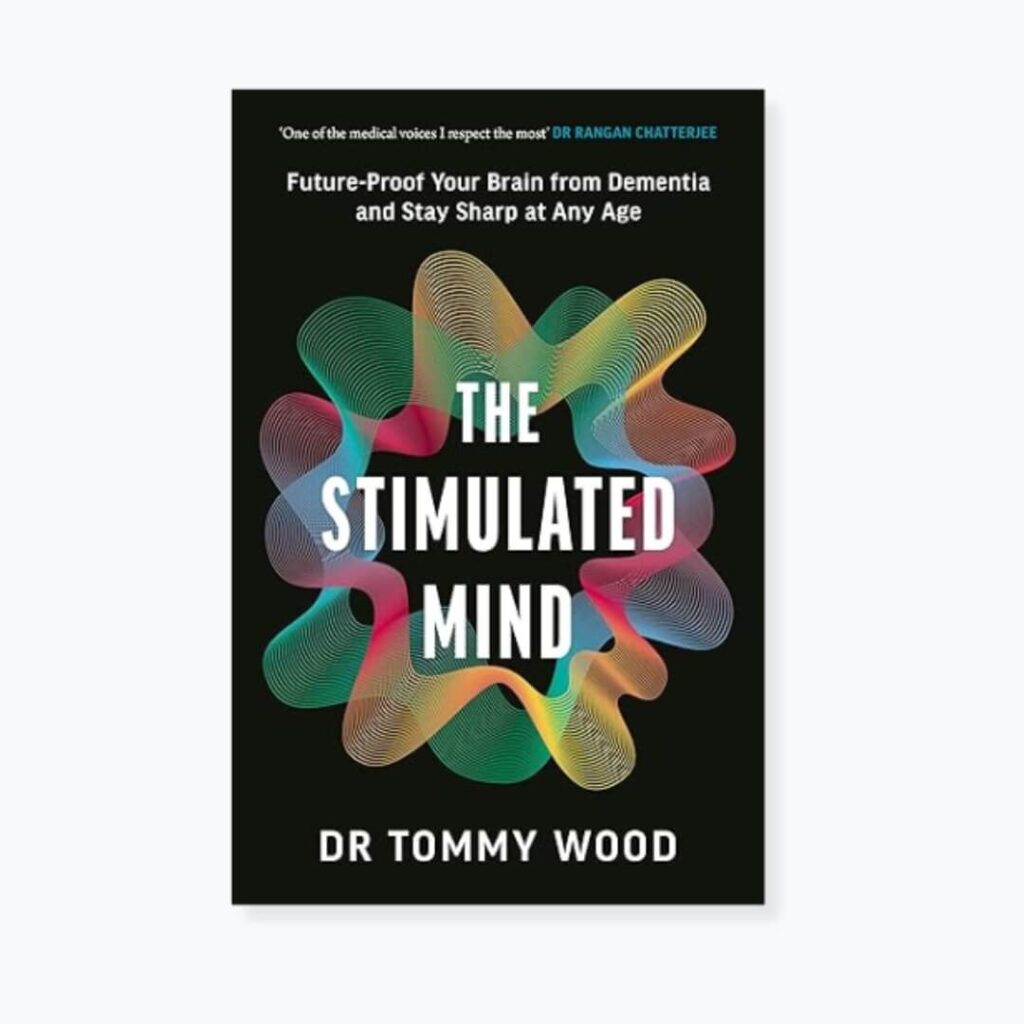
As Head of Research at Food for the Brain, Associate Professor of Pediatrics and Neuroscience at the University of Washington, and author of the forthcoming book The Stimulated Mind, Tommy brings something rare to this field. He helps connect the dots. His work focuses on how brain health is shaped across the lifespan and why protecting cognitive function means thinking in systems, not silos.

Dr Tommy Wood Brain Health Framework

One of the reasons brain health can feel confusing is that it is often presented as a list:
A long list of risk factors. Nutrients to take, habits to adopt, or a long list of things to avoid.

But the brain does not work like a checklist: it works as a living, dynamic system. It responds to what it is supplied with, how it is used, and whether it has the conditions it needs to recover and adapt.

That is the core idea behind a systems-based approach to brain health.

Instead of asking ā€œWhat is the one thing that protects the brain?ā€, it asks three bigger questions:

  • Does the brain receive enough oxygen, nutrients and stable energy to function well?
  • How well is it being stimulated to stay active, adaptable and resilient?
  • Are the foundations for repair and recovery in place, such as good sleep, stress regulation and metabolic health?

When you look at brain health this way, something important changes.

Many people understandably hope for a ā€œmagic bulletā€. One supplement. One diet. One breakthrough drug that protects the brain.

But science tells a different (more hopeful) story. Cognitive resilience is shaped by the interaction between many systems in the body. Blood flow, nutrient status, sleep, movement, learning, stress and social connection all influence how the brain functions and adapts.

The encouraging part is that this gives us many entry points for change. You do not have to get everything perfect, and small improvements across several areas can work together to create meaningful protection for the brain over time.

That is why a systems-based approach is not more complicated. In practice, it is far more empowering.

Why this matters for prevention?

One of the most important insights in Tommy’s work is that cognitive decline does not happen in isolation.

The brain changes in response to how we live. Blood flow, nutrient status, movement, learning, sleep, stress and social connection all shape how the brain ages and how resilient it remains.

This is also why Tommy’s forthcoming book, The Stimulated Mind, focuses on the interaction between stimulation, sleep and nutrient supply as key drivers of lifelong brain health.

This perspective is closely aligned with the mission of Food for the Brain. For years we have been communicating that dementia risk is not fixed. By understanding and addressing modifiable factors across the lifespan, it is possible to protect your mind and keep the brain healthier for longer.

Tommy’s leadership as Head of Research helps bring greater scientific clarity to this systems-based approach to prevention.

Watch: A systems-based approach to cognitive function

If you want to hear Tommy explain this approach in more depth, his lecture from the Upgrade Your Brain Conference is one of the clearest introductions we have shared.

Watch the lecture below.

What Tommy offers is not another list of things to do. It is a framework. A way to understand why so many different factors matter and how they fit together.

Learn More About Dr Tommy Wood Brain Health Research

If this approach resonates with you, Tommy will be going deeper in our upcoming webinar, How to Keep Your Brain Young.

In this session he will explore the science of cognitive resilience and share practical ways to stimulate the brain, support long-term brain health and reduce lifetime dementia risk.

Food for the Brain will host the webinar on 19th March 2026 at 6 pm GMT.

Tommy’s new book is available to pre-order

The Stimulated Mind: Future-Proof Your Brain from Dementia and Stay Sharp at Any Age

Tommy’s new book, The Stimulated Mind, is also available to pre-order now.
In it, he explores how the brain develops, adapts, and stays resilient across the lifespan, and why everyday factors such as movement, learning, sleep, nutrition, and social connection play such an important role in shaping long-term brain health.

Pre-order your copy today before the book releases on 26th March 2026.

Final thought

For many people, the challenge with brain health is not a lack of information. It is knowing where to start.

When advice comes as scattered tips, nutrients, tests, and lifestyle changes, it can feel difficult to turn good science into clear action.

What Tommy’s work offers is a framework: a way of understanding how the different pieces of brain health fit together and why small changes across several areas can have a powerful cumulative effect.

At Food for the Brain, this systems-based approach sits at the heart of COGNITION, our brain upgrade programme.

COGNITION helps you understand your personal risk factors, learn the most important steps to protect your brain, and put them into practice with guidance and support.

The programme has recently been upgraded and is now available globally for just £5 per month or £50 a year, making it accessible to anyone who wants to take their brain health seriously.

If Tommy’s lecture resonates with you, COGNITION is the natural next step.

Because protecting your brain is not about doing everything perfectly.

It is about understanding the system and taking the next right step.

Further info

The Biggest Myths About Alzheimer’s – And What the Science Actually Shows

The Biggest Myths About Alzheimer’s – And What the Science Actually Shows

The Biggest Myths About Alzheimer’s blog post image

Alzheimer’s disease is one of the most feared diagnosis of modern life. And where there is fear, myths flourish. Many of the biggest myths about Alzheimer’s have become widely accepted beliefs. We are told it is purely genetic, that it is an inevitable part of ageing, and that the main hope lies in new drugs targeting amyloid in the brain.

The science tells a far more complex and, importantly, far more hopeful story.

Myth #1 in the biggest myths about Alzheimer’s: ‘It’s all in your genes’

When Alzheimer’s runs in families, it is natural to assume destiny is fixed. Both your grandmothers had it, so you assume you will too.

Yet fewer than 1% of cases are caused by rare deterministic mutations in APP, PSEN1 or PSEN2 genes that lead to early-onset familial Alzheimer’s disease [1].

The vast majority of Alzheimer’s cases are late-onset and multifactorial. That means risk is shaped by multiple influences across a lifetime.

What about APOE4?

Celebrities like Chris Hemsworth have put the APOE4 gene on the map and into the public sphere and it is the strongest common genetic risk factor for late-onset Alzheimer’s. Having one copy increases risk; two copies increase it further [2]. But it does not determine outcome, as many APOE4 carriers never develop dementia. Many people with Alzheimer’s do not carry APOE4.

Genes influence vulnerability but they do not dictate your future.

APOE4 affects lipid transport, inflammatory signalling and neuronal repair. These processes are influenced by metabolic health, vascular function, nutrient status, sleep, stress physiology and lifestyle.

One of the most important things to remember is that gene expression is not static, as genes respond to the environment they are in.

The most important question is not necessarily ‘How do I check my genes?’ The question is ‘What environment are your genes operating in?’ Because you cannot change your genes but you can influence how they function and are expressed.

Myth #2 in the biggest myths about Alzheimer’s: ‘Nothing can be done’

This is the most damaging myth of all.

The 2020 Lancet Commission concluded that around 40% of dementia cases worldwide are attributable to modifiable risk factors [3]. The 2024 update increased that estimate to approximately 45% [4].

Nearly half of all cases.

And this is mainstream consensus. (Read more about the Alzheimer’s Prevention Expert Group’s APEG response to this recent Lancet report here).

The identified risk factors include hypertension, diabetes, obesity, physical inactivity, smoking, depression, hearing loss and social isolation. Importantly, Alzheimer’s risk is not fixed, it develops gradually over decades.

However, many researchers (ourselves included) believe even 45% may underestimate the true preventable proportion.

A large UK Biobank analysis published in the journal Nature Human Behaviour modelled a broader range of modifiable factors and estimated that up to around 73% of dementia cases could be attributable to modifiable influences [8]. Professor David Smith of Oxford University, co-author of that study, member of our Scientific Advisory Board, and lead investigator of the VITACOG trial, has suggested this may still be conservative, as certain blood biomarkers were not included in the modelling.

Whether the true figure is closer to 45% or 73%, the direction of evidence is consistent.

A large proportion of dementia and Alzheimer’s is preventable and you can modify your risk with simple changes.

Why biology supports prevention

Alzheimer’s develops through interacting processes such as impaired glucose metabolism, vascular dysfunction, inflammation and elevated homocysteine.

Raised homocysteine, reflecting impaired methylation and B vitamin status, is associated with increased dementia risk and accelerated brain atrophy [5].

In the VITACOG trial, homocysteine-lowering B vitamins significantly slowed whole-brain atrophy in people with mild cognitive impairment [6]. The benefit was strongest in those with adequate omega-3 status [7].

That is structural brain change.

(When compared to anti-amyloid drug trials, which show modest slowing of decline in already symptomatic patients, VITACOG demonstrated slowing of brain shrinkage itself in an at-risk group.)

Once significant neuronal loss has occurred, reversal is unlikely, but years before diagnosis, measurable risk is accumulating and that is where prevention has its power.

alzheimer's modifiable risks

Myth #3 in the biggest myths about Alzheimer’s: ‘It has a single cause

The reductionist model searches for one target and one solution.

Alzheimer’s reflects the interaction of multiple biological systems:

  • Glucose regulation
  • Vascular health
  • Lipid transport
  • Inflammation
  • Oxidative stress
  • Methylation
  • Sleep and stress regulation
  • Hormonal balance

People arrive at cognitive decline through different combinations of biological drivers. For some, insulin resistance may be central. For others, vascular stiffness and hypertension. In others, chronic inflammation and elevated homocysteine may play a key role. The destination may look similar, but the route is not.

This systems view explains why targeting one downstream marker, such as amyloid, yields modest slowing. Correcting multiple upstream drivers is biologically more plausible for meaningful long-term risk reduction.

Watch the video below to learn how Food for the Brain uses a systems-based approach.

Myth #4 in the biggest myths about Alzheimer’s: ‘It’s inevitable with ageing’

Age increases risk. However, that is only part of the story.

There are many individuals in their 80s and 90s with preserved cognition. The difference often lies in lifelong vascular, metabolic and lifestyle patterns, also known as patterns for prevention.

It is clear from what you have read so far that this is not an inevitable part of getting older. With the right knowledge and habits, it is something most people can avoid.

And that is why Food for the Brain exists, because not enough people know this and not enough people know what action they need to take to protect their brain.

A More Accurate Framework

Ageing is not the enemy. It is a privilege denied to many.

The goal is not to avoid growing older. It is to protect the brain as we do.

Alzheimer’s is not a single event. It reflects decades of interacting biological stress: metabolic strain, vascular change, inflammation and nutrient imbalance. These processes build slowly and often silently.

By the time symptoms appear, significant damage has already occurred.

The science is clear that a substantial proportion of dementia risk is modifiable [6,10]. That does not mean guarantees. It means opportunity.

You cannot change your genes and you cannot stop the passage of time.

Yet, you can influence how your brain responds to both.

And you can start today!

Gain personalised insight into your current cognitive performance and identify potential areas of vulnerability early.

Order our at-home blood test to assess homocysteine, omega-3 status, and other key markers linked to long-term brain resilience.

Our six-month brain upgrade programme provides structured guidance, accountability and expert support to help you translate knowledge into meaningful and lasting change.

Prevention is possible. It begins with measurement, and it progresses with action.

.

References
  1. Bekris LM, Yu CE, Bird TD, Tsuang DW. Genetics of Alzheimer disease. J Geriatr Psychiatry Neurol. 2010;23(4):213–27.
  2. Corder EH, Saunders AM, Strittmatter WJ, et al. Gene dose of apolipoprotein E type 4 allele and the risk of Alzheimer’s disease in late onset families. Science. 1993;261(5123):921–3.
  3. Livingston G, Huntley J, Sommerlad A, et al. Dementia prevention, intervention, and care: 2020 report of the Lancet Commission. Lancet. 2020;396(10248):413–46.
  4. Hooshmand B, Polvikoski T, Kivipelto M, et al. Plasma homocysteine, Alzheimer and cerebrovascular pathology: a population-based autopsy study. Brain. 2013;136(9):2707–16.
  5. JernerĆ©n F, Elshorbagy AK, Oulhaj A, et al. Brain atrophy in cognitively impaired elderly: the importance of long-chain omega-3 fatty acids and B vitamin status. Am J Clin Nutr. 2015;102(1):215–21.

Further info

How Female Hormones Shape Brain Health

How Female Hormones Shape Brain Health

Why do women make up nearly two thirds of those diagnosed with Alzheimer’s?

The answer may start long before symptoms appear, in the decade when hormones begin to change. The years before and after menopause mark one of the most significant neurological transitions of a woman’s life – a pivotal period for female brain health.

As oestradiol, progesterone and testosterone decline, many women notice the early signs in their minds as much as in their bodies: lapses in focus, broken sleep, rising anxiety or that creeping sense of ā€œbrain fogā€. Research now shows this is not coincidence. The same hormones that shape reproduction also shape the brain.

The Brain’s Own Hormones

Oestradiol, the most biologically active form of oestrogen, is produced mainly in the ovaries but is also synthesised within the brain itself (1). Progesterone and testosterone are made in smaller amounts in the adrenal glands and neural tissue. Together they act as neurosteroids, influencing how neurons use energy, communicate and defend themselves against stress (2).

Oestradiol enhances mitochondrial energy production and antioxidant defence (1). Progesterone promotes the formation of new synapses and supports calm, restorative sleep through its interaction with GABA receptors (3). Testosterone, though present at lower levels in women, contributes to motivation, memory and cognitive flexibility (4).

When ovarian production falls at menopause, the brain’s own capacity to make these neurosteroids form a foundational part of female brain health, shaping how the brain ages long before symptoms appear.

When Hormones Fall: The Brain’s Energy Shift

Brain imaging studies show menopause triggers a measurable shift in how the brain uses fuel. Mosconi and colleagues found that women in the menopause transition had lower glucose metabolism and reduced grey matter volume in key memory regions, changes similar to those seen in early Alzheimer’s disease (5).

Ovarian hormones regulate how the brain processes glucose, generates mitochondrial energy and clears amyloid beta, all of which are vital for long-term cognitive resilience (1, 2, 6).

Early Hormone Loss and Its Impact on Female Brain Health

Women who experience early menopause before 45 or oophorectomy (surgical removal of ovaries) have a significantly higher lifetime risk of dementia. In a large cohort study, women who had both ovaries removed before menopause had nearly double the risk of later cognitive impairment or dementia (7).

This appears linked to the duration of hormone deprivation. The longer the brain is without oestradiol and progesterone, the greater the risk of reduced metabolic activity, inflammation and synaptic loss (1, 7). Early initiation of body identical hormone therapy after surgery can potentially mitigate much of this risk (8).

Hormone Therapy and the Critical Window

Evidence now supports a critical window. Hormone therapy offers the greatest benefit when started near menopause onset. In the KEEPS-Cog randomised trial, women who began transdermal oestradiol with micronised progesterone within three years of menopause showed improved verbal memory and mood compared with placebo (9).

Starting therapy a decade or more after menopause appears to offer little benefit and may even increase risk in some cases (10).

Neuroimaging data from the UK Biobank support this pattern. Women using hormone therapy showed fewer white matter hyperintensities, a marker of small vessel brain injury, compared with non-users. The effect was strongest among early starters and long-term users. Late initiation offered minimal or no protection (11).

Nutrition and Biomarkers That Interact With Hormones

Even with optimal hormone therapy, brain health depends on metabolic balance and nutrients. Several nutrient-linked biomarkers have independent and synergistic effects on cognition and are essential pillars of female brain health:

  • Homocysteine. Elevated levels double dementia risk. Supplementing B vitamins lowers homocysteine and slows brain atrophy (12, 13).
  • Omega-3 Index. Higher omega-3 levels are associated with slower cognitive decline and better memory (14).
  • Vitamin D. Low vitamin D is associated with tripled dementia risk and poorer sleep quality (15).
  • HbA1c. Elevated long-term glucose increases the risk of both vascular and Alzheimer’s dementia (16).

Want to know what your levels are? Join our citizen science movement and order your DRIfT at home blood test kit here.

These markers not only predict cognitive ageing but also shape the environment in which hormones protect the brain, influencing how well oestradiol and progesterone can do their job.

Sleep and Its Role in Female Brain Health

Sleep is the brain’s repair cycle. During deep sleep the glymphatic system clears metabolic waste, including amyloid beta. Adults sleeping fewer than six hours a night have a 30 to 40 percent higher risk of cognitive decline or Alzheimer’s disease (17).

Adequate sleep supports progesterone balance, lowers cortisol and strengthens emotional regulation. It is a natural complement to both hormonal and nutritional support. (Read our recent sleep series here and here for more info.)

Key Takeaways

  • Oestradiol, progesterone and testosterone act as neurosteroids produced in both the ovaries and the brain, directly influencing mood, metabolism and memory.
  • Early menopause or oophorectomy raises dementia risk due to prolonged hormone deprivation. Early, body-identical hormone replacement may mitigate this.
  • Hormone therapy timing matters. Benefits are strongest when started soon after menopause.
  • Stress, sleep loss and nutrient deficiencies accelerate brain ageing by disrupting methylation, fuelling inflammation and weakening the metabolic pathways that allow hormones to protect the brain.
  • Supporting metabolic and nutritional health enhances the brain’s capacity to thrive through hormonal change.

What to do next?

References:

  1. Brinton RD. Estrogen regulation of glucose metabolism and mitochondrial function. Prog Brain Res. 2010;182:121-43.
  2. Arevalo MA, Azcoitia I, Garcia-Segura LM. The neuroprotective actions of oestradiol and estrogen receptors. Nat Rev Neurosci. 2015;16(1):17-29.
  3. Andreano JM, Cahill L. Menstrual cycle modulation of medial temporal activity. NeuroImage. 2010;53(4):1286-93.
  4. Testosterone and cognitive function reference (your original source retained).
  5. Mosconi L, et al. Sex differences in Alzheimer risk. Neurology. 2017;89(13):1382-90.
  6. Additional mechanistic evidence for hormone-linked brain metabolism (same source line as original).
  7. Rocca WA, et al. Increased risk of cognitive impairment after oophorectomy. Neurology. 2007;69(11):1074-83.
  8. Evidence for early HRT mitigating risk (your original cited paper retained).
  9. Kantarci K, et al. Early hormone therapy and cognition: KEEPS-Cog. PLoS Med. 2015;12(6):e1001833.
  10. Whitmer RA, et al. Timing of hormone therapy and dementia. Ann Neurol. 2011;69(1):163-9.
  11. Shaaban CE, et al. Menopausal hormone therapy and white matter hyperintensities. Alzheimers Res Ther. 2022;14(1):91.
  12. Smith AD, et al. Homocysteine-lowering B vitamins slow brain atrophy. PLoS One. 2010;5(9):e12244.
  13. Douaud G, et al. Preventing Alzheimer-related atrophy by B vitamin treatment. Proc Natl Acad Sci USA. 2013;110(23):9523-8.
  14. Tan ZS, et al. Omega-3 fatty acids and brain aging. Neurology. 2012;78(9):658-64.
  15. Littlejohns TJ, et al. Vitamin D and dementia risk. Neurology. 2014;83(10):920-8.
  16. Crane PK, et al. Glucose levels and dementia. N Engl J Med. 2013;369(6):540-8.
  17. Scullin MK, Bliwise DL. Sleep, cognition, and normal aging. Perspect Psychol Sci. 2015;10(1):97-137.
Further info

Melatonin: The Brain’s Night-Time Antioxidant

Melatonin: The Brain’s Night-Time Antioxidant

This night-time molecule is also one of the brain’s most powerful protectors – your night-time antioxidant – working while you rest, to defend neurons, restore energy and preserve clear thinking. Melatonin helps your brain clean up daily oxidative damage, regulate mood, and protect memory networks from ageing.

When levels drop – through stress, light exposure, age or caffeine – you don’t just lose sleep; you lose part of your brain’s natural repair system.

The Brain’s Nightly Repair Shift

Every night, while you rest, your brain goes to work. Waste is cleared away, cells are repaired, and antioxidants are replenished.

At the heart of this clean-up crew is melatonin, made in the pineal gland and the master conductor of your brain’s nocturnal activity.

It doesn’t just promote sleep; it powers the production of glutathione, the body and brain’s chief antioxidant and cellular shield. When melatonin levels fall, oxidative stress rises – accelerating neuronal ageing and the build-up of damaging amyloid and tau proteins (1, 2). Why? Melatonin normally switches on the brain’s own antioxidant defences, recycling glutathione and neutralising free radicals inside mitochondria. Without enough melatonin, these reactive molecules (like amyloid and tau proteins) accumulate, inflaming brain tissue and allowing toxic proteins to clump together.

In studies (2), restoring melatonin reduced oxidative damage and slowed amyloid formation – a reminder that good sleep truly is brain repair in action.

Want to know what your current glutathione status is? Order your test here to find out

Light At Night Steals Your Brain’s Protection

Here’s the catch: melatonin only comes out when it’s dark.

Even modest evening light – the glow of your phone, TV, bedside lamp or standby light – can switch off its release (7).

That’s because the light-sensitive cells in your eyes, send a ā€œdaytimeā€ signal to the brain’s master clock in the suprachiasmatic nucleus (a tiny region in the hypothalamus that controls your body’s sleep-wake rhythm) instantly halting melatonin production.

In clinical studies, exposure to ordinary indoor light before bedtime suppressed melatonin by up to 85 per cent and shortened its duration by several hours (7).

That’s why your late-night scroll or TV binge can leave you foggy and flat the next morning. 

To support melatonin, you want to create a dark place to sleep. No lights on, heavy curtains, no street lamps. Using eye masks and utilising blue-light blocking glasses, software or filters can also be helpful if you know you are going to be on screens in the evening. You can even get special bulbs for bedside lamps or special lighting solutions for the bathroom for nighttime toilet trips.

Light is a powerful data input into the brain – so be mindful and protect yourself where practical and possible. 

Age, Stress And Hormones Flatten The Rhythm

As time goes by, your natural melatonin rhythm starts to fade – by mid-life, your night-time levels can fall by half (3).

It’s one of many reasons why people can start waking up at night, struggle to drift off, or feel less refreshed after sleep.

For women, the hormonal rollercoaster of perimenopause makes things even trickier: falling oestrogen and progesterone throw the body clock off balance, making deep sleep harder just when the brain needs it most (5). (Learn more about how to support women’s hormones and brain health here.)

Melatonin levels don’t just impact sleep; studies show that lower melatonin is linked with poorer memory, mood dips and faster cognitive ageing (4). While melatonin is impacted by ageing, the good news is that it can be supported and restored.

Coffee vs. Melatonin – When Caffeine Steals Your Sleep Hormone

Caffeine doesn’t just keep you awake – it directly interferes with melatonin’s nightly rise.
Even a single espresso six hours before bed can delay melatonin release by up to 40 minutes and reduce total melatonin production by as much as 20% (9). (And don’t forget black and green tea and most energy drinks contain caffeine too.)

That’s because caffeine blocks adenosine receptors – the same system that tells the pineal gland it’s time for darkness and rest. When that signal is muted, the body’s internal clock (the suprachiasmatic nucleus) misreads the time and keeps you in ‘day-mode’ far longer than intended.

  • Avoid coffee (and other caffeine sources) after 12 p.m., especially if you have sleep or mood issues.
  • Choose herbal or decaf alternatives after lunch. If you’re sensitive, even morning caffeine can blunt night-time melatonin, so experiment with caffeine-free days and observe your sleep quality.

Melatonin and Mitochondria: Your Inner Night-Time Antioxidant Factory

Here’s where melatonin gets even more fascinating. It isn’t just released from the pineal gland at night, your brain cells actually produce it inside their mitochondria, the tiny engines that create energy (ATP) and power every thought and memory (8).

This is clever biology: the very place where energy is made – and where most oxidative stress occurs – also makes its own night-time antioxidant. Melatonin acts locally in the cell, mopping up the free radicals created as mitochondria burn fuel through the day, keeping these fragile energy factories running smoothly (1).

It doesn’t function only as a sleep hormone, made only in the pineal gland – it’s also made throughout your brain (and body’s) energy-producing mitochondria, where it acts as a built-in night-time antioxidant to protect them from damage.

This local production is what keeps your neurons energised and resilient – and why good, deep sleep is essential for restoring brain power and mental clarity. (And why disrupted or shallow sleep can leave you foggy the next morning!)Want more insight into how to support your brain through quality sleep? Join our next live webinar with our expert Sleep Scientist here.

How To Restore Your Natural Rhythm

While short-term melatonin supplements (0.5–3 mg) can improve sleep onset and quality in older adults (6) and can be bought in North America or prescribed in the UK, the goal is to rebuild the body’s own rhythm:

  • Dark evenings, bright mornings – dim lights, avoid screens, use blue-light blocking technology, glasses and filters an hour before bed; get natural light soon after waking.
  • Avoid caffeine after 12 pm or if sleep is a real struggle – remove altogether, and see how it impacts your sleep.
  • Tryptophan-rich foods – turkey, oats, eggs and sunflower seeds support serotonin-to-melatonin conversion (with B6 and magnesium).
  • Keep bedrooms cool and quiet – a small temperature drop signals melatonin release.
  • Check in with your antioxidant status with the DRIfT test here.

Melatonin: Protecting Your Brain’s Night-time Antioxidant Rhythm

Melatonin is the nightly molecule that lets the brain rest, reset and renew itself.

Protecting your melatonin rhythm may be one of the simplest, most powerful preventative steps you can take to protect your memory.

To learn more and take action:

Related reading

Reference:

  1. Reiter RJ et al. Melatonin as an antioxidant: under promises but over delivers. J Pineal Res. 2016;61(3):253–78.
  2. Cardinali DP et al. Melatonin reduces oxidative damage and amyloid pathology in Alzheimer transgenic mice. J Pineal Res. 2013;55(4):427–37.
  3. Waldhauser F et al. Age-related changes in melatonin levels. J Clin Endocrinol Metab. 1988;66(3):648–52.
  4. Wu YH et al. Sleep, melatonin and the aging brain. J Pineal Res. 2005;38(3):145–52.
  5. Baker FC, Driver HS. Circadian rhythms, sleep and the menstrual cycle in women. Sleep Med. 2007;8(6):613–22.
  6. Ferracioli-Oda E et al. Meta-analysis: efficacy of melatonin for primary sleep disorders. PLoS One. 2013;8(5):e63773.
  7. Gooley JJ et al. Exposure to room light before bedtime suppresses melatonin onset and shortens its duration. J Clin Endocrinol Metab. 2011;96(3):E463–72.
  8. Suofu Y et al. Mitochondrial synthesis of melatonin enhances neuroprotection. Proc Natl Acad Sci USA. 2017;114(32):E7997–8006.
  9. Burke TM et al. Caffeine effects on the circadian melatonin rhythm: a controlled trial. J Clin Sleep Med. 2015;11(8):893–900.
Further info

Sugar, Metabolic Syndrome and Early-Onset Dementia: Is This Type 3 Diabetes?

Sugar, Metabolic Syndrome and Early-Onset Dementia: Is This Type 3 Diabetes?

Insulin molecule. Computer model showing the structure of a molecule of the hormone insulin. Insulin plays a key role in blood sugar regulation, released from the pancreas when blood sugar levels rise, for example after a meal. Impaired insulin signalling is not only central to diabetes but is also linked to ā€œType 3 diabetes,ā€ a term used to describe insulin resistance in the brain that contributes to Alzheimer’s disease and dementia.

Why are more people in their 40s and 50s developing dementia? Most assume the answer lies in the genes. But here’s the reality: fewer than 1% of Alzheimer’s cases are caused by rare genetic mutations. The other 99%? They are driven largely by preventable, lifestyle-related factors – and at the centre of the storm is how we process sugar, , leading many scientists to describe Alzheimer’s as ā€œType 3 diabetes.ā€

A major new study of nearly two million people confirms that metabolic syndrome – the cluster of blood sugar imbalance, abdominal obesity, high blood pressure, and poor lipid levels  – significantly increases the risk of early-onset dementia.

This should be front-page news. Dementia is now affecting people in their 40s and 50s, not just the elderly. And at the heart of this early decline? Poor blood sugar control, excess abdominal fat, and the metabolic mayhem caused by high-sugar diets.

The Evidence: 24% Higher Risk of Dementia Before Age 65

The landmark 2024 study published in JAMA Neurology followed more than 1.9 million adults and found that those with metabolic syndrome had a 24% higher risk of developing dementia before the age of 65 compared with those without (1).

The strongest associations were observed with:

  • Hyperglycaemia (high blood sugar)
  • Abdominal obesity (visceral fat around the waist)

These two factors, when present together, were particularly predictive of vascular dementia, although risks were also elevated for Alzheimer’s disease and other forms of dementia.

The authors adjusted for other lifestyle and demographic factors, confirming that metabolic health itself was an independent driver. Men and those in their 40s showed the highest vulnerability.This aligns with decades of research linking insulin resistance and poor glucose control with brain shrinkage, memory loss, and neurodegeneration – all of which are discussed in detail in [here] and [here]. 

The Type 3 Diabetes Hypothesis

Scientists have increasingly referred to Alzheimer’s disease as ā€œType 3 diabetesā€ – a term that reflects how brain cells become resistant to insulin and fail to metabolise glucose properly.

Chronically high blood sugar damages blood vessels in the brain, increases inflammation, and accelerates the formation of amyloid plaques, all hallmark features of Alzheimer’s pathology. This new study provides the strongest population-level evidence to date that the same dysfunction is also driving younger-onset dementia.

The Role of Fructose and Processed Sugar

Endocrinologist and paediatric neuroendocrinologist Dr Robert Lustig has long warned of the unique effects of fructose (a sugar found in high-fructose corn syrup and added sugars) on the brain. Unlike glucose, fructose is processed in the liver, promoting visceral fat, insulin resistance, and inflammation – all central to metabolic syndrome (2).

When the brain is chronically exposed to excess sugar and insulin, its ability to generate energy and form new synapses becomes impaired. Over time, it is as if the brain is being starved, even in the midst of plenty.

 This isn’t just a long-term risk – we’re now seeing it play out in middle-aged adults.

Thankfully we know that there is much you can do to prevent this from happening – your future is in your hands – here is what to focus on.

What Can You Do? Five Simple Shifts

  1. Check your blood sugar regulation. The HbA1c test is a key marker of long-term blood glucose control. (Available via our home test kits and in our DRIfT 5 in 1 test kit.)
  2. Prioritise low-GL, whole foods. Swap out refined carbohydrates and processed sugars for whole grains, legumes, nuts, and non-starchy vegetables.
  3. Limit fructose. Reduce or remove sweetened drinks (including fruit juice), syrups, and processed snacks high in high-fructose corn syrup. Read more on high/low fructose foods here.
  4. Assess your waist size. Abdominal fat is a strong dementia risk factor. A healthy waistline helps protect your brain.
  5. Exercise regularly. Just 30 minutes a day improves insulin sensitivity and helps the brain use glucose more efficiently.

Need help taking action on the above? Struggle to know how to ditch your sweet tooth?

Join us in the Forget Sugar Webinar in October with Patrick Holford.

A Wake-Up Call, Not a Life Sentence

This study shows a sobering trend – but Food for the Brain exists to empower you in your prevention path. Early-onset dementia is not inevitable. It is largely preventable if you act now. Sugar, insulin resistance, and metabolic syndrome are right at the centre of the problem.

We need public health messaging that reflects this. Dementia is not just an age-related disease. It’s a lifestyle-driven brain disorder that begins years, even decades, before diagnosis.

Your brain doesn’t have to retire early – start your brain upgrade programme and journey today.Want to assess your brain health? Complete this free validated online Cognitive Function test to receive personalised insights into your brain health, along with guidance on what you can do to reduce your risk and protect your future!


References

  1.  Jang H et al. Association Between Metabolic Syndrome and Early-Onset Dementia in a Nationwide Cohort. JAMA Neurol. 2024. doi:10.1001/jamaneurol.2024.xxxxxx
  2. Lustig RH. Fat Chance: The Hidden Truth About Sugar, Obesity and Disease. Penguin; 2013.https://pubmed.ncbi.nlm.nih.gov/12450889/

Further info

Telomeres and the Ageing Brain: How to Protect Your Mind at a Cellular Level

Your body is continually renewing itself by producing new cells. When it comes to protecting and enhancing your brain health, especially as you age, the quality of these new cells becomes increasingly important. A key factor in this cellular renewal process is the health of your telomeres – the protective caps at the ends of your chromosomes. A recent report has reinforced the strong link between telomere length and brain health, with shorter telomeres now recognised as early indicators of cognitive decline and increased dementia risk.

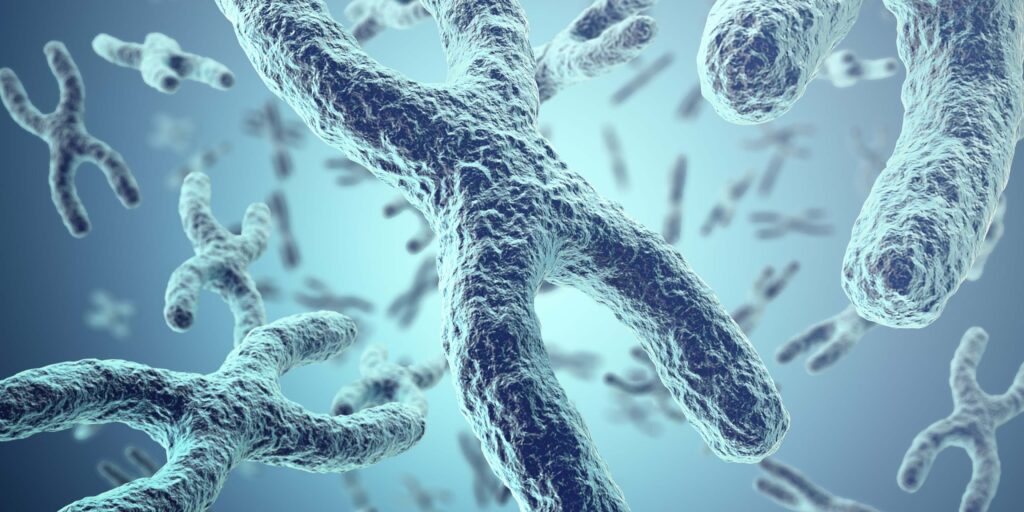
The process of making a new cell in your body starts by copying the map of how to build that cell, which is contained in a package of DNA strands, called a chromosome. The chromosome divides in two, giving a new set of instructions to the new cell. At the end of the chromosome is something called a telomere, which is a bit like the hard tip at the end of a shoelace. This becomes shorter with each cell division, until it is too short and the DNA is no longer protected. This triggers rapid ageing because cells stop dividing and, therefore, stop being replaced. Meanwhile, there is an enzyme, called telomerase, which can lengthen the telomere. The more telomerase activity, the slower the ageing process. For example, there is one bacterium called Tetrahymena thermophila, that has superactive telomerase so its telomeres never shorten – and it can live indefinitely.

Telomeres and Brain Ageing: The New Frontier

A recent report highlighted that shortened telomeres are not just markers of biological ageing, but also significant predictors of neurodegenerative diseases such as Alzheimer’s and other forms of dementia. According to the report, individuals with the shortest telomeres were at greater risk of developing age-related brain diseases, underscoring the urgency of protecting telomere integrity as part of a comprehensive dementia prevention strategy.

This aligns perfectly with our 6-month COGNITION brain upgrade programme, which targets eight nutrition and lifestyle domains known to support brain health, including sleep, stress, diet, and nutrient status – each of which has been shown to influence telomere length. In fact, many of the nutrients and behaviours proven to protect telomeres, such as vitamin D, omega-3 fatty acids, anti-inflammatory diets, and methylation support through B vitamins, are key focus areas within our COGNITION framework.

So, what does the research say about how we can lengthen our telomeres and protect our future?

Reduce your stress

Chronic stress, such as caring for someone with dementia, has been shown to reduce telomerase activity and shorten telomeres. Childhood trauma, depression, and even cynicism (1) also have a negative impact. On the other hand, practices like meditation have been shown to support longer telomeres (2).

Prioritise sleep

Quality sleep is linked to longer telomeres (3). For healthy ageing and longevity around seven hours per night appears optimal.

Get moving

Physical activity is another powerful protector of telomeres. Even individuals with PTSD who engaged in regular exercise were found to avoid the usual telomere shortening. (4)

Avoid smoking and maintain a healthy weight

Both smoking and obesity are linked to shortened telomeres.

Increase omega-3 and vitamin D

Studies show that higher intakes of omega-3 fish oils are associated with longer telomeres. A 2013 study found that DHA and EPA reduced telomere shortening (5). Other research links higher vitamin D levels with longer telomeres ( 6, 7). Both nutrients are abundant in oily fish.

Lower homocysteine levels

Homocysteine is a neurotoxic amino acid. Higher levels of B12 and folate, and lower homocysteine levels, are associated with longer telomeres (8, 9). A Singaporean study confirmed that elevated homocysteine levels predicts shorter telomeres (10).

This would seem to indicate that testing your homocysteine level is one of the smartest things you can do for your long-term brain health. That’s why we include it in our DRIFT 5-in-1 blood test here. This accurate at-home test measures five crucial biomarkers for assessing dementia risk and cognitive resilience.

Eat anti-inflammatory foods

A 2015 study found that individuals who consumed more anti-inflammatory foods had longer telomeres (11). Another study showed that greater vegetable intake is associated with longer telomeres (12). Even multivitamin use, which typically includes B12 and folate, has been linked to longer telomeres (13). (Find out advice on supplementation here).

If you want more personalised guidance on how to protect your brain – and your future health – Become a FRIEND today and get access to your personalised 6-month brain upgrade programme COGNITIONĀ®.

Join us in building a future where cognitive decline is not inevitable but preventable.

4 https://pubmed.ncbi.nlm.nih.gov/20520771/

7 http://www.ncbi.nlm.nih.gov/pubmed/22417715

12 http://www.ncbi.nlm.nih.gov/pubmed/2656006413


Further info

Cognitive Decline Starts at 18 – and So Should Alzheimer’s Prevention

By Patrick Holford

Most people think forgetfulness and failing memory only begin in later life. But what if you found out that cognitive decline actually begins much earlier – around the age of 18 – and that what you do when you’re young can dementia-proof yourself for when you’re older?

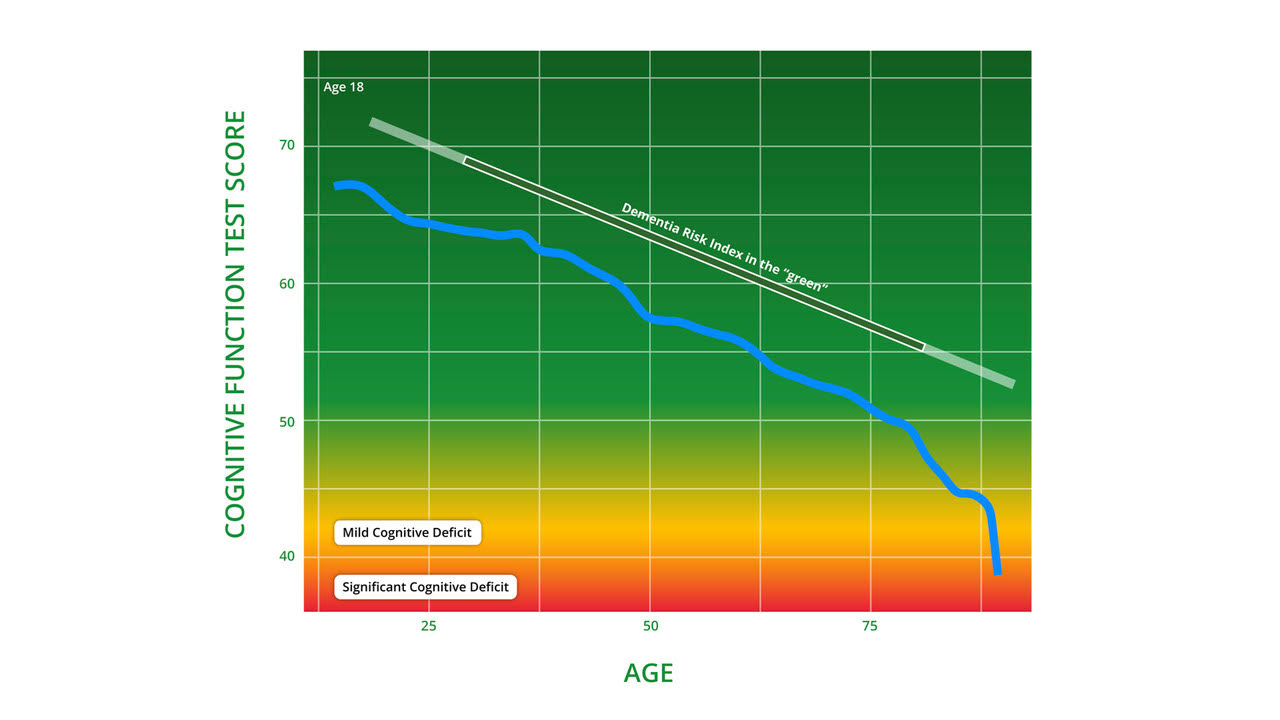
This is the latest discovery from Food for the Brain’s research! Now that hundreds of thousands of participants have completed the Cognitive Function Test, we are starting to extract these world first findings.  Although the test was designed to identify those at risk for dementia later in life, the extraordinary finding is that cognitive function declines, on average, year by year from the age of 18.

The results involving 172,098 people who took the free test between 2011 and 2024 show that there is a steady decline, on average, with a sharp drop-off after the age of 80. 

In one alarming case that underscores the need to promote prevention as early as possible, researchers in South China recently diagnosed probable Alzheimer’s disease in a 19-year-old male – the youngest ever recorded – highlighting the fact that dementia, while rare in youth, is not exclusively a condition of old age (1).  This makes early prevention not only relevant but essential.

This isn’t a message of fear.  It’s one of hope and empowerment, emphasising that it’s never too early to start supporting your brain health. (This is why we created the Smart Kids & Teens COGNITION Programme.) Cognitive slippage doesn’t happen to everyone – it’s possible to maintain or even improve brain function with optimal nutrition and lifestyle habits. Food for the Brain’s research also found that those whose Dementia Risk Index is in the top quarter, in ā€˜the green’- are not expected to come close to the zone of cognitive decline before age 100. A person’s Dementia Risk Index is calculated from completing the COGNITION diet and lifestyle questionnaire that follows the free Cognitive Function Test.

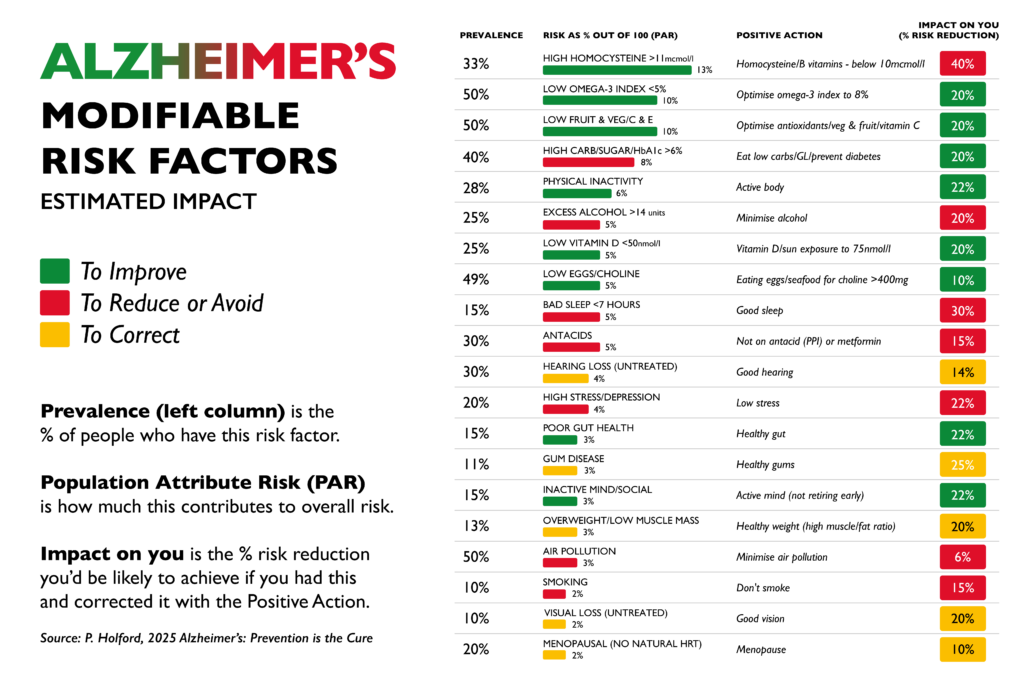
The five most impactful prevention steps are: 

  1. Sufficient intake of B vitamins
  2. Omega-3 from seafood and supplements
  3. More vegetables and fruit, and less sugar and refined carbohydrates
  4. More exercise
  5. Less alcohol 

See the Alzheimer’s Modifiable Risk Factor chart below:

Understanding that decline can start early in life means you can take steps now – whether you’re 18 or 80 – to protect your brain. This is also where our Citizen Scientist FRIEND community plays a vital role! Whether you’re a parent, grandparent, teacher, coach, youth worker, mentor, or simply someone who cares about young people, you can help the next generation build lifelong resilience – by becoming a FRIEND of Food for the Brain, accessing your personalised six-month Brain Upgrade Programme and encouraging as many as possible to take the free Cognitive Function Test to become ā€˜dementia-proof’.

How to ā€˜Dementia-Proof’ Yourself

We describe someone as ‘dementia-proof’ when the projection of their Cognitive Function Test results suggest they will remain in the healthy ‘green zone’ (optimal cognitive health) beyond the age of 100, as shown in the graph above.

Food for the Brain is helping thousands  of people achieve this dementia-proof status through our COGNITION programme, which identifies a person’s ‘quick wins’ and supports behaviour change with personalised, interactive emails and live group health coaching. For some, this means going to bed earlier for more sleep. For others, it might mean avoiding foods with added sugar, cutting back on alcohol or getting outdoors to exercise. For many it means optimising intake of B vitamins, omega-3, vitamin D, and antioxidants.
(Do you know what your levels of these important brain-protecting nutrients are? If not, make sure you order our accurate  at-home pinprick DRIfT test, another way to support our research and upgrade your brain.)

Start Young to Prevent Cognitive Decline

Brain fog, poor concentration, low mood, or forgetfulness aren’t just part of ā€œbeing busyā€ or ā€œgetting older.ā€ These can be early signs that your brain isn’t getting what it needs.  Better sleep, nutrition, regular activity, and lower stress levels all help preserve cognitive function as you age.  

Investing in your brain health early means:

  • Sharper focus and concentration for study, work, and everyday life
  • Greater emotional resilience, reducing anxiety and improving your mood
  • Improved memory and creativity, helping you perform optimally in all areas of life
  • More energy and better sleep, to improve the way you feel and function every day

When you support your brain health, you support every other aspect of your health too!h. Be it that outer glow on the skin, more balanced hormones, or improved gut health, all of it starts with brain health. It’s never too late, and it’s never too early – it is only important to make a start!

Whether you’re a teenager, a student in your 20s, raising a family in your 40s, or retired in your 70s, your brain is changing every day – and the good news is that it can respond positively to lifestyle changes at any age.

Remember: there is so much you can do to help to prevent Alzheimer’s and optimise your brain health – whatever your age.

Ready to take control of your brain’s future?

Order your at-home DRIfT pinprick blood test to contribute to our research and discover your unique levels of essential brain-supporting nutrients.


We are one of the few charities focused on independent research and education around prevention – join our mission today and become a FRIEND.  

As a FRIEND, you’ll receive:

  • Access to your 6-month personalised Brain Upgrade Journey
  • Entry to our Education Hub
  • Monthly live group health coaching

Further reading: This idea is echoed in the work of Associate Professor Tommy Wood, Head of Research at Food for the Brain, in his article Use it or Lose it: Why an Active Lifestyle is a Brain Essential.

Reference:
1. Jia J, Zhang Y, Shi Y, Yin X, Wang S, Li Y, Zhao T, Liu W, Zhou A, Jia L.  A 19-Year-Old Adolescent with Probable Alzheimer’s Disease.  J Alzheimers Dis.  2023;91(3):915-922.  doi: 10.3233/JAD-221065.  Erratum in: J Alzheimers Dis.  2023;92(4):1501-1502.  doi: 10.3233/JAD-239001.  PMID: 36565128.


Further info

The Overlooked Link Between Methylation, Brain Development, and Neurodivergence

By Patrick Holford

The Overlooked Link Between Methylation, Brain Development, and Neurodivergence

In 1965, UK paediatrician Dr Richard Smithells discovered that children with low folate were at significantly higher risk of neural tube defects, then commonly referred to as spina bifida.

It took more than 25 years for his research to be taken seriously. 

It wasn’t until the late 1980s that the Medical Research Council agreed to fund a study, the results of which were published in 1990. In 1991 the UK government told all women who were pregnant or planning pregnancy, to supplement 400 mcg of folic acid.

Folic acid reduces risk by supporting the process of methylation, which can be assessed through homocysteine levels. The process of methylation is vital for neuronal development and it depends not only on folate, but also on vitamins B6 and B12. Nine in ten obese women in the EU fail to achieve basic guidelines for folic acid supplementation in early and pre-pregnancy which would help to prevent such tragic neurodevelopmental problems (1).

Accelerated Brain Shrinkage & Methylation

More than half of all children, and probably their parents, are deficient in B12. Accelerated brain shrinkage occurs below 500 pg/ml, as established by Professor David Smith’s research at Oxford University more than a decade ago. This is why several countries, such as Japan, set the ā€˜normal’ range for serum B12 as being above 500 pg/ml. Despite clear evidence to the contrary over the past decade, both UK and US health authorities have failed to correct the wrongful reference range for vitamin B12, set at less than half this, namely 180pg/ml (2).

A recent study of 3,000 EU children reported that the median level was 347 pg/ml and one third were below 200 pg/ml (3). This means that at least half of the children had levels associated with accelerated brain atrophy. This deficiency is especially prevalent in vegan children.

Poor methylation, identified by raised homocysteine, isn’t just an established risk factor or biomarker for neural tube defects. It is also a biomarker for autism, poor cognition in children, epilepsy, congenital heart defects, reduced birth weight and size, pregnancy complications, miscarriages, bipolar disorder, depression and schizophrenia (4). Methylation is required to ā€˜marry’ omega-3 DHA to phospholipids such as phosphatidylcholine, to form neuronal membranes essential for brain communication. Without healthy, fully functional neuronal membranes, cognition becomes ā€˜disconnected’.

The Bristol Avon study of 11,875 pregnant women showed a clear relationship between the amount of seafood consumed by a pregnant woman and their child’s development. The less seafood consumed, the worse the child’s social behaviour, fine motor skills, communication, social development, and verbal IQ (5).

At the Chelsea and Westminster campus of Imperial College London, Professor Michael Crawford’s team at the Institute of Brain Chemistry and Human Nutrition, has identified which mothers are likely to have neurodevelopmentally impaired infants based on their blood level of a type of oleic acid, which is produced as a substitute when insufficient omega-3 DHA is available to build the foetal brain (6). DHA is not only critical for brain development, but also essential for optimal visual function.

Insufficient choline, a primary constituent of phospholipids, during pregnancy is strongly linked to poor cognition. Women given choline in the last trimester have infants with faster speed of processing information and memory between four and thirteen months of age (7). The protective intake, 400mg per day, has also been shown to cut the risk of cognitive decline, dementia and Alzheimer’s by about 20% (8). So, lack of folate, B12, omega-3 fats and possibly choline are all extremely common and all strongly linked to many aspects of neurodivergence, including autism.

How Much is ā€˜in the Genes’?

The culturally ā€˜acceptable’ view is that neurodivergence can’t be ā€˜treated’ – that the challenging symptoms experienced by those classified as neurodivergent or autistic (for example, cognitive and communication problems, anxiety and depression) can never be improved, despite clear evidence to the contrary. It is believed by some that autism, since it sometimes occurs within families, might be largely ā€˜in the genes’, as it was for Alzheimer’s. But families share environments, including habits from diet, smoking and drinking. We now know that genes cause less than one in a hundred cases of Alzheimer’s (9). Also, the gene hypothesis cannot adequately explain the dramatic rise in autism diagnoses in recent decades nor does it accept the simple fact that genes can only exert their effects across our biology – which is directly affected by nutrition.

That is not to say that genes don’t play a part in neurodivergence. There are several known genetic polymorphisms that do increase risk of neurodivergence such as a key methylation gene polymorphism, MTHFR677TT, which means that a person is less good at methylation, and needs more B vitamins. If present in the mother or child it almost doubles the risk of autism. A recent meta-analysis concludes, ā€œFor those mothers and children who are generally susceptible to autism, prenatal folate and vitamin B12 may reduce the risk that children suffer from autism.ā€ (10) This is the same gene polymorphism that increases risk of Alzheimer’s disease.

Associate Professor Murphy’s research in Spain found that those women who had a homocysteine level above 9 mcmol/l, which is not uncommon (ideal is below 7), strongly predicted neurodivergent problems in their children at 4 months and again at 6 years of age, including an increased risk of autism, with children more likely to suffer from anxiety, depression, social problems and aggressive behaviour (11). 

Personalised Assessment Is Needed

Neurodivergence, including conditions such as autism, is a broad and evolving concept, which currently encompasses so many children. There are many potential contributors including gut-brain problems, neuro-inflammation, nutritional deficiencies, toxic excesses, microbe infections including mould, food and other allergies, smartphone overuse, psychological and social issues, as well as genes. Every child needs a full assessment of these potential contributory factors. Individual assessment is required, with nutrition being one of the key factors to address. 

As Dr Rona Tutt, OBE, past President of the National Association of Head Teachers, an expert in special needs and on the board of Trustees says:

ā€œPeople come in assorted shapes and sizes with brains that are unique.  A significant minority who are neurodivergent, need to be recognised, valued and supported, so they can maximise their strengths and overcome their challenges. We need to understand what is driving this increase in neurodivergence and how to best support and optimise a child’s potential.ā€

We Cannot Repeat Our Past Mistakes

Our goal in launching COGNITION for Smart Kids & Teens is to empower children and their parents to be the best they can be. Children are our future, yet the current system is already struggling, with one in six children identified as having special educational needs. We can no longer ignore the clear and growing body of evidence linking neurodivergence to widespread deficiencies in B vitamins and omega-3 fats – key drivers of impaired methylation. Addressing these foundational nutritional gaps must be the starting point for effective intervention.  Ignoring or opposing this imperative is no different from what happened to Dr Smithell’s research on folic acid and neural tube defects. Initially, they said it wasn’t true and wasn’t important. Twenty five years later, to the cost of many thousands of children, it was finally recognised as both true and very important. 

I hope we do not have to wait as long for the role of nutrition in neurodivergence to be taken seriously. 

What we are campaigning for is widespread social awareness, along with governmental acceptance. The purpose of COGNITION for Smart Kids & Teens is to give parents a direct way to assess their children and identify simple and doable ways to help them reach their full potential for health and happiness.

Visit foodforthebrain.org/smartkids to find out more about the campaign, which launches on April 24th with both a conference for health professionals and a public webinar for parents. This coincides with the launch of the free on-line COGNITION for Smart Kids and Teens – an assessment with personalised advice on how to help children reach their full potential.

References:

1 https://www.cdc.gov/mmwr/volumes/72/ss/ss7202a1.htm?s_cid=ss7202a1_w

2 https://researchbriefings.files.parliament.uk/documents/POST-PN-0612/POST-PN-0612.pdf; see also Russell G, Stapley S, Newlove-Delgado T, Salmon A, White R, Warren F, Pearson A, Ford T. Time trends in autism diagnosis over 20 years: a UK population-based cohort study. J Child Psychol Psychiatry. 2022 Jun;63(6):674-682. doi: 10.1111/jcpp.13505

3 https://www.gov.scot/publications/pupil-census-supplementary-statistics/

4 https://www.health-ni.gov.uk/news/publication-prevalence-autism-including-aspergers-syndrome-school-age-children-northern-ireland-a nnual-report-2023

5 D’Adamo C et al., Reversal of Autism Symptoms among Dizygotic Twins through a Personalized Lifestyle and Environmental Modification Approach: A Case Report and Review of the Literature. J Pers Med. 2024 Jun 15;14(6):641. doi: 10.3390/jpm14060641

6 Survey conducted in collaboration with the charity Thinking Autism. The full survey results will be shown at the Smart Kids conference, April 24th 20025.

7 https://www.nhs.uk/conditions/autism/autism-and-everyday-life/treatments-that-are-not-recommended-for-autism/

8  https://www.nice.org.uk/guidance/cg142/chapter/Recommendations#interventions-for-autism-2

9 RoigƩ-Castellvƭ J, Murphy M, FernƔndez-Ballart J, Canals J. Moderately elevated preconception fasting plasma total homocysteine is a risk factor for psychological problems in childhood. Public Health Nutr. 2019 Jun;22(9):1615-1623. doi: 10.1017/S1368980018003610; see also Murphy MM, Fernandez-Ballart JD, Molloy AM, Canals J. Moderately elevated maternal homocysteine at preconception is inversely associated with cognitive performance in children 4 months and 6 years after birth. Matern Child Nutr 2017;13,e12289 . doi: 10.1111/mcn.12289

10 Hasler M, Fideli ÜS, Susi A, Hisle-Gorman E. Examining the relationship between autism spectrum disorder and neural tube defects. Congenit Anom (Kyoto). 2023 Jul;63(4):100-108. doi: 10.1111/cga.12516. Epub 2023 Apr 18. PMID: 37073427.11 Smith AD, Refsum H. Homocysteine – from disease biomarker to disease prevention. J Intern Med. 2021 Oct;290(4):826-854. doi: 10.1111/joim.13279

Further info

Understanding Neurodivergence: The Role of Environment and Nutrition

by Patrick Holford

Neurodivergence refers to differences in mental or neurological function from what is considered typical. This concept encompasses conditions such as autism spectrum disorder (ASD), ADHD, Tourette’s syndrome, dyspraxia, synaesthesia, dyscalculia, Down syndrome, epilepsy, and chronic mental health conditions like bipolar disorder, OCD, borderline personality disorder, anxiety, and depression. The overlap of traits in ASD and ADHD has led to the term AuDHD, recognising their frequent co-occurrence [1].

The term ā€˜neurodiversity’ refers to the natural variations in how human brains function, emphasising that every individual is unique [2]. While some neurodivergent individuals face challenges in communication, information processing, and social integration, others exhibit remarkable creativity and intelligence. The former president of the National Association of Head Teachers, Dr Rona Tutt, highlights that neurodevelopmental disorders often co-occur, challenging outdated beliefs that conditions exist in isolation [3].

The Environmental Influence on Neurodivergence

While genetics may contribute to neurodivergence, environmental factors play a significant role. The rise in neurodevelopmental diagnoses cannot be solely attributed to better awareness and diagnosis . Factors such as air pollution, processed food consumption, chemical exposure, and modern technology use are increasingly considered potential contributors [3]. Many characteristics of neurodivergence appear within families, often assumed to be genetic. However, shared environmental influences—nutritional deficiencies, exposure to toxins, and psychosocial stressors—may drive this heritability rather than genes alone [3].

The increase in neurodevelopmental diagnoses is particularly striking in children. In the US, one in six children is classified as neurodivergent, and autism diagnoses have risen fourfold in two decades [1]. A practical measure of this shift is the number of children classified as having special educational needs (SEN). These classifications are often made reluctantly by parents and educators, underscoring the genuine increase in neurodivergence rather than mere overdiagnosis.

The Role of Nutrition in Brain Development

Nutrition plays a crucial role in cognitive development and mental health. Dr Carl Pfeiffer, a pioneering physician, identified zinc deficiency and pyroluria as biological imbalances linked to sensory overload and neurodevelopmental difficulties [4].

Nutrient deficiencies can contribute to key symptoms of ASD and ADHD. The following table is adapted from data provided by the US Centers for Disease Control and Prevention (CDC) on common ASD characteristics and their potential nutritional correlations. Research has linked the following deficiencies to common neurodivergent traits:

Common Neurodivergent TraitsAssociated Nutrient Deficiencies
Avoids eye contactVitamin A, Omega-3 DHA
Delayed language skillsOmega-3 DHA, Hcy/B vitamins, vitamin A
Delayed movement skillsOmega-3 DHA, Hcy/B vitamins, vitamin A
Delayed cognitive or learning skillsOmega-3 DHA, Hcy/B vitamins, vitamin A
Hyperactive, impulsive, and/or inattentive behaviourOmega-3 DHA, Hcy/B vitamins, dysglycemia (sugar), additives eg MSG)
Epilepsy or seizure disorderOmega-3 DHA, Hcy/B vitamins, dysglycemia (sugar), magnesium
Unusual eating and sleeping habitsFood intolerance, sugar, magnesium, zinc, tryptophan
Gastrointestinal issues (for example, constipation)Food intolerance (e.g., coeliacs), gut dysbiosis, zinc
Unusual mood or emotional reactionsOmega-3 DHA, Hcy/B vitamins, dysglycemia (sugar), additives eg MSG), food intolerance, iron
Anxiety, stress, or excessive worryOmega-3 DHA, Hcy/B vitamins, dysglycemia (sugar), vitamin C
Lack of fear or more fear than expectedOmega-3 DHA, Hcy/B vitamins, dysglycemia (sugar), vitamin C
The Critical Window of Pregnancy and Early Childhood

The foundation of brain health is laid during pregnancy. By birth, 70% of brain cells are already formed, making prenatal and early childhood nutrition crucial [5]. Deficiencies during this period can have long-term consequences.

For example, studies have shown:

  • Low seafood consumption during pregnancy is linked to poorer social behaviour, fine motor skills, and verbal IQ in children [6].
  • Vitamin A deficiency affects brain development, leading to cognitive impairment [7].
  • Low maternal folate intake is associated with poorer cognitive outcomes in children [8].
  • Higher B-vitamin levels in infancy predict better cognitive function in adulthood [5].
  • Supplementing with folic acid (400mcg/day) during pregnancy improves cognitive outcomes at ages three and seven [5].
  • Elevated homocysteine levels during pregnancy are linked to higher risks of anxiety, depression, and social difficulties in children [9].
Optimising Brain Health Through Diet

Given the strong link between nutrition and brain function, proactive dietary changes can support neurodevelopment and alleviate symptoms of neurodivergence. Key recommendations include:

  • Avoid alcohol and smoking, especially during pregnancy and breastfeeding.
  • Limit or avoid foods with added sugar and follow a low-GL diet.
  • Avoid artificial colourings and flavour additives, such as MSG.
  • Optimise omega-3 intake from seafood and eggs, and supplement with omega-3 DHA and EPA.
  • Ensure adequate vitamin A and D intake, with sufficient sun exposure to support vitamin D levels.
  • Support healthy methylation with B vitamins, especially vitamin B12 for vegans and those on a predominantly plant-based diet.
  • Check for food intolerances, including gluten, if digestive symptoms are present.

It is also important to note that the DRIfT test can be administered to any child over the age of two. Also note you can do the DRIfT test on any child over 2 years old. Find out more about the DRIfT test here

The Future of Neurodivergence: Prevention and Support

While some neurodevelopmental conditions may not be entirely preventable, improving prenatal and childhood nutrition can help reduce risks and alleviate symptoms. The rising prevalence of neurodivergence suggests an urgent need to address environmental and dietary factors [10]. Rather than normalising suboptimal brain development, prioritising nutrition and early intervention can improve outcomes for neurodivergent individuals.

By fostering a deeper understanding of how environmental and nutritional factors influence neurodivergence, we can better support individuals in reaching their full potential while reducing unnecessary suffering.


Join us in our Smart Kids Campaign!

How to get involved:

  • Attend the Optimising Neurodivergence Webinar – happening on 24th April at 6:30 PM – sign up here
  • Register for the Smart Kids Conference – an all-day event for health professionals and practitioners on 24th April, 2025. – sign up here
  • Donate to the Smart Kids Programme – help support neurodivergent children – find out more here

References

1.Centers for Disease Control and Prevention (CDC). Autism Data. Available at: https://www.cdc.gov/autism/data-research/?CDC_AAref_Val=https://www.cdc.gov/ncbddd/autism/data.html

2. Psychology Today. “What Is Neurodiversity?”. Available at: https://www.psychologytoday.com/gb/basics/neurodiversity

3. Tutt, R. Neurodiversity insights. Trustee and Scientific Advisor, Food for the Brain.

4. Pfeiffer, C. Nutritional insights. Pfeiffer Treatment Center.

5. McNulty, H., et al. (2019). Effect of continued folic acid supplementation beyond the first trimester of pregnancy on cognitive performance in the child: a follow-up study from a randomized controlled trial (FASSTT Offspring Trial). BMC Medicine, 17(1), 196. doi:10.1186/s12916-019-1432-4.

6. Hibbeln, J.R., et al. (2007). Maternal seafood consumption in pregnancy and neurodevelopmental outcomes in childhood (ALSPAC study). Lancet, 369(9561), 578–585. doi:10.1016/S0140-6736(07)60277-3.

7. Liu, Z. (2021). The Impact of Vitamin A on Cognitive Functions. Behavioral Neurology, 2021:5417497. doi:10.1155/2021/5417497.

8. Veena, S.R., et al. (2010). Higher maternal plasma folate but not vitamin B-12 concentrations during pregnancy are associated with better cognitive function scores in 9- to 10-year-old children in South India. Journal of Nutrition, 140(5), 1014–1022. doi:10.3945/jn.109.118075.

9. RoigĆ©-CastellvĆ­, J., Murphy, M., FernĆ”ndez-Ballart, J., & Canals, J. (2019). Moderately elevated preconception fasting plasma total homocysteine is a risk factor for psychological problems in childhood. Public Health Nutrition, 22(9), 1615–1623. doi:10.1017/S1368980018003610.

10. Kranz, S., Jones, N.R.V., & Monsivais, P. (2017). Intake Levels of Fish in the UK Paediatric Population. Nutrients, 9(4), 392. doi:10.3390/nu9040392.

Further info

Intelligence is the Missing Survival Link

By Patrick Holford

Quite a few intelligent people extrapolate a rather apocalyptic future for humanity. Whether we nuke ourselves, run out of resources, become infertile, overtaken by AI robots or are struck by a meteor, some go so far as to recommend space travel to secure humanity’s future.

The two fundamental problems

My ponderings conclude that there are two fundamental problems – and one essential requirement to solve them. The first problem is corruption, primarily driven by greed. The second is a lack of design, for truly sustainable living in the areas of health, ecology and economy. The essential requirement to solve both of these problems is benevolent intelligence – that is, intelligence for the benefit of all, with the right motive and not driven by greed for money, power or status.

Here lies a key problem to add to the list of dwindling resources, pollution and war mongering, and it is the undeniable decline in that unique attribute which makes Homo sapiens dominant in the world, perhaps even the universe – that is his intelligence. IQ, brain size and mental health are all in rapid decline. Scandinavian research says IQ is falling by about 7% a generation. Brain volume, based on skull size, has decreased by 20% in the last 20,000 years or so. Rates of mental illness and neurodegeneration are escalating across all ages and seemingly in all countries.

We do not just need a few super-bright people, although that helps, if the populous in general is dumbing down. That’s a recipe for dictatorship. We need the majority to ā€˜wise up’ – including both the young, because they are the future and the elders, because they hold knowledge from experience. (I like Isabelle Allende’s – the best selling Chilean American novelist – definition of experience as ā€˜what you learn just after you need to know it’.)

At risk of losing all that we have learned…

In China for example, the ā€˜silver haired’ economy of people over the age of 60 comprises 300 million people. The tragedy of course, is that many are drifting into dementia and losing the memory of all that has been learned.

That is why, along with peace, climate, ecology and sustainable energy activism, the mission of foodforthebrain.org is to protect and promote intelligence and mental health and must expand to become global if we are to survive as a species.

The acceleration of societal change in the digital age, compared to the industrial age, will be rapidly surpassed by the age of artificial intelligence. Resistance is futile. For us, on a mission to protect and promote mental health and enhance intelligence, AI opens up the possibility to make our COGNITION programme available to all, in any language, and to learn from the experience of thousands, what specific messaging really helps drive positive behaviour change to promote mental health and intelligence.

Of course, we would like all this taught in schools and prioritised in healthcare but we cannot afford to wait for the corrupted governmental bureaucracies to paradigm shift. So called healthcare, in most countries, remains deeply in the claws of big Pharma and big Food. 

Putting prevention before profit is not even in their futuristic sights, whether one votes left or right. In the UK, for example, the NHS remains the fastest growing failing business, with no plans for preventing disease. The latest person put in charge of prevention, Professor John Deanfield, is paid by and has shares in, pharma. He considers prevention to be achieved by more drugs to more people earlier, despite the fact that the crippling diseases we have created in the 21st century were never caused by a lack of drugs.

Prevention before profits – let’s do it together!

Hence, we have to ā€˜do it ourselves’, direct to the public, people telling people, funded by people – citizen science and education at its best. Our impact may be small to start with, lacking significant funding or buy-in from progressive countries but both are increasingly likely as the mental health meltdown becomes epidemic. The cost of dementia crises will linger and the breakdown in children’s mental health, upon which our future depends, looms as catastrophic. Who will care for the billions with neurodegeneration? This is not a problem that is going away.

China is a case in point. There are 300 million people over 60 and the estimated annual cost of dementia will exceed $1 trillion in the next decade. Do we ā€˜make Britain dementia friendly’ and pour yet more money into our failing health services or do we end dementia? The scientific fact is that less than one in a hundred cases of Alzheimer’s are caused by genes. Theoretically, 99 percent could be prevented with nutrition and lifestyle changes. It isn’t actually that difficult.

Global mission

This is not a pipe dream. We can do so much together to change this – anything is possible!

Next year we are targeting 18 million over 60 year olds in China with the blessing and collaboration of the former minister and vice minister of health, both now ā€˜silver-haired’. What we are doing – personalising and popularising prevention – is doable on a global scale, precisely because we are in a digital age. AI allows us to break down the barrier of language. 

3 ways to join the mission

You can support us with this vital mission in three ways:

  1. Take the Cognitive Function test yourself at foodforthebrain.org. That 30 minutes of your time makes you a Citizen Scientist because your anonymised data helps us research what really works for prevention.
  2. Become a FRIEND of foodforthebrain.org contributing £50 a year. That is how we have reached several million so far, tested half a million and funded building the technology to reach millions more with translations in all languages. 
  3. Donate whatever you can – time, skills or money. We are a small but mighty team and literally every Ā£10 helps. For example, right now, we are building the same things for children, teens and their parents – COGNITION for Smart Kids. It’s a Ā£25,000 build and we’ve raised about Ā£10,000. We hope to launch in April – 100 days to go – Ā£100 a day. That’s what we need. If 100 people give Ā£100 we can reach millions of parents and children.Ā  Alternatively, volunteer and share your skills.

There is so much hope for our future humanity if we work together!

Further info

The Connection Between the Mouth and the Brain: How Oral Health Influences Brain Health

Written by Dr Victoria Sampson BDS MFDS RCS Ed Pg Dip

Did you know that similar to your gut, the mouth has its own microbiome?

Not only that, it is in fact, the second most diverse microbiome after the gut and houses approximately 700 different species of bacteria that make up 2 billion bacteria!

Unlike its relatives the gut, skin and vaginal microbiomes, the oral microbiome unfortunately has remained in the shadows, with very few even knowing they have one. What people also may not know, is how important their oral microbiome is for not only their oral health, but also their general health. When the oral microbiome is imbalanced and there are more bad bacteria than good, problems occur. In the mouth, these problems can show as tooth decay, gum disease, ulcers and bad breath to name a few. For the rest of the body, an imbalanced oral microbiome can contribute to systemic diseases such as neurological diseases, metabolic diseases, cardiovascular diseases and the list goes on.

Why is Alzheimer’s a leading cause of mortality

In the last twenty years we have witnessed an unexplainable rise in the diagnosis of neurological conditions and a decline in brain function in our population. Alzheimer’s Disease is a disease that is currently a leading cause of mortality and morbidity globally (1). It presents as one of the greatest medical challenges that we face this century due to its increasing prevalence worldwide and as yet, no effective treatment developed for it. 

Furthermore, the cause of Alzheimer’s is believed to be multifactorial and a combination of genetic, environmental and lifestyle factors. Whilst some of the risk factors for Alzheimer’s cannot be altered such as our genetic makeup, the link between Alzheimer’s and oral health has gained significant traction. Not only can it be altered (and easily), but it also can be tested in a painless and easy way through saliva collection.

Inflammation: Why The Mouth is a Gateway to the Brain

One of the primary ways in which oral health affects brain function is through low grade chronic inflammation. 

The oral microbiome is a delicate and beautiful balance of good and bad bacteria. If more bad bacteria are able to proliferate in the mouth, this balance can shift into what we call dysbiosis (or an imbalanced oral microbiome). Things that may cause our microbiome to shift into imbalance are things like poor oral hygiene, smoking, diet, medications we take, dry mouth and mouth breathing to name a few. Once the oral microbiome shifts into dysbiosis, this can increase our risk of local diseases such as decay and gum disease, but more importantly causes the release of inflammatory markers from the mouth to the brain.

These inflammatory markers can enter the bloodstream and cross the blood-brain barrier; a protective shield that typically prevents harmful substances from reaching the brain. Once inflammation spreads to the brain, it can contribute to the development of neurological disorders. Chronic inflammation has been linked to cognitive decline and neurodegenerative diseases such as Alzheimer’s disease, as it can damage brain cells and interfere with brain function (2).

Oral Bacteria and Brain Health

Another significant link between the mouth and the brain involves the direct effects of oral bacteria. Researchers have found that bacteria from the mouth can travel to the brain, particularly in cases of poor oral health or severe gum disease. These bacteria can enter the bloodstream through infected gums or the roots of decayed teeth, and eventually reach the brain, where they can contribute to the formation of harmful plaques.

A notable example is the bacterium Porphyromonas gingivalis, commonly found in patients with chronic gum disease. Studies have detected this bacterium in the brains of patients with Alzheimer’s disease, and it has been suggested that the bacteria’s presence may contribute to the development of amyloid plaques—a hallmark of Alzheimer’s. A 2019 study published in Science Advances (3).  showed that P. gingivalis not only reaches the brain but also releases toxins known as gingipains, which can damage brain cells and accelerate cognitive decline. Another study in Taiwan performed a retrospective cohort study on 18,672 citizens and found that having gum disease for over ten years was associated with a 70% increase in the risk of developing Alzheimer’s disease (4). 

If you’re still not convinced, a study published in the journal of Alzheimer’s Disease (5) further illustrated that there is a direct correlation between periodontal disease and Alzheimer’s Disease. The research looked at 6000 participants spanned over multiple age groups and followed them for up to 26 years. They performed dental examinations for gum disease as well as testing for bacteria and antibodies. The bacteria that seemed to be elevated in patients who went on to suffer Alzheimer’s disease was again, Porphyromonas gingivalis. 

This discovery has sparked interest in the potential role of oral bacteria in neurodegenerative diseases. Although more research is needed to establish a definitive cause-and-effect relationship, the evidence suggests that maintaining good oral hygiene could play an important role in preventing or slowing the progression of conditions like Alzheimer’s disease. It also opens the door to saliva testing to test for bacteria such as Porphyromonas gingivalis in the microbiome and eradicating this before it can cause problems.

Stroke and Oral Health

The connection between oral health and the brain is also evident in the relationship between gum disease and stroke. Stroke occurs when blood flow to the brain is interrupted, leading to brain cell death and potentially severe neurological impairment. Gum disease is associated with an increased risk of stroke due to the systemic inflammation it causes and the potential for oral bacteria to contribute to the formation of blood clots.

A 2018 study published in the journal Stroke, (6 Sen, 2018) found that individuals with severe gum disease were at a higher risk of ischemic stroke, which occurs when a blood clot blocks an artery supplying blood to the brain. The study suggested that the chronic inflammation caused by gum disease may contribute to the formation of clots, which can travel to the brain and cause a stroke.

Moreover, researchers have found that treating gum disease can reduce markers of inflammation in the body, potentially lowering the risk of stroke. This highlights the importance of oral health not only for preventing gum disease but also for reducing the risk of serious neurological events like stroke.

The Mouth and Brain are Deeply Connected

The connection between the mouth and the brain is a reminder that the body’s systems are deeply interconnected. Poor oral health, particularly in the form of gum disease and oral infections, can have far-reaching effects on brain function and overall neurological health. Inflammation and the spread of harmful oral bacteria are two key mechanisms by which oral health can influence conditions such as Alzheimer’s disease and stroke.

As research continues to shed light on this important connection, it becomes increasingly clear that maintaining good oral hygiene is essential not only for a healthy mouth but also for a healthy brain. 

For individuals looking to protect their cognitive function and reduce the risk of neurological diseases here are a few tips:

  • Regular brushing
  • Flossing 
  • Keeping up to date with dental check-ups
  • Saliva testing should be considered – get on a wait list hereĀ 
  • Complete the Cognitive Function Test here today so you can get a personalised plan on how to improve your overall cognition.
  • All the above alongside a balanced diet and regular exercise.
If you want to learn more about the Oral Microbiome then make sure you join us for the Oral-Gut-Brain Connection Webinar with Victoria Sampson.
Find out more here.

REFERENCES

  1. Vos T. Estimating the global mortality from Alzheimer’s disease and other dementias: A new method and results from the Global Burden of Disease study 2019. J Alzheimers Assoc. 2020.
  2. Kamer, A. R. (2020). Inflammation and Alzheimer’s disease: Possible role of periodontal diseases. Alzheimer’s & Dementia.
  3. Dominy S, et al. Porphyromonas gingivalis in Alzheimer’s disease brains: Evidence for disease causation and treatment with small-molecule inhibitors. Sci Adv. 2019.
  4. Chang-Kai C, et al. Association between chronic periodontitis and the risk of Alzheimer’s disease: a retrospective, population-based, matched-cohort study. Alzheimers Res Ther. 2017.
  5. Beydoun M, et al. Clinical and bacterial markers of periodontitis and their association with incident all-cause and Alzheimer’s disease dementia in a large national survey. J Alzheimers Dis. 2020;57–172.
  6. Sen E. Periodontal Disease, Regular Dental Care Use, and Incident Ischemic Stroke. Stroke. 2018.
Further info

Folic Acid and Methylation Myths: Facts, Fallacies and What the Evidence Suggests

Folic Acid and Methylation Myths: Facts, Fallacies and What the Evidence Suggests

If you have spent any time reading about folic acid, methylfolate, MTHFR or methylation, you have probably come away with more questions than answers. One article claims folic acid is essential. Another insists it is harmful. Some suggest everyone should switch to methylfolate, while others argue the difference barely matters. It is no surprise that so many people end up confused.

The reality is more interesting than either extreme. Much of the debate comes from taking a small piece of biology and stretching it into sweeping conclusions that the evidence does not support. Genes, nutrients and metabolism do interact in fascinating ways, but they rarely fit into simple “good versus bad” stories.

Much of the discussion around folic acid, methylfolate, MTHFR and homocysteine has become increasingly polarised. This article examines several common misconceptions and reviews what the current evidence actually shows.

If you are new to the topic, start with our guide to methylation and homocysteine first. This article is designed as a deeper companion that challenges common misconceptions and adds context to the finer details.

Why Homocysteine Matters in the Folic Acid Debate?

Homocysteine is an intermediary sulphur-containing amino acid generated during methionine metabolism. Under physiological conditions, it is either remethylated to methionine or irreversibly metabolised through the transsulphuration pathway. These reactions depend on an adequate supply of folate, vitamin B12, vitamin B6 and other methylation cofactors.

Because homocysteine reflects the functional efficiency of one-carbon metabolism, it is widely used as a functional biomarker of methylation capacity and folate status. Much of the debate surrounding folic acid, methylfolate and MTHFR variants centres on their effects on these metabolic pathways and, consequently, on homocysteine concentrations. Homocysteine should therefore be interpreted within the broader context of one-carbon metabolism, nutritional status and individual genetic variation, rather than as an isolated biomarker.

Methionine and methylation cycle diagram
Methionine and methylation cycle

Fallacy 1: Folic Acid Doesn’t Work

One of the most persistent misconceptions in nutritional medicine is that folic acid is ineffective and that only methylfolate should be used. This is not supported by the evidence. Folic acid has consistently been shown to lower homocysteine, both on its own and in combination with vitamins B6 and B12. In studies I have reviewed, the beneficial effect on homocysteine is seen regardless of whether an individual carries the common MTHFR C677T polymorphism.

This does not mean that folic acid is always the optimal choice. Folic acid must first be converted into its biologically active form through a series of enzymatic steps. Variations in genes encoding these enzymes, particularly DHFR and, to a lesser extent, MTHFR, can reduce the efficiency of this process in some individuals. However, reduced enzyme activity should not be confused with an inability to utilise folic acid. For most people, particularly those of European ancestry, folic acid remains an effective way to support methylation and lower elevated homocysteine.

There is good evidence that methylfolate raises red blood cell folate more efficiently and lowers homocysteine more effectively than folic acid. In some studies, methylfolate has reduced homocysteine by around 40 to 50% more than an equivalent dose of folic acid. This makes methylfolate a sensible choice where available, particularly for individuals with reduced DHFR activity or those who respond poorly to folic acid.

The important distinction is that saying methylfolate may be superior is not the same as saying folic acid does not work. The scientific evidence does not support that conclusion. For the majority of people, folic acid effectively supports one-carbon metabolism and lowers homocysteine, while methylfolate may provide additional benefit in specific clinical or genetic circumstances.

Fallacy 2: Everyone Needs Methylfolate

Methylfolate is the biologically active form of folate and bypasses the enzymatic steps required to convert folic acid into its active form. As a result, it has been shown to raise red blood cell folate more effectively and lower homocysteine more than equivalent doses of folic acid. This has led some practitioners to recommend methylfolate in preference to folic acid for everyone.

However, the evidence does not support such a universal approach. For most people, folic acid is effectively converted into methylfolate and successfully supports methylation. Numerous intervention studies have shown that folic acid, particularly when combined with vitamins B6 and B12, lowers homocysteine regardless of MTHFR C677T genotype.

There are, however, circumstances in which methylfolate may offer advantages. Individuals with reduced activity of the DHFR enzyme, which is responsible for the first step in folic acid metabolism, may be less able to convert folic acid efficiently. This genetic variation is relatively uncommon in European populations but considerably more prevalent in some Asian populations. In these individuals, methylfolate or folinic acid may represent a more appropriate choice.

The decision should therefore be based on an individual’s nutritional status, genetic background and clinical response rather than the assumption that everyone requires methylfolate. While methylfolate is generally the preferred supplemental form because it bypasses the activation pathway, it is incorrect to conclude that folic acid has no place in clinical practice.

Fallacy 3: MTHFR Means You Can’t Process Folic Acid

One of the most widespread misconceptions is that carrying an MTHFR C677T or TT polymorphism means you cannot process folic acid. This is an oversimplification of how one-carbon metabolism works. The MTHFR enzyme is responsible for converting tetrahydrofolate into 5-methyltetrahydrofolate (5-MTHF), and reduced enzyme activity may influence methylation efficiency, particularly if riboflavin (vitamin B2) status is suboptimal.

The MTHFR C677T polymorphism is common, affecting around 24% of the population overall, although prevalence varies considerably between ethnic groups. Individuals with this variant may have higher homocysteine levels and an increased risk of certain conditions, particularly when B vitamin status is inadequate. However, this does not mean they are unable to utilise folic acid.

Intervention studies consistently show that supplementation with folic acid, particularly alongside vitamins B6 and B12, lowers homocysteine regardless of MTHFR genotype. In other words, people with the C677T or TT polymorphism still respond to folic acid. Ensuring adequate riboflavin status may further support MTHFR enzyme activity in those with these variants.

The presence of an MTHFR polymorphism should therefore be viewed as one factor influencing methylation efficiency rather than evidence that folic acid is ineffective. It may influence the choice of folate supplement in some individuals, but it does not justify the conclusion that everyone with an MTHFR variant is unable to process folic acid.

Fallacy 4: Unmetabolised Folic Acid Is Always Harmful

Another common claim is that the presence of unmetabolised folic acid (UMFA) in the bloodstream is inherently harmful. The reality is more nuanced. UMFA can accumulate when folic acid intake exceeds the body’s capacity to convert it into biologically active folate, particularly in individuals with reduced activity of the dihydrofolate reductase (DHFR) enzyme, which catalyses the first step in folic acid metabolism.

The concern is that unmetabolised folic acid may compete with naturally occurring folate for enzyme binding sites, potentially impairing normal folate-dependent metabolism. This has led to suggestions that excessive folic acid supplementation could, under certain circumstances, induce a functional folate deficiency. However, the likelihood of this depends on both the amount of folic acid consumed and an individual’s genetic capacity to metabolise it.

Reduced DHFR activity is relatively uncommon in European populations but considerably more prevalent in some Asian populations. Individuals with reduced DHFR activity are more likely to accumulate UMFA and may therefore benefit from using methylfolate or folinic acid instead of folic acid. By contrast, there is little evidence that modest intakes of folic acid, such as those typically found in multivitamin supplements, represent a significant concern for most people.

Another area of ongoing research is the relationship between folate and cancer. Folates are essential for DNA synthesis and cell division, meaning they support the growth of healthy cells but may also accelerate the growth of existing pre-cancerous or cancerous cells. While adequate folate intake appears protective before malignant change occurs, excessive folic acid exposure, particularly in susceptible individuals with reduced DHFR activity, may not always be desirable. This remains an area of active investigation rather than settled science.

The practical conclusion is not that folic acid is harmful, but that the form and dose of folate should be matched to the individual. Methylfolate provides the biologically active form without requiring DHFR conversion and may therefore be preferable where reduced enzyme activity is suspected. Nevertheless, the current evidence does not support the conclusion that the presence of unmetabolised folic acid is inherently harmful in everyone.

Fallacy 5: Homocysteine Should Always Be as Low as Possible

Raised homocysteine is associated with an increased risk of numerous chronic diseases and, in most circumstances, lowering an elevated level is beneficial. However, it does not necessarily follow that the lowest possible homocysteine concentration is always the optimal goal.

Homocysteine is not simply a waste product. It is an intermediate metabolite within one-carbon metabolism and also serves as the precursor for glutathione synthesis through the transsulphuration pathway. This pathway depends on the enzyme cystathionine β-synthase (CBS), together with adequate vitamin B6 status. Theoretically, if homocysteine concentrations become extremely low, substrate availability for glutathione synthesis could also be reduced.

In practice, homocysteine concentrations below 4 µmol/L are uncommon, and evidence that very low levels are harmful is limited. Where both homocysteine and glutathione are unusually low, it may indicate impaired folate metabolism or reduced activity of enzymes involved in one-carbon metabolism, such as DHFR or MTHFR, rather than representing an ideal metabolic state.

The key point is that homocysteine should not be interpreted in isolation. It is a functional biomarker that reflects the efficiency of interconnected metabolic pathways and should be considered alongside glutathione status, B vitamin sufficiency and the wider clinical picture. The objective is not to achieve the lowest possible homocysteine concentration, but to support efficient methylation and healthy one-carbon metabolism.

Fallacy 6: More Folate Is Always Better

While maintaining adequate folate status is essential for healthy one-carbon metabolism, more folate is not necessarily better. As with many nutrients, both the form and the dose matter, and the optimal approach depends on an individual’s nutritional status, genetic background and clinical circumstances.

Adequate folate intake supports DNA synthesis, methylation and normal cell division, and sufficient folate status before the development of pre-cancerous changes appears to reduce disease risk. However, once pre-cancerous lesions are established, high circulating folate concentrations, particularly from excessive folic acid supplementation, may accelerate the growth of rapidly dividing cells. This distinction is important and helps explain why the relationship between folate and cancer is more complex than simple claims of benefit or harm.

Individuals with reduced DHFR activity are also more likely to accumulate unmetabolised folic acid when consuming high supplemental doses. In these circumstances, using methylfolate or folinic acid may be a more appropriate strategy than simply increasing folic acid intake. Conversely, for most people, modest amounts of folic acid remain an effective and safe way to support methylation and maintain healthy homocysteine metabolism.

The evidence therefore supports an individualised approach rather than a universal recommendation. The aim should be to achieve adequate folate status using the most appropriate form and dose for the individual, guided wherever possible by biomarkers such as homocysteine and the wider clinical picture, rather than assuming that increasing folate intake indefinitely will produce greater health benefits.

What This Means in Practice

The evidence does not support absolute positions on folic acid or methylfolate. Folic acid remains an effective way to support one-carbon metabolism and lower homocysteine in most people, while methylfolate may offer advantages for some individuals, particularly those with reduced DHFR activity or a poor response to folic acid.

Similarly, the presence of an MTHFR polymorphism should not be interpreted as meaning that folic acid is ineffective or that methylfolate is essential for everyone. Nutritional status, enzyme activity and clinical context are all important considerations when selecting the most appropriate form of folate.

Rather than relying on assumptions or genetic results alone, a more evidence-based approach is to assess functional biomarkers such as homocysteine and interpret these alongside the wider clinical picture. This enables nutritional interventions to be tailored to the individual rather than based on generalisations.

If you’d like to understand the science behind one-carbon metabolism in more detail, explore our Methylation and Homocysteine guide, which explains how methylation works, why homocysteine is such an important biomarker, and how nutrients support these interconnected pathways.

If you don’t know your homocysteine level, consider taking a homocysteine blood test. Homocysteine is one of the most informative functional biomarkers of methylation and brain health, and measuring it provides a practical starting point for understanding your individual nutritional status.

If your homocysteine level is elevated, our evidence-based guide to Lowering Homocysteine explains the role of diet, B vitamins, methylfolate and lifestyle interventions, helping you translate these scientific principles into practical action. ou can also explore our Homocysteine Lowering B Vitamins supplement guide for practical support in putting these strategies into action.

Where appropriate, further investigation, such as testing glutathione status or DHFR genetic variants, may help explain why some individuals respond differently to folic acid and identify when alternative forms of folate may be beneficial.

For those who would like to dig even deeper, these papers are most relevant:

Further info

Your Glutathione Index Defines How Your Cells Are Ageing

Your Glutathione Index Defines How Your Cells Are Ageing

Glutathione Index

Nutritional therapists have been measuring red cell glutathione and supplementing glutathione or its precursor N-Acetyl-Cysteine (NAC) for decades. But it’s really hard, and expensive, to measure accurately. Until now.

So how does the Glutathione Index work? 

All of life is a balance between antioxidants and oxidants. That is why we, an oxygen based lifeform, have a finite life. Inside your cells glutathione (GSH) is working every second to stop harmful oxidants from ageing you. The result is spent or oxidised glutathione (GSSG). Our new test – a world first – measures the ratio between fully loaded glutathione (GSH) and oxidised glutathione (GSSG). The Glutathione index (GSH/GSSG) shows you how much antioxidant potential you have and how many metabolic fires you’ve extinguished. This ratio is the difference between mental health and mental illness.

Why does knowing this single marker help with Alzheimer’s, diabetes, schizophrenia, severe autism, depression & more?

Why Does Knowing This Single Marker Help With Alzheimer’s, Diabetes, Schizophrenia, Severe Autism, Depression and More?

The Science

NAC has plenty of evidence to support its use as a promoter of glutathione and mental health, thus reducing the brain’s oxidative stress. The latest 2022 review states:

ā€œN-acetyl-L-cysteine (NAC) is a compound of increasing interest in the treatment of psychiatric disorders. Primarily through its antioxidant, anti-inflammatory, and glutamate modulation activity, NAC has been investigated in the treatment of neurodevelopmental disorders, schizophrenia spectrum disorders, bipolar-related disorders, depressive disorders, anxiety disorders, obsessive compulsive-related disorders, substance-use disorders, neurocognitive disorders, and chronic pain. Currently NAC has the most evidence of having a beneficial effect as an adjuvant agent in the negative symptoms of schizophrenia, severe autism, depression, and obsessive compulsive and related disorders.ā€ (1)

Glutathione and Schizophrenia

Quoting Lorraine Wilder (whose MSc in schizophrenia we funded) ā€œGlutathione (GSH) is an important antioxidant and free radical scavenger that has been found to be decreased in the brains of people with schizophrenia [2, 3]. Although oral GSH supplementation has poor bioavailability [4], N-Acetyl Cysteine (NAC) has been shown to successfully raise plasma glutathione levels in those with schizophrenia [5]ā€.

Clinical Evidence and Case Studies

In a case study of a 24 year old woman with chronic and worsening paranoid-type schizophrenia that was generally unresponsive to anti-psychotic treatment, the addition of NAC supplementation improved the patient’s symptomatology in seven days. In addition to the schizophrenia-specific symptoms, improvements were observed in spontaneity, social skills and family relations by both the patient and family members. A randomised placebo-controlled trial (RCT) including 42 participants with schizophrenia, who were experiencing an acute phase of symptomatology, were randomly assigned to receive up to 2 g/d of NAC plus up to 6 mg/d of risperidone for 8 weeks as an adjunct intervention. Significant negative symptoms were found in the active treatment group compared to controls but not in positive or general psychopathology [6].

Larger Trials and Longer-Term Findings

Furthermore, a larger RCT of 140 participants observed significant improvements on global symptomatology and general and negative symptoms of schizophrenia in the NAC supplementation (2 g/d; in addition to anti-psychotic medication) group in comparison to the placebo group over a 24-week period, but not positive symptoms [7]. Notably, after a 4-week washout period these beneficial effects diminished, with the exception of clinical severity scores. 

Expert Perspective on Brain Oxidative Stress

According to Dr Chris Palmer, assistant professor at HarvaWhy the Glutathione Index Is the Best Indicator of Brain Oxidative Stress
rd Medical School:

ā€œGlutathione (GSH), the brain’s primary antioxidant, plays a crucial role in maintaining redox balance. Magnetic resonance studies have provided mixed results regarding GSH levels in schizophrenia patients, with some studies indicating decreased levels in chronic schizophrenia, while others found no significant differences. However, these inconsistencies may be due to variations in disease chronicity, age, and symptom severity among study participants. The findings from these studies suggest several potential therapeutic targets for schizophrenia. Addressing mitochondrial dysfunction, redox imbalance, and impaired energy metabolism could lead to more effective treatments. For instance, N-acetylcysteine (NAC), a precursor to GSH, has shown promise in increasing brain GSH levels and improving symptoms in first episode psychosis patients.ā€

Why the Glutathione Index Is the Best Indicator of Brain Oxidative Stress

The GSH/GSSG ratio reflects the activity of the enzyme glutathione reductase which is responsible for the transformation of GSSG (used, oxidised) to GSH (the reduced or fully loaded form that acts as a radical scavenger). 

Glutathione Reductase and Dementia

Reductions in glutathione reductase (GR) enzyme levels in patients with dementia are well established. GR levels alone are therefore a fairly good biomarker of dementia. But the mere presence of the enzyme does not guarantee its high activity. GR needs to consume NADP molecules to function properly. The advantage of our test is, therefore, that it shows changes in GR activity not only due to higher/lower GR gene activity but also due to the absence of the reaction cofactor NADP. 

Impaired Glutathione Recycling in Dementia

As shown by Irene Martinez de Toda et al 2019 (8) data, patients with dementia have a reduction in both the enzymes (GR and GP) that recycle glutathione. Thus, in general, it can be said that the glutathione metabolism (recycling) loop in those with dementia ‘spins’ much slower than in healthy patients. As a result, dementia patients have a lower potential to dynamically fight free radicals and will have a worse Glutathione Index.

What Happens When Recycling Slows Down

In patients, the enzyme GR, which is responsible for recycling spent/oxidised glutathione back to fully loaded, slows down, which leads to the accumulation of oxidised glutathione (GSSG) and the depletion and inability to produce GSH. 

Thus, the concentration of GSH decreases while that of GSSG increases. Hence the Glutathione Index gets worse / is lower.

Improving your Glutathione Index

The older a person is the lower their Glutathione Index is likely to be (see figure below)

Median Glutathione index level

Improving your Glutathione index is important as higher levels predict better cognitive function according to our preliminary research. (see figure).

glutathione index level vs cognitive function

Our own laboratory’s study of 8 people given a supplement containing lipoid acid and N-acetyl-Cysteine (NAC) supplements, the precursor for glutathione, show improvement in both the Glutathione Index and Glutazthione. (see figure below)

Studies giving Ubiquinol, the active form of CoQ, also show an improvement in both the Glutathione Index

Developing the Glutathione Index Test

This is why we have created the Glutathione Index test alongside analytic chemist, Dr Konrad Kowalski. ā€œThis ratio, the Glutathione Index, is a biomarker for many diseases, including both type 1 and 2 diabetes, liver cirrhosis, multiple sclerosis and Alzheimer’s disease.ā€ says Dr Kowalski, ā€œAs a result of having good data, our scientists are currently reviewing the reference ranges to be even more accurate. Having a way to measure brain ageing with a home test kit from a pin prick of blood, means we can realistically see what the impact of specific diet changes and antioxidant supplements might be.ā€

We now know that a desirable level is above 800. Below 500 is an indicator that you need to increase your intake of antioxidants from food and/or supplements, and/or reduce your intake of oxidants from smoking, pollution or fried food.

So will you join us and become a part of our Anti-Age Your Brain Campaign? We need Citizen Scientists to order and complete the test so you can start to protect your brain from ageing and so we can research what the ā€˜perfect number’ is.

References

1. Bradlow RCJ, Berk M, Kalivas PW, Back SE, Kanaan RA. The Potential of N-Acetyl-L-Cysteine (NAC) in the Treatment of Psychiatric Disorders. CNS Drugs. 2022 May;36(5):451-482. doi: 10.1007/s40263-022-00907-3. Epub 2022 Mar 22. Erratum in: CNS Drugs. 2022 Apr 28;: PMID: 35316513; PMCID: PMC9095537.

2 Yao JK, Leonard S, Reddy R: Altered glutathione redox state in schizophrenia. Dis Markers 2006, 22(1):83–93.

3 Gawryluk JW, Wang J-F, Andreazza AC, Shao L, Young LT: Decreased levels of glutathione, the major brain antioxidant, in post-mortem prefrontal cortex from patients with psychiatric disorders. Int J Neuropsychopharmacol 2011, 14(01):123–130.

4  Witschi A, Reddy S, Stofer B, Lauterburg B: The systemic availability of oral glutathione. Eur J Clin Pharmacol 1992, 43(6):667–669.

5. Lavoie S, Murray MM, Deppen P, Knyazeva MG, Berk M, Boulat O, Bovet P, Bush AI, Conus P, Copolov D, Fornari E, Meuli R, Solida A, Vianin P, CuĆ©nod M, Buclin T, Do KQ:Glutathione precursor, N-acetyl-cysteine, improves mismatch negativity in schizophrenia patients. Neuropsychopharmacology 2008, 33(9):2187–2199.

6. Farokhnia M, Azarkolah A, Adinehfar F, Khodaie-Ardakani M-R, Hosseini S-M-R, Yekehtaz H, Tabrizi M, Rezaei F, Salehi B, Sadeghi S-M-H, Moghadam M, Gharibi F, Mirshafiee O:, Akhondzadeh S: N-acetylcysteine as an adjunct to risperidone for treatment of negative symptoms in patients with chronic schizophrenia: a randomized, double-blind, placebo-controlled study. Clin Neuropharmacol 2013, 36(6):185–192.

7. Berk M, Copolov D, Dean O, Lu K, Jeavons S, Schapkaitz I, Anderson-Hunt M, Judd F, Katz F, Katz P, Ording-Jespersen S, Little J, Conus P, Cuenod M, Do KQ, Busha AI: N-acetyl cysteine as a glutathione precursor for schizophrenia—a double-blind, randomized, placebo-controlled trial. Biol Psychiatry 2008, 64(5):361–368.

8. MartĆ­nez de Toda I, Vida C, Sanz San Miguel L, De la Fuente M. Function, Oxidative, and Inflammatory Stress Parameters in Immune Cells as Predictive Markers of Lifespan throughout Aging. Oxid Med Cell Longev. 2019 Jun 2;2019:4574276. doi: 10.1155/2019/4574276. PMID: 31281577; PMCID: PMC6589234.

9.Tian G, Sawashita J, Kubo H, Nishio SY, Hashimoto S, Suzuki N, Yoshimura H, Tsuruoka M, Wang Y, Liu Y, Luo H, Xu Z, Mori M, Kitano M, Hosoe K, Takeda T, Usami S, Higuchi K. Ubiquinol-10 supplementation activates mitochondria functions to decelerate senescence in senescence-accelerated mice. Antioxid Redox Signal. 2014 Jun 1;20(16):2606-20. doi: 10.1089/ars.2013.5406. Epub 2013 Dec 14. PMID: 24124769; PMCID: PMC4025630.] and glutathione in people with metabolic syndrome


10.Raygan F, Rezavandi Z, Dadkhah Tehrani S, Farrokhian A, Asemi Z. The effects of coenzyme Q10 administration on glucose homeostasis parameters, lipid profiles, biomarkers of inflammation and oxidative stress in patients with metabolic syndrome. Eur J Nutr. 2016 Dec;55(8):2357-2364. doi: 10.1007/s00394-015-1042-7. Epub 2015 Sep 18. PMID: 26385228.)

Further info

Why Our Brains Are Shrinking & What To Do About It.

By Professor Michael Crawford

The brain of H. sapiens evolved from a chimpanzee cranial capacity of 340cc to the peak of 1,500 to 1,700cc about 28,000 – 32,000 years ago. That encephalization was powered by the epigenetic force of wild foods, in which marine foods would have been essential to provide omega 3 DHA, and trace elements including iodine, essential for brain growth, function and maintenance. (Encephalization is an evolutionary increase in the complexity or relative size of the brain, involving a shift of function from non-cortical parts of the brain to the cortex.) The brain evolved in the sea some 500 million years ago using such nutrients and science shows they are still required today.

In recent times, the brain has been shrinking, likely due to the increasing reliance on intensively produced land foods and the decline in fish and seafoods.  

Since 1950 there has been a 40% per capita decrease in fish landings in the UK and a decline in the fishing communities and ports.  At the same time, there has been a decline in average IQs and an escalation of mental ill-health. Just recently the Children’s Society declared that there had been a 3-fold increase in hospital referrals for mental ill-health in children in the last 3 years. In March 2023, the Federation of European Neuroscientists declared that brain health was now a global emergency. 

The continued shrinking of the brain and escalation of mental ill health can only end in disaster. 

How do you know if you are eating enough seafood? Check your omega-3 levels! Buy youR 4 in 1 DRIft at home test kit here OR buy the single omega-3 test kit here.

The solution lies in the restoration of destroyed sea beds with marine pastures, planting of kelp forests, farming of shellfish and the planting of artificial reefs to provide surfaces for marine flora to flourish and as with the seagrass, enhance the natural productivity. 

At the same time this solution of marine enhancement fixes CO2. This has been done in Japan, starting in 1991. It is also being started in many other places including Scotland, Korea, Oman, Saudi, Australia, and in the US.  It now needs to be escalated with energy which could create a new industrial revolution and a sea change in nutrition and brain health. It is all in our book, The Shrinking Brain by Crawford and Marsh, just published.

ā€˜Totally essential for everyone to see’

Other resources:

Further info

Neurodivergent or Neurodeficient? Is some Neurodivergence Preventable?

By Patrick Holford

If you look up the Oxford Dictionary definition of the word neurodivergent it is this: ā€˜divergence in mental or neurological function from what is considered typical or normal (frequently used with reference to autistic spectrum disorders).’ 

Other types of neurodivergence include Tourette’s, dyspraxia, synaesthesia, dyscalculia, Down syndrome, epilepsy, and chronic mental health illnesses such as bipolar disorder, obsessive-compulsive disorder, borderline personality disorder, anxiety, depression and ADHD.Ā  More recently the overlapping of symptoms within diagnoses of ADHD and ASD has led to the term AuDHD.Ā Ā 

So the word refers to the idea that a person’s brain is processing things differently.

Before getting into the nutrition and potential driving forces that lead to some neurodivergent traits, it is important to understand the difference between ā€˜neurodiversity’ and ā€˜neurodivergence’.  Neurodiversity includes us all and works on the assumption that every human is unique. I’ve long argued how biologically and biochemically unique we are. ā€œNeurodiversity as a biological fact applies to everyoneā€ says Psychology Today.

However, differences do not have to be seen as a disorder, but as natural variations of the human brain. Although some neurodivergent people really struggle to fit in, as they think, process information and communicate in ways that are different from the norm, some of the brightest and most creative people have been diagnosed as neurodiverse.

Dr Rona Tutt, former president of the National Association of Head teachers and a scientific advisor and Trustee of the charity says ā€œsometimes people are divided into a majority who are described as ā€˜neurotypical’ – although it’s debatable whether there’s such a thing as ā€˜typical’ – and a minority who are described as ā€˜neurodivergent’ or ā€˜neurodiverse’. (These 2 adjectives are used interchangeably, which sometimes causes confusion).ā€ Rona was one of the first to highlight ā€˜overlapping dis-orders’.  She says ā€œAt one time, it was thought that if you had one diagnosis, you couldn’t have another. Then it became obvious that neurodevelopmental disorders in particular, such as autism, ADHD, Developmental Language Disorder (DLD) – formerly known as Specific Language Impairment (SLI) and the Specific Leaning Difficulties of dyslexia, dysgraphia, dyscalculia and dyspraxia, have a tendency to co-occur with each other – hence AuDHD – and with other disorders such as OCD, Tourette’s etc.ā€

Vector image of the cross section of a multi coloured human brain against a green head.

ā€œIt is the case that these neurodevelopmental disorders run in families – there’s plenty of evidence of this in some special school populations, including where I’ve worked.ā€ She goes on to say, ā€œBut this is only part of the story and most agree that the environment is another part of the equation. At least part of the rise in these conditions might be attributed, as you’ve said, to the unnatural environment in which we live, with the polluted air we breathe, the chemically-laden food we eat, and perhaps the way technology dominates our lives, having an adverse effect both before and after we are born.ā€

I’d also like to point out a common error when issues or traits run in families these are often described in as inherited, implying that it is genetic, when it may be the shared environment – be it nutritional, environmental or psycho-social that drives the heritability, not ā€˜genes.’ The fact that so many of these conditions have escalated beyond what could reasonably be fobbed off as ā€˜more awareness hence more diagnoses’ suggests a large part of the problem is not ā€˜genetic’. 

An example of this is that the number of children diagnosed with ADHD and autism and other developmental problems classifying them as ā€˜neurodivergent’ has rocketed in both the UK and US. ā€œNow, one in six children in the US are classified as neurodivergent and one in 36 as autistic – a fourfold increase in 20 years.ā€ says professor of paediatrics, Alessio Fasano from Harvard Medical School. (1) 

A practical measure of neurodivergence is whether a child is classified as SEN – in need of Special Education. One in six children now are. While it is possible to argue that some of this might be to do with ā€˜better diagnosis’, classifying a child as in need of special education is one that both parents and schools are keen to avoid unless absolutely necessary. 

Some children cannot cope with the noise, the number of children and the intensity of interactions hence prefer not to be in mainstream school. My first teacher, Dr Carl Pfeiffer, taught me back in the 1970’s that zinc deficiency and pyroluria are biological imbalances that lead to difficulties with such sensory overload.  

Is autism, ADHD and other such conditions preventable?

In a wider sense, the question ā€˜is neurodivergence preventable?’ also means, are autism, ADHD, Tourette’s, dyspraxia, synesthesia, dyscalculia, Down syndrome, epilepsy, and chronic mental health illnesses such as bipolar disorder, obsessive-compulsive disorder, borderline personality disorder, anxiety, and depression all preventable? 

Preventable in this context doesn’t have to mean ā€˜completely preventable’ but rather ā€˜can prevent to an extent’. Thus, anything that lessens the chance of someone becoming neurodivergent or alleviates any of the unpleasant or undesirable symptoms of neurodivergence is helping achieve a degree of prevention.

Since it is not reasonable to argue that the increase in neurodivergence over the past two decades is simply down to better diagnosis, it must follow that part of what is driving the increase is not ā€˜in the genes’ but in the environment. This could be the nutritional environment, the psychosocial environment and exposure to potential neurotoxins; possibly from industrial, building, agricultural, cosmetic or food chemicals and medicines. Vaccines and ingredients of vaccines would potentially fit in this category.

As a psychologist and nutritionist, my primary interest is in relieving suffering. Many, but certainly not all those either classified as ā€˜neurodivergent’ or autistic are ā€˜suffering’. The definition of suffering in this instance could include for example, emotional problems from anxiety and aggression to depression or cognitive problems including a hyperactive and inattentive mind, sleeping problems and feeling stressed, to name a few. Psychologically, Oscar Ichazo proposes that some of us use panic, anxiety, fears, phobias, obsessions, compulsions, hypochondria and even psychosis as a ā€˜door of compensation’ – a way to let off psychological steam when unable to cope with reality. Building resilience, both physically, biochemically and psychologically, is a key part of my integral medicine model.

Since there has been an escalation in the number of children classified as neurodivergent, autistic, or with attention-deficit-hyperactive disorder (ADHD), with special educational needs to the point where one in six children are so classified, we do need to ask why? Also, can a child so classified, be helped to feel, think or behave better in a way that helps them fulfil their potential enough to be happy and able to socialise with peers?

Neurodivergent or Neurodeficient?

In the chart below I’ve listed the most common characteristics in those with autistic spectrum disorder by the US Center for Disease Control and Prevention 

I’ve added a column for the nutrients, when deficient, that have been shown to induce these symptoms.

COMMON ASD CHARACTERISTICSASSOCIATED DEFICIENCY
Avoids eye contactVitamin A, Omega-3 DHA
Delayed language skillsOmega-3 DHA, Hcy/B vitamins, vitamin A
Delayed movement skillsOmega-3 DHA, Hcy/B vitamins, vitamin A
Delayed cognitive or learning skillsOmega-3 DHA, Hcy/B vitamins, vitamin A
Hyperactive, impulsive, and/or inattentive behaviourOmega-3 DHA, Hcy/B vitamins, dysglycemia (sugar), additives eg MSG)
Epilepsy or seizure disorderOmega-3 DHA, Hcy/B vitamins, dysglycemia (sugar), magnesium
Unusual eating and sleeping habitsFood intolerance, sugar, magnesium, zinc, tryptophan, 
Gastrointestinal issues (for example, constipation)Food intolerance (eg coeliacs), gut dysbiosis, zinc
Unusual mood or emotional reactionsOmega-3 DHA, Hcy/B vitamins, dysglycemia (sugar), additives eg MSG), food intolerance, iron 
Anxiety, stress, or excessive worryOmega-3 DHA, Hcy/B vitamins, dysglycemia (sugar), vitamin C
Lack of fear or more fear than expectedOmega-3 DHA, Hcy/B vitamins, dysglycemia (sugar), vitamin C
Hcy stands for homocysteine which is the best indicator of lack of methylating B vitamins
The hard truth…

Most importantly, the hard truth is that many of the brain cells, neurons in the brain are formed by birth; literally 70% of all neurons are already there. What happens at every stage of pregnancy, and especially early on, has a major impact on the child’s development. Consequently, some neurodevelopmental issues that result in these symptoms are largely irreversible. Foetal alcohol syndrome is such an example. Knowing this makes it imperative to encourage as much as we can, women who are likely to become pregnant to first optimise their diet and nutrients intake and avoid anti-nutrients – alcohol and smoking are two such anti-nutrients.

As well as avoiding alcohol and smoking during pregnancy we know from a study of 11,875 pregnant women, there is a clear relationship between the amount of seafood consumed by a pregnant woman and their child’s development. The less seafood consumed, the worse the child’s social behaviour, fine motor skills, communication and social development, and verbal IQ.(2) 

Also, a lack of vitamin A during pregnancy, which is another nutrient rich in seafood, can affect brain development and lead to long-term or even permanent impairment in the learning process, memory formation, and cognitive function. (3) 

You can do the DRIfT test on children over 2 years old.

We also know that a mother’s folate intake predicts the child’s performance in cognitive tests at the age of nine to ten (4) and the higher a baby’s B-vitamin status, the higher their cognitive function at the age of 25. (5) Supplementing mothers-to-be with folic acid (400mcg/day) during the second and third trimesters of pregnancy is associated with better cognition in their children at the age of three and better word reasoning and IQ (verbal and performance) at seven. (6) 

Folate is required for healthy methylation and nothing can be built properly in the brain without healthy methylation, which is reflected by a low homocysteine level. Raised homocysteine is a well-known predictor of miscarriage and pregnancy problems, which is why I recommend no woman attempts pregnancy until her homocysteine level is below 7mcmol/l. While we have learned that a homocysteine level above 11 means increased brain shrinkage, even a homocysteine level of above 9 during pregnancy predicts more problems, specifically withdrawn behaviour, anxiety, depression, social problems and aggressive behaviour in the child at the age of six. (7) 

We hope that some of the deficit in brain function can be recovered. The starting point is to provide all brain-dependent nutrients at an optimal level and see what happens. In the UK, fewer than 5 per cent of children achieve the basic dietary recommendations for omega-3 and fish. (8) Lower DHA concentrations are associated with poorer reading ability, poorer memory, oppositional behaviour and emotional instability. (9) Several studies have shown increased aggression in those with low omega-3 DHA and EPA, and giving more omega-3 reduces aggression. (10)

Fish and omega-3 are associated with better cognition in children. A study of 541 Chinese schoolchildren found that fish consumption predicted sleep quality and that those who ate the most fish had the highest IQ; 4.8 points higher than those who ate none. Improved sleep quality, linked to fish intake, was correlated with IQ level. (11) 

A study in Northern Ireland found that half of schoolchildren were deficient in vitamin D, with a level below 50nmol/l (I recommend above 75 nmol/l). Another found that low vitamin D levels in childhood were related to behaviour problems in adolescence. (12) 

There is, for many children, plenty of room for improvement and relief from suffering. Additionally, for parents-to-be, it is of vital importance to optimise nutrition throughout pregnancy.  It is critical that we don’t ā€˜normalise’ the consequences of sub-optimum nutrition either during pregnancy or childhood development.

Summary

In summary, to build healthy young brains and minimize the risk of developing undesirable symptoms associated with neurodivergence, including ADHD and autism, it is important for mothers-to-be, pregnant women and breastfeeding mothers and their children to: 

  • Avoid alcohol and smoking, especially during pregnancy but also while breast-feeding.
  • Limit or avoid foods with added sugar and follow a low-GL diet 
  • Avoid chemical colouring and flavour additives such as MSG 
  • Optimise omega-3 intake, as phospholipids, from seafood and eggs, and supplement omega-3 DHA and EPA 
  • Optimise vitamins A and D, with sufficient sun exposure to encourage good body stores of vitamin D 
  • Ensure healthy methylation with B vitamins, especially vitamin B12 in vegans and those on a largely plant-based diet 
  • Check for food intolerances, including gluten, if digestive symptoms are present. 
  • Also note you can do the DRIfT test on any child over 2 years old. Find out more about the DRIfT test here
Vector image of the cross section of a multi coloured human brain against a green head.

References

2. Hibbeln JR, Davis JM,] Steer C, Emmett P, Rogers I, Williams C, Golding J. Maternal seafood consumption in pregnancy and neurodevelopmental outcomes in childhood (ALSPAC study): an observational cohort study. Lancet. 2007 Feb 17;369(9561):578-85. doi: 10.1016/S0140-6736(07)60277-3. PMID: 17307104.

3.  Z.Liu Behav Neurol. 2021 Dec 7;2021:5417497

4. Veena SR, Krishnaveni GV, Srinivasan K, Wills AK, Muthayya S, Kurpad AV, Yajnik CS, Fall CH. Higher maternal plasma folate but not vitamin B-12 concentrations during pregnancy are associated with better cognitive function scores in 9- to 10- year-old children in South India. J Nutr. 2010 May;140(5):1014-22. doi: 10.3945/jn.109.118075. Epub 2010 Mar 24. PMID: 20335637; PMCID: PMC3672847.

5. Qin B, Xun P, Jacobs DR Jr, Zhu N, Daviglus ML, Reis JP, Steffen LM, Van Horn L, Sidney S, He K. Intake of niacin, folate, vitamin B-6, and vitamin B-12 through young adulthood and cognitive function in midlife: the Coronary Artery Risk Development in Young Adults (CARDIA) study. Am J Clin Nutr. 2017 Oct;106(4):1032-1040. doi: 10.3945/ajcn.117.157834. Epub 2017 Aug 2. PMID: 28768650; PMCID: PMC56117

6. McNulty H, Rollins M, Cassidy T, Caffrey A, Marshall B, Dornan J, McLaughlin M, McNulty BA, Ward M, Strain JJ, Molloy AM, Lees-Murdock DJ, Walsh CP, Pentieva K. Effect of continued folic acid supplementation beyond the first trimester of pregnancy on cognitive performance in the child: a follow-up study from a randomized controlled trial (FASSTT Offspring Trial). BMC Med. 2019 Oct 31;17(1):196. doi: 10.1186/s12916-019-1432-4. PMID: 31672132; PMCID: PMC6823954.

7. RoigƩ-Castellvƭ J, Murphy M, FernƔndez-Ballart J, Canals J. Moderately elevated preconception fasting plasma total homocysteine is a risk factor for psychological problems in childhood. Public Health Nutr. 2019 Jun;22(9):1615-1623. doi: 10.1017/S1368980018003610. Epub 2019 Jan 14. PMID: 30636652; PMCID: PMC10261079.

8. Kranz, S., Jones, N.R.V., Monsivais, P., Intake Levels of Fish in the UK Paediatric Population. Nutrients 2017, 9, 392. https://doi.org/10.3390/nu9040392

9. Montgomery P, Burton JR, Sewell RP, Spreckelsen TF, Richardson AJ. Low blood long chain omega-3 fatty acids in UK children are associated with poor cognitive performance and behavior: a cross-sectional analysis from the DOLAB study. PLoS One. 2013 Jun 24;8(6):e66697. doi: 10.1371/journal.pone.0066697. Erratum in: PLoS One. 2013;8(9). doi:10.1371/annotation/26c6b13f-b83a-4a3f-978a-c09d8ccf1ae2. PMID: 23826114; PMCID: PMC3691187.

10. Raine A, Ang RP, Choy O, Hibbeln JR, Ho RM, Lim CG, Lim-Ashworth NSJ, Ling S, Liu JCJ, Ooi YP, Tan YR, Fung DSS. Omega-3 (ω-3) and social skills interventions for reactive aggression and childhood externalizing behavior problems: a randomized, stratified, double-blind, placebo-controlled, factorial trial. Psychol Med. 2019 Jan;49(2):335-344. doi: 10.1017/S0033291718000983. Epub 2018 May 10. PMID: 29743128; see also Choy O, Raine A. Omega-3 Supplementation as a Dietary Intervention to Reduce Aggressive and Antisocial Behavior. Curr Psychiatry Rep. 2018 Apr 5;20(5):32. doi: 10.1007/s11920-018-0894-y. PMID: 29623453; see also Gow RV, Hibbeln JR. Omega-3 fatty acid and nutrient deficits in adverse neurodevelopment and childhood behaviors. Child Adolesc Psychiatr Clin N Am. 2014 Jul;23(3):555-90. doi: 10.1016/j.chc.2014.02.002. Epub 2014 May 27. PMID: 24975625; PMCID: PMC4175558.

11. Liu, J., Cui, Y., Li, L. et al. The mediating role of sleep in the fish consumption – cognitive functioning relationship: a cohort study. Sci Rep 7, 17961 (2017). https://doi.org/10.1038/s41598-017-17520-w12. Sonia L Robinson, Constanza MarĆ­n, Henry Oliveros, Mercedes Mora-Plazas, Betsy Lozoff, Eduardo Villamor, Vitamin D Deficiency in Middle Childhood Is Related to Behavior Problems in Adolescence, The Journal of Nutrition, Volume 150, Issue 1, 2020, pp.140–148, ISSN 0022-3166, https://doi.org/10.1093/jn/nxz185.

Further info

The ApoE4 ExaggerationĀ 

Author of the article is Patrick Holford and the Alzheimer’s Prevention Expert Group.

The single greatest genetic predictor of Alzheimer’s disease is the presence of the ApoE4 variant of the ApoE gene, carried by about one in five people. Having this contributes 4% to 6% of the absolute risk for Alzheimer’s disease. (1)


This is often exaggerated as a risk factor because, if a person is an Apoe4 carrier, and changes nothing, they have about a 20% greater chance of developing Alzheimer’s later in life than someone who doesn’t. This is called ā€˜relative risk’. It doesn’t mean, however, that someone with the ApoE4 gene has a 20% chance of developing Alzheimer’s. This is because, as an example, a person without the ApoE4 gene at a certain age might have a 4% chance of developing Alzheimer’s, while someone with the ApoE4 gene might have a 5% chance, so their risk has gone up by, in this example, 20%. In absolute terms, the risk would be only 1% higher.

This new study 2 shows two things: the first is that most ApoE4 carriers show some of the biomarkers for developing Alzheimer’s later on, namely higher levels of toxic amyloid and – p-tau proteins. This is not surprising. However, and this is key, quoting the paper ā€œIn the dementia stage, there were no differences in amyloid or tau despite earlier clinical and biomarker changes.ā€ In other words, even these indicators of risk had vanished, or were no longer more prevalent in those with vs without this gene variant. This means that, even if you could lower levels of amyloid earlier in the disease process, this is highly unlikely to have any effect.

This so-called ā€˜Alzheimer’s gene’ can only exert effects via non-genetic mechanisms, and these mechanisms are often susceptible to modification with a person’s nutrition having the most direct influence. In other words, genes only tell us about susceptibilities, tendencies – they are not (at least in this case) determinative of whether one does or does not develop Alzheimer’s in their lifetime because other factors can modify the effects of carrying the ApoE4 gene variant. In other words, a gene variant such as ApoE4 it is more like a dimmer switch and can be ā€˜over-expressed’ or ā€˜down-regulated’, turned up or dimmed down by a variety of lifestyle factors.

The ApoE4 gene is downregulated by eating a low-glycemic load (GL) or low sugar diet or more ketogenic diet with specific Mediterranean-style food choices including fatty fish, cruciferous vegetables, olive oil, low alcohol consumption. Four supplemental nutrients have reasonably good evidence of blunting the effects of the ApoE4 variant. These are omega-3 DHA, B vitamins (B2, B6, B12 and folate) and vitamin D. (3)

But what happens to risk if a person is well-nourished with these dietary factors already? A good example of this is a recent study in China, involving 29,072 people of which 20% had the ApoE4 gene. 4 Each participant had their diet and lifestyle assessed over the 10 year period of the study to see who would or wouldn’t develop cognitive decline or dementia.

What the study showed was that whether or not a person had the ApoE4 ā€˜Alzheimer’s gene’ made no difference to the positive reduction in risk achievable by simple diet and lifestyle changes. ā€œThese results provide an optimistic outlook, as they suggest that although genetic risk is not modifiable, a combination of more healthy lifestyle factors is associated with a slower rate of memory decline, regardless of the genetic risk,ā€ wrote the study authors. Eating a healthy diet was also the most important prevention step, followed by an active lifestyle, with one’s intellectual life, then physical activity, then social interactions being the next most important steps. Eating a healthy diet was about twice as important as exercise in
predicting cognitive decline. Those with a healthy diet were about seven times less likely to have age-related cognitive decline or dementia than those with an ā€˜average’ diet and about nine times less likely to develop dementia than those with an unfavourable diet.

All major studies on people at risk of, or already with, dementia or Alzheimer’s have measured whether the study participants do or don’t have the ApoE4 variant. We’ve looked at the major studies that have measured the impact of a change in diet or nutrition or lifestyle and they almost all show no difference in outcome if you do or don’t have the gene.

A good analogy is that having the ApoE4 gene variant is like a weak beam of light which, in the darkness, increases one’s risk a bit, but once you shine the strong light of actually doing something such as changing your diet or supplementing omega-3 fish oils, B vitamins or vitamin D, the effect of being an ApoE4 carrier seems to be invisible in that there is no significant difference in outcome between those who had or didn’t have this gene variant.

Please note: the pharmaceutical industry is keen to promote a drug that lowers amyloid or p-tau. 14 trials have shown that anti-amyloid drugs do lower amyloid but none has had clinically significant effect on actual dementia or cognitive decline. 5 In other words the amyloid theory is bust. Amyloid is not a cause of Alzheimer’s – it’s a result. Raised toxic P-tau is a direct consequence of raised homocysteine, driven by a lack of B vitamins. See the p-tau delusion article here. Lowering homocysteine with B vitamins, which is an established cause, lowers p-tau.

Order Patrick’s NEW book Upgrade Your Brain (Harper Collins)

Where to start in reducing your risk:
References

1 Heininger, K. (2000), A unifying hypothesis of Alzheimer’s disease. III. Risk factors. Hum.
Psychopharmacol. Clin. Exp., 15: 1-70. https://doi.org/10.1002/(SICI)1099-
1077(200001)15:1<1::AID-HUP153>3.0.CO;2-1; see also Ridge PG, Mukherjee S, Crane PK,Kauwe JSK, (2013) Alzheimer’s Disease: Analyzing the Missing Heritability. PLoS ONE 8(11): e79771. doi: 10.1371/journal.pone.0079771

2 https://www.nature.com/articles/s41591-024-02931-w.pdf

3 Norwitz,N.G.;Saif,N.; Ariza, I.E.; Isaacson, R.S. Precision Nutrition for Alzheimer’s
Prevention in ApoE4 Carriers. Nutrients 2021, 13, 1362. https://doi.org/10.3390/
nu13041362

4 Jia J, Zhao T, Liu Z et al., Association between healthy lifestyle and memory decline in olderadults: 10 year, population based, prospective cohort study BMJ 2023;380:e072691
http://dx.doi.org/10.1136/ bmj-2022-072691

5 https://www.bmj.com/content/372/bmj.n156/rr

Further info

Building Young Brains: Shaping Your Child’s Future

By Patrick Holford

In recent years the number of children diagnosed with learning, behavioural and mental health problems has escalated. Attention-deficit hyperactivity disorder (ADHD), autistic spectrum disorder (ASD) and other neurodevelopmental disorders, all classifying children as ā€˜neurodivergent’, as opposed to ā€˜neurotypical’, have rocketed in both the UK and USA.

Over the past decade there has also been a steady increase in young people with now four in ten reporting persistent feelings of sadness or hopelessness and almost a quarter (22%) reporting contemplating suicide. (1) 

ā€˜Now, one in six children in the USA are classified as neurodivergent and one in 36 as autistic – a fourfold increase in 20 years,’(2) says paediatric Professor Alessio Fasano from Massachusetts General Hospital for Children, Harvard Medical School.

Rising numbers are being reported in the UK. According to Dr Rona Tutt, OBE, past president of the National Association of Headteachers, ā€˜There has been a dramatic increase in the number of people being diagnosed with ASD. Although some of this is due to a broader definition of autism, as well as better diagnosis, it raises the question of whether it may also be the result of environmental changes, which have also been dramatic.’ Some UK schools are reporting as many as one in four children having problems.

For clarification, the University of Washington defines a ā€˜neurodivergent’ person as ā€˜a person on the autism spectrum or, more generally, someone whose brain processes information in a way that is not typical of most individuals. These people may have learning disabilities, attention deficit and anxiety disorders, obsessive-compulsive disorder, and Tourette’s syndrome. Through a neurodiversity lens, such conditions reflect different ways of being that are all normal human experiences. Although ā€œneurodiversityā€ is usually used to describe a group of neurodivergent individuals, it also refers to all of humankind, because everyone has a unique way of processing information.’

For those with neurodivergent traits that cause individuals immense difficulty, the question is, why do they occur in some and not others, and can they be prevented?

Making healthy babies

Autistic spectrum disorder has often been positioned as being genetically linked. However, since the genes cannot have changed this rapidly, this suggests the influence of environmental factors, of which diet and maternal nutrition are big contributors.

Brain development starts from conception

Brain development is influenced from the moment of conception. That is why a mother’s nutrition before conception is so critical.

Nothing can be built without healthy methylation, which means a low homocysteine level. Raised homocysteine is a well-known predictor of miscarriage and pregnancy problems, which is why I recommend no woman attempts pregnancy until her homocysteine level is below 7mcmol/l. While we have learned that a homocysteine level above 11 means increased brain shrinkage, even a homocysteine level of above 9 during pregnancy predicts more problems, specifically withdrawn behaviour, anxiety, depression, social problems and aggressive behaviour in the child at the age of six. (3)

That’s why building a healthy child’s brain starts with ensuring mothers-to-be are optimally healthy.

(Find out your Homocysteine levels with our accurate, at home blood test here)

We already know that pioneering researcher Professor Michael Crawford can predict which babies are going to be born preterm with a greater risk of having developmental problems from the fats in the pregnant woman’s blood. But the most convincing evidence comes from a study of 11,875 pregnant women which showed a clear relationship between the amount of seafood consumed by a pregnant woman and their child’s development. The less seafood consumed, the worse the child’s social behaviour, fine motor skills, communication and social development, and verbal IQ. (4)

Also, a lack of vitamin A during pregnancy can affect brain development and lead to long-term or even permanent impairment in the learning process, memory formation, and cognitive function. (5)

Supplementing mothers-to-be with folic acid (400 µg/day) during the second and third trimesters of pregnancy is associated with better cognition in their children at the age of three and better word reasoning and IQ (verbal and performance) at seven. (6)

Nourishing infants with optimum nutrition

Once a baby is born, 75 percent of all the energy derived from breastmilk goes to build the brain, as brain development continues at the mind-boggling rate of something like 1 million connections a minute. Babies use ketones to power their early brain development, but they also need the raw materials – essential fats, phospholipids and vitamins. Without sufficient omega-3, vitamin A, D and B vitamins, especially folate and B12, as well as minerals such as iodine, magnesium, iron and zinc, the brain cannot develop optimally.

This means that a breastfeeding mother must, at least, supplement omega-3 fish oils, but many other nutrients are also necessary. Without sufficient nutrients, not only do brain cells not make the connections, but the production and flow of neurotransmitters doesn’t happen optimally.

Low vitamin D status in both the mother and newborn baby increases the likelihood of the child developing ASD by 54 per cent. (7)

Bruce Ames, Emeritus Professor of Biochemistry and Molecular Biology at the University of California, thinks that ā€˜serotonin synthesis, release, and function in the brain are modulated by vitamin D and the two marine omega-3 fatty acids, eicosapentaenoic acid, EPA, and docosahexaenoic acid, DHA’. He says, ā€˜Insufficient levels of vitamin D, EPA, or DHA, in combination with genetic factors and at key periods during development, would lead to dysfunctional serotonin activation and function and may be one underlying mechanism that contributes to neuropsychiatric disorders and depression in children.’(8)

We know that a mother’s folate intake predicts the child’s performance in cognitive tests at the age of nine to ten (9) and the higher a baby’s B-vitamin status, the higher their cognitive function at the age of 25. (10)

Nourishing the growing child

In the UK, fewer than 5 percent of children achieve the basic dietary recommendations for omega-3 and fish. (11) Lower DHA concentrations are associated with poorer reading ability, poorer memory, oppositional behaviour and emotional instability. (12) Several studies have shown increased aggression in those with low omega-3 DHA and EPA, and giving more omega-3 reduces aggression. (13)

Fish and omega-3 are associated with better cognition in children. 

A study of 541 Chinese schoolchildren found that fish consumption predicted sleep quality and that those who ate the most fish had the highest IQ, 4.8 points higher than those who ate none. Improved sleep quality, linked to fish intake, was correlated with IQ. (14)

A study in Northern Ireland found that half of schoolchildren were deficient in vitamin D, with a level below 50 nmol/l (I recommend above 75 nmol/l). Another found that low vitamin D levels in childhood were related to behaviour problems in adolescence. (15)

Is it any wonder so many children are neurodivergent?

Another nutrient that is rich in marine food is vitamin A. Cod liver oil is a rich source of vitamin A, vitamin D and omega-3 fats. Vitamin A is vital for proper black and white vision and the proper functioning of the retina in the eye, hence its name, retinol, and the idea of eating carrots to see in the dark. Dr Mary Megson, a paediatrician in the USA, identified a particular genetic weakness in several children on the spectrum which would affect their ability to use vitamin A. She associates this with children who won’t look you in the eye because they see better on the periphery of their visual field. (16) Giving a source of retinol such as cod liver oil improves eye coordination and vision, helping those with autism who don’t make eye contact.

Think zinc and magnesium

My teacher, Dr Carl Pfeiffer, was the first to put zinc on the map for mental health, in the 1970s, thanks to a girl called Lisa.

Lisa was mentally unwell, but her parents had learned how to keep her sane: oysters. If she had a couple of oysters a day, her mind calmed down.

Dr Pfeiffer worked out it was zinc. Zinc is essential for cellular growth and repair, and thus found in all seeds, nuts, beans and lentils, as well as eggs, meat and fish, but nothing beats oysters. Zinc is one of the most essential minerals in pregnancy, along with iron, and babies and children, due to their rapid growth, need more.

Bear in mind that vegetarian sources of zinc, such as nuts and seeds, also contain phytates, which inhibit zinc’s absorption, so those on an exclusively plant-based diet might need more.

The basic calculation for our zinc needs to support growth is 7.5mg a day. (An oyster gives 5.5mg.) But is that really the minimum? What’s the optimum? The Nutrient Reference Value is 10mg. Many children fail to achieve this.

Few have explored what zinc intake is needed for optimal mental health. Researchers in North Dakota gave 200 schoolchildren in the 7th grade zinc supplements and found that those taking 20mg of zinc a day, as opposed to those taking 10mg (the RDA) or a placebo, had faster and more accurate memories and better attention spans within three months.(17) The girls, also, behaved better.

Children with ADHD tend to have lower levels of zinc, chromium and magnesium. 

Some have low levels of copper, according to research in New Zealand. (18)

One study of ADHD children found higher levels of copper. (19) Copper, the main source of which is copper water pipes, and zinc compete, so if zinc is low the body’s copper levels tend to rise. It was the copper-to-zinc ratio that was especially high in neurodivergent versus neurotypical children and predicted the degree of ADHD.(20)

The same applies to schizophrenia, with some of those diagnosed having low zinc levels (21) and higher copper levels (22) Copper is likely to be higher in softer water areas and in newer houses with copper pipes. Blue staining in baths or sinks is an indication of a high copper level in the water. Both zinc and magnesium levels tend to be lower in those with depression.

Magnesium, a commonly deficient mineral, is calming. Zinc deficiency is linked to disperceptions both in eating disorders and schizophrenia, as well as depression and anxiety. Both zinc and magnesium are critical co-factor nutrients, activating enzymes that make the all-important brain fats such as DHA and EPA, as well as neurotransmitters, from the food we eat.

Checking a child’s zinc, chromium and magnesium status, which can be done with a hair or blood sample, is a standard practice in nutritional therapy, but not routine in mainstream medicine. Red cell magnesium levels and serum zinc are perhaps more reliable, but hair is less invasive in children. A small study found lower hair levels of chromium in those with ADHD.(23) 

Nuts and seeds are high in all three nutrients, and correcting deficiencies with diet and/or supplementation is a must for neurodivergent children. Greens and other vegetables are rich in magnesium. A placebo-controlled trial giving ADHD children magnesium together with vitamin D for eight weeks showed a major reduction in emotional, conduct and peer problems and improved socialisation compared with children given a placebo.(24)

A Polish study from 1997 which examined the magnesium status of 116 children with ADHD found that magnesium deficiency occurred far more frequently in them than in healthy children (95 per cent of the children with ADHD were deficient), and also noted a correlation between the levels of magnesium in the body and severity of symptoms. The children were divided into two groups, one supplemented with 200mg of magnesium a day for six months and the other receiving no supplements. The magnesium status of the group receiving supplements improved and their hyperactivity was significantly reduced, while hyperactive behaviour worsened in the control group.(25)

Andrew’s story is a classic example of how effective magnesium can be in helping restless, hyperactive children:

When he was three years old, Andrew’s sleep-deprived parents brought him to our Brain Bio Centre. He was hyperactive and seemed never to sleep. Not surprisingly, he was grumpy most of the time.

We recommended that his parents give him 65mg of magnesium daily in a pleasant-tasting powder added to a drink before bed. Two weeks later, his mum phoned to say that he was sleeping right through every night and had been transformed into a delightful child during the day too.

The four drivers of ADHD

Optimum nutrition has a big role to play in helping neurodivergent children. 

Multi-nutrient trials have shown improvements in irritability, hyperactivity and self-harm.(26) Raised homocysteine and low B12 or folate are associated with greater risk of developing ASD and worse symptoms,(27) creating methylation abnormalities that could explain many of the symptoms (28). Supplementing homocysteine-lowering B vitamins makes symptoms better. (29)

Conditions like ADHD may be the result of either:

  • a high-GL diet, with too much sugar
  • a lack of essential omega-3 fats
  • a lack of critical nutrients such as B vitamins, zinc and magnesium
  • unidentified food intolerances.

Adolescents with blood sugar problems and diagnosed with metabolic syndrome, already show the same kind of cognitive deficiencies and hippocampal brain shrinkage found in adults with pre-dementia. (164)

That’s how important it is to stop children developing a sweet tooth.

Studies by Dr Alex Richardson from the University of Oxford, giving children with ADHD these vital brain fats, have shown an improvement in learning and the behavioural problems that define ADHD. (30) Her book They Are What You Feed Them, based on a lifetime of research, explains how diet affects children’s behaviour and learning.

Over in New Zealand, Professor Julia Rucklidge tested the effects of giving children aged 7 to 12 who had been diagnosed with ADHD a high-strength comprehensive multivitamin and mineral supplement, including plenty of B vitamins (B6 23mg, folate 267mcg, B12 300mcg, magnesium 200mg, zinc 16mg). A total of 47 children were given the supplement and 46 a placebo. At the end of the 10-week trial, almost four times more children (32 per cent versus 9 per cent) had shown a clinically meaningful improvement in their attention. Also, based on a clinician’s assessment and parent and teacher reports, those on micro-nutrients showed greater improvements in emotional regulation, aggression and general functioning compared to those on the placebo. (31)

Autism and the gut

Many children on the spectrum complain of gut problems. Some, though certainly not all, respond well to gluten and casein-free diets (32) My strong advice is to test a child for IgG-based food intolerance before embarking on a restrictive diet.

But it’s not just milk and wheat that can be a problem, nor do food intolerances only affect those with ASD.

Michael, a five-year-old we saw at the Brain Bio Centre, used to be so hyperactive that he could only go to school on a part-time basis.

He was unable to concentrate on anything, was disruptive in class and also found it difficult to socialize with other children. After taking a YorkTest 113 food intolerance test, Michael discovered he was intolerant to a range of foods, mainly dairy, wheat, oranges, carrots, soya, chicken and pork.

Staff at Michael’s school were amazed by the changes in his behaviour just one week after making the dietary changes. He could sit still and calmly draw pictures and went back to school on a full-time basis.

Putting all these pieces together, US researchers ran a 12-month study of a comprehensive nutritional and dietary intervention, enrolling 67 children and adults with autism spectrum disorder (ASD) aged 3–58 years and using 50 non-sibling neurotypical controls of similar age and gender. Treatment began with a comprehensive vitamin/mineral supplement, and additional treatments were added sequentially, including essential fatty acids, Epsom salts baths, carnitine, digestive enzymes and a healthy, gluten-free, casein-free, soy-free (HGCSF) diet. There was a major improvement in both autistic symptoms and non-verbal intellectual ability (non-verbal IQ) in the treatment group compared to the non-treatment group, with a gain of 7 IQ points. This is equivalent to what we found in the first vitamin IQ study back in 1987, when adolescents put on a B-vitamin-rich multivitamin had a 7-point increase in IQ compared to those on a placebo over seven months. (33)

Parents in the ASD study reported that the vitamin/mineral supplements, essential fatty acids and HGCSF diet were the most beneficial. (34)

I did a similar thing in a south London school for the BBC. They had challenged me to change the behaviour of disruptive kids in a week.

Of the 30 children, aged six to seven, the teacher said 10, roughly a third, were disruptive or had learning or behaviour problems. The worst was Reece. He couldn’t sit still or pay attention and was constantly getting into trouble.

I enrolled Reece’s mother and the other parents in a one-week experiment in which they’d give their children no sweets or food with added sugar, additives or colourings, a drink containing vitamins and minerals, and try to eat more fish, fruit, vegetables, nuts and seeds. To measure change, the teacher asked the children to write a story on the day before we started and then again one week later. You can see the change in one week in Reece’s stories below.

In the following month, his reading and writing age went up by a year. Now able to sit still and concentrate, he went from close to the bottom of the class to close to the top. His parents noticed he was worse after eating Monster Munch, which contains monosodium glutamate. Some children are particularly sensitive to this flavour enhancer.

Reece’s handwriting before and after ā€˜optimum nutrition’

Dr Alessio Fasano, who is also both Professor of Paediatrics at Harvard Medical School and Professor of Nutrition at Harvard’s Chan School of Public Health, thinks something is going wrong in the gut, with many ASD children reporting gut problems, including diarrhoea, constipation, belching and excessive flatulence and dysbiosis indicated by an abnormal pattern of gut bacteria. (35)

His findings support a connection between metabolism, gastrointestinal physiology and complex behavioural traits. This has been confirmed by a small trial ā€˜cleansing’ the gut with an antibiotic, then giving ā€˜healthy’ faecal transplants to 18 children with ASD. (36) This resulted in significant improvements in constipation, diarrhoea, indigestion and abdominal pain, as well as behavioural ASD symptoms. The improvements persisted eight weeks after treatment.

In some children, wheat and milk may contribute to these symptoms. Professor Fasano’s research finds that neurodivergent children show high levels of zonulin, which can lead to leaky gut. (37) The gluten in wheat makes the zonulin levels go up.

ASD children have also been found to have opioid-like wheat and milk proteins in their urine, making these foods especially ā€˜addictive’. This was the discovery of researchers at the Autism Research Unit at the University of Sunderland, headed by Paul Shattock, now known as ESPA Research. They developed successful strategies for helping children with autism known as the Sunderland Protocol. (38)

Summary

In summary, to build healthy young brains and help prevent neurodivergence, including ADHD and autism, it is important for mothers-to-be, pregnant women and breastfeeding mothers and their children to:

  • limit or avoid foods with added sugar and follow a low-GL diet
  • avoid chemical colouring and flavour additives such as MSG
  • optimize omega-3 intake, as phospholipids, from seafood and eggs, and supplement omega-3 DHA and EPA
  • optimize vitamins A and D, with sufficient sun exposure to encourage good body stores of vitamin D
  • ensure healthy methylation with B vitamins, especially vitamin B12 in vegans and those on a largely plant-based diet
  • check for food intolerances, including gluten, if digestive symptoms are present.
Shape Your Child’s Future: Join COGNITIONĀ® For Smart Kids & Teens.

We don’t just want to share the research about how to upgrade your child’s brain, we want to help you do it! We are developing our COGNITION for Smart Kids & Teens and we need your help.

References

1 van Os J, Guloksuz S. Population Salutogenesis—The Future of Psychiatry? JAMA Psychiatry. Published online December 20, 2023. doi:10.1001/jamapsychiatry.2023.4582

3 RoigĆ©-CastellvĆ­ J, Murphy M, FernĆ”ndez-Ballart J, Canals J. Moderately elevated preconception fasting plasma total homocysteine is a risk factor for psychological problems in childhood. Public Health Nutr. 2019 Jun;22(9):1615-1623. doi: 10.1017/S1368980018003610. Epub 2019 Jan 14. PMID: 30636652; PMCID: PMC10261079. 

4. Hibbeln JR, Davis JM,] Steer C, Emmett P, Rogers I, Williams C, Golding J. Maternal seafood consumption in pregnancy and neurodevelopmental outcomes in childhood (ALSPAC study): an observational cohort study. Lancet. 2007 Feb 17;369(9561):578-85. doi: 10.1016/S0140-6736(07)60277-3. PMID: 17307104.

5. Z.Liu Behav Neurol. 2021 Dec 7;2021:5417497

6. McNulty H, Rollins M, Cassidy T, Caffrey A, Marshall B, Dornan J, McLaughlin M, McNulty BA, Ward M, Strain JJ, Molloy AM, Lees-Murdock DJ, Walsh CP, Pentieva K. Effect of continued folic acid supplementation beyond the first trimester of pregnancy on cognitive performance in the child: a follow-up study from a randomized controlled trial (FASSTT Offspring Trial). BMC Med. 2019 Oct 31;17(1):196. doi: 10.1186/s12916-019-1432-4. PMID: 31672132; PMCID: PMC6823954.

7. Wang Z, Ding R, Wang J. The Association between Vitamin D Status and Autism Spectrum Disorder (ASD): A Systematic Review and Meta-Analysis. Nutrients. 2020 Dec 29;13(1):86. doi: 10.3390/nu13010086. PMID: 33383952; PMCID: PMC7824115.

8. Patrick RP, Ames BN. Vitamin D and the omega-3 fatty acids control serotonin synthesis and action, part 2: relevance for ADHD, bipolar disorder, schizophrenia, and impulsive behavior. FASEB J. 2015 Jun;29(6):2207-22. doi: 10.1096/fj.14-268342. Epub 2015 Feb 24. PMID: 25713056.

9. Veena SR, Krishnaveni GV, Srinivasan K, Wills AK, Muthayya S, Kurpad AV, Yajnik CS, Fall CH. Higher maternal plasma folate but not vitamin B-12 concentrations during pregnancy are associated with better cognitive function scores in 9- to 10- year-old children in South India. J Nutr. 2010 May;140(5):1014-22. doi: 10.3945/jn.109.118075. Epub 2010 Mar 24. PMID: 20335637; PMCID: PMC3672847.

10. Qin B, Xun P, Jacobs DR Jr, Zhu N, Daviglus ML, Reis JP, Steffen LM, Van Horn L, Sidney S, He K. Intake of niacin, folate, vitamin B-6, and vitamin B-12 through young adulthood and cognitive function in midlife: the Coronary Artery Risk Development in Young Adults (CARDIA) study. Am J Clin Nutr. 2017 Oct;106(4):1032-1040. doi: 10.3945/ajcn.117.157834. Epub 2017 Aug 2. PMID: 28768650; PMCID: PMC5611785.

11. Kranz, S., Jones, N.R.V., Monsivais, P., Intake Levels of Fish in the UK Paediatric Population. Nutrients 2017, 9, 392. https://doi.org/10.3390/nu9040392

12. Montgomery P, Burton JR, Sewell RP, Spreckelsen TF, Richardson AJ. Low blood long chain omega-3 fatty acids in UK children are associated with poor cognitive performance and behavior: a cross-sectional analysis from the DOLAB study. PLoS One. 2013 Jun 24;8(6):e66697. doi: 10.1371/journal.pone.0066697. Erratum in: PLoS One. 2013;8(9). doi:10.1371/annotation/26c6b13f-b83a-4a3f-978a-c09d8ccf1ae2. PMID: 23826114; PMCID: PMC3691187.

13. Raine A, Ang RP, Choy O, Hibbeln JR, Ho RM, Lim CG, Lim-Ashworth NSJ, Ling S, Liu JCJ, Ooi YP, Tan YR, Fung DSS. Omega-3 (ω-3) and social skills interventions for reactive aggression and childhood externalizing behavior problems: a randomized, stratified, double-blind, placebo-controlled, factorial trial. Psychol Med. 2019 Jan;49(2):335-344. doi: 10.1017/S0033291718000983. Epub 2018 May 10. PMID: 29743128; see also Choy O, Raine A. Omega-3 Supplementation as a Dietary Intervention to Reduce Aggressive and Antisocial Behavior. Curr Psychiatry Rep. 2018 Apr 5;20(5):32. doi: 10.1007/s11920-018-0894-y. PMID: 29623453; see also Gow RV, Hibbeln JR. Omega-3 fatty acid and nutrient deficits in adverse neurodevelopment and childhood behaviors. Child Adolesc Psychiatr Clin N Am. 2014 Jul;23(3):555-90. doi: 10.1016/j.chc.2014.02.002. Epub 2014 May 27. PMID: 24975625; PMCID: PMC4175558.

14. Liu, J., Cui, Y., Li, L. et al. The mediating role of sleep in the fish consumption – cognitive functioning relationship: a cohort study. Sci Rep 7, 17961 (2017). https://doi.org/10.1038/s41598-017-17520-w

15. Sonia L Robinson, Constanza MarĆ­n, Henry Oliveros, Mercedes Mora-Plazas, Betsy Lozoff, Eduardo Villamor, Vitamin D Deficiency in Middle Childhood Is Related to Behavior Problems in Adolescence, The Journal of Nutrition, Volume 150, Issue 1, 2020, pp.140–148, ISSN 0022-3166, https://doi.org/10.1093/jn/nxz185.

16. Megson MN. Is autism a G-alpha protein defect reversible with natural vitamin A? Med Hypotheses. 2000 Jun;54(6):979-83. doi: 10.1054/mehy.1999.0999. PMID: 10867750.

17. Zinc Affects Cognition and Psychosocial Function of Middle-School Children, April 2005, The FASEB Journal Conference: Experimental Biology

18. Rucklidge JJ, Eggleston MJF, Darling KA, Stevens AJ, Kennedy MA, Frampton CM. Can we predict treatment response in children with ADHD to a vitamin-mineral supplement? An investigation into pre-treatment nutrient serum levels, MTHFR status, clinical correlates and demographic variables. Prog Neuropsychopharmacol Biol Psychiatry. 2019 Mar 8;89:181–192. doi: 10.1016/j.pnpbp.2018.09.007. Epub 2018 Sep 12. PMID: 30217770.

19. This has not been observed in New Zealand; see: https://pubmed.ncbi.nlm.nih.gov/30217770/.

20. Skalny AV, Mazaletskaya AL, Ajsuvakova OP, BjĆørklund G, Skalnaya MG, Chao JC, Chernova LN, Shakieva RA, Kopylov PY, Skalny AA, Tinkov AA. Serum zinc, copper, zinc-to-copper ratio, and other essential elements and minerals in children with attention deficit/hyperactivity disorder (ADHD). J Trace Elem Med Biol. 2020 Mar;58:126445. doi: 10.1016/j.jtemb.2019.126445. Epub 2019 Dec 6. PMID: 31869738.

21. Joe P, Petrilli M, Malaspina D, Weissman J. Zinc in schizophrenia: A meta-analysis. Gen Hosp Psychiatry. 2018 Jul-Aug;53:19-24. doi: 10.1016/j.genhosppsych.2018.04.004. Epub 2018 Apr 27. PMID: 29727763.

22. Vidović B, Dorđević B, Milovanović S, Škrivanj S, Pavlović Z, Stefanović A, Kotur-Stevuljević J. Selenium, zinc, and copper plasma levels in patients with schizophrenia: relationship with metabolic risk factors. Biol Trace Elem Res. 2013 Dec;156(1-3):22-8. doi: 10.1007/s12011-013-9842-1. Epub 2013 Oct 24. PMID: 24150923.

23. Perham JC, Shaikh NI, Lee A, Darling KA, Rucklidge JJ. Toward ‘element balance’ in ADHD: an exploratory case control study employing hair analysis. Nutr Neurosci. 2022 Jan;25(1):11-21. doi: 10.1080/1028415X.2019.1707395. Epub 2020 Jan 3. PMID: 31900097.

24. Hemamy M, Pahlavani N, Amanollahi A, Islam SMS, McVicar J, Askari G, Malekahmadi M. The effect of vitamin D and magnesium supplementation on the mental health status of attention-deficit hyperactive children: a randomized controlled trial. BMC Pediatr. 2021 Apr 17;21(1):178. doi: 10.1186/s12887-021-02631-1. Erratum in: BMC Pediatr. 2021 May 12;21(1):230. PMID: 33865361; PMCID: PMC8052751.

25. B. Starobrat-Hermelin and T. Kozielec, ā€˜The effects of magnesium physiological supplementation on hyperactivity in children with attention deficit hyperactivity disorder (ADHD): Positive response to magnesium oral loading test’, Magnes Res, Vol 10(2), 1997, pp. 149-56

26. Mehl-Madrona L. Journal of Alternative and Complementary Medicine 2017 , 23(7), 526–533.

27. Li B, Xu Y, Pang D, Zhao Q, Zhang L, Li M, Li W, Duan G, Zhu C. Interrelation between homocysteine metabolism and the development of autism spectrum disorder in children. Front Mol Neurosci. 2022 Aug 15;15:947513. doi: 10.3389/fnmol.2022.947513. PMID: 36046711; PMCID: PMC9421079.

28. Antonio Belardo, Federica Gevi, Lello Zolla, The concomitant lower concentrations of vitamins B6, B9 and B12 may cause methylation deficiency in autistic children, The Journal of Nutritional Biochemistry, Volume 70, 2019, Pages 38-46, ISSN 0955-2863, https://doi.org/10.1016/j.jnutbio.2019.04.004; see also James SJ, Melnyk S, Fuchs G, Reid T, Jernigan S, Pavliv O, Hubanks A, Gaylor DW. Efficacy of methylcobalamin and folinic acid treatment on glutathione redox status in children with autism. Am J Clin Nutr. 2009 Jan;89(1):425-30. doi: 10.3945/ajcn.2008.26615. Epub 2008 Dec 3. PMID: 19056591; PMCID: PMC2647708.

29. Rossignol DA, Frye RE. The Effectiveness of Cobalamin (B12) Treatment for Autism Spectrum Disorder: A Systematic Review and Meta-Analysis. J Pers Med. 2021 Aug 11;11(8):784. doi: 10.3390/jpm11080784. PMID: 34442428; PMCID: PMC8400809; see also ref xx below; Adams JB, Audhya T, Geis E, Gehn E, Fimbres V, Pollard EL, Mitchell J, Ingram J, Hellmers R, Laake D, Matthews JS, Li K, Naviaux JC, Naviaux RK, Adams RL, Coleman DM, Quig DW. Comprehensive Nutritional and Dietary Intervention for Autism Spectrum Disorder-A Randomized, Controlled 12-Month Trial. Nutrients. 2018 Mar 17;10(3):369. doi: 10.3390/nu10030369. PMID: 29562612; PMCID: PMC5872787; see also James SJ, Melnyk S, Fuchs G, Reid T, Jernigan S, Pavliv O, Hubanks A, Gaylor DW. Efficacy of methylcobalamin and folinic acid treatment on glutathione redox status in children with autism. Am J Clin Nutr. 2009 Jan;89(1):425-30. doi: 10.3945/ajcn.2008.26615. Epub 2008 Dec 3. PMID: 19056591; PMCID: PMC2647708.

30. Yau PL, Castro MG, Tagani A, Tsui WH, Convit A. Obesity and metabolic syndrome and functional and structural brain impairments in adolescence. Pediatrics. 2012 Oct;130(4): e856–64. doi: 10.1542/peds.2012-0324. Epub 2012 Sep 3. PMID: 22945407; PMCID: PMC3457620; see also Mangone A, Yates KF, Sweat V, Joseph A, Convit A. Cognitive functions among predominantly minority urban adolescents with metabolic syndrome. Appl Neuropsychol Child. 2018 Apr-Jun;7(2):157-163. doi: 10.1080/21622965.2017.1284662. Epub 2017 Feb 22. PMID: 28631969

31. Richardson AJ. Review: ω-3 fatty acids produce a small improvement in ADHD symptoms in children compared with placebo. Evid Based Ment Health. 2012 May;15(2):46. doi: 10.1136/ebmental-2011-100523. Epub 2012 Feb 18. PMID: 22345102.

32. Rucklidge JJ, Eggleston MJF, Johnstone JM, Darling K, Frampton CM. Vitamin-mineral treatment improves aggression and emotional regulation in children with ADHD: a fully blinded, randomized, placebo-controlled trial. J Child Psychol Psychiatry. 2018 Mar;59(3):232-246. doi: 10.1111/jcpp.12817. Epub 2017 Oct 2. PMID: 28967099; PMCID: PMC7779340.

33. Piwowarczyk A, Horvath A, Łukasik J, Pisula E, Szajewska H. Gluten- and casein-free diet and autism spectrum disorders in children: a systematic review. Eur J Nutr. 2018 Mar;57(2):433-440. doi: 10.1007/s00394-017-1483-2. Epub 2017 Jun 13. PMID: 28612113.

34. Benton D, Roberts G. Effect of vitamin and mineral supplementation on intelligence of a sample of schoolchildren. Lancet. 1988 Jan 23;1(8578):140-3. doi: 10.1016/s0140-6736(88)92720-1. PMID: 2892988.

35. Adams JB, Audhya T, Geis E, Gehn E, Fimbres V, Pollard EL, Mitchell J, Ingram J, Hellmers R, Laake D, Matthews JS, Li K, Naviaux JC, Naviaux RK, Adams RL, Coleman DM, Quig DW. Comprehensive Nutritional and Dietary Intervention for Autism Spectrum Disorder-A Randomized, Controlled 12-Month Trial. Nutrients. 2018 Mar 17;10(3):369. doi: 10.3390/nu10030369. PMID: 29562612; PMCID: PMC5872787.

36. Needham BD, Adame MD, Serena G, Rose DR, Preston GM, Conrad MC, Campbell AS, Donabedian DH, Fasano A, Ashwood P, Mazmanian SK. Plasma and Fecal Metabolite Profiles in Autism Spectrum Disorder. Biol Psychiatry. 2021 Mar 1;89(5):451-462. doi: 10.1016/j.biopsych.2020.09.025. Epub 2020 Oct 10. PMID: 33342544; PMCID: PMC7867605.

37. Kang DW, Adams JB, Gregory AC, Borody T, Chittick L, Fasano A, Khoruts A, Geis E, Maldonado J, McDonough-Means S, Pollard EL, Roux S, Sadowsky MJ, Lipson KS, Sullivan MB, Caporaso JG, Krajmalnik-Brown R. Microbiota Transfer Therapy alters gut ecosystem and improves gastrointestinal and autism symptoms: an open-label study. Microbiome. 2017 Jan 23;5(1):10. doi: 10.1186/s40168-016-0225-7. PMID: 28122648; PMCID: PMC5264285.

38. Asbjornsdottir, Birna, et al. “Zonulin-dependent intestinal permeability in children diagnosed with mental disorders: a systematic review and meta-analysis.” Nutrients 12.7 (2020): 1982.

Further info
The Four Horsemen of the Mental Health Apocalypse #2 – Brain Fuel & Antioxidants

By Patrick Holford

Few people realise the catastrophic decline in mental health that has occurred over the past 50 years.

ā€˜Brain health conditions have become a global health emergency,’ according to the Federation of European Neuroscience Societies last year (1).

The big question is: why?

Introducing the four horsemen (recap)

I’m proposing that there are four main biological drivers of our demise which I’m calling the four horsemen of the mental health apocalypse: a lack of brain fats, messed up methylation, loss of glucose control and excessive oxidation.

The first two – brain fats and methylation – are vital for the integral structure of neuronal membranes.

The second two are vital for the function of brain cells, supplying fuel and coping with the oxidant ā€˜exhaust fumes’ of energy metabolism.

Brain fuel

While omega-3 and B vitamins literally build a healthy brain, it is glucose and ketones that fuel it.

As a result of this process, oxidants are created which age the brain through the process of oxidation. Of course, oxidation can also occur through external causes, which is why smoking and air pollution are also established risk factors for Alzheimer’s.

Which leads us to the next two ā€˜horses of the mental health apocalypse’: the brain’s fuel supply and antioxidant protection. The brain consumes more energy than any other organ of the body. Neurons can only run on glucose or ketones. The irony is that the consequence of eating too many carbs and sugar is that the brain develops insulin resistance – effectively blocking the glucose from entering the mitochondria within the neurons. Starved of their energy source, we experience the consequences as mental fatigue and forgetfulness. According to Dr Robert Lustig,  Emeritus Professor of Pediatrics at the University of California, San Francisco and a member of our Scientific Advisory Board, ā€œThis cognitive decline starts young. Cognitive decline in overweight children is associated with a high GL diet (1), and adolescents with metabolic dysfunction, driven by a high GL diet, have been shown to have shrinkage of the hippocampal area of the brain, as well as other structural changes and cognitive deficits (2).ā€ This particular study showed actual shrinkage of the Alzheimer’s associated area of the brain in teenagers with metabolic syndrome as a consequence of too much sugar and ā€˜white’ carbs. The youngest age of an Alzheimer’s diagnosis, which requires proof of shrinkage of the hippocampal area of the brain, is age 19, in a young man in China who had no genetic risk factors (2).

It’s a biochemical storm.

As well as the fuel starvation that insulin resistance generates, the converse of blood sugar spikes, create Advanced Glycation End-products, or AGEs, that literally damage neurons. This ā€˜glycosylation’ is also seen in red blood cells, and why the HbA1c test which measures glycosylated haemoglobin is so good at predicting our health. If over 6.5% (or 48 mmol/mol) of these erythrocytes are sugar damaged, it’s a clear basis for a diabetes diagnosis. Just as for the omega-3 index, HbA1c is a reliable long-term measure showing the average sugar spikes over the past three months. You can assume what’s happening in the membranes of red blood cells is also happening to the neuronal membranes in the brain. 

This is why the next brain essential is to measure HbA1c.

If 6.5% is the cut-off for a diabetes diagnosis, the ideal level is actually considerably lower. In what is usually considered to be the ā€˜normal range’, teenagers with HbA1c above 5.4% show cognitive decline and shrinkage of the hippocampus in the central area of the brain compared to those with lower HbA1c levels (3). ā€œIn teenagers with raised, but normal levels of HbA1c, there is clear evidence of the same kind of memory problems, and the same areas of brain shrinkage seen in patients with Alzheimer’s Diseaseā€ says Dr Robert Lustig.

Shrinkage of the hippocampus is the hallmark of Alzheimer’s and is used to diagnose the disease. A new study shows that 40-year-old adults with so-called normal glucose levels, but at the higher end of the normal range, have increased their risk of Alzheimer’s by 15%. (4) 

A primary function of sleep is to repair all the neuronal membrane damage that occurs during the day. No sleep, no repair and the brain ages fast. This is mainly why lack of sleep is also a strong risk factor for Alzheimer’s.

Do ketones fill the energy gap?

There’s a growing interest in the role of ketogenic diets and ketone promoting supplements for brain health. Professor Stephen Cunnane, our expert in the new science of ā€˜keto therapeutics’ has shown that giving C8 oil or supplementing ketones can help to prevent Alzheimer’s, slow down cognitive decline, improve mood and lessen anxiety. His studies showed, in those with mild cognitive impairment, that taking 30g (two tablespoons) of mainly C8 oil, resulted in a 230% increased brain energy production from ketones with no change in energy derived from glucose (5), thus filling the ā€˜energy gap’ so often experienced by older people or those drifting towards insulin resistance. ā€œOur research shows that the areas of the brain that have trouble using glucose for energy are able to use ketones perfectly well, even in moderately advanced dementia. This may explain why many people later in life who are given a supplement of C8 oil or MCT oil have improvements on a battery of cognitive tests. They often feel it brings their brain power back to lifeā€ says Cunnane. 

Many people also report feeling calmer, less anxious and less depressed on ketogenic diets. A new book, Change Your Diet, Change Your Mind, out next month by psychiatrist Dr Georgia Ede digs deep into the growing evidence that a ketogenic diet, or at least one low in carbohydrates, is brain-friendly and helps people out of various mental health disorders. Or you can watch the recent webinar she did with us here.

Antioxidant and polyphenol power

The more biologically active an essential fat is (with DHA at the top), the more prone it is to oxidation.

It is literally this ability of DHA to absorb energy (photons from light) that creates the impulse that passes information from the eye to the brain. It explains the origin of the brain and nervous system, going back a billion years to a rudimentary single cell called dynoflagellate. This little organism basically used the electric shock from photons to create the first ā€˜twitch’ towards light. Where there was light, there was food, and ultimately the evolution of the nervous system and brain. In simple terms, we can see that the brain is really an extension of the eye. How do we see with such precision and speed? Until now, no-one has been able to explain this satisfactorily. At the age of 93, Professor Michael Crawford, who helped our charity get started, has worked out how this occurs and how we see in colour. It requires knowledge of quantum physics, explained in a recent paper entitled ā€˜Docosahexaenoic Acid Explains the Unexplained in Visual Transduction’.(6)

With all this volatile fatty acid and mitochondrial energy production, cleaning up the oxidant exhaust fumes is a vital function for a healthy brain. So how do we achieve protection and how do we measure it?

There are hundreds, if not thousands of antioxidants and polyphenols in our food. Foods can be measured for their ā€˜Total Antioxidant Capacity’ or TAC for short. It’s worked out from an equation involving eight key antioxidants from vitamin A, carotenes (think carrots), lycopenes (rich in tomatoes), lutein and zeaxanthine (rich in green vegetables), vitamin E (in nuts and seeds), but most of all vitamin C (rich in berries, broccoli, peppers and other vegetables).

Vitamin C is a keystone nutrient as far as swinging the antioxidant equation in our favour. Individually, the impact of these nutrients on our health may be less than when combined. For example, a study of 4,740 Cache County Utah elderly residents found that those supplementing both vitamin E and C cut their risk of developing Alzheimer’s by two thirds (66%). Taking just one cut the risk by a mere quarter (25%).  (7)

The higher the TAC score of our diet, the lower our risk of memory decline becomes. This was the finding of a recent study of 2,716 people over age 60. Higher TAC scores correlated with better memory function (8). Those in the highest quarter of TAC scores had half the risk of decreasing memory. Powerful stuff!

Tea, cacao, red wine, red onions, olives and berries are rich sources of polyphenols. Many of these polyphenol-rich foods improve circulation, lower blood pressure and dampen down inflammation which lies behind many brain and heart health problems. 

More than a decade ago research in Norway (9) found that the more tea you drink the better; a small glass of wine (125ml) a day (preferably red, as it is rich in resveratrol) reduces the risk of cognitive decline. Cacao is also beneficial, ideally no more than 10g, (about 3 pieces) of dark, 70 percent or more. Other studies based on adding cacao to the diet have shown improved cognition, possibly by improving circulation. This was recently confirmed in a big ā€˜COSMOS’ trial involving over 20,000 people given a cacao extract supplement versus a placebo for five years (10). The reduction in cardiovascular risk was even greater than that of a Mediterranean diet.

The take-away message? Polyphenols are a vital part of a healthy diet for both our heart and our brain.

So, what do we need to eat and drink to protect our brain and body? Basically, eat a Mediterranean-style ā€˜rainbow coloured’ diet. A Mediterranean diet has more fish, less meat and dairy, more olive oil, fruit and vegetables including tomatoes, legumes (beans and lentils), and whole grain cereals than a standard Western diet. It also includes small quantities of red wine. There are variations of this kind of diet, called the MIND diet and the DASH diet, but the core components are the same. As researchers drill down, we are learning what to eat and drink and how much, to keep our minds sharp and brain young.

The trick is to really start thinking of the colours we are eating and gravitate to the strong colours, choosing organic where possible. Mustard and turmeric, for example, are strong yellows. Bright oranges include butternut squash, sweet potato, carrots. For red, think tomatoes and watermelons. Anything purple, magenta or blue is brilliant for us too. From beetroots (eat them raw, grated into salads) to blueberries, blackberries to raspberries, all these foods are fantastically good for us, so tuck in!

In addition to food, as a health aspiring 65-year-old, I both supplement 1 gram of vitamin C twice a day and take an AGE Antioxidant containing Co-Q10, alpha lipoic acid, n-acetyl cysteine (NAC – as a precursor to glutathione which is the master antioxidant) and resveratrol as well as vitamin E and A – both beta-carotene and retinol. Many people think that there is no point supplementing glutathione because it is so rapidly oxidised, or sacrificed, to disarm oxidants, but it is also rapidly recycled by anthocyanidins in blue/red berries. So, combining the two reloads glutathione. This film shows how.

But how do we measure our antioxidant status?

My research team is working on exactly this challenge and we are finding that the ratio between reduced glutathione (GSH) and oxidised glutathione (GSSG) in red blood cells is probably the best biological determinant. We hope to introduce that into our panel of functional indicators, and research how it correlates with dietary intake and lifestyle habits as well as cognitive function.

We are due to launch a DRIfT Test as part of a global prevention initiative, which will be a 4 in 1 test

The UK Biobank has collected data on 500,000 people since 2006, inviting people to fill in questionnaires, give blood and carry out certain tests. We are funded by ā€˜Friends’ who pay Ā£50/$60/€60 a year.  So far we have collected data on 410,000 people and this number is growing by about a hundred a day. 

In addition to taking the blood test, participants are invited to complete a validated online Cognitive Function Test (not a questionnaire), followed by a comprehensive 144 question Dementia Risk Index diet and lifestyle questionnaire which takes 20-25 minutes. This works out a person’s future risk and shows what’s driving the risk. This is a free service.

We run the UK’s leading dementia prevention charity which is running the prevention project together with Dr Tommy Wood, Assistant Professor at the University of Washington. ā€œBy tracking a person’s blood sugar, vitamin B, D and omega-3 status against changes in cognitive function over time, in addition to lifestyle factors such as sleep and physical activity, we can learn what really helps prevent cognitive decline.ā€ says Dr Wood, the principal investigator for the study. 

Test Your Cognitive Function Now green banner.
Citizen Science

All donations are put back into research, and the results of the research are shared back to the people. 

This is science for the people, funded by the people, shared back with the people. We call them Citizen Scientists and we hope to reach a million people around the world within a year or so making this the biggest prevention-focussed study of its kind. The purpose of research is to help people. Too often great scientists do great studies, which get published and ignored. We have to face the fact that, in the UK as an example, the Government has commissioned four reports on mental health and Wellcome did a further independent report, all showing we have a cerebral tsunami with brain and mental health disorders ahead of every other disease.

They have ignored every single one.

Change is not going to come from the Government or the NHS. It is going to have to come from us, the people. I urge everyone in natural medicine to take the test themselves, share it with others and support us by becoming Friends and donating £50 a year, getting so much in return.

This is how we are funding our amazing research team. We are a lean, keen, small but mighty team. 

Every donation, big or small, goes right back into helping people prevent these preventable and terrible diseases such as dementia. 

Together, we can change the world. 

We need to because time is running out. 

We will lose our humanity if we don’t stop this brain drain.

Want to learn more about homocysteine and how to reclaim your brain? Join us for the Homocysteine Unplugged webinar.

References

1 Lakhan, S.E., Kirchgessner, A. The emerging role of dietary fructose in obesity and cognitive decline. Nutr J 12, 114 (2013). 

3 Yau PL, Castro MG, Tagani A, Tsui WH, Convit A. Obesity and metabolic syndrome and functional and structural brain impairments in adolescence. 

Pediatrics. 2012 Oct;130(4):e856-64. doi: 10.1542/peds.2012-0324. Epub 2012 Sep 

4  Zhang X, et al Midlife lipid and glucose levels are associated with Alzheimer’s disease. Alzheimers Dement. 2023

5  Fortier M, Castellano CA, St-Pierre V, Myette-CĆ“tĆ© Ɖ, Langlois F, Roy M, Morin MC, Bocti C, Fulop T, Godin JP, Delannoy C, Cuenoud B, Cunnane SC. A ketogenic drink improves cognition in mild cognitive impairment: Results of a 6-month RCT. Alzheimers Dement. 2021 Mar;17(3):543-552. doi: 10.1002/alz.12206. Epub 2020 Oct 26. PMID: 33103819; PMCID: PMC8048678.

6 Crawford, M.A..; Sinclair, A.J.; Wang, Y.;
Schmidt, W.F.; Broadhurst, C.L.; Dyall, S.C.; Horn, L.; Brenna, J.T.; Johnson, M.R.; Docosahexaenoic Acid Explains the Unexplained in Visual Transduction. Entropy 2023, 25, x. https://doi.org/10.3390/xxxxx 

7  Basambombo LL, Carmichael PH, CĆ“tĆ© S, Laurin D. Use of Vitamin E and C Supplements for the Prevention of Cognitive Decline. Ann Pharmacother. 2017 Feb;51(2):118-124. doi: 10.1177/1060028016673072. Epub 2016 Oct 5. PMID: 27708183.

8 Peng, M., Liu, Y., Jia, X. et al. Dietary Total Antioxidant Capacity and Cognitive Function in Older Adults in the United States: The NHANES 2011–2014. J Nutr Health Aging 27, 479–486 (2023). https://doi.org/10.1007/s12603-023-1934-9

9 Nurk E, Refsum H, Drevon CA, Tell GS, Nygaard HA, Engedal K, Smith AD. Intake of flavonoid-rich wine, tea, and chocolate by elderly men and women is associated with better cognitive test performance. J Nutr. 2009 Jan;139(1):120-7. doi: 10.3945/jn.108.095182. Epub 2008 Dec 3. PMID: 19056649.

10 Sesso HD, Manson JE, Aragaki AK, Rist PM, Johnson LG, Friedenberg G, Copeland T, Clar A, Mora S, Moorthy MV, Sarkissian A, Carrick WR, Anderson GL; COSMOS Research Group. Effect of cocoa flavanol supplementation for the prevention of cardiovascular disease events: the COcoa Supplement and Multivitamin Outcomes Study (COSMOS) randomized clinical trial. Am J Clin Nutr. 2022 Jun 7;115(6):1490-1500. doi: 10.1093/ajcn/nqac055. PMID: 35294962; PMCID: PMC9170467.

Further info

The Four Horsemen of the Mental Health Apocalypse #1 – Brain Fats & Methylation

By Patrick Holford. This is part one, read part two here.

Few people realise the catastrophic decline in mental health that has occurred over the past 50 years.

ā€˜Brain health conditions have become a global health emergency,’ according to the Federation of European Neuroscience Societies last year (1).

Globally, 15 per cent of all disability is due to brain and mental health disorders. The lifetime cost of Alzheimer’s in 2022 was estimated to be €1.2 trillion across the EU which is half the UK’s total GDP! This burden and costs exceeds that of all diseases, including cancer and heart disease. But most worrying are the trends of falling IQ at a rate of about 7 per cent a generation and the steady increase in young people with four in ten now reporting persistent feelings of sadness or hopelessness and almost a quarter (22 per cent) contemplating suicide (2).

On this flight path, by 2080, suicide may well become the leading cause of death in those under 24. Also, more than a third of children will have severe neurodevelopmental impairment, defined as significantly below the norm for IQ. That’s the conclusion of Professor Michael Crawford who discovered the essentiality of omega-3 DHA for the brain. Alarmingly, brain size, deduced from cranial capacity of skulls, has shrunk by a staggering 20 per cent over a mere 30,000 years. It took over six million years for brain size to increase from that of a chimpanzee (350cc) to a peak of 1,600 to 1,700 cc with Cro Magnon man thirty thousand years ago. Today, brain size averages 1,350cc (3). There is no question that we are devolving mentally with an endless escalation of rates of ADHD, autism, depression, anxiety, insomnia, schizophrenia, dementia and Alzheimer’s, as well as strokes, Parkinson’s and multiple sclerosis.

The big question is: why?

Introducing the four horsemen…

I’m proposing that there are four main biological drivers of our demise which I’m calling the four horsemen of the mental health apocalypse: a lack of brain fats, messed up methylation, loss of glucose control and excessive oxidation.

The first two – brain fats and methylation – are vital for the integral structure of neuronal membranes. The second two are vital for the function of brain cells, supplying fuel and coping with the oxidant ā€˜exhaust fumes’ of energy metabolism.

Brain fats in short supply

The dry weight of the brain is 60 per cent fat, and omega-3 DHA makes up the majority of the structural fat of neurons, followed closely by Arachidonic Acid (AA), an omega-6 fat. ALL BRAINS OF ALL ANIMALS contain predominantly these two essential brain fats. It is the available supply of these that determine whether an animal ends up with a big or small brain. The link between omega-3 DHA and brain function is beyond doubt, with study after study confirming the scientific evidence. Only last month, a study from the UK BioBank reported a 30 per cent lower risk of dementia in those with a higher omega-3 status in their blood (4). This confirmed the results of a US study (5) that found a 49 per cent reduced risk for dementia in those with the highest DHA level (top fifth) in their red blood cells versus the lowest (bottom fifth). A meta-analysis of 48 studies in the American Journal of Clinical Nutrition in 2023 (6) concludes that ā€˜a moderate-to-high level of evidence suggested that dietary intake of omega-3 fatty acids could lower risk of all-cause dementia or cognitive decline by about 20 per cent, especially for docosahexaenoic acid (DHA) intake’. Each 100mg increment of DHA was associated with an 8–10 per cent lower risk of dementia. And a 2023 study, by psychologists at the Linda Loma University in California and published in the journal Brain Sciences (7), reported that the higher a person’s omega-3 blood index was, the more white matter there was in their brain, and the better they performed on cognitive tests that predict less risk for dementia.

It’s compelling science. That is why my first recommendation is to always test your omega-3 index.

Buy Blood test here button.

This is the percentage of omega-3 DHA and EPA in the membrane of red blood cells, and it is a direct reflector of the membrane levels in your brain. Red cells last for three months so this is a long-term measure of your omega-3 status. In countries such as Japan, known for a high fish diet, the omega-3 index is around 10 per cent on average. Ideally, a level of above 8 per cent is optimal. I thought I was doing well, supplementing daily 575mg of EPA and DHA combined, plus eating oily fish three times a week but I scored just under – 7.7 per cent. I’ve since upped my intake of DHA by 500 mg, to 750 mg total daily intake.

In its pure form, DHA isn’t enough, it has to become ā€˜phosphorylated’ to work. It’s a bit like using those glues where you have two tubes and have to mix a squeeze of one with the other for the glue to work. The ā€˜mixer’ in this case is the B vitamins in your body attaching the DHA to the phospholipids such as phosphatidylcholine (PC). If you have no phospholipids, or no DHA or B vitamins, the mix is not going to work. While the body can synthesise DHA, to reach the levels we need requires good quality food sources such as seafood, by far the richest source of (already) phosphorylated DHA. If fish isn’t your thing, supplementing with lecithin (granules or capsules) is a must – aim for two 1200mg capsules or 250mg of PC per day.

Vitamin D is a mental health essential

The other essential brain fat, which is actually a hormone, is vitamin D.

A large-scale study earlier this year, involving over twelve thousand dementia-free 70+ year olds (8), found that more than a third (37 per cent) took supplements of vitamin D and those that did had a 40 per cent lower incidence of dementia. Many nutrition professionals recommend supplementing around 3,000 iu in the winter to achieve an adequate blood level of 75 nmol/L or more, advice that is backed up by a consortium of some 35 vitamin D researchers.(9)  The UK Government also recommends supplementing vitamin D, although the recommended 400iu falls far short of the amount needed for brain health. In a study in France, those with low vitamin D levels, below 50 nmol/L, had a nearly three-fold increased risk of Alzheimer’s (10) and worryingly, over sixty per cent of people in the UK have lower levels than this (11), while half are unaware of the need to supplement in the winter and only one in ten actually do (12). (Back in 2010, I was reported to the Advertising Standards Agency for suggesting that people had to supplement vitamin D in the winter because diet alone was not sufficient – how times change!)

Research continues to investigate whether having a higher blood level of vitamin D, perhaps 100 nmol/L, is even better for brain health. If you know your vitamin D level, you can help with this research by completing the Cognitive Function Test, and providing your vitamin D level. Or you can join our MIND project which includes a home test kit to measure your vitamin D level. We’ve tested 410,000 people’s cognitive function so far but need more people who know, or are willing to test their vitamin D.

Buy Blood test here button.
Methylation and homocysteine-lowering B vitamins

Omega-3 DHA can only become active by the process of methylation, which attaches the DHA to a phospholipid and thereby enables it to be incorporated into the neuronal membrane. The process of methylation is totally dependent on vitamins B6, B12 and folate. Our methylation-ability is beautifully defined by our homocysteine level. Homocysteine rises if the biochemical pathway between the amino acid methionine converting to the methyl-donor SAMe is blocked. Without adequate vitamin B6, B12, folate or, in the liver, zinc and tri-methyl glycine (TMG), homocysteine will rise.

Lowering homocysteine with B vitamins is the greatest evidenced disease-modifying treatment, as shown in the best meta-analysis of 396 trials (13) by China’s leading Alzheimer’s prevention expert, Professor Jin-Tai Yu, whom we are honoured to have in our Scientific Advisory Board. It was also rated so by the US National Institutes of Health researchers (14). 

The four horsemen of the mental health apocalypse

Homocysteine is also a biomarker for over 100 diseases including almost all mental and neurological diseases. The seminal paper by Professors David Smith and Helga Refsum on the subject is vital for all to read. For example, just one recent meta-analysis showed that both homocysteine, vitamin B12, and folic acid predict the onset and development of Parkinson’s. Homocysteine levels above 11µmol/L are a clear indicator that the brain is shrinking. Professor David Smith, another member of our Scientific Advisory Board, recommends treatment with B vitamins for anyone with a homocysteine above 10µmol/L , giving 20 mg of B6, 400 mcg of methylfolate and 500µg of B12.

Increasingly, raised homocysteine is extremely common. In America, 40 per cent of those over 60 have a homocysteine of over 11 (15). In China ‘the mean (average) homocysteine levels in adult males less than 30 years of age and greater than 60 years were higher than the upper limit of normal (15 µmol/L).’ And in the UK, two in five adults over 61 have insufficient B12 to prevent accelerated brain shrinkage (16).

Homocysteine not only predicts Alzheimer’s dementias but also vascular dementia which, combined, make up almost 90 per cent of all dementias. Raised homocysteine is a major driver of cardiovascular and cerebrovascular disease. Raised homocysteine increases the risk of cerebrovascular disease by seventeen times (17)! Joe Rogan dedicated his recent show to exactly this (18) and stressed why testing homocysteine is vital for anyone with any form of cardiovascular, neurological or mental health disease.

The trouble with homocysteine is you just don’t know if your level is raised without testing it, which is why we have create our own at-home, highly accurate test kit. While up to 20 per cent of people have a methylation gene mutation (MTHFR677TT) making them more likely to have a raised level, it’s likely that most people with raised homocysteine are just not good at absorbing vitamin B12, a condition that becomes more common with age. This is why antacid proton pump inhibitor (PPI) drugs are such bad news. They drive down B12 and four years use cranks up Alzheimer’s risk by over 33 per cent (19). 

Buy Blood test here button.
Breakthrough in homocysteine testing

It is essential to test homocysteine level for anyone over 50 and anyone with any brain or mental health or cardiovascular disorder including hypertension. Treatment with B vitamins is also essential if the level is above 10µmol/L. While a homocysteine level above 11 means increased brain shrinkage, research shows that even a homocysteine level of above 9 during pregnancy predicts more problems, specifically withdrawn behaviour, anxiety/depression, social problems and aggressive behaviour in the child by the age of six (20). Raised homocysteine is a well known predictor of miscarriage and pregnancy problems, which is why I recommend that women can best prepare for a healthy pregnancy by ensuring their homocysteine level is below 7.5 mcmol/l. Above this, the evidence points to chromosomal damage (21).

All these studies refer to plasma homocysteine, that is the level found in the clear serum part of blood (rather than the red blood cells). The difficulty with many test kits is the need to separate or spin the blood shortly after taking the sample or pass the blood through a plasma separator. Many fall short of the correlation with serum/plasma homocysteine, the gold standard of testing. Excitingly, a breakthrough with both the fixing of blood (taken using a dry blood spot) and the testing process now means that we now have an accurate and inexpensive way to test homocysteine with our home test kit. This is going to be made available all over the world, starting with the UK and EU in January 2024. The validation of this test is extremely good, with no false positives or negatives. Accuracy can be further improved if the test is taken after fasting for 12 hours with water only. Both coffee and alcohol affect homocysteine levels, as does eating a protein-rich meal.

Please, join our Citizen Science research by both testing homocysteine and completing the Cognitive Function Test here

A consensus of world experts (22) has concluded that lowering homocysteine with B vitamins is the easiest and most cost-effective prevention action, which Oxford University’s health economists estimate would save the UK Ā£66 million per year (23).

However, it’s vital to test both homocysteine and Omega-3 levels, as they are co-dependent. Homocysteine-lowering B vitamins only work in those with sufficient omega-3, and omega-3 only works if homocysteine is low. This short film shows how this works here.

It explains why studies giving omega-3 or giving B vitamins have not consistently been effective. However, in re-analyses of three studies, B vitamins are highly effective, both in reducing the rate of brain shrinkage and improving cognition, in those with sufficient omega-3, and conversely, omega-3 is highly effective, but only in those with homocysteine below 11 mcmol/L (24). 

Want to learn more about homocysteine and how to reclaim your brain? Join us for the Homocysteine Unplugged webinar.

Test Your Cognitive Function Now green banner.

References

2  van Os J, Guloksuz S. Population Salutogenesis—The Future of Psychiatry? JAMA Psychiatry. Published online December 20, 2023. doi:10.1001/jamapsychiatry.2023.4582

3 Crawford M, Marsh, D ā€˜The Shrinking Brain’ 2023

4 Sala-Vila, A.; Tintle, N.; Westra, J.; Harris, W.S. Plasma Omega-3 Fatty Acids and Risk for Incident Dementia in the UK Biobank Study: A Closer Look. Nutrients 2023, 15,4896. https://doi.org/10.3390/ nu15234896

5 Sala-Vila, A.; Satizabal, C.L.; Tintle, N.; Melo van Lent, D.; Vasan, R.S.; Beiser, A.S.; Seshadri, S.; Harris, W.S. Red Blood Cell DHA Is Inversely Associated with Risk of Incident Alzheimer’s Disease and All-Cause Dementia: Framingham Offspring Study. Nutrients 2022, 14, 2408. https://doi.org/10.3390/ nu14122408

6 Wei BZ, Li L, Dong CW, Tan CC; Alzheimer’s Disease Neuroimaging Initiative; Xu W. The Relationship of Omega-3 Fatty Acids with Dementia and Cognitive Decline: Evidence from Prospective Cohort Studies of Supplementation, Dietary Intake, and Blood Markers. Am J Clin Nutr. 2023

7 Loong, S.; Barnes, S.; Gatto, N.M.; Chowdhury, S.; Lee, G.J. Omega-3 Fatty Acids, Cognition, and Brain Volume in Older Adults. Brain Sci.2023,13,1278. https://doi.org/ 10.3390/brainsci13091278 

8 Ghahremani M et al. Vitamin D supplementation and incident dementia: Effects of sex, APOE, and baseline cognitive status. Alzheimers Dement (Amst). 2023 Mar 1;15(1):e12404. doi: 10.1002/dad2.12404. PMID: 36874594; PMCID: PMC9976297.

9 Płudowski P et al Guidelines for Preventing and Treating Vitamin D Deficiency: A 2023 Update in Poland. Nutrients. 2023 Jan 30;15(3):695. doi: 10.3390/nu15030695. PMID: 36771403; PMCID: PMC9920487.

10 Jia J et al. Effects of vitamin D supplementation on cognitive function and blood Aβ-related biomarkers in older adults with Alzheimer’s disease: a randomised, double-blind, placebo-controlled trial. J Neurol Neurosurg Psychiatry. 2019 Dec;90(12):1347-1352. doi: 10.1136/jnnp-2018-320199. Epub 2019 Jul 11. PMID: 31296588.

11 https://www.ncbi.nlm.nih.gov/pmc/articles/PMC7353432/pdf/nutrients-12-01868.pdf

12 https://www.nutrition.org.uk/news/2021/british-nutrition-foundation-survey-reveals-49-adults-unaware-of-uk-government-guidelines-for-vitamin-d/

13 Yu JT, Xu W, Tan CC, Andrieu S, Suckling J, Evangelou E, Pan A, Zhang C, Jia J, Feng L, Kua EH, Wang YJ, Wang HF, Tan MS, Li JQ, Hou XH, Wan Y, Tan L, Mok V, Tan L, Dong Q, Touchon J, Gauthier S, Aisen PS, Vellas B. Evidence-based prevention of Alzheimer’s disease: systematic review and meta-analysis of 243 observational prospective studies and 153 randomised controlled trials. J Neurol Neurosurg Psychiatry. 2020 Nov;91(11):1201-1209. doi: 10.1136/jnnp-2019-321913. Epub 2020 Jul 20. PMID: 32690803; PMCID: PMC7569385.

14 Beydoun MA, Beydoun HA, Gamaldo AA, Teel A, Zonderman AB, Wang Y. Epidemiologic studies of modifiable factors associated with cognition and dementia: systematic review and meta-analysis. BMC Public Health. 2014 Jun 24;14:643. doi: 10.1186/1471-2458-14-643. PMID: 24962204; PMCID: PMC4099157.

15 Pfeiffer C, Clin Chem. 2008; R. Xu, Nature Scientific Reports 2022; Vogiatzlou A, Neurology, 2008

16 Vogiatzoglou A, Refsum H, Johnston C, Smith SM, Bradley KM, de Jager C, Budge MM, Smith AD. Vitamin B12 status and rate of brain volume loss in community-dwelling elderly. Neurology. 2008 Sep 9;71(11):826-32. doi: 10.1212/01.wnl.0000325581.26991.f2. PMID: 18779510.

17 Teng Z, Feng J, Liu R, Ji Y, Xu J, Jiang X, Chen H, Dong Y, Meng N, Xiao Y, Xie X, Lv P. Cerebral small vessel disease mediates the association between homocysteine and cognitive function. Front Aging Neurosci. 2022 Jul 15;14:868777. doi: 10.3389/fnagi.2022.868777. PMID: 35912072; PMCID: PMC9335204.

18  See the Joe Rogan show https://www.youtube.com/watch?v=-oqYoNwnOs0.

19 Northuis CA, Bell EJ, Lutsey PL, George KM, Gottesman RF, Mosley TH, Whitsel EA, Lakshminarayan K. Cumulative Use of Proton Pump Inhibitors and Risk of Dementia: The Atherosclerosis Risk in Communities Study. Neurology. 2023 Oct 31;101(18):e1771-e1778. doi: 10.1212/WNL.0000000000207747. Epub 2023 Aug 9. PMID: 37558503; PMCID: PMC10634644.

20 RoigƩ-Castellvƭ J, Murphy M, FernƔndez-Ballart J, Canals J. Moderately elevated preconception fasting plasma total homocysteine is a risk factor for psychological problems in childhood. Public Health Nutr. 2019 Jun;22(9):1615-1623. doi: 10.1017/S1368980018003610. Epub 2019 Jan 14. PMID: 30636652; PMCID: PMC10261079.

21 Fenech M, Aitken C, Rinaldi J. Folate, vitamin B12, homocysteine status and DNA damage in young Australian adults. Carcinogenesis. 1998 Jul;19(7):1163-71. doi: 10.1093/carcin/19.7.1163. PMID: 9683174.

22 Smith AD, Refsum H, Bottiglieri T, Fenech M, Hooshmand B, McCaddon A, Miller JW, Rosenberg IH, Obeid R. Homocysteine and Dementia: An International Consensus Statement. J Alzheimers Dis. 2018;62(2):561-570. doi: 10.3233/JAD-171042. PMID: 29480200; PMCID: PMC5836397.

23 Tsiachristas A, Smith AD. B-vitamins are potentially a cost-effective population health strategy to tackle dementia: Too good to be true? Alzheimers Dement (N Y). 2016 Aug 11;2(3):156-161. doi: 10.1016/j.trci.2016.07.002. PMID: 29067302; PMCID: PMC5651357.

24 JernerĆ©n F, Elshorbagy AK, Oulhaj A, Smith SM, Refsum H, Smith AD (2015). Brain atrophy in cognitively impaired elderly: the importance of long-chain ω-3 fatty acids and B vitamin status in a randomized controlled trial. Am J Clin Nutr. 2015 Jul;102(1):215-21; see also van Soest, A.P.M., van de Rest, O., Witkamp, R.F. et al. DHA status influences effects of B-vitamin supplementation on cognitive ageing: a post-hoc analysis of the B-proof trial. Eur J Nutr 61, 3731–3739 (2022). https://doi.org/10.1007/s00394-022-02924-w; see also JernerĆ©n F, Cederholm T, Refsum H, Smith AD, Turner C, Palmblad J, Eriksdotter M, Hjorth E, Faxen-Irving G, Wahlund LO, Schultzberg M, Basun H, Freund-Levi Y. Homocysteine Status Modifies the Treatment Effect of Omega-3 Fatty Acids on Cognition in a Randomized Clinical Trial in Mild to Moderate Alzheimer’s Disease: The OmegAD Study. J Alzheimers Dis. 2019;69(1):189-197. doi: 10.3233/JAD-181148. PMID: 30958356.

25 Lakhan, S.E., Kirchgessner, A. The emerging role of dietary fructose in obesity and cognitive decline. Nutr J 12, 114 (2013). 

Further info

Use it or Lose it. Why an active lifestyle is a brain essential.

Keeping our brain’s structure and neural network healthy may seem like a mystery at times, but often the best advice is simple: ā€˜use it or lose it!’

The exercise and stimulation your brain gets from an active physical, social and intellectual lifestyle is vital to keeping it healthy. Just like our bodies need movement and exercise to function well, our brains need their own workout to thrive, too.

Lifestyle expert at Food for the Brain, Assistant Professor Tommy Wood, from the University of Washington has advised people at the top of their game, from Formula 1 drivers and Olympians to world champions, on how to maximise their performance, both mentally and physically.  His top tip for keeping our brains sharp?  

ā€œIn short, use it or lose it. The brain is an amazing organ, and it’s more resilient and adaptable than we’ve been led to believe. I’m sure you’ve heard that adults have a fixed amount of brain cells. Then, as we get older (or every time we take a sip of wine) we ā€œloseā€ some of those brain cells as part of an unstoppable decline towards dementia or Alzheimer’s disease.ā€

ā€œThat’s not necessarily trueā€ says Professor Wood. ā€œI like to think about the brain like I think about muscles. In order to grow our muscles, we need to provide a stimulus – like lifting weights in the gym – followed by a period of rest. The opposite also happens – if we stop going to the gym or if we stop using a limb after breaking a bone – our muscles get smaller. Most have experienced this personally, and there’s every indication that your cognitive ā€œmuscleā€ behaves in the same way.ā€

A classic example of this is a study of London taxi drivers in training who have to learn ā€˜The Knowledge’. Many spend three years driving the 25,000 streets of London, logging up tens of thousands of miles, on foot or on a scooter. Not all pass the first time. Katherine Woollett at University College London decided to find out if acquiring the knowledge actually changed a person’s brain by measuring the density of grey matter as an indicator of brain volume. About half of her group of training taxi drivers passed first time and the other half failed. She also had a control group of people of the same age, most in their late 30’s with similar other demographics such as IQ. Sure enough, those who passed had increased their brain density of grey matter, and specifically in the central hippocampus area most associated with cognitive resilience. (1)

Keep Cognitively Active

There’s a pattern in our society – we are meant to learn every day as we go through school in childhood and teenage years, then we get a job, which, past a training phase, may not require much more learning, then around 65 we are meant to retire, with no more ā€˜need’ to work or learn.

Every indicator that you can think of – leaving school early, having a lower educational standard (2), or retiring early (3), has been associated with an increasing risk of cognitive decline.

When Professor May Beydoun, at the US National Institutes of Health (NIH) did a comprehensive study of the biggest risk factors for developing Alzheimer’s, she attributed 24% of risk to educational status and 32% of risk to physical activity(4). So, using our brains, reflected in educational and physical activity, is a huge part of keeping your brain healthy. (It’s worth remembering that  omega-3/seafood and homocysteine-lowering B vitamins account for 22% each while smoking racks up 31% in the risk stakes).

Think about how you use your mind. How much time do you spend stimulated, learning something? How much time do you spend engaged in relatively mindless mental activities? 

Television can be stimulating, or mind-numbing – engaging your attention but not really making you think. Social media activity, like scrolling through TikTok or Instagram, could be mind-numbing, while digital engagement with others could be stimulating. A simple yardstick is to ask ā€˜am I learning anything? Am I using my mind?’ 

While these activities are keeping your brain busy, what our brains really needs is to be engaged in learning or working something out, ideally without too much stress. Many films are designed to engage you by stimulating a stress response, keeping you on the edge of our seat. On the other hand, doing Wordle or a crossword, or playing a game of backgammon or chess involves concentration and thinking without cranking up your stress response. 

Two high-rating apps designed to engage our minds Brain HQ and Lumosity. Brain HQ (www.brainhq.com) adapts according to your needs – do you want better memory, better attention or faster processing? Three 20-minute sessions weekly are recommended. Lumosity (www.lumosity.com) is also adaptive and achieves much the same improvement in cognition. In just the same way you become physically fitter by increasing the duration or intensity of an exercise, it seems the same is true with your mind.

Reading books, or listening to podcasts can also be a great way to stimulate the old grey matter, mind but it does depend on what you are reading or listening to. The golden question is  ā€˜am I learning anything from this?’. Even better – join a bookclub for the social stimulation, sharing views, hearing others, and working out where you stand. 

Learn by failing

Land on any social media platform and we are bombarded with stories of people succeeding, urging us to try the latest self-help, diet or exercise programme, meditation or music app (who didn’t try and learn the guitar in lockdown!) but failure, according to Professor Tommy Wood, is when the magic really happens for our brains:

ā€œFailure constitutes protective cognitive demand. The cocktail of hormones released as we try, fail, repeat, and learn, provides the ideal environment for the brain to grow and adapt. This is a real sticking point for improving brain health – as adults we hate the feeling of being bad at something.ā€

Professor Wood recommends picking an activity that’s truly challenging. ā€œCognitive demand requires failure, so pick something you’ll be bad at initially. What’s cognitively challenging is personal, but learning a new language is better than sudoku, picking up a guitar is better than listening to music, building model airplanes is probably better than reading the news, and playing chess is definitely better than scrolling through Instagram. As you get better, add challenges to keep stimulating your brain.ā€

ā€œA fascinating study looked at the brains of musicians.  While both professional and amateur musicians’ brains looked younger compared to non-musicians of the same age, the benefit was greatest in amateur musicians (5) – it’s harder, so they got more benefit. The cocktail of hormones released as we try, fail, repeat, and learn, provides the ideal environment for the brain to grow and adapt.ā€

In fact, learning an instrument, or a language, are considered heavy lifters when it comes to brain stimulation – it’s challenging and can take a long time to become completely proficient. But every step along the way, even just a few minutes a day, learning new words, processing the grammar, learning chords and finger positions, is a significant mental challenge.  And there are so many language learning apps, like DuoLingo now, playing on the ā€˜reward’ and game theory to keep us cognitively engaged and coming back for more. 

Speaking two languages is not only associated with less risk of cognitive decline but, according to one study, ā€˜the neuroprotective effects of lifelong bilingualism act both against neurodegenerative processes and through the modulation of brain networks connectivity.’ (6) Your brain ends up more connected – literally hardwired for brain health.

Keep physically active

The brain also benefits from physical exercise, especially if it involves complex movements and learning – think dance, yoga or t’ai chi or trail running or walking on uneven surfaces. The brain is processing a lot of information, triggering patterns of muscle movement, keeping you in balance. You want a bit of both – movement and balance. Just working out on a fixed machine or walking on a flat, straight, tarmacked path, is not nearly as challenging as hill walking up an uneven path, cycling, surfing, skateboarding or anything where your body is micro-adjusting to keep you in balance.

One study of retired people assigned to walk briskly for 40 minutes three times a week showed increased hippocampal brain volume (7).  Another study showed benefits from doing one or two sessions of resistance or strength training twice a week (8).

Of all the measures relating to how fit or fat we are, muscle mass best predicts brain volume and risk of cognitive decline in later years. 

One big study from the UK Biobank data found that those with a lower fat-to-muscle ratio) in their legs had around 40% less risk for dementia later in life (9). Muscle uses energy and ā€˜soaks up’ glucose. This helps keep your blood sugar stable and prevent insulin resistance. Often, as we age, it can seem like an uphill battle to keep our weight down, even if we are not eating any more than we used to. This is often simply because we’ve lost muscle mass with age. So hitting those weights can be extra beneficial in later years and many gyms offer classes especially for older clients. Even body weight exercise can build resistance, though, and there are plenty of free videos on the internet – just check with your GP first.

Step it up

A good general guideline is to aim for 30 minutes of brisk walking every day. Some days you may do none and others twice this, so this is a good weekly average to shoot for. Over time you can step it up by walking faster, jogging or including some hills in your circuit. 

A good way to monitor and up our exercise level is to count steps. Smart phones and watches have apps that do this for you. Shoot for increasing daily steps between 10% and 20% a week. If you start at 2,000 and add 200 steps per day each week, that’s a great start. If you’re at 4,000 steps already then getting up to 4,400 daily in this week is also going to stimulate our muscles and brains. While 8,000 steps a day is considered optimal, what’s much more important is to make sustainable improvements as you ā€˜activate’ your lifestyle.

But, we don’t need to limit ourselves to ā€˜exercise’. Gardening, mowing the lawn, playing a sport, vigorous cleaning, or clearing out a yard – anything that gives us a faster heart rate, a bit of sweat and engages different sets of muscles, thus including ā€˜resistance’(10), counts as well, especially if we can do them faster or more energetically.

Aerobic plus resistance exercise anti-ages your brain

As previously mentioned, of all the measures relating to how fit or fat we are, muscle mass best predicts brain volume and risk of cognitive decline in later years. 

Including exercise that helps build and maintain muscle tone correlates most strongly with brain health. A good weekly guideline is to include two resistance training sessions a week. Perhaps you are a member of a gym, go to a pilates or yoga class or have some equipment at home for your own workout.

If you’re not sure where to start, ā€œBurn Fat Fastā€ (Piatkus, 2013), written by Patrick Holford and exercise guru and former Gladiator (Zodiac) Kate Staples, is a great resource.  Staples devised a series of strength building exercises that anyone can do at home in eight minutes, three times a week, including  beginner version, and intermediate and advanced versions (light to medium weight dumbbells (2kg – 6kg) are needed for these).

The exercises are all explained in the book and  Kate Staples demonstrates each one HERE so you can follow along until you feel comfortable. A five minute warm-up (marching on the spot is great, or stepping side to side) will get your heart rate up and help avoid injury. 

The beginner sequence includes wall sits and reverse lunges, while the advance sequence progresses to jumping squats and mountain climbers. It’s important to build up gradually, keep hydrated, and learn to do the moves safely, so watching the videos is a great way to get started. 

The secret is to find an activity that engages both mind and body, builds muscle, and is not too repetitive. As an example, our very own Patrick Holford says ā€œI’ve taken up paragliding, and qualified at the age of 65. I had to pass an exam on meteorology, aerodynamics and air law, and failed the first time, but now I have to think about these things before and during flight. Then there’s the exercise of carrying an 11 kg pack up a mountain, and the balance and strength and adjustments my brain is having to make to keep the canopy stable even before take off.ā€ This may not be your thing but it shows how one activity can tick so many brain boxes. It is good to learn new sports for this very reason.

Be Social

A lack of meaningful social interaction, and loneliness, is also a major driver of both low mood and cognitive decline later in life (11). 

How often do you go to social gatherings, meet new people and have engaging conversations? This could be meeting friends, going to the movies, a museum, a gallery, a show, church or temple, or a restaurant?

There are times in your lives where you might find yourself more isolated. For example, when relationships break up and you lose connection with ā€˜their’ friends, or if a partner dies and most of your social interaction was with them. These are extremely challenging times, but facing our fears and getting out there to meet friends can help us on the road to recovery. 

Unset your mind

It’s all too easy to get locked into routines that remove any form of challenging social interaction yet this is not only how we learn, it also nourishes the social aspect of who we are. A good strategy is to make sure you have a significant social event or interaction every week, starting with this week.

As we age, and friends move away, or pass on, it’s important to find ways to expose ourselves to new ideas and new ways of thinking and feeling differently and swapping ideas. Travelling and exploring other cultures can be an incredibly enriching way to broaden our mindset and there are lots of companies that cater for the solo traveller these days.

But there’s no need to go far from home to get the benefits of brain gain. There are many opportunities to ā€˜use it or lose it’, for example, volunteering at a local garden or school or supporting the local arts club. The brain boost from being out of your comfort zone will reap dividends, whether it’s joining a group of new people, engaging in a new activity you’ve never tried, like drawing, writing or yoga – or even just catching up with old friends you haven’t seen for ages, or striking up a conversation with someone you meet on the daily dog walk.

Local bookshops, art centres, churches or schools can be great sources of information, so check them out. 

Be inquisitive

As Tommy Wood says ā€œThe key is to push right at the boundaries of what you’re capable of – with occasional failure showing that you’re at the right level of difficulty. Keep at it, and you’ll be more likely to be healthy and sharp for decades to come.ā€

And if you want more personalised information on how you can improve and support your brain through nutrition and lifestyle changes then make sure you complete our Cognitive Function Test. A FREE, online and validated test to assess your current cognitive function and dementia risk and then get a clear plan of action on how you can improve your brain health and score over the next 6 months.

—-

Thank you for reading!
Food for the Brain is a non-for-profit educational and research charity that offers a free Cognitive Function Test and assesses your Dementia Risk Index to be able to advise you on how to dementia-proof your diet and lifestyle.

By completing theĀ Cognitive Function TestĀ you are joining our grassroots research initiative to find out what really works for preventing cognitive decline. We share our ongoing research results with you to help you make brain-friendly choices.

Please support our research by becoming a Friend of Food for the Brain.

Test Your Cognitive Function Now green banner.

References:

1 Woollett K, Maguire EA. Acquiring “the Knowledge” of London’s layout drives structural brain changes. Current biology: CB. 2011;21(24):2109-14. Epub 2011/12/08. doi: 0.1016/j.cub.2011.11.018. PubMed PMID: 22169537.

2 Yu JT, Xu W, Tan CC, Andrieu S, Suckling J, Evangelou E, Pan A, Zhang C, Jia J, Feng L, Kua EH, Wang YJ, Wang HF, Tan MS, Li JQ, Hou XH, Wan Y, Tan L, Mok V, Tan L, Dong Q, Touchon J, Gauthier S, Aisen PS, Vellas B. Evidence-based prevention of Alzheimer’s disease: systematic review and meta-analysis of 243 observational prospective studies and 153 randomised controlled trials. J Neurol Neurosurg Psychiatry. 2020;91(11):1201-9. Epub 2020/07/22. doi: 10.1136/jnnp-2019-321913. PubMed PMID: 32690803; PMCID: PMC7569385.

3 Hale JM, Bijlsma MJ, Lorenti A. Does postponing retirement affect cognitive function? A counterfactual experiment to disentangle life course risk factors. SSM – Population Health. 2021;15:100855. doi: https://doi.org/10.1016/j.ssmph.2021.100855; see also Dufouil C, Pereira E, ChĆŖne G, Glymour MM, AlpĆ©rovitch A, Saubusse E, Risse- Fleury M, Heuls B, Salord JC, Brieu MA, Forette F. Older age at retirement is associated with decreased risk of dementia. Eur J Epidemiol. 2014;29(5):353-61. Epub 2014/05/06. doi: 10.1007/s10654-014-9906-3. PubMed PMID: 24791704.

4 Beydoun MA, Beydoun HA, Gamaldo AA, Teel A, Zonderman AB, Wang Y. Epidemiologic studies of modifiable factors associated with cognition and dementia: systematic review and meta-analysis. BMC Public Health. 2014 Jun 24;14:643. doi: 10.1186/1471-2458-14-643. PMID: 24962204; PMCID: PMC4099157.

5 Erickson KI, Voss MW, Prakash RS, Basak C, Szabo A, Chaddock L, Kim JS, Heo S, Alves H, White SM, Wojcicki TR, Mailey E, Vieira VJ, Martin SA, Pence BD, Woods JA, McAuley E, Kramer AF. Exercise training increases size of hippocampus and improves memory. Proceedings of the National Academy of Sciences. 2011;108(7):3017. doi: 10.1073/pnas.1015950108.

6 Sala A, Malpetti M, Farsad M, Lubian F, Magnani G, Frasca Polara G, Epiney JB, Abutalebi J, Assal F, Garibotto V, Perani D. Lifelong bilingualism and mechanisms of neuroprotection in Alzheimer dementia. Hum Brain Mapp. 2022;43(2):581-92. Epub 2021/11/04. doi: 10.1002/hbm.25605. PubMed PMID: 34729858; PMCID: PMC8720191.

7 Ludyga S, Gerber M, Pühse U, Looser VN, Kamijo K. Systematic review and meta- analysis investigating moderators of long-term effects of exercise on cognition in healthy individuals. Nature Human Behaviour. 2020;4(6):603-12. doi: 10.1038/s41562-020-0851-8.

8 Herold F, Tƶrpel A, Schega L, Müller NG. Functional and/or structural brain changes in response to resistance exercises and resistance training lead to cognitive improvements – a systematic review. Eur Rev Aging Phys Act. 2019;16:10. Epub 2019/07/25. doi: 10.1186/s11556-019-0217-2. PubMed PMID: 31333805; PMCID: PMC6617693.

9 Wang W, Luo Y, Zhuang Z, Song Z, Huang N, Li Y, Dong X, Xiao W, Zhao Y, Huang T. Total and regional fat-to-muscle mass ratio and risks of incident all-cause dementia, Alzheimer’s disease, and vascular dementia. J Cachexia Sarcopenia Muscle. 2022 Oct;13(5):2447-2455. doi: 10.1002/jcsm.13054. Epub 2022 Jul 20. PMID: 35856185; PMCID: PMC9530585.

100 Gallardo-Gómez D, Del Pozo-Cruz J, Noetel M, Álvarez-Barbosa F, Alfonso-Rosa RM, Del Pozo Cruz B. Optimal dose and type of exercise to improve cognitive function in older adults: A systematic review and bayesian model-based network meta-analysis of RCTs. Ageing Res Rev. 2022 Apr;76:101591. doi: 10.1016/j.arr.2022.101591. Epub 2022 Feb 17. PMID: 35182742.

111 Penninkilampi R, Casey AN, Singh MF, Brodaty H. The Association between Social Engagement, Loneliness, and Risk of Dementia: A Systematic Review and Meta-Analysis. J Alzheimers Dis. 2018;66(4):1619-33. Epub 2018/11/20. doi: 10.3233/jad- PubMed PMID: 30452410.

Further info

Ketones & Your Brain

Our brains have a dual fuel mechanism. The brains of large-brained animals like us can run on either glucose or ketones, derived from fat. If given the choice they prefer ketones. The rise in popularity in high fat ketogenic diets is partly to do with the ability of ketones to nourish and improve brain function when things go wrong, as well as weight loss benefits and the potential to reverse diabetes.

Epilepsy, for example, has been successfully treated in both children and adults with a high-fat ketogenic diet since the 1920’s often halving the frequency of fits. A recent study on people with Parkinson’s found that those placed on a high-fat diet had 41 per cent reduction in shaking, compared to 11 percent on a low-fat diet. There’s also a potential benefit in chronic fatigue syndrome.

The reason these high-fat keto diets work is that if a cell’s sugar metabolism is all messed up, a consequence of insulin resistance promoted by a high-sugar diet, then the cell struggles to get enough energy and you feel mentally and physically tired. But if, like a hybrid car, you can switch to a different fuel, ketones, then the cell comes back to life. This is especially true in struggling brain cells. When you fast, and switch to burning your body fat, the brain derives two-thirds of its energy from ketones.

Ketones are made from medium-chain triglycerides, known as MCTs. The rise in sales of MCT oil, which can be derived from palm or coconut oil. Also gaining in popularity are ketone salts and pure synthetic ketones, although these are yet to clear EU Novel Foods so are not yet available in Europe.

Fats are chains of carbon molecules and MCTs contain C6, C8, C10 and C12 oil. Of these C8 oil (called tricaprylin or caprylic acid triglyceride) makes ketones fastest. While coconut oil is 60 percent MCTs only 12 percent of MCTs is C8. That means that only 7 percent of coconut oil is C8.

The growth in bullet-proof coffee, adding a blob of coconut oil to your morning brew, is one way to up ketone levels but it’s much less effective than adding pure C8 oil. Patrick Holford’s Hybrid LattĆ© – a coffee with carb-free almond milk, almond butter, C8 oil, cacao and cinnamon, is a step up. While coffee gives you energy like a bank loan gives you wealth it does speed up conversion to running on ketones.

Case studies with coconut oil have shown short-term beneficial effects in people with Alzheimer’s, with improved mental clarity. Two breakthrough studies in Canada, by Dr Melanie Fortier and Professor Stephen Cunnane from Sherbrooke University in Canada have established that C8 oil can be extremely helpful as an energy source for those with cognitive decline. Cunnane is an expert on fatty acid metabolism in the brain who has held the ā€˜Canada Research Chair on Dietary Fatty Acids and Cognitive Function during Ageing’.

Are there any downsides? A few people report abdominal or stomach discomfort. This can be minimized by building up slowly – starting with a teaspoon, then a dessert spoon, then a tablespoon, then two, then three tablespoons taken at different times of day, with food or in drinks or neat.

If glucose is petrol ketones are electricity. If your brain needs a service, switching from running on carbs to running on ketones by eating a low-carb, high-fat diet for a week, may be a good idea. It takes only 12 hours to start to run out of glucose fuel and start switching to ketones. Also good is an 18-hour carb fast – eg dinner at 6pm, lunch at 1pm. My brain stays sharp and I don’t feel hungry.

Want to know more about ketones and your brain? Then make sure you join us for our webinar: KETONES – A Key Brain Fuel During Ageing’ With Professor Stephen Cunnane

Find out more about the Ketones Webinar HERE >>>

References

  1.  M. Nei et al., Seizure. 2014;23(6):439-42.
  2.  M. Phillips et al., Movement Disorders 2018; 33(8):1306-1314 
  3. Ā Craig C. Med Hypotheses. 2015;85(5):690-3
  4.  C. Vandenberghe et al., Current Developments in Nutrition 2017; 1(4):e000257
  5.  Vanderberghe et al., Can J Physiol Pharmacol. 2017 Apr;95(4):455-458.

Further info

Brain health at every life stage

How much thought do you give to your brain? Probably not much when everything is going well. But the actions we take throughout life can have a big impact not only on our brain health as we age, but also how we feel now, including how we cope with stress, deal with set-backs and enjoy life to the fullest.

Despite its diminutive size, your brain steals roughly 25% of your body’s energy. Like a performance car, it is highly dependent on the fuel you feed it as well as how well you sleep, your level of physical exercise, and the extent to which you keep your mind active throughout life.

We decided to research why brain health matters regardless of age and life stage, and created a brand new resource on our website. Read below for a snapshot of some key findings. 

Please note that the life stages we have come up with are intended as signposts only and a way to organise information. We recognise the potential for overlap across life stages as well as individual diversity of experiences. 

Pregnancy

The first 1,000 days of life, including 280 days of prenatal life, are a crucial stage of baby brain growth and development. Recent scientific evidence has identified that parental health and nutrition status at the time of conception and throughout pregnancy plays an important role in brain development. 

Although rapidly growing foetal brains exhibit greater ability to adapt and change than adult brains, they are still vulnerable to injury. Optimising nutrition during pregnancy is one way of several to support foetal brain development. All nutrients are essential to neuroplasticity, but studies have highlighted the particular importance of glucose, fats, protein, iron, zinc, iodine, copper, folate and choline. Read more

Infancy

Infancy (0-3 years) is a time of rapid transition, growth and change. From the moment a child is born it should have all the brain cells that it will ever need (around 100 billion cells), although new brain cells can still be created into adulthood. Synapses, which facilitate the brain’s ability to send and receive information, are formed far quicker during these first three years of life compared to other stages of growth.

Within the first year of life, the cerebellum, involved with memory and movement, can triple in size to account for all the visual and physical experiences the infant encounters. Moreover, within the first three years of life the weight of the brain triples, as it undergoes profound growth. During these first three years of intense neurobiological growth, ketones (water-soluble molecules produced from fatty acids), are an infant’s primary fuel in the developing brain. 

At this stage of life, vitamins A, C and D, omega-3 and omega-6, iron, folic acid, B12, iodine, copper, choline and zinc are important nutrients for development. Read more 

Childhood

Childhood (4-11 years) is an important period of brain maturation, involving the shaping of cognitive function and resilience across the lifespan. Malnutrition amongst children is a worldwide issue. This encompasses two types of undernutrition: those in developing nations, where food scarcity has led to malnutrition and adverse health outcomes; and prevalence of obesity in developed nations, where abundance of high sugar, salt and fat processed foods at low prices has led to increased incidences of weight gain, reduced consumption of vegetables, fruit and other wholefoods, and therefore increased vitamin and mineral deficiency. 

Childhood is a critical period of learning and memory. Nutrients that support this include omega-3, magnesium, vitamin D, zinc. Sleep, physical exercise, and fussy eating are additional factors that can influence a child’s neurological development. Read more

Teenager

Adolescence is a time of transition, change and increasing independence. During this important period of development, a healthy, varied diet is important to support learning and growth. Additionally, due to increased autonomy, it is essential that young people are educated and empowered regarding food choices and positive lifestyle habits. 

Adolescence is also a time of increased susceptibility to mental health problems, and a lifestage where mental illnesses such as depression, anxiety, eating disorders, substance abuse disorders and psychosis may begin to develop. Moreover, schizophrenia and personality disorders may also begin to develop during adolescence. Globally, 1 in 7 10-19 year olds develop a mental health condition, and suicide is the fourth leading cause of death in 15-19 year olds. Key risk factors for the development of mental health conditions during adolescence include stress, the influence of media, lower socioeconomic status, and violence and abuse in the home. 

Supporting health and wellbeing during adolescence is vitally important. Protective nutrients and dietary strategies include eating three healthy meals a day, exercising regularly, sleeping well, supporting bone health and promoting iron, B vitamin, omega-3 and vitamin D status. Read more

Young Adult

Young adulthood (18-30 years) is a life stage full of transition and change, characterised by increasing independence and autonomy typically. The brain continues to develop until the mid to late twenties, particularly areas responsible for reasoning and decision making, as well as emotional regulation. 

Most mental health conditions emerge and are diagnosed during late adolescence. In fact, 75% of all mental illness diagnoses occur by age 24. During early adulthood, anxiety and depression remain prevalent and personality disorders may also be diagnosed. Early intervention in the form of psychological support, with nutrition as an adjunct, is crucial. 

Research has identified a close link between the gut microbiome and mood/mood disorders. Fibre and probiotics help regulate the gut microbiota, which in turn helps produce neurotransmitters such as serotonin and GABA which influence mood. Read more

Middle Age

This life stage (30-50 years) is often characterised by progressions in careers and settling down. This may be accompanied by greater stress, which can influence neurological health. Building stress resilience through diet, sleep and adequate relaxation becomes key. 

Many of the social, physical and psychological experiences of early life and young adulthood influence this life stage. For example, individuals who foster positive, meaningful relationships during their early adulthood have been observed to have better psychological outcomes during midlife

Menopause normally occurs between the ages of 45-55, but premature menopause can affect 1 in 100 women. Decades of research supports a role for oestrogen in brain health. This hormone can function to produce energy within multiple brain regions involved in cognitive function. It is widely understood that oestrogen levels significantly decline when entering menopause, having a potentially negative impact on memory and cognition. Research has revealed the supportive role of diet and lifestyle factors through this period of transition, helping to attenuate the effects of menopause. 

Midlife adults are generally less physically active and more at risk of unhealthy ageing related to sedentary lifestyle choices. Physical activity has positive effects not only on body composition but also mental health, sleep and menopause symptoms. ​​Read more

Older Adult

Older adults (50-70 years old) are at increased risk of cognitive decline compared to their younger counterparts. Risk factors include cardiovascular disease, which has been correlated with increased incidence of cognitive decline and dementia, including Alzheimer’s disease. This intrinsic link between the heart and brain is further evidenced by how cardiac dysfunction has been identified as a predictor for cerebrovascular events. Coronary heart disease specifically has been associated with lower scores on cognitive function tests.

Novel nutritional and psychological approaches are constantly being explored to optimise brain health during the ageing process. Following a Mediterranean diet is supported by in-depth evidence demonstrating its benefits on cognitive health. This diet includes high intake of fats from fish and olive oil, and antioxidants from the consumption of fruit and vegetables.

Newer research has also highlighted the MIND diet, which recommends daily consumption of whole grains, fruits, vegetables, nuts and berries, and weekly consumption of beans, poultry and fish. Limited consumption of processed foods, meat, dairy and added sugars are suggested. Based on findings from a recent systematic review, researchers concluded that the MIND diet is superior to numerous other plant-rich diets for improving cognitive function and may possibly be associated with improved brain health in older adults. 

Social interaction also becomes incrementally more important for health and wellbeing with age. Elderly people report improved self esteem and health and wellbeing outcomes when experiencing belonging in friendships, compared to those who reported loneliness and isolation. Finding ways to increase social interaction, via meeting up with friends for coffee, activities or hobbies are all ways to increase social interaction. Read more

Senior

This life stage is characterised by a slower pace of life for many people. It can be a time of great fulfilment, spending time with loved ones and having more time to pursue passions. However, it can also be a time of increased illness, loneliness and memory loss, as demonstrated in dementia.

Some individuals may be more at risk of developing memory loss and cognitive impairment. The APOE4 gene variation has been one of the most studied genetic risk factors with relation to Alzheimer’s disease. Telomeres, the protective ends of chromosomes, have also been observed to be shorter in individuals with the APOE4 gene variant. Telomeres shorten across the life span and are associated with the natural ageing process, but this can be accelerated due to oxidative stress caused by chronic stress, alcohol consumption and poor diet. Importantly, only 1 in a 100 cases of Alzheimer’s is caused by genes. Much of the risk comes from diet and lifestyle factors that we can change, highlighting the importance of prioritising brain health across the lifespan.Ā 

Maintaining physical exercise, increasing social interaction and eating well via the Mediterranean or MIND diet become important considerations at this stage of life. Read more

Final thoughts
Tracking cognitive function at all stages of life empowers you to optimise your brain health for the long-term. Take our free Cognitive Function Test here for personalised feedback on how your cognitive function is performing and ways to improve it.

Further info

Understanding the Oral-Gut-Brain Axis and Implications for Brain Health

The mouth is a hub of activity, housing around 50–100 billion bacteria from 200 different bacterial species. The role of these resident bacteria in the mouth, also known as the oral microbiome, is an emerging area of research. Alterations in the oral microbiome may occur as a result of factors including consuming high amounts of sugar, smoking tobacco and experiencing chronic stress. Drinking large amounts of alcohol can also negatively impact the oral microbiome. Disruptions to the oral microbiome can lead to gut dysbiosis, which has been associated with increased permeability of the Blood Brain Barrier (BBB).Ā 

Findings to date suggest that the oral microbiome, via interactions with the gut and brain (a network called the oral-gut-brain axis), may be a key consideration for brain health, and multiple associated conditions. This post will focus on three key areas where there is present research: autism, Down’s syndrome, and Alzheimer’s disease. 

Autism

Individuals with autism have been indicated to have alterations in their oral microbiome, as well as gut dysbiosis and related disruptions to the gut-brain axis. A study investigating the oral microbiome indicated that children with autism have a higher incidence of gastrointestinal disturbance and food allergies. Moreover, children with autism were observed to have a disruption to the ratio of Firmicutes: Bacteroidetes bacteria, in favour of Firmicutes. Balance of the Firmicutes: Bacteroidetes ratio is key for integrity of the gut, and disruptions to this ratio are indicative of gut dysbiosis. Ā 

Moreover, two specific groups of bacteria, Brucella and Enterococcus faecalis were observed to be elevated in autistic children, whilst Flavobacterium sp. levels were demonstrated to be decreased. Research has suggested that individuals with autism have a higher risk of developing Alzheimer’s disease earlier in life. One potential mechanism for this could be due to alterations to the Firmicutes: Bacterodetes ratio.

Down’s Syndrome

Individuals with Down’s syndrome have been demonstrated to be more susceptible to periodontitis, or gum disease. One potential explanation for these findings could be due to alterations in oral microbiome composition. One study observed that individuals with Down’s syndrome have higher levels of Streptococcus mutans in their saliva. A further study observed increased levels of the pathogenic bacterial strains Aggregatibacter actinomycetemcomitans and Porphyromonas gingivalis.Ā  Individuals with Down’s syndrome have an increased risk of developing Alzheimer’s disease later in life, with 50% of individuals >60 years of age meeting diagnostic criteria for dementia. One hypothesised mechanism for this is because of altered expression of inflammation and immune system modulating genes in periodontitis.

Alzheimer’s Disease

Individuals with Alzheimer’s disease have been observed to have higher levels of the oral bacteria, Treponema, in the brain. Moreover, disruptions to the oral-gut-brain axis has been associated with increased accumulation of beta amyloid and Tau, two key markers of Alzheimer’s disease.

Supporting the Oral-Gut-Brain Axis 

Supporting the oral-gut-brain axis is an area of research that is undeveloped, however, it seems logical that many of the measures employed for supporting gut and brain health would also be salient. 

Increase Fibre & Polyphenols

Consuming a wide array of colourful vegetables, fruits, herbs and spices is a great way of increasing prebiotic fibres, which help to support gut health via increasing production of SCFAs (short chain fatty acids), and polyphenols, plant compounds that have antioxidant properties and have been demonstrated to support the oral-gut-brain axis.Ā 

Increase Omega-3 Fats

Omega-3 fats exert anti-inflammatory effects in the body, whilst increasing microbiome diversity via balancing the Firmicutes: Bacteroidetes ratio, which is essential for gut health and gut barrier integrity. Additionally, increased levels of omega-3 have been associated with reduced incidence of periodontitis. Ways to increase omega-3 include increasing consumption of oily fish such as salmon, mackerel and sardines, and also flaxseeds, walnuts and algae.Ā 

Increase Fermented, Probiotic Foods

Probiotics have been associated with improved oral health due to decreased presence of pathogenic bacteria in the mouth. Examples of probiotic foods include fermented foods such as kimchi, kombucha, kefir, sauerkraut and sourdough bread.

Further info

This #HeartMonth we ask: What’s the relationship between heart and brain health?

You may not be surprised to know that what is good for the heart is good for the brain, and vice versa. This is because, like many other body systems, there is a bidirectional relationship between the cardiovascular and nervous systems, referred to as the ā€œheart-brain axisā€ or HBA.

This is still a fairly new and emerging area, but so far research has suggested that the HBA  involves a complex network of neurological, biochemical, biophysical and energetic crossover between the nervous and cardiovascular systems.

The heart possesses its own intrinsic cardiac nervous system, populated by 40,000 neurons, sometimes referred to as the ā€œheart brainā€. This heart brain has the capacity to send signals to regions of the brain, such as the medulla, hypothalamus, thalamus, and amygdala and the cerebral cortex.

Furthermore, the vagus nerve acts as a go between, carrying information from the heart to the brain, and vagal stimulation by the heart has been indicated to be involved in neurological processes such as pain perception (nociception). 

This intrinsic link between the heart and brain is further evidenced by how cardiac dysfunction has been identified as a predictor for cerebrovascular events. Cardiovascular disease has also  been demonstrated to increase the risk of Alzheimer’s disease, due to shared vascular pathologies.  

3 Key Nutrients for Supporting the Heart-Brain Axis

Prebiotics and Probiotics

The health of the gut is essential for both the health of the brain and the heart. Imbalances in the composition of gut bacteria have been associated with increased risk of cardiovascular disease and Alzheimer’s disease.

Beneficial bacteria can be increased in the gut through consuming probiotic foods, such as fermented rye sourdough, kimchi, kefir, sauerkraut and kombucha. Prebiotics are a type of dietary fibre, which help to feed and maintain beneficial bacteria in the gut. Vegetables such as broccoli, onions and leeks are great ways to increase prebiotic fibre in the diet, as are Jerusalem artichokes, chicory and garlic.   

Polyphenols

Polyphenols are naturally occurring compounds in plants, which have been shown to have antioxidant and anti-inflammatory properties. Polyphenols can be enjoyed by increasing consumption of a wide array of colourful fruits and vegetables. Government guidelines suggest 5 portions per day. However, recent research has indicated that individuals with the lowest risk of cardiovascular disease development consumed 10 x 80g portions per day.

Try to include plenty of colourful fruit and vegetables such as blueberries, aubergine, raspberries, red grapes, peppers, red onions, spinach and carrots to ensure you are consuming a wide range of polyphenols. Raw cacao, dark chocolate (85% and above) and green tea, and spices such as turmeric and ginger are also excellent ways of increasing polyphenols.

Omega 3 Fatty Acids

Omega 3 fatty acids are important for both heart and brain health due to their anti-inflammatory properties. The Bacteroidetes:Firmicutes ratio, which is a marker for gut health and integrity, is an important consideration too. Bacteria from the Bacteroidetes family are able to synthesise vitamins that are vital for brain and heart health, including: B1, B2, B3, folate, B5, B6, B12 and Biotin, many of which are important for reducing homocysteine – a risk factor for both cardiovascular and neurodegenerative diseases.

When the Firmicutes:Bacteroidetes ratio is higher in favour of bacteria from the Firmicutes family, there is lower synthesis of these vitamins. Further, imbalances in the Bacteroidetes:Firmicutes ratio may also increase deposition of Aβ plaques, which is involved in Alzheimer’s development. Additionally, individuals with imbalances in the Firmicutes:Bacteroidetes ratio have also been demonstrated to have increased risk of heart failure.

However, this ratio can be addressed through increasing omega 3 fatty acid consumption. This can be done through increasing consumption of oily fish, and taking either a fish oil or vegan omega 3 (EPA/DHA) supplement.

Further info

How our Gut Health and Mood are Connected

Mental health conditions are on the rise and the statistics speak for themselves: a record 70 million antidepressant prescriptions were handed out in 2018, and an estimated 10 million people will be in need of mental health support in the next five years. Mood can of course be dependent on external factors, but internal factors such as fluctuations in hormones, neurotransmitters and nutrient availability can also exert considerable influence. In light of this, treating the mind and body separately does not make sense. 

Our Second Brain

Far from being distant organs, the gut and brain communicate through a complex network of neural, hormonal and immune pathways and messengers, called the ā€œgut-brain axisā€. The integrity of our digestive system directly impacts the information our brain receives, and the quality of the building blocks of the brain tissue itself.  

Poor mental health may be a symptom of imbalances in the gut-brain axis. More  than 100 million nerve cells line our gastrointestinal tract, working independently of our brains. We know that the gut-brain axis is a strong communication mechanism because anxiety and mood changes are correlated with irritable bowel syndrome and functional bowel problems such as constipation, diarrhea, bloating, pain and stomach upset.

Our mood can also be impacted by poor vagal tone. The vagus nerve connects our digestive system to our brain and is the major nerve in our ā€˜rest and digest’ nervous system. With busy and stressful lifestyles regularly triggering our ā€˜fight or flight’ response, this vagus nerve may not be functioning well, which can contribute to depression and indigestion. 

Mood and Immunity

The nervous and immune systems work together, with the brain housing specialised immune cells called microglia to help fight infections and clear away damaged cells. When stress is excessive, or when the immune system sends persistent distress signals, the inflammatory response triggered by the immune system has been linked with depression.  

Much of the immune system is housed in our gut, making sense when much of our environmental risk exposure enters the body through our food. Our gut, therefore, needs to be in good shape for our immune system to be working well.  

Maintaining Balance

Our blood sugar levels also impact our mood. Our brain is an energy hungry organ, using 25% of our total energy stores and preferring glucose to carbohydrates to keep it going. If our blood glucose levels are unstable, say from a high carbohydrate diet, this can be stressful for the brain to cope with and can cause mood swings or feeling ā€˜hangry’.   

Blood sugar swings can also make us feel fatigued and have a detrimental impact on an important protein, BDNF (brain-derived neurotrophic factor) essential for the survival and growth of brain cells. BDNF helps our brain cells communicate and promotes the calming neurotransmitter GABA, levels of which may be low in anxiety sufferers. It also supports how our body makes energy,  and therefore if levels of BDNF are low, we are more likely to feel fatigued, listless and at risk of experiencing mental ill health. 

Top Tip

Keeping our gut healthy with a Mediterranean style diet, abundant in fibre-rich fruit and vegetables, oily Omega-3 rich fish, and wholegrains enriched with B-vitamins, translates into increased brain health, in turn improving our mood and mental health. 

With thanks to Julie Pichler at Vagus Wellbeing for this article. Julie is a registered Nutritional Therapist and delivers our Workplace Wellbeing programme, offering educational and empowering webinars. Julie’s specialism is the gut-brain connection and how food impacts our mood and brain health.

Find out more about our webinars here and how they can support your employees’ mental wellbeing.

Further info

Methylation: why is it important for mental health?

Methylation and mental health are intricately related. We take a deeper look into the association and why it is important.

What is methylation? 

Methylation has been a buzzword in the integrative health sphere for some time now. This is unsurprising considering its importance to our overall health and wellbeing. You may have heard of it before – or even googled it… Were you then promptly turned off by it after just one glance at its complexity?

We don’t blame you; understanding methylation is not for the faint-hearted. 

However, let us break it down for you into bite sized chunks. Hopefully you can finally make sense of it and apply this knowledge to your everyday life.

Think of it as a biological switch

Methylation is a critical biochemical process that happens billions of times in every single cell of the human body. It’s responsible for a vast range of biological functions such as: 

  • Detoxification
  • DNA expression
  • Neurotransmitter production
  • Hormone regulation

Whilst it can be complex in nature, the process of methylation simply entails the transfer of four atoms: one carbon atom and three hydrogen atoms. These are transferred from one substance to another.  

Let’s say that methylation is a type of biological switch that turns on and off to help keep our health in check. 

How does methylation impact mental health?

While we know that methylation plays an intrinsic role in many important body functions, for the purpose of this article, we will focus on its role in mental well-being and brain health. 

Put simply, methylation helps us make neurotransmitters, such as serotonin, dopamine, adrenaline, norepinephrine and melatonin. 

(For more in-depth information and references, please read the Upgrade Your Brain Book)

Methylation does this in a number of ways. It helps:

  • Convert tryptophan (building block for serotonin) to 5-HTP (precursor to serotonin) 
  • Transport dopamine, norepinephrine and adrenaline
  • Convert norepinephrine to adrenaline (important for focus and attention)
  • Lastly, convert serotonin to melatonin (sleep neurohormone) 

So as you can see, it’s pretty vital to a balanced mood and overall brain health. 

What impacts methylation? 

Unfortunately there are many things that can negatively impact methylation, such as our diet, exposure to environmental toxins, genetic factors and lifestyle habits. 

Let’s look at this in a little more detail. 

Anything that triggers oxidative stress can have a negative effect on methylation. Oxidative stress is a natural biological process that’s usually offset by our body’s own endogenous antioxidant production. But when there’s an imbalance between the two, and factors in our environment generating oxidative stress are tipping the scale in their favour, that’s when we can see prolonged inflammation and problems with methylation. 

What specific environmental factors can impact methylation?

Our modern environment is plagued with reactive oxygen species ROS that generate oxidative stress in the body. Key examples are environmental endocrine disruptors, like PCBs, herbicides, pesticides and plasticisers, as well as air pollution.Ā 

Whilst we can’t necessarily fully control these aspects in our environment, we can control our defence against them, as well as making wise dietary choices that will have less of these substances in them. 

But first, let’s talk about what else can impact methylation.

Dietary factors and methylation

What you eat can impact how well you methylate, especially the intake of processed foods and sugars, which has been shown to play a negative role in methylation.

Perhaps unsurprisingly, research shows that eating a wholefood diet that includes wholemeal cereals, fish, legumes, fruits and vegetables can have a positive effect on methylation. 

Aside from dietary factors, there are a few nutrients that play a critical role in methylation.

Folate

Perhaps the most important nutrient is folate or B9. Methylation is almost entirely dependent on the availability of folate in the diet. It uses this nutrient to create the methyl donors – SAMe and methionine – to spark enzymatic reactions that are required for neurotransmitter production and transport. 

A large body of research (1) confirms that folate deficiency – something that is incredibly common – is frequently seen in those with depression, and is remediated with the supplementation of this nutrient.

When we consider the role that optimal methylation plays in producing serotonin and other neurotransmitters, it’s easy to see why folate is so important.

What about folic acid?

Many are drawn to supplementing folate in the form of folic acid, the synthetic version of this nutrient. You can often find folic acid in fortified foods such as breakfast cereals and breads. 

However, what people don’t realise is that this version of folate needs to be converted in the body to l-methylfolate and many people lack the ability to do this efficiently due to gene variations. 

This means the body is unable to utilise the folic acid properly.  We go into gene variants in a little more depth further down, so hold on for more information.

Where can we get folate in our diet? 

The best food sources of folate are dark leafy greens (like spinach and kale), legumes (such as lentils and chickpeas), liver, asparagus, Brussels sprouts, and fortified grains, so be sure to be getting these in your diet frequently. 

B12

Whereas folate is important to initiate the methylation cycle, B12 is required for the activation of folate from dietary folate to  5-methyltetrahydrofolate, so that it can go on to create the methyl groups – SAMe and methionine.  

If there isn’t enough B12 in the diet, folate can get stuck in the cycle, which halts methylation.

B12 is a nutrient that’s found in animal foods, such as meats, fish, eggs, poultry and dairy products. This means that if you’re vegan or vegetarian, you will likely need to supplement your B12 and consider eating fortified foods, such as plant milks.

Choline

Choline – plays an important role in various junctions in the methylation cycle. It is widely known that when folate is low, the body uses choline as its back up methyl donor to help keep methylation ticking along. 

It helps with activation of folate, as well as the recycling of homocysteine to methionine – a critical step in methylation.

The test that shows how well you are methylating…

Having high homocysteine is a key way of indicating whether your methylation is struggling and whether this recycling process isn’t functioning properly. 

We don’t want accumulating levels of homocysteine as it is a neurotoxin that has been linked to psychiatric disorders such as depression, schizophrenia, bipolar and Alzheimer’s disease (2). 

This is why if mental health is a concern, testing for homocysteine is a great way to find out whether you may have issues methylating. 
You can order and test your homocysteine level accurately from the comfort of your own home. Join our research and order your homocysteine test.

(Bear in mind that levels are not static and can change based on how well you’re methylating, as well as certain dietary factors, such as caffeine and alcohol consumption, which have been shown in some cases to tax methylation.)

Testing methylation

In addition to homocysteine, which is explained in further detail below, you can also take a DNA test to see whether you have any mutations on the MTHFR gene – the primary gene that is responsible for folate activation and homocysteine recycling – both of which are necessary for optimal methylation and therefore neurotransmitter production.

Testing for MTHFR

Variants or mutations on the MTHFR gene are inherited from your parents and can either be heterozygous (meaning you have one mutation) or homozygous (two mutations). 

It’s well known that having a homozygous mutation is more likely to cause health problems and having a heterozygous mutation is unlikely to cause issues. 

Common variants are:

  • C677T 
  • A1298C

Testing for these variants is done by a simple saliva test and is usually done privately. Here in the UK, there are various providers such as Lifecode GX, however, if you’re not based in the UK there are likely many more providers globally.

How do we optimise methylation?

As well as eating a wholefood diet that is devoid of sugar and processed foods, if you suspect methylation may be an issue for you, it’s important to take the environmental factors listed above into consideration. 

In order to avoid toxins and pollutants you can:

  • Eat organic produce as much as possible and wash any inorganic vegetables properly before consumption.
  • Drink filtered water
  • Buy toxin free cosmetics that don’t include typical endocrine disruptors such as parabens, benzophenones, bisphenols, and phthalates
  • Avoid plastics (bottled water, cling film, plastic tupperware etc)
  • If you smoke or vape – stop. 
  • Supplementation might also be considered, you can find out more about supplementation and brain health here.

Work with a nutritionist – find out more at our Brain Bio Centre Practitioners here.


Key takeaway: there is so much you can do to support your methylation pathways and support your mental health!

Eating a healthy, balanced diet, as well as engaging in healthy lifestyle practices as we outline in our COGNITION Programme, is key. We cannot change our genes but we can create the right environment for them.

When you become a FRIEND and gain access to your personalised 6-month COGNITION programme you will learn how to create the right environment to ā€˜upgrade your brain’.

Actions:

2 Silva, V. C. da S., et al. (2015). ā€œHomocysteine and Psychiatric Disorders.ā€ Journal of Integrative and Environmental Sciences

Further info

Connection and the neuroscience of loneliness

Estimated reading time: 4mins

Despite the festivities and joy that Christmas celebrations can bring for some, for many, it can be a particularly painful time with heightened feelings of loneliness and despair. This may be especially true for those who are isolated or disconnected from their loved ones. With the extra pressures that this year brings, it’s important to have some strategies in place to help us find a sense of connection. 

An interesting recent study, offers some key information on how the brain is wired to seek social connection as if our survival depended on it, which helps us to understand why many of us feel such despair when we’re lonely. Neuroscientists at the University of Cambridge observed 40 participants in complete isolation for 10 hours, after which they were shown images of people socialising or playing sport. In response to these images, neurons in the midbrain – which is the part of the brain that is responsible for producing dopamine, our reward neurotransmitter – were stimulated. Interestingly, the same thing happened when these same participants – on a different day – were made to fast for 10 hours and then shown images of appetising food, like pizza and cake. This demonstrates how when we are lonely, we crave social connection in the same way that we crave food when we’re hungry. 

Connection to others is just as much of a necessity to survive as it is to eat, and it’s not the first time that science is showing this. For example, we know that loneliness is a significant risk factor for poorer cognitive health, as well as depression and mortality. So, in light of this, and with the added pressures of the pandemic, how can we nurture our connection with

others to help us thrive throughout the festive season? Here are a few tips that can help to boost our sense of connectedness:

  1. Review which kinds of social interactions energise you the most 

This may be a time to reflect on which relationships/social circles you value the most and which ones may be leaving you a little drained. It is possible to feel lonely or disconnected, even when you’re with friends or family. Once you’ve determined those that you value the most, find time to nurture those connections away from distractions, such as phones or TV. Getting out in nature by finding a new park or green space you’ve never been to before and arranging a walk with a friend, or cooking a new recipe with your loved one and having a romantic dinner. The list is endless, but the most important thing is that it works for you. 

  1. Find a volunteering opportunity

Science shows that altruistic behaviour, kindness and compassion, increase levels of endorphins and oxytocin, as well as creating new neural connections. Find a local food bank distribution venue or another cause that you resonate with where you can meet new people and help support others. 

  1. Get creative

Getting involved in creative expression of any kind, from drawing and cooking, to gardening or dancing, can help to increase a sense of connection to ourselves and others. For example, making something creative with a friend or giving something creative as a gift, can be very therapeutic and rewarding, and has the added bonus of not requiring technology.

Final words…

It’s worth reiterating that loneliness can be a subjective experience, meaning that we can still be lonely despite having many loved ones around us. This highlights the need to take time to reflect and identify what makes each of us as individuals feel connected. 

Further info

Autism and the Gut Microbiome

Estimated reading time: 5 mins

The Gut Brain Axis

The gut microbiome, defined as the bacteria that colonises our digestive tract, seems to be a buzz word at the moment within the health industry, as a growing body of research is showing just how important quantity and quality of protective gut bacteria are for our health. But the most interesting recent discoveries concerning gut bacteria are how they interact with our brain, in a system that has been labelled the gut-brain axis. This axis represents a two-way relationship between the gut and the brain, whereby our bacteria help communicate messages to our brain and neurochemicals communicate from our brain to our gut. Not only have researchers found that gut bacteria are important for gut motility and nutrient absorption, but they are also finding that these 100 trillion microorganisms, that represent around 1000 different species, can actually modulate brain development and activity, as well as playing a role in conditions such as autism.

Autism and IBS

In the UK, there are over 700,000 people who are on the autism spectrum, which is a lifelong condition that can greatly impact the lives of those living with autism and their relatives. Research has continuously shown that those on the spectrum commonly have comorbidities related to digestive function, such as IBS. In a study of 255 (184 males/71 females) children with autism between two and 3.5 years of age and 129 (75 males/54 females) typically developing children in the same age group, it was found that preschool-aged children with autism were 2.7 times more likely to experience GI symptoms than their typically developing peers. Almost 50% of children with autism reported frequent GI symptoms — compared to 18% of children with typical development. It is not yet understood why this is the case, however the research on how our gut microbiome can influence brain activity is providing the grounds for new therapeutic measures for conditions like autism. 

The role of short chain fatty acids

The composition of our gut bacteria and its diversity is often dependent on the food that we eat. Insoluble fibre such as cellulose, xylans and inulin found in foods such as vegetables and whole grains, provide fuel for our gut bacteria to flourish and ferment to create short-chain fatty acids (SCFAs). These fatty acids, produced by protective bacteria, can reduce the production of proinflammatory molecules called cytokines and can enhance anti-inflammatory processes. SCFAs produced by certain strains of bacteria have also been found to be capable of producing neurotransmitters such as GABA, which is an inhibitory neurotransmitter that helps to regulate anxiety. Bacteria can also produce a set of neurotransmitters called monoamines such as dopamine, which helps control the brain’s reward and pleasure centres, serotonin, our mood stabilizer, and noradrenaline, a neurotransmitter that’s involved in our fight or flight stress response. The vagus nerve, which travels from the intestine to the brain, enables neurochemicals produced by the gut bacteria to be signalled to the brain.

SCFAs produced by pathogenic bacteria, such as the Clostridial species, have on the other hand, been shown to be elevated in those with autism. Disrupted gut bacteria has been frequently associated to autism in studies showing unfavourable amounts of pathogenic bacteria in stool samples and in biopsies of children on the autism spectrum. A variety of drivers such as early weaning from breast milk to infant formula, which was related to increased fecal concentrations of SCFAs produced by pathogenic bacteria, and genetic alterations that can negatively impact how food is digested, have been shown to play a role in symptoms associated to autism. 

Stress and the gut

Research has also shown how psychosocial stress can negatively impact our gut, by altering the composition of gut bacteria and thereby increasing inflammation. This is further evidence for the two-way relationship that exists between the brain and the gut, whereby externally-perceived stress can have a direct influence on the health of our digestive tract. A study measuring lactic acid bacteria (protective bacteria) in college students undergoing the stress of final examinations, found a significant decrease in this type of bacteria after the examination. In addition, studies observing the behaviour of bacteria-free mice, showed a wide range of deficits in brain and gut biochemistry, social behaviour and stress responses compared to mice inoculated with gut bacteria, again giving strong evidence for the role of gut bacteria in modulating brain activity. 

In children with autism, the presence of dysfunction in the gastrointestinal tract is commonly associated with aggressive behaviour, tantrums, anxiety, irritability and sleep disturbances. Research on probiotics (supplements containing protective bacteria) and their beneficial effect on gastrointestinal conditions such as irritable bowel syndrome and diarrhea, is well-established. Considering this, it is not surprising that the use of probiotics as an integrative therapeutic approach to autism, is now being extensively investigated. Although the exact mechanism of how probiotics can modulate behaviour and mood in those with autism is not yet fully understood, researchers have posited that this may be due to how protective bacteria target circulating neurotransmitters and neuroimmune responses within the gut-brain axis. Probiotics have been found to reduce certain metabolites that have been associated to autism and gastrointestinal symptoms that are strongly correlated with the disorder. 

Moving towards a personalised approach

Achieving optimal nutrient intake is additionally more difficult for those with autism. This is due to a higher rate of food allergies and/or intolerances to certain foods such as dairy, nuts and wheat, as well as a tendency to towards picky eating and food selectivity. There is no one-size-fits-all diet that is right for everyone, each person is biochemically unique, with a variety of genetic, environmental and lifestyle factors that can influence health, which is why it is important to work with a trained professional. However, there are certain key dietary factors that have shown to be beneficial for those on the autism spectrum, which you can begin integrating into your child’s or your everyday life now. If you’d like to see these steps, click here to go through to our Nutrition Solutions page on Autism. 

The British Association of Applied Nutritional Therapists (BANT) has a register for qualified Nutritional Therapists in Britain. The Brain Bio Centre, our not for profit clinic, offers face to face in London and Skype appointments to enable consultations from across the UK and overseas.

Sign up to our mailing list

Receive educational articles and latest information on events, campaigns and research

Further info

Link between Chronic Gum Disease & Alzheimer’s

Estimated reading time: 7 mins

Periodontitis is another word for gum disease, caused by a specific bacteria called Porphyromonas gingivalis, that leads to infection of the tissue holding the teeth in place, and as a consequence, symptoms such as bleeding gums and loose teeth. 

The association between chronic gum disease and cognitive impairment has long been established, with several studies showing a strong correlation between periodontitis and Alzheimer’s disease.  In 2009, a cross sectional observational study on participants of 60 years and over, tested 2355 people for IgG antibodies to P. gingivalis. Those who had the highest levels of IgG antibodies, were more likely to have poor delayed verbal recall and impaired subtraction, compared to those with the lowest. This is significant, as we know that the presence of IgG antibodies demonstrates that the body has created an inflammatory response to the bacterium, which is strongly associated with the pathogenesis of Alzheimer’s disease. 

We already know that patients with Alzheimer’s disease exhibit neuroinflammation that is akin to a reaction to an infectious agent, like bacteria, leading to the activation of the brain’s immune cells called the microglia, as well as a cascade of cytokine production – another hallmark of inflammation. For this reason, infectious agents have been robustly studied as a key contributing factor to the development of Alzheimer’s. However, a direct causal role is yet to be established. 

ā€œPeople who have suffered from gum disease for 10 years or longer are 70% more likely to develop Alzheimer’s disease…ā€

Despite the lack of evidence for a causative role, associations between cognitive decline and bacterial infection have continued to be established. In another more recent study, published in Alzheimer’s Research & Therapy in August 2017, where more than 25,000 people aged 50 or older participated, researchers found that people who have suffered from gum disease for 10 years or longer are 70% more likely to develop Alzheimer’s disease. This study also highlighted that in those with chronic gum disease, there was a higher prevalence of depression, traumatic brain injury and hyperlipidaemia, which may all be contributors in the development of dementia. This research suggests that there may be various factors at play, rather than just gum disease on its own.

Gingipains destroy brain cells

The bacteria responsible for the infection is not only found in those with gum disease, but has also been found at low levels in 25% of healthy individuals with no presence of oral disease. However, what more recent studies are showing is that it is the proteins called gingipains, that are released by the bacteria that are responsible for damage to nerve cells in the brain, rather than just the bacteria on its own. During experiments carried out in mice that were infected orally by P.gingivalis, scientists discovered that they later demonstrated signs of brain deterioration and infection, which are concurrent with humans showing symptoms of early-stage dementia. 

In this same study, carried out by researchers from a variety of universities, brain tissue samples from approximately 100 people with and without Alzheimer’s were analysed and tested for two different types of gingipain proteins. They also tested for the presence of gingipain DNA in both the cerebrospinal fluid and the saliva of people that had been diagnosed with Alzheimer’s. What they found was that the level of gingipains in brain tissue of those with Alzheimer’s was between 91% and 96% (for the two different proteins), in comparison to 39% and 52% in those without Alzheimer’s. Furthermore, they found gingipain DNA in 7 out of 10 cerebrospinal fluid samples in those with Alzheimer’s and 10 out of 10 for the saliva samples. 

P.gingivalis has, in addition, been shown to be extremely virulent – unlike other bacteria, studies demonstrate that broad-spectrum antibiotics rarely eradicate it and may lead to resistance to it. In addition, P.gingivalis depends on the secretion of gingipains to maintain its survival. They do this by supporting the bacteria’s colonization and the inactivation of the host’s immune defences. Whilst drugs have been developed to block the neuroinflammatory action of gingipains, trials have yet to be completed on humans to assess the efficacy of them. 

ā€œWe are working on the theory that when the brain is repeatedly exposed to bacteria and/or their debris from our gums, subsequent immune responses may lead to nerve cell death and possibly memory loss.ā€

Researchers from the University of Central Lancashire in the UK, report that bacteria like P.gingivalis can enter from oral cavities into the bloodstream through a variety of daily activities, such as eating, brushing teeth and chewing. However, they mention in a study published in the Journal of Alzheimer’s Disease, that the bacteria is more likely to enter the circulatory system after invasive dental treatment, which then goes on to trigger inflammation. Dr. Sim K. Singhrao, Senior Research Fellow at UCLan said: ā€œwe are working on the theory that when the brain is repeatedly exposed to bacteria and/or their debris from our gums, subsequent immune responses may lead to nerve cell death and possibly memory loss.ā€ 

Whilst we know that having dementia can lead to difficulties maintaining daily habits like brushing teeth properly, the findings of many studies suggest that gum infections precede the diagnosis of dementia. This means that, like other modifiable risk factors such as diet, smoking, obesity and diabetes, there are things that we can do to help reduce the chance of developing Alzheimer’s disease.

How to prevent periodontal disease

Besides from the obvious dental hygiene habits like brushing teeth and the tongue after every meal to remove food and plaque, flossing and using an antibacterial mouthwash, there are also dietary measures that can be put in place to offer extra support.

For example, research shows that there is a strong association between type 2 diabetes and periodontal disease. This may be due to the fact that increased levels of glucose in the blood, due to insulin resistance, can favour the growth of certain species of bacteria such as P.gingivalis. In addition, diabetes can lead to a malfunctioning of the immune system, which leads to a decrease in antibody function and therefore more opportunity for bacterial infection. 

On that basis, it is therefore essential to avoid sugar, in all its forms, including the seemingly ā€˜natural’ alternatives to regular cane sugar, as well as focusing on a diet that helps to stabilise blood sugar levels.

Here are some practical dietary steps to help protect your teeth and gums from periodontal disease:

  1. Avoid sugar and any products with added sugar in them. Beware of the different names for sugar –  just because a product doesn’t contain sugar in the ingredient list, does not mean it hasn’t had an added sweetener to it. Here are some examples of sugar substitutes to be aware of and avoid:

Dextrose, Fructose, Galactose, Glucose, Lactose, Maltose, Sucrose, Beet sugar, Cane juice crystals, Coconut sugar, Corn syrup solids, Crystalline fructose, Date sugar, Dextrin, Diastatic malt, Ethyl maltol, Florida crystals, Glucose syrup solids, Grape concentrate, Maltodextrin, Agave Nectar/Syrup, Barley malt, Blackstrap molasses, Brown rice syrup, Buttered sugar/buttercream, Caramel, Carob syrup, Corn syrup, Evaporated cane juice, Fruit juice, Fruit juice concentrate, Golden syrup, High-Fructose Corn Syrup (HFCS), Honey, Invert sugar, Malt syrup, Maple syrup, Molasses, Rice syrup, Refiner’s syrup, Sorghum syrup, Treacle. 

2. Avoid fruit juices and in particular shop-bought fruit juices, which often contain fruit concentrates. Whilst fruit is a natural form of sugar, fruit juices often contain the juice of the fruit without its pulp or fibre. This means that it is very quickly converted into glucose (sugar) in the body, which leads to blood sugar imbalances and eventually insulin resistance, if consumed too frequently. 

3. Eat a diet that mainly consists of foods in their natural form, paying attention to meals that prioritise protein such as in pulses, eggs, poultry, meat and fish, along with a wide variety of vegetables and healthy fats found in nuts and seeds, avocado and extra virgin olive oil. 

4. Switch refined carbohydrates for complex carbohydrates – these are foods that are naturally high in fibre such as whole grains like brown rice, wholemeal bread, quinoa and oats, as well as starchy vegetables like beetroot, sweet potatoes, carrots, pumpkin and butternut squash.

Sign up to our mailing list

Receive educational articles and latest information on events, campaigns and research

Further info

The impact of food intolerances on mental health

Estimated reading time: 5mins

The Gut-Brain Axis

The ā€˜Brain-Gut Axis’ is a term used to describe the two-way communication system between our digestive tract and the brain.  A growing body of research into this axis demonstrates how much influence the gut can have over the brain and vice versa.  When we speak about reactions to foods, we most commonly understand them as immediate and often dangerous allergic responses, such as the constriction of the throat and trouble breathing, or dizziness and fainting.  It is usually easy to pinpoint the food that causes these reactions because of the immediate immune system response, caused by a type of immune cell known as IgE antibody.  In contrast to this, food intolerances are mediated by IgG antibodies and these reactions can take up to 48 hours to have an effect.  Symptoms related to IgG reactions can often be manifested as chronic issues like joint ache, IBS and depression or anxiety, which are often overlooked and not associated with what we eat.

How Bacteria Influence Communication Between the Gut and the Brain

Communication between the gut and the brain is controlled via our immune system, our endocrine system (hormones) and our central nervous system, which are all under the influence of the bacteria in our gut.  The types and amount of these bacteria, known as our gut microbiome, can be directly impacted by factors such as diet, stress, pollution and medications and the composition of the microbiome is also understood to affect one’s susceptibility to food sensitivities and intolerances.

Leaky Gut = Leaky Brain

To understand further about how food intolerances can impact our mental health, it is important to explain the relationship between our gut microbiome, the immune system and our brain in a little more detail.  The walls of our digestive tract provide a barrier between what we eat and the rest of our body and an unhealthy gut microbiome can lead to increased levels of inflammation, leaving the walls vulnerable to structural damage. Our intestinal wall is composed of cell junctions that prevent bacteria and large food molecules from entering the bloodstream, however, if these become damaged, proteins from foods that should not be circulating in our bloodstream can enter and an immune response is mounted as a reaction. This response is mediated by IgG, an antibody, that helps to protect against bacterial and viral infections as well as food antigens and is the most abundant immune cell in the body. Whilst food antigens are usually quickly cleared by an intelligent system called the reticuloendothelial system, with structural damage and a poor gut microbiome, this immune response can keep reoccurring. It is suggested that a chronic immune response such as this can have a negative impact on the brain, damaging its own structural barrier, called the Blood Brain Barrier

The Brain’s High Fortress – The Blood Brain Barrier

The Blood Brain Barrier (BBB) is similar in structure to the intestinal barrier and is usually highly selective, allowing certain required metabolic products, such as short chain fatty acids and amino acids to pass into the brain from our wider circulation but protecting the brain from potentially damaging components. When the BBB is compromised, unwanted translocation may occur such as allowing a bacterial invasion, which can alter the function of immune cells that are responsible for regulating inflammation. Chronic inflammation is associated with many mental and physical health problems, so it is therefore suggested that poor gut health can have a direct correlation to poor mental wellbeing. This is as a result of a compromised intestinal barrier and the negative impact this has on our brain’s own structural barrier (BBB), resulting in inflammation.

The Link Between Inflammation and Depression

Large scale studies have shown the association between chronic low-grade inflammation and depression. For example, in a study that examined data from 14,275 people who were interviewed between 2007 and 2012, they found that people who had depression had 46% higher levels of C-reactive protein (CRP), a marker of inflammatory disease, in their blood samples. Studies like these are paving the way towards a new understanding of the pathology of mental health conditions and how diet and stress can alter bodily systems, such as digestive function and consequently impact mental wellbeing. 

Measuring IgG antibodies in food intolerance tests has been implicated as a popular strategy to tackle symptoms related to sensitivities such as IBS, joint pain, fatigue, migraines, anxiety and depression. A recent survey on 708 people commissioned by Allergy UK, demonstrated how 81% of those with elevated IgG levels, as well as psychological symptoms, reported an improvement in their condition after following a food-specific IgG elimination diet. Taking this all into account, health professionals and those with poor mental health may want to consider the potential role of food intolerances in mental well-being and in managing common mood-related disorders, such as depression and anxiety.

How to Heal a Leaky Gut

Foods that are rich in collagen and its amino acids, like glycine and proline, are great for healing connective tissue, which is what the intestines are made up of. A traditional food, rich in these amino acids, that has made its way into our kitchens again after rediscovering its therapeutic properties is bone broth. Another example of a group of traditional foods that can be used therapeutically in building digestive health, are fermented foods such as kefir, sauerkraut and kimchi. These are abundant in probiotics, which are the ā€˜good’ bacteria our digestive system needs to help keep a good balance and protect the intestinal barrier from pathogens, toxins and parasites. Once these foods have been introduced on an everyday basis along with eating a healthy nutrient-dense diet and the possible use of supplements to help restore balance, it may be possible to reintroduce foods that were previously triggering an IgG response carefully, one at a time, whilst monitoring symptoms.

Sign up to our mailing list

Receive educational articles and latest information on events, campaigns and research

Further info

The link between alcohol dependency and GABA deficiency

After the festive period, many will be feeling the negative impact of alcohol and food indulgence. In an effort to allow the body to recalibrate and shake-off the resulting low energy, brain fog and low mood, taking up Dry January is often a key strategy to start the year off on a good foot. 

However, those susceptible to alcohol cravings may find that a month off the booze is harder than expected. Symptoms such as poor sleep, sugar cravings and a long-winded hangover, are just some of the experiences that people have reported. One of the most common symptoms is an increase in anxiety, perhaps due to the reduction of a very important neurotransmitter called GABA, which is stimulated by alcohol. 

What is GABA?

GABA is the body’s main inhibitory neurotransmitter, meaning that it helps the body and brain to relax and promotes feelings/sensations of calm and tiredness. It does this by preventing excitatory neurotransmitters like dopamine and noradrenaline from over-stimulating the brain and helps to slow down the heart rate and breathing, as well as relaxing muscles. 

In those who are deficient in GABA, feelings of anxiety, stress and worry can be common symptoms, leading to alcohol cravings. Alcohol targets GABA receptors and mimics the effect of this neurotransmitter, helping to relax the mind and body. 

Have you ever craved alcohol after a stressful day and used a glass of wine to help calm the nerves and decompress the mind? This is your body’s way of telling you that GABA needs to be switched on! Whilst alcohol facilitates this, unfortunately the negative side effects of chronic alcohol use far outweigh the temporary feelings of calm and relax. 

The Relationship Between GABA and Alcohol 

Alcohol can cross  the blood brain barrier incredibly quickly – the brain’s very own protective mechanism that prevents things like toxins, bacteria and unwanted hormones from entering the brain and causing damage. This is why after drinking alcohol, its effects can be felt almost instantly. 

The brain has a very intelligent way of preventing overstimulation of neurotransmitters, so that balance is maintained. For example, when alcohol intake is high, in an effort to avoid an excessive accumulation of GABA (as well as other neurotransmitters), receptor response is dampened. Meaning  that over time, you’ll need more of the substance to provide the same effect, which may lead to potential addiction and alcohol dependency . This can make Dry January almost impossible to achieve, if other ways of increasing GABA aren’t employed. 

Below is a list of safe and natural ways you can help activate GABA, which will also enhance overall health and mental wellbeing. 

4 Ways to Increase GABA Naturally… 

  1. Magnesium – nature’s relaxant

Magnesium has been shown to modulate GABA activity in the brain. It does this by acting on GABA receptors to help facilitate GABA neurotransmission and its consequent effects of relaxation. 

Magnesium also helps to relax the central nervous system, as well as the body’s muscles. It does this by helping to activate the parasympathetic nervous system – the branch of our autonomic nervous system that is responsible for helping us to relax, down-regulating cortisol output and for regenerating cells and tissues. 

We can find magnesium in foods such as avocado, nuts and seeds, legumes and some wholegrains. However, some studies have shown that supplementing with magnesium (around 300mg a day), can be very effective in reducing symptoms of anxiety. 

  1. Consider a B6 Supplement 

GABA is produced via the activity of an enzyme called glutamic acid decarboxylase (GAD) and GABA transaminase, which require vitamin B6 as a cofactor. Studies show that the B6 status of an individual has significant effects on the central production of both GABA and serotonin, neurotransmitters that control pain perception, and for preventing symptoms of depression and anxiety. Whilst B6 is found abundantly in the diet, studies show that common deficiencies of B12 and B9 (Folate), can also indicate B6 deficiency, so it’s important to take into consideration if you have a history of anemia. In addition, those who have chronic alcohol intake are also at risk of B6 deficiency. 

B6 can be found in all animal products, as well as grains, pulses, eggs and dairy. However, you may want to consider a supplement that contains all the B vitamins to help boost B6 levels temporarily.

  1. Increase Exercise

Researchers have found that vigorous bouts of exercise can increase GABA. In addition, exercise helps to switch on a regenerative substance in the brain called Brain-Derived Neurotrophic Factor (BDNF) – helping create new and healthy brain cells and increases neuroplasticity, which prevents anxiety and depression. Engaging in just a small amount of exercise on a daily basis, as well as remembering to take ā€˜walking’ breaks away from the desk or the sofa is enough to switch on this ā€˜brain-protective’ mechanism.

  1. Engage in a Mind-Body Movement 

There is a significant body of evidence that demonstrates how practices such as yoga, can help increase levels of GABA in the brain. For example, in a study comparing the effects of walking and yoga in two separate groups, MRIs that were taken following these activities demonstrated significant differences. Participants in the two control groups did these activities for one hour, three times a week, over a period of 12 weeks. The MRIs revealed a larger increase in GABA levels in a part of the brain called the thalamus amongst yoga practitioners. The yoga practitioners also reported improved mood and anxiety compared to the waking control group.  

A final word… 

These findings give us clues as to what our bodies need in order to maintain health and mental wellbeing. These simple, practical steps are easy to implement and can help reduce alcohol cravings and increase GABA in the brain. In addition, eating a balanced diet that helps to stabilise blood sugar levels, is also essential for preventing cravings. 

To help provide a sustainable source of energy, eating three meals a day which contain protein-rich foods such as poultry, fish, eggs and pulses, as well as complex carbohydrates, such as sweet potatoes, butternut squash, other root vegetables and brown rice, and a wide variety of vegetables, is essential. This helps to prevent anxiety caused by blood sugar lows and highs, which can also leave you vulnerable to craving alcohol and other substances. 

Sign up to our mailing list

Receive educational articles and latest information on events, campaigns and research

Further info

How can Niacin support Schizophrenia?

In the UK, at any one time about 220,000 people are being treated for schizophrenia by the NHS. Whilst it is a less common mental health condition,Ā statistics showĀ that there is a higher risk associated to suicide and greater vulnerability to physical conditions like diabetes, perhaps due to medications such as antipsychotics. Due to this, statistics show that people with schizophrenia die on average 10 – 20 years earlier than the general population.

Schizophrenia is characterised by two different groups of symptoms, which are classified as ā€˜positive’ and ā€˜negative’. Positive symptoms are the changes in behaviour and thoughts described as hallucinations (hearing voices or seeing things that others don’t), delusions and paranoia. The negative symptoms include feeling disconnected from other people, less interested in life, emotionless and sometimes disorganised thought and speech. 

The exact cause of schizophrenia is still misunderstood, with various theories pointing to a number of different biochemical imbalances, including genetic mutations that can provide the foundations for the disorder to develop. 

What causes schizophrenia?

One of the most popular theories on the cause of schizophrenia, which is widely accepted by the scientific and medical community, is theĀ dopamine excess hypothesis, that is, too much dopamine in the brain that can cause the positive symptoms of psychosis to occur. Antipsychotics are theĀ most commonly prescribedĀ medications to target positive symptoms and prevent psychosis. Whilst they have proven to be critical in targeting excessive dopamine signalling in the brain, antipsychotics can also lead to health complications such asĀ metabolic syndrome, the worsening of negative symptomsĀ and nutrient depletion, which overall can be detrimental to a patients’ health over a long period of time. Studies show that common antipsychotics such as clozapine can lead to theĀ depletion of seleniumĀ andĀ l-tryptophan. Both nutrients are incredibly important to maintain health – selenium is an essential mineral, which is a precursor to glutathione, the body’s most important antioxidant and l-tryptophan is an amino acid precursor to serotonin, which is known to prevent depression and enhance mental wellbeing.

Another key theory, founded by the late Dr Abraham Hoffer and his colleagues Humphrey Osmand and John Smythies in 1954, is the adrenochrome theory. This theory initially came about after studying the symptoms caused by hallucinogenic drugs such as LSD, mescaline and amphetamines. The researchers noted these symptoms were similar to those experienced by schizophrenics including euphoria, derealisation and hallucinations, accompanied by paranoia and depression. They then discovered that the chemical structure of adrenaline was also similar to mescaline and LSD, which lead them into researching the effect of adrenochromes on the brain. 

What are adrenochromes? 

Adrenochromes are metabolites of adrenaline, the hormone and neurotransmitter that is responsible for our body’s ā€˜fight or flight’ response. It isĀ believed that derivativesĀ of adrenaline and other similar compounds such as dopaminochrome and noradrenochrome, can be neurotoxic in large quantities and cause mood-altering effects.Ā 

The adrenochrome theory is further supported byĀ studies that have shownĀ how in those with schizophrenia, the enzyme glutathione s-transferase, (responsible for clearing the brain from neurotoxic compounds such as adrenochrome, dopaminochrome and noradrenochrome) is commonly defective, thus leading to an accumulation of these substances in the brain.Ā 

What is niacin’s (B3) role in preventing symptoms of schizophrenia? 

Abraham Hoffer and his team theorised that in order to reduce the production of adrenochromes, a methyl acceptor such as B3 would be needed. Methyl acceptor is the name for nutrients, mainly in the B vitamin family, which each play an important role in a biochemical process known as methylation. This process is needed for a variety of biochemical reactions, such as building and breaking down neurotransmitters, supporting liver detox pathways and DNA repair, to name a few.  

Upon studying the pathway for adrenaline production in the brain and the cofactor nutrients supporting and inhibiting this pathway,Ā Hoffer deducedĀ that by giving large doses of vitamin B3, which is a methyl acceptor, this would effectively prevent the conversion of noradrenaline to adrenaline, and by limiting the amount of adrenaline, this would then prevent the build up of adrenochromes.Ā 

In addition, B3 is also a precursor to nicotinamide adenine dinucleotide (NAD), a compound that is involved in redox reactions, which prevents oxidative stress caused by free radicals. These are unstable molecules that scavenge electrons from other molecules, causing a chain reaction that can eventually damage tissues in the body. NAD prevents the oxidation of adrenaline, which is what turns adrenaline into adrenochromes, therefore preventing the production of these neurotoxins that over time can damage the brain.


How reliable is the adrenochrome theory? 

Between the years 1953 to 1960, Hoffer researched and studied patients with schizophrenia, publishing a total ofĀ six double-blindclinical trials.Ā In one study,Ā conducted in 1962, 82 patients (39 in the niacin group and 43 in the placebo group) were involved and were given niacin throughout a period of 33 days. The results showed that 79.5% in the niacin group improved significantly in comparison to the placebo group, which was 41.9%.Ā 

Despite the positive results that theseĀ 6 studiesĀ showed, other studies on patients with chronic schizophrenia who had been suffering for longer periods of time, demonstrated how B3 was not as effective. InĀ one particular studyĀ using 32 patients, after two years of niacin use no positive effect was registered. However, Hoffer realised after performing initial studies that niacin treatment needed to be carried out for longer periods of time in those with chronic schizophrenia.Ā 

A recentĀ meta-analysisĀ of the effects of vitamins and minerals on schizophrenia identified 18 clinical trials in which 832 patients on antipsychotics were involved. The analysis found that high dose B vitamins (including B3, B6 B9 and B12) were consistently effective for reducing psychiatric symptoms, in comparison to studies where low dose B vitamins were used.Ā 

How safe is niacin treatment? 

Doses of niacin for schizophrenia are recommended betweenĀ 3,000mg – 18,000mgĀ a day in order to have a substantial effect. It should be noted, however, that niacin treatment must be monitored by a qualified health professional or doctor and should not be self-prescribed. Due to niacin’s side-effects, which are characterised by hot flushes and red skin rashes, many may choose to opt for a ā€˜no-flush’ version of the niacin supplement. However,Ā studiesĀ have shown the risk of liver toxicity with high doses of the timed release and no-flush version of niacin, so this should be avoided.Ā 

In addition, niacin on its own is rarely enough to address symptoms of schizophrenia. Each person is unique, and therefore there are many other factors which should be taken into consideration, such as digestion and inflammation. 

Sign up to our mailing list

Receive educational articles and latest information on events, campaigns and research

Further info